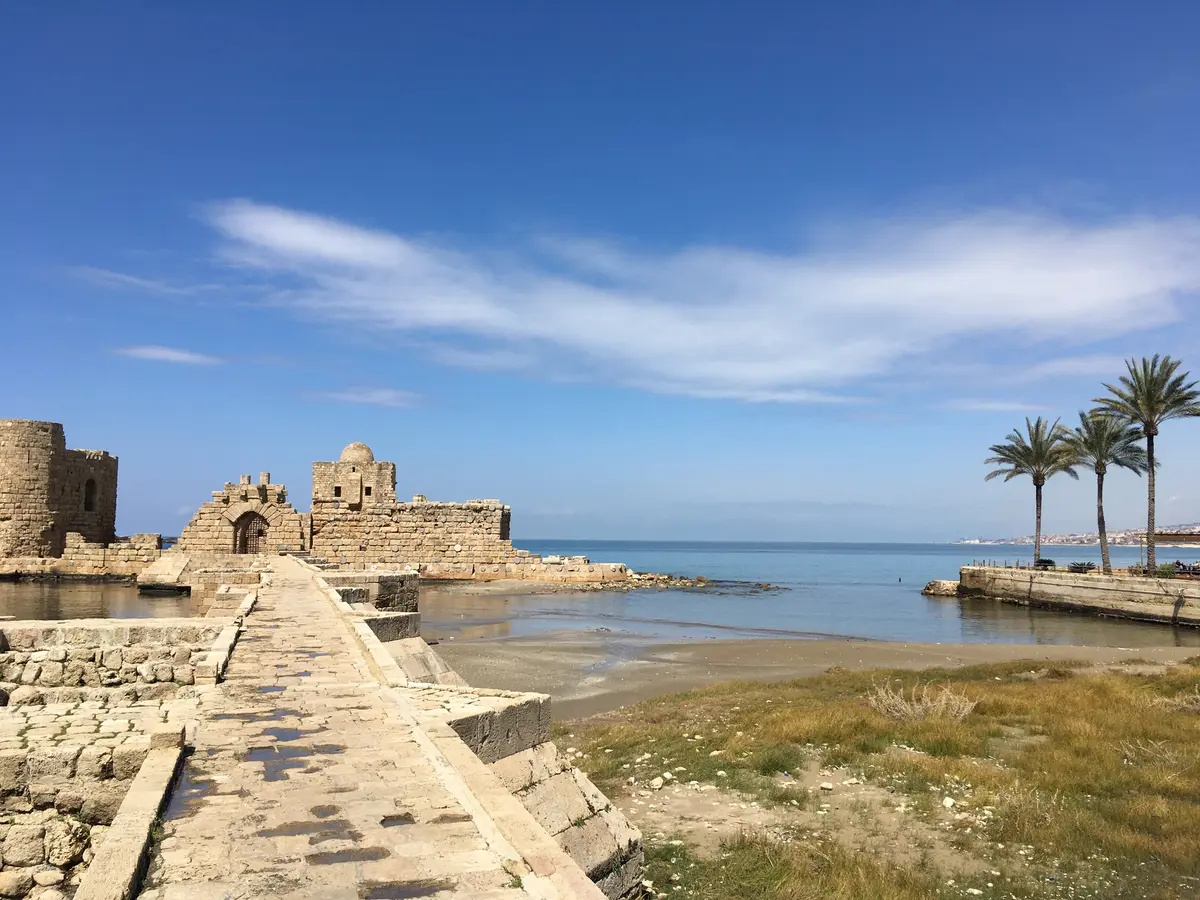
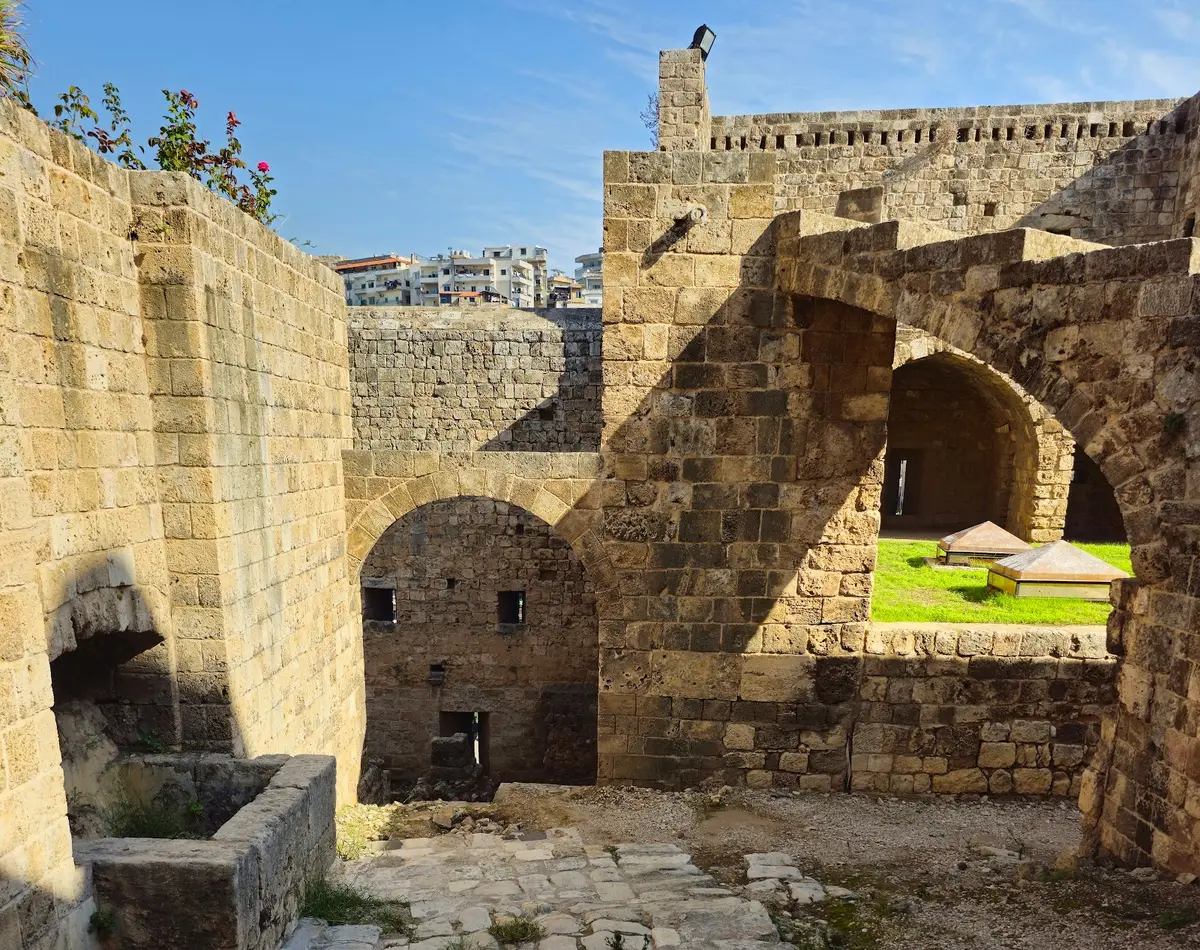
Is Lebanon safe for American tourists? Short answer: the U.S. State Department says no, and the security situation has sharpened in that direction — not softened. Lebanon sits at Level 4: Do Not Travel, and Washington has ordered the departure of non-emergency U.S. government personnel from Beirut. Yet Batroun hotels still fill on weekends and Gemmayze bars still pour arak at midnight. This guide tells you what’s actually happening on the ground, which neighborhoods function normally, and which ones you absolutely cannot enter.
This is not a typical destination piece. Lebanon is a country where you can sip Chateau Musar at a Mar Mikhael wine bar and hear sonic booms from fighter jets overhead in the same hour. Your GPS may lock onto Cairo while you stand in Achrafieh. ATMs dispense money at a rate that robs you of roughly 85% of your value. I’m not going to tell you Lebanon is a “hidden gem.” I’m going to tell you what the risks look like, where Americans have been going safely, and the specific conditions you need to meet before you even book the flight.
What does the current security situation look like?
Lebanon is an active conflict-adjacent environment, not a normal tourist destination. The State Department’s Level 4 advisory cites crime, terrorism, civil unrest, kidnapping, unexploded landmines, and the risk of armed conflict. Airstrikes, drones, and rocket attacks occur across the country — especially in the south, the Bekaa Valley, and parts of Beirut. Routine U.S. consular services in Beirut are suspended; only emergency passport help is available.
The “cessation of hostilities” announced between Israel and Hezbollah never produced a stable peace. Israeli strikes — which Israel frames as targeted enforcement against specific operatives — continue in South Lebanon, the Bekaa, and the Dahieh suburb of Beirut. The pattern is intelligence-driven rather than indiscriminate, but “precision” is not the same as “predictable.” A car parked next to yours, a building across the street from your restaurant — these have been struck with little or no warning.
Layered on top of that: sectarian incidents inside Lebanon itself. Clashes between Sunni and Shia groups flared in Beirut’s Khaldeh area, and the State Department warns of a rise in violent crime — including politically motivated killings and kidnapping for ransom, ransom being only one of the motives. The U.S. Embassy has also flagged that Iran-aligned militias have threatened American institutions across the region, including universities in Lebanon.
Pro Tip: Enroll in the State Department’s STEP program before you fly, and follow the U.S. Embassy Beirut alerts channel. These are the fastest way to hear about airspace closures, overnight curfews, or flight cancellations out of Beirut-Rafic Hariri International.
Why sonic booms aren’t the real danger
Fighter jets regularly break the sound barrier at low altitude over Beirut. The boom shakes windows and sets off car alarms across entire neighborhoods. First-time visitors assume it’s a strike. Locals have a grim ear for telling the difference — a real strike has a lower, duller thud and is usually followed by sirens. For an American tourist, the psychological toll is real even when the physical danger in your immediate spot is low. The actual risk is what follows a boom: a secondary impact elsewhere, blocked roads, or a sudden hour-long power cut.
How GPS jamming affects your daily navigation
GPS spoofing is constant across the country. Google Maps may pin you to the airport in Tel Aviv, a point in Cairo, or a location in Cyprus while you’re standing on Hamra Street. Rideshare apps glitch for the same reason — the map shows your driver circling an empty field in Syria. Workarounds most residents use:
- Pre-download the Beirut and Mount Lebanon area on Google Maps or Maps.me for offline use.
- Use landmark-based directions (“past the Mohammad Al-Amin mosque, left at the BLOM Bank”) instead of street-by-street routing.
- Confirm pickup locations with rideshare drivers by phone, not by in-app pin.
Which areas of Lebanon are still relatively safe?
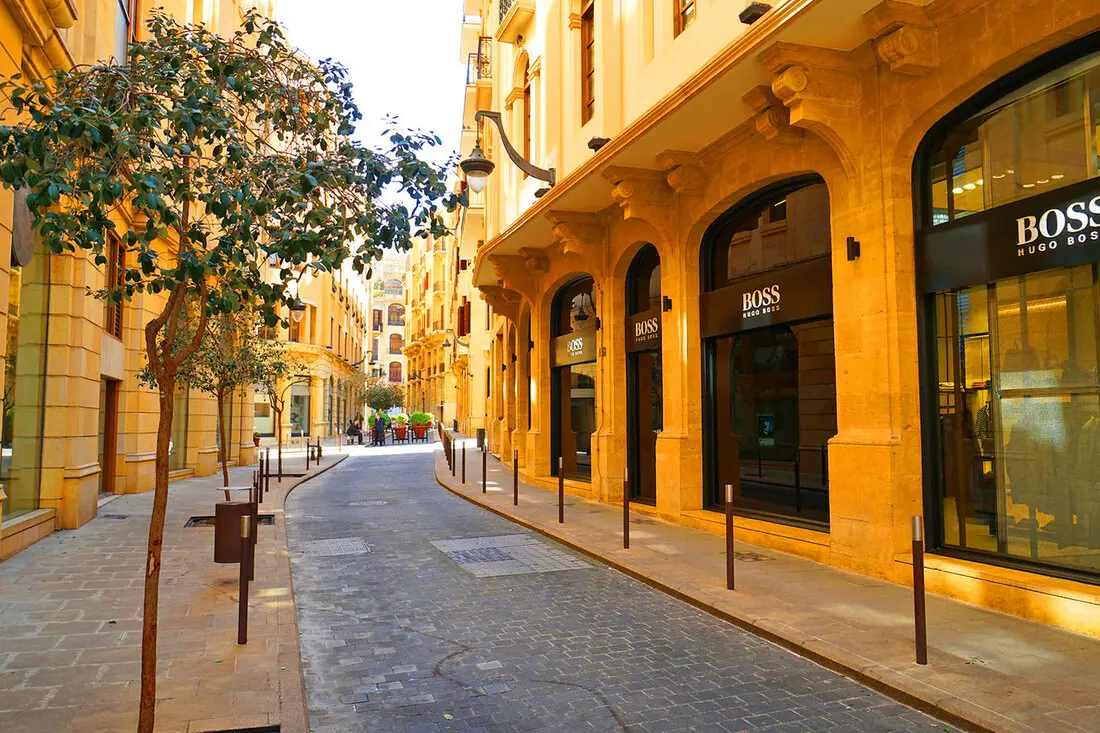
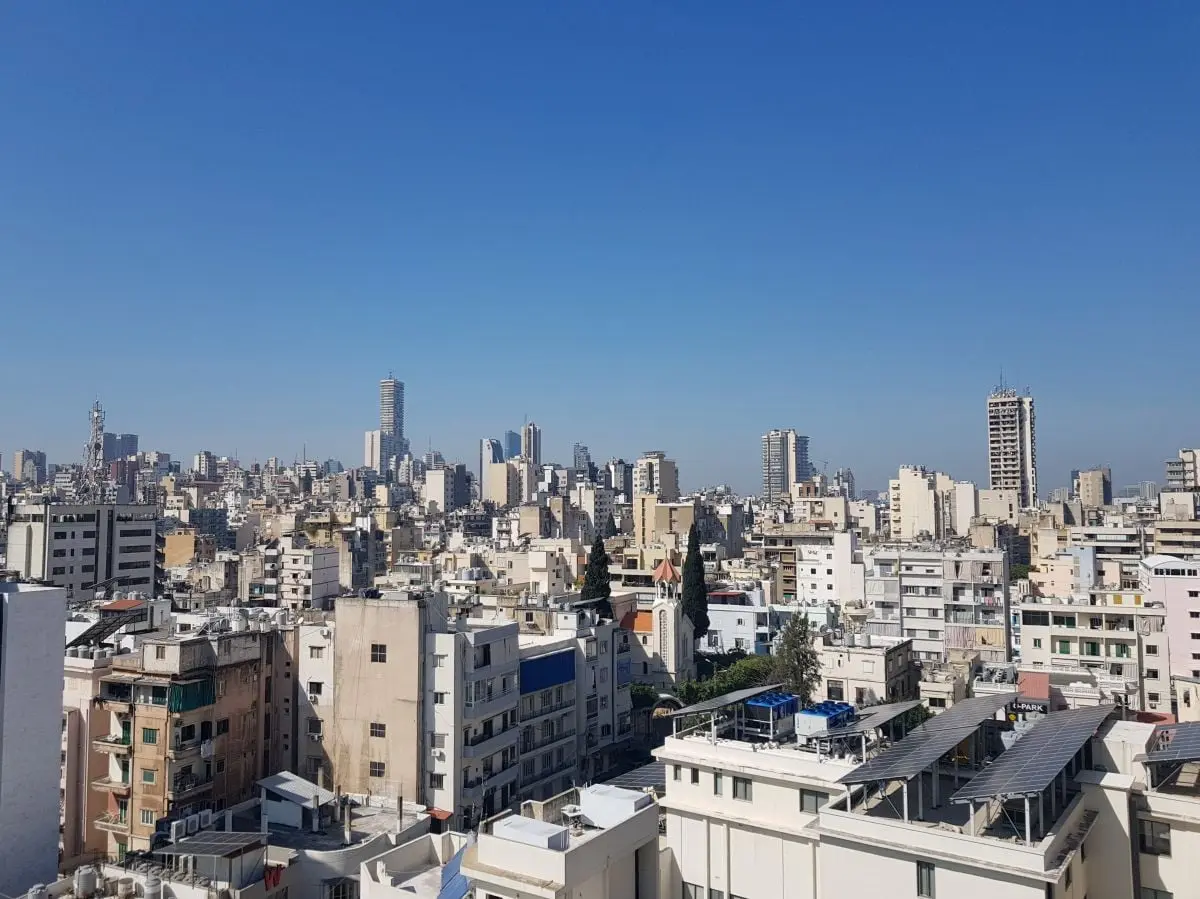
Three zones have consistently stayed outside the pattern of strikes and clashes: East Beirut (Achrafieh, Gemmayze, Mar Mikhael, Saifi, Badaro), the coastal town of Batroun about 34 miles (55 km) north of Beirut, and Byblos (Jbeil) roughly 23 miles (37 km) north. These areas have no Hezbollah military infrastructure, are predominantly Christian or mixed, and have not been targeted in the ongoing campaign. Incidental risks — power cuts, petty theft, sectarian flare-ups — remain.
These are the zones where American visitors who are in Lebanon at all tend to base themselves. “Relatively safe” is the operative phrase. None of them is immune from a sonic boom at 3 a.m. or an airspace closure that cancels your flight home. They are, however, the places where daily life functions.
East Beirut — the expat and nightlife core
- Location: Achrafieh, Gemmayze, Mar Mikhael, Saifi Village, Badaro
- Cost: Mid-range hotels from $90/night; drinks $8-15; dinner $25-50 per person
- Best for: Travelers who want restaurants, bars, and walkable neighborhoods
- Time needed: 3-5 nights to see the main districts
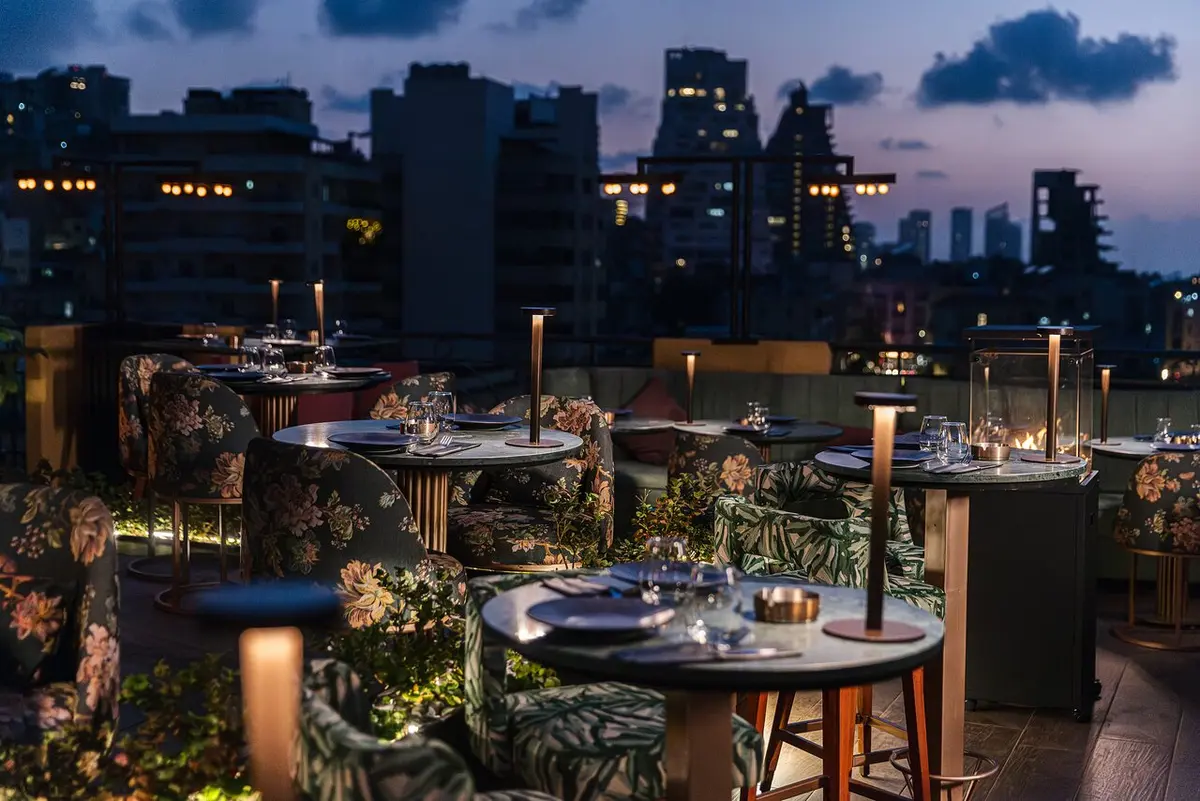
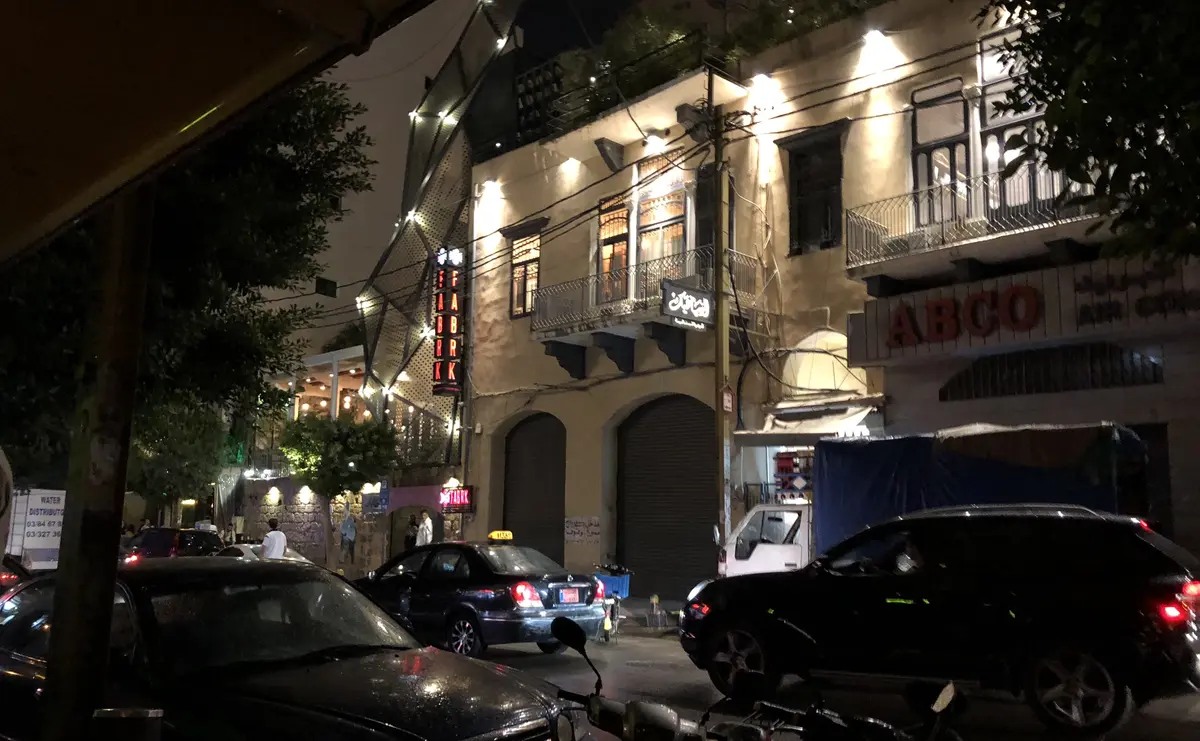
Mar Mikhael is the center of the bar scene. Bars like Anidea, Abbey Road, and the laneway venues off Armenia Street stay open past 2 a.m. on weekends. Expect a queue outside Electro Mechanique on Saturdays. Gemmayze, one block downhill, is more mixed — cocktail bars alongside old stone buildings still scarred from the 2020 port explosion. Badaro is the quietest of the five, good for a dinner-and-one-drink night rather than a full evening out. The friction points: streets go fully dark during power cuts (generators power the venues, not the streetlights), sidewalks are broken, and the walk home from Mar Mikhael to a hotel in Achrafieh is steeper than Google Maps makes it look.
Pro Tip: Stay on the Achrafieh plateau rather than down by Gemmayze. You’ll sleep away from bar noise and walk downhill to the nightlife instead of climbing back up drunk at 2 a.m.
Batroun — the coastal insulation
- Location: 34 miles (55 km) north of Beirut on the coastal highway
- Cost: Beach hotels from $110/night in shoulder season, $180+ in July-August; dinner $20-40
- Best for: Couples, groups who want beach days without the city tension
- Time needed: 2-3 nights; it’s small
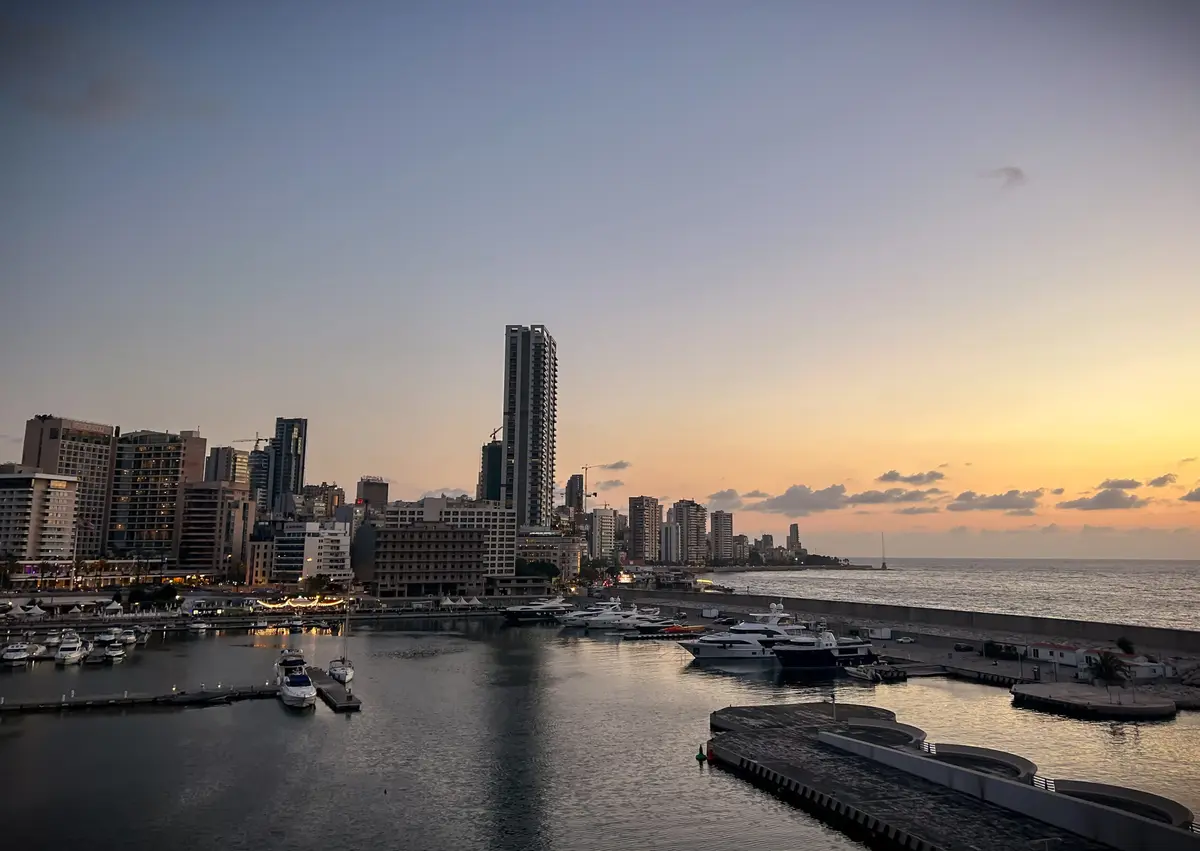
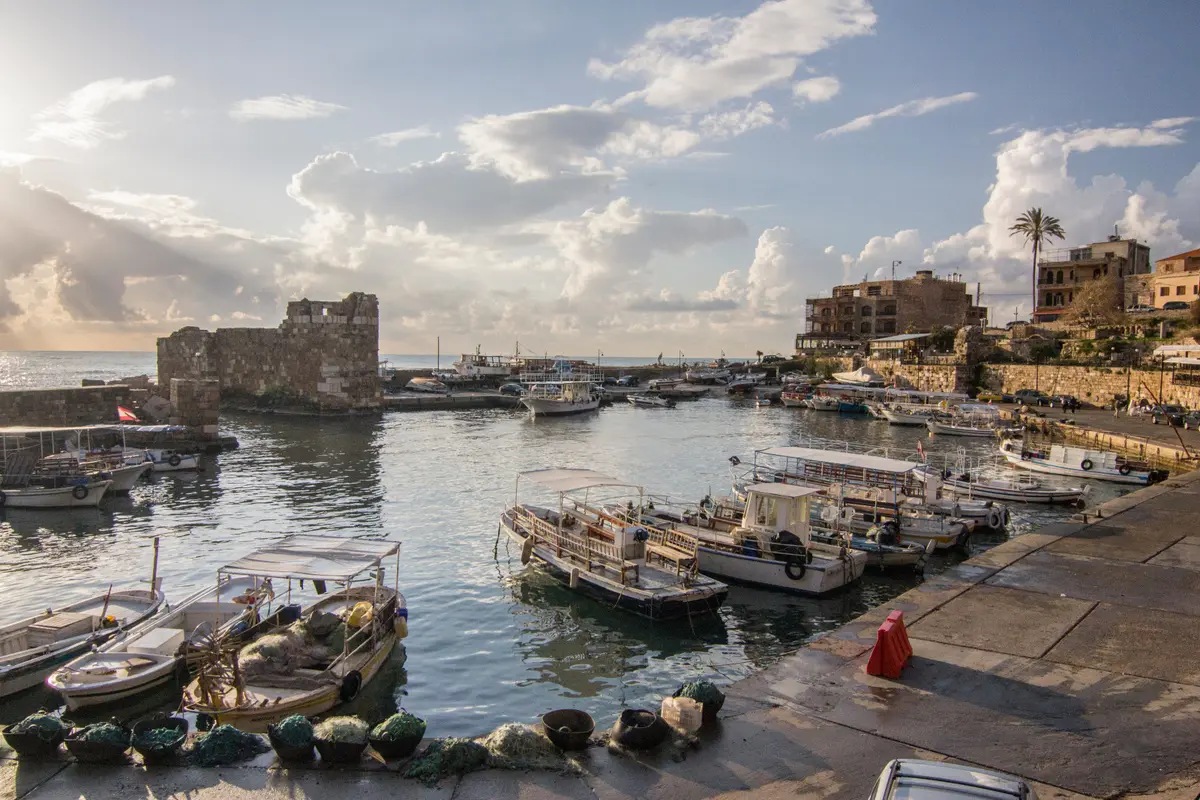
Batroun has become the unofficial safe haven for weekend traffic from Beirut. It’s geographically insulated from southern conflict zones, largely secular, and has no strategic infrastructure nearby. The old souk runs for about a quarter-mile along the sea wall, with lemonade vendors, pottery shops, and the Phoenician Wall you can walk along for free. The best beach clubs in Batroun — Colonel Beer Brewery, Pierre & Friends, Lazy B — draw a wealthy Beiruti crowd that visibly ignores the war narrative. Maintenance at some venues is slipping (worn loungers, patched plumbing), a reminder that even insulated areas feel the wider economic collapse.
Byblos (Jbeil) — history without the headlines
- Location: 23 miles (37 km) north of Beirut
- Cost: Citadel ticket $5; guesthouses from $70; dinner $20-35 in the old port
- Best for: Families, travelers who prefer ruins and calm over nightlife
- Time needed: Day trip from Beirut, or 1-2 nights
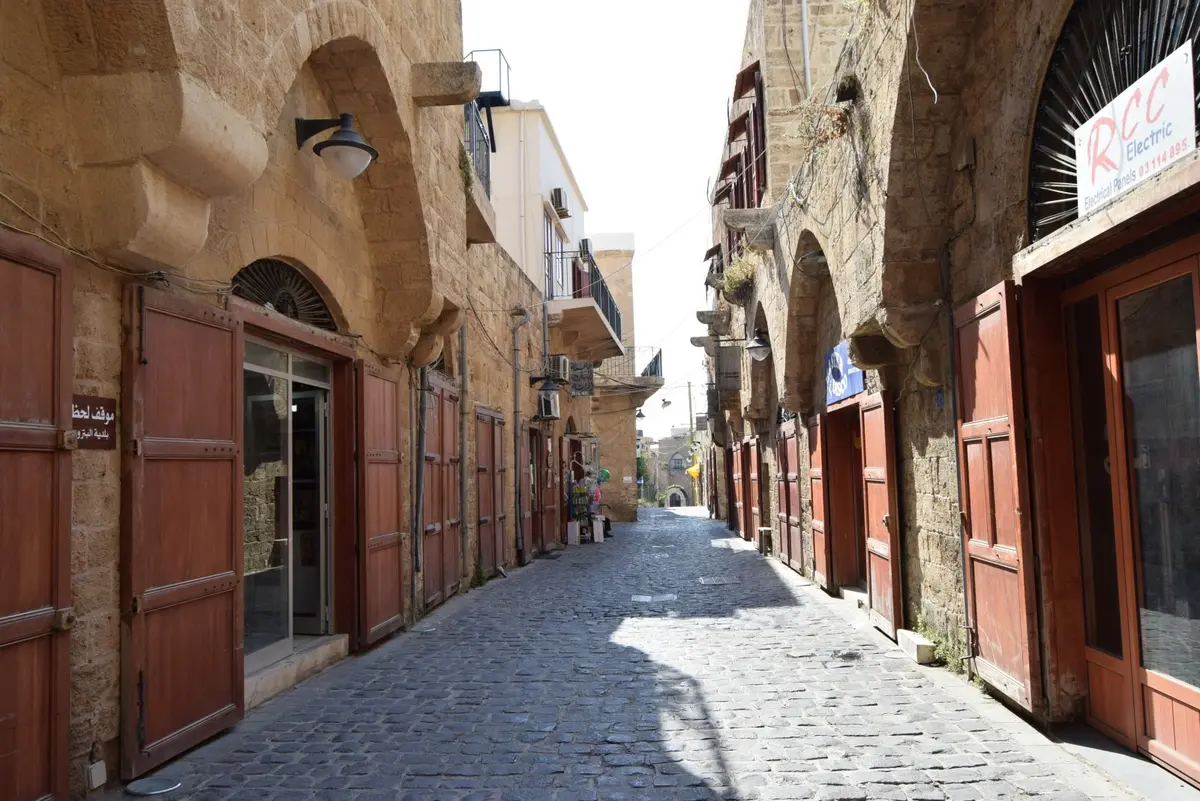
Byblos has one of the oldest continuously inhabited sites in the world — a Crusader castle, Phoenician necropolis, and Roman colonnade stacked on the same hillside above a working fishing harbor. The risk of conflict spillover is minimal. The old souk is restored and tourist-oriented, which means prices are higher than Batroun for similar food, but the walk from citadel to harbor is the most pleasant 15-minute stretch in the country.
Which areas must American tourists absolutely avoid?
Five zones are non-negotiable: Beirut’s Dahieh southern suburbs, any area south of the Litani River, the Bekaa Valley (including Baalbek), the Lebanon-Syria border region, and all Palestinian refugee settlements. These are active strike zones or areas where American citizens face immediate detention risk. A tourist has no valid reason to enter any of them, and “I didn’t know” does not reopen closed roads or retrieve you from a checkpoint.
The U.S. Embassy has urged Americans already in Southern Lebanon, the Syria border, refugee settlements, and Dahieh to depart those areas immediately. That is not standard advisory language — it is an instruction.
Dahieh — Beirut’s southern suburbs
Dahieh is a Hezbollah political and logistical stronghold covering neighborhoods like Haret Hreik, Burj al-Barajneh, and Ghobeiry. It has been struck repeatedly. An American with a camera, an American accent, or a visible U.S. passport in Dahieh is a detention risk even without a strike. Foreigners have been taken for questioning by local security factions for far less than photography. Do not enter this area for food, for “authentic” experience, or on a cheap taxi driver’s suggestion of a shortcut.
The airport highway corridor
The main highway from central Beirut to Beirut-Rafic Hariri International Airport skirts the eastern edge of Dahieh. The airport itself remains open and Middle East Airlines continues commercial flights, but the highway corridor is vulnerable. Strikes on the edge of Dahieh have closed the highway with little warning.
- Fly Middle East Airlines or a carrier that lands in daylight hours where possible.
- Book a hotel-arranged airport transfer rather than a street taxi — the driver will know which alternate routes are open.
- Confirm with your driver that the route avoids Dahieh interior streets.
- Keep your passport and a printed hotel reservation accessible at checkpoints.
South of the Litani River
Everything south of the Litani — including Tyre, Naqoura, and the border villages — is an active war zone. Artillery, drone, and airstrike activity is effectively daily. There are also unexploded landmines and ordnance off main roads. Tyre’s Roman ruins are genuinely impressive, but they are not worth a fraction of the risk. Checkpoints are frequent and American passports do not speed you through.
Bekaa Valley and Baalbek
Baalbek‘s Roman temple complex is one of the best-preserved in the world. It is also in the Bekaa, which the State Department has explicitly named as a zone to avoid. Strikes have hit specific targets in and around Baalbek town. A small number of adventure tour operators still run Baalbek day trips from Beirut with armed local escort. I would not take one. The photos are not worth the contingency of an airspace closure trapping you in the Bekaa while Beirut flights cancel.
Tripoli and the north
Tripoli — Lebanon’s second city, about 53 miles (85 km) north of Beirut — has largely stayed outside the Israel-Hezbollah strike pattern. Its risks are different: chronic poverty, sectarian tension between the Bab al-Tabbaneh and Jabal Mohsen neighborhoods, armed robbery, and kidnapping for ransom of foreigners perceived as wealthy. A day trip with a local guide is possible; an unguided wander is not advisable. Refugee settlements around Tripoli and along the Syrian border are explicitly Level 4: Do Not Travel, Depart If You Are There.
How do you handle Lebanon’s cash-only economy?
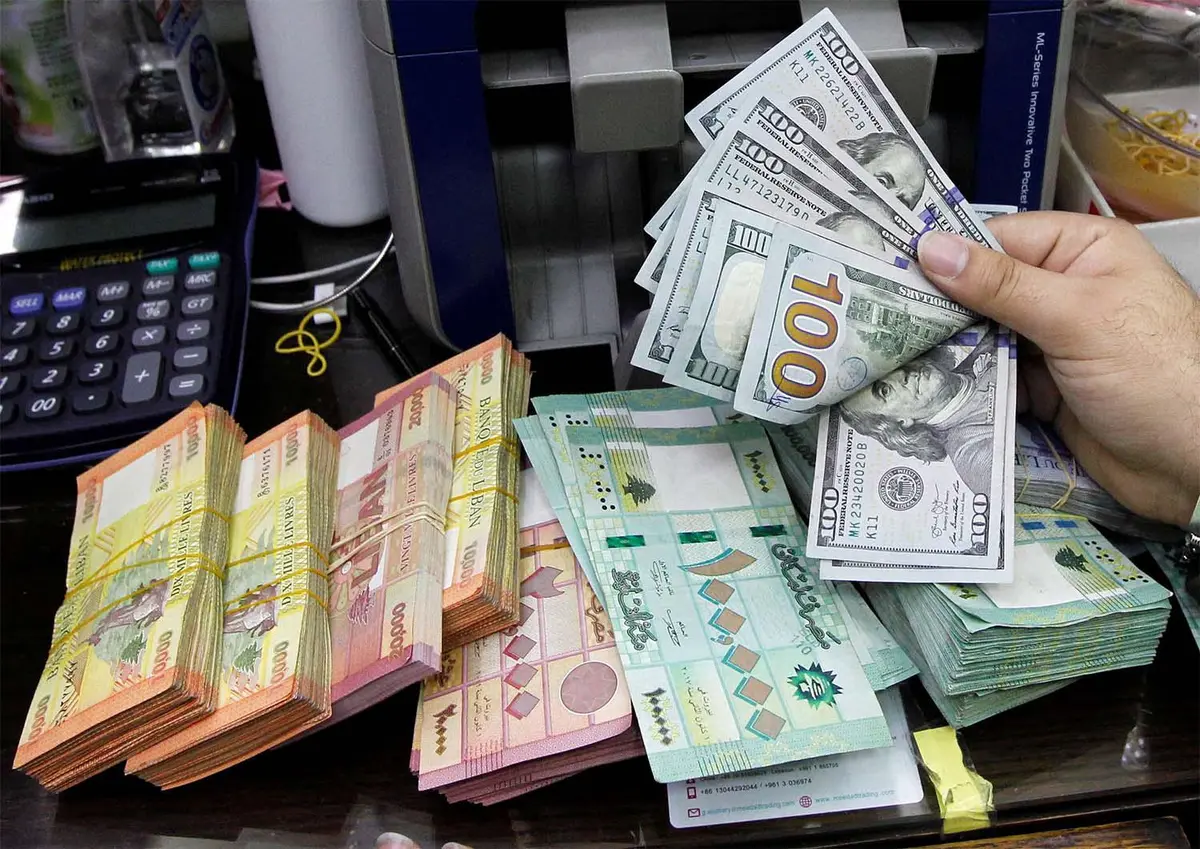
Lebanon runs on physical U.S. dollars. The banking sector collapsed after 2019; Lebanese deposits were effectively trapped, and the Lebanese pound lost roughly 98% of its value, now trading around 89,500 LBP to $1. Credit cards work at a handful of international hotel chains and nowhere else. For 98% of daily spending — restaurants, taxis, hotels, clinics, pharmacies — you need crisp U.S. banknotes. Bring all the cash you expect to spend, plus a 20% buffer.
Locals distinguish between “lollars” (dollars trapped in Lebanese bank accounts, worth roughly 15 cents on the dollar) and “fresh dollars” (physical cash brought into the country, at full value). Only fresh dollars exist for tourists. A typical trip budget runs $100-200 per day depending on whether you stay in guesthouses or hotels.
Why your credit card is useless
- International hotel chains (Four Seasons, Phoenicia, some Hilton properties) take Visa and Mastercard.
- Virtually nowhere else does. Card terminals sit unplugged even at mid-range restaurants.
- Swiping a debit card at a Lebanese ATM is the single worst financial mistake you can make here — most ATMs dispense at the “official” rate far below the market rate, destroying roughly 85% of your withdrawal’s value.
- Western Union and OMT counters let you wire money to yourself in fresh dollars if you run out. This is the emergency option.
The bill condition rule that catches Americans off guard
Lebanese vendors refuse U.S. dollars that don’t meet a strict cosmetic standard. Bills get rejected for:
- Tears or ink marks: any pen mark, even a faint one, makes a bill worthless here
- Old designs: small-head Franklin $100s are refused almost universally
- Wear: creased, soft, or limp bills get handed back with no discussion
- Stamps: Gulf-country bank stamps (common in secondhand bills) are treated as counterfeit markers
Withdraw only brand-new, blue-stripe $100 bills from your U.S. bank before you fly. Inspect every bill at the teller window. Keep them flat in an envelope or hard wallet, not crumpled in a pocket.
Pro Tip: Bring a mix — mostly $100s for hotels and tours, plus at least $200 worth of $20s and $10s. Many vendors, especially taxis and small restaurants, cannot break a $100 bill at all, and you will lose the extra to “no change” inflation.
How do you stay connected when infrastructure fails?
Connectivity in Lebanon is a safety tool, not a convenience. State electricity provides only 1-2 hours per day across most of Beirut — the rest runs on private diesel generators that fail during fuel shortages. Mobile data outperforms Wi-Fi in most situations because cell towers have their own generator backups. Relying on U.S. carrier roaming is expensive and drops signal often; an eSIM or local SIM is effectively mandatory.
- Physical SIM at the airport: Alfa or Touch kiosks; requires passport registration; roughly $25 for a tourist data plan
- eSIM (faster): Airalo, Holafly, or similar activate before you land; data-only, no Lebanese phone number
- Hotel Wi-Fi: fine when the generator is on, gone when it isn’t
- Power banks: bring two, fully charged; you will drain one on a long sightseeing day
When booking accommodation, ask one question: “Do you have 24/7 generator power?” Most reputable hotels in East Beirut, Batroun, and Byblos do. Budget guesthouses often share a generator with neighbors, meaning power cuts during peak demand. The absence of streetlights means a flashlight or phone torch is not optional gear — sidewalks here have open manholes and construction debris that you will not see at 10 p.m.
Will your travel insurance actually cover you in Lebanon?
Almost certainly not, if you bought a standard policy. Most U.S. travel insurance policies automatically void coverage when the destination is rated Level 4 by the State Department. “Acts of war” exclusions then block any claim tied to hostilities. Medical evacuation from Lebanon — the scenario that actually ruins you financially — can run $100,000-250,000 and is exactly what standard insurers will decline to cover. You need specialized high-risk coverage, or you need to accept that you are self-insuring a six-figure downside.
Specialized war-zone providers include First Allied, High Risk Voyager, Battleface, and Global Rescue. A two-week policy typically runs $150-400 depending on coverage limits and age. Read the exclusions line by line. Specifically confirm:
- Coverage is not voided by the Level 4 advisory itself
- Acts of war, terrorism, and “hostile action” are explicitly covered, not excluded
- Emergency medical evacuation is included with a limit of at least $500,000
- Repatriation of remains is included (grim but standard)
- The policy covers trip interruption if the airport closes or airspace is restricted
Pro Tip: Buy the policy within 14 days of your first trip payment. Most high-risk insurers require this window for pre-existing condition waivers and cancel-for-any-reason riders.
Is Lebanon safe for solo female travelers and LGBTQ tourists?
The social environment is contradictory. East Beirut and Batroun are among the most liberal zones in the Arab world — Western dress is standard, women drink publicly, unaccompanied female travelers draw no particular attention. Outside those zones, conservative norms reassert quickly. Violent crime against tourists is rare nationwide; verbal harassment and social friction are common enough to plan around. LGBTQ travelers face a separate, legally ambiguous layer of risk that concentrates on dating apps and public displays of affection.
Solo female travelers
- Mar Mikhael, Achrafieh, Gemmayze, Badaro, Batroun, and Byblos are walkable solo in daytime and, with standard precautions for solo female travel, into the evening.
- Use rideshare (Bolt is more reliable than Uber in Beirut currently) over street taxis for accountability and fixed pricing.
- Avoid unlit stretches during power cuts — carry a flashlight.
- Dress modestly outside the liberal zones, particularly in Tripoli, the north, and any Shia-majority area.
- Verbal harassment (catcalls, persistent offers) happens; a firm “la, shukran” (“no, thank you”) usually ends it.
LGBTQ travelers
Lebanon is one of the more queer-visible countries in the region, with an underground scene in Beirut — but it remains legally conservative. Article 534 of the penal code has been used inconsistently against same-sex conduct. Public displays of affection between same-sex couples are risky outside specifically queer-friendly venues. Grindr and similar apps have been used for entrapment operations targeting both locals and foreigners. Standard advice from local organizations:
- Delete dating apps before arrival and reinstall only if you understand the local scene
- Do not share hotel room numbers with people met online
- Research specific venues through current local contacts rather than old English-language guides
- Keep a low profile at checkpoints; answer questions directly and briefly
So — is Lebanon safe for American tourists right now?
No. The honest answer is no, and the official answer is no. The U.S. State Department advises against all travel, has ordered the departure of non-emergency government personnel from Beirut, has suspended routine consular services, and has told Americans already in Lebanon to consider leaving while commercial flights are running. That is the most restrictive posture short of a formal evacuation.
“Is Lebanon safe for American tourists” is not a question that resolves to “yes” with the right hotel choice. The right question is whether your specific reason to go — family, work, a one-time cultural pull — outweighs a realistic set of downside scenarios: an airspace closure that strands you for weeks, a medical emergency in a country where you are effectively uninsured, a detention at a checkpoint because your driver took a wrong turn, or a secondary impact from a strike targeting someone three blocks away. For most American tourists, the answer to that weighing is also no.
If you go anyway — and people do — the version of this trip that works is narrow: base yourself in East Beirut, Batroun, or Byblos; use a vetted private driver rather than self-driving; carry $1,500-3,000 in fresh, pristine $100 bills; buy specialized war-zone insurance; register with STEP; and build a departure plan that does not depend on the U.S. Embassy helping you execute it. Keep your trip short — 5 to 7 days — and be ready to cut it shorter without argument if the situation shifts.
TL;DR: Lebanon is at Level 4: Do Not Travel. Ordered departure is in effect for U.S. government personnel, and consular services are suspended. Travel is not safe, and is not recommended. If you go regardless, stay in East Beirut, Batroun, or Byblos, carry fresh dollars, buy specialized war-zone insurance, and have a departure plan you can execute alone.
Would you still travel to Lebanon right now, or is the current advisory enough to push your trip to another country? Drop your take in the comments — I read every one.