Most guides describe Beiteddine Palace as a pretty day trip from Beirut. It’s more than that. The complex is a 30-year architectural flex by a ruler who broke his feudal rivals and got exiled for his trouble — and it sits 28 miles south of the capital in stone that turns amber at 4 p.m. This guide covers what the palace is, what a visit actually costs, and how to plan the day without wasting it.
What is Beiteddine Palace and why does it matter?
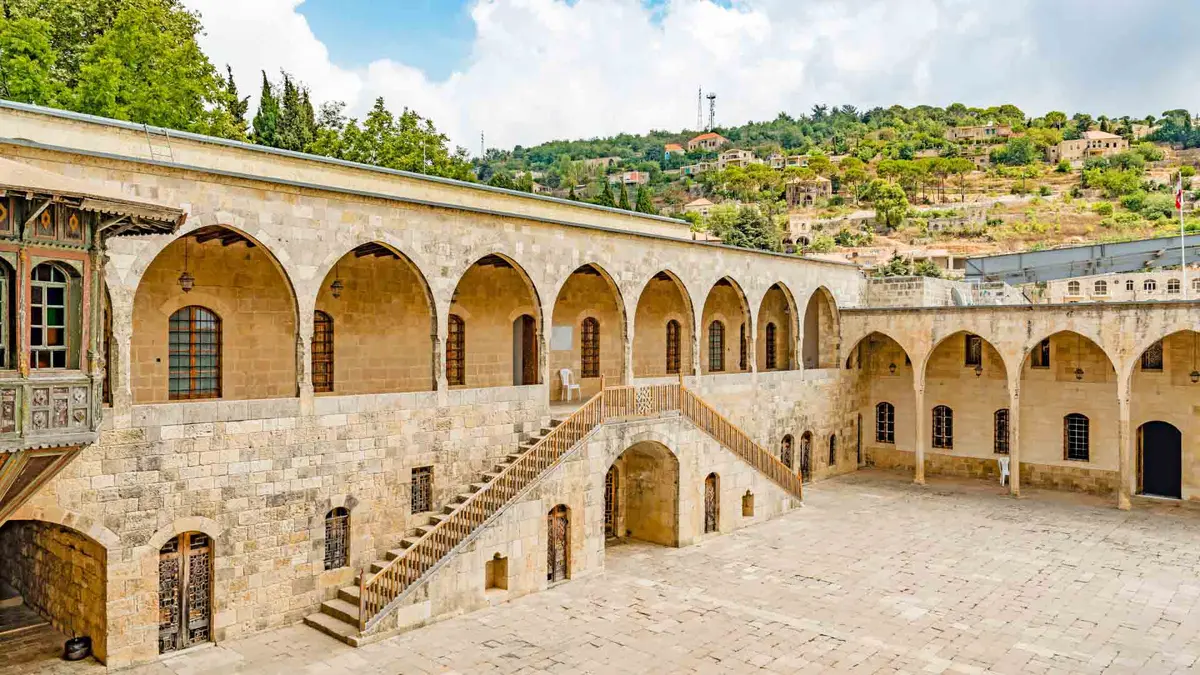
Beiteddine Palace is an early 19th-century complex in the Chouf Mountains, 28 miles (45 km) southeast of Beirut at 2,790 feet (850 m) elevation. Emir Bashir Shihab II built it between 1788 and 1818 as his seat of power over Mount Lebanon. Today it serves as the Lebanese president’s official summer residence and houses the Beiteddine Palace Museum, open to the public.
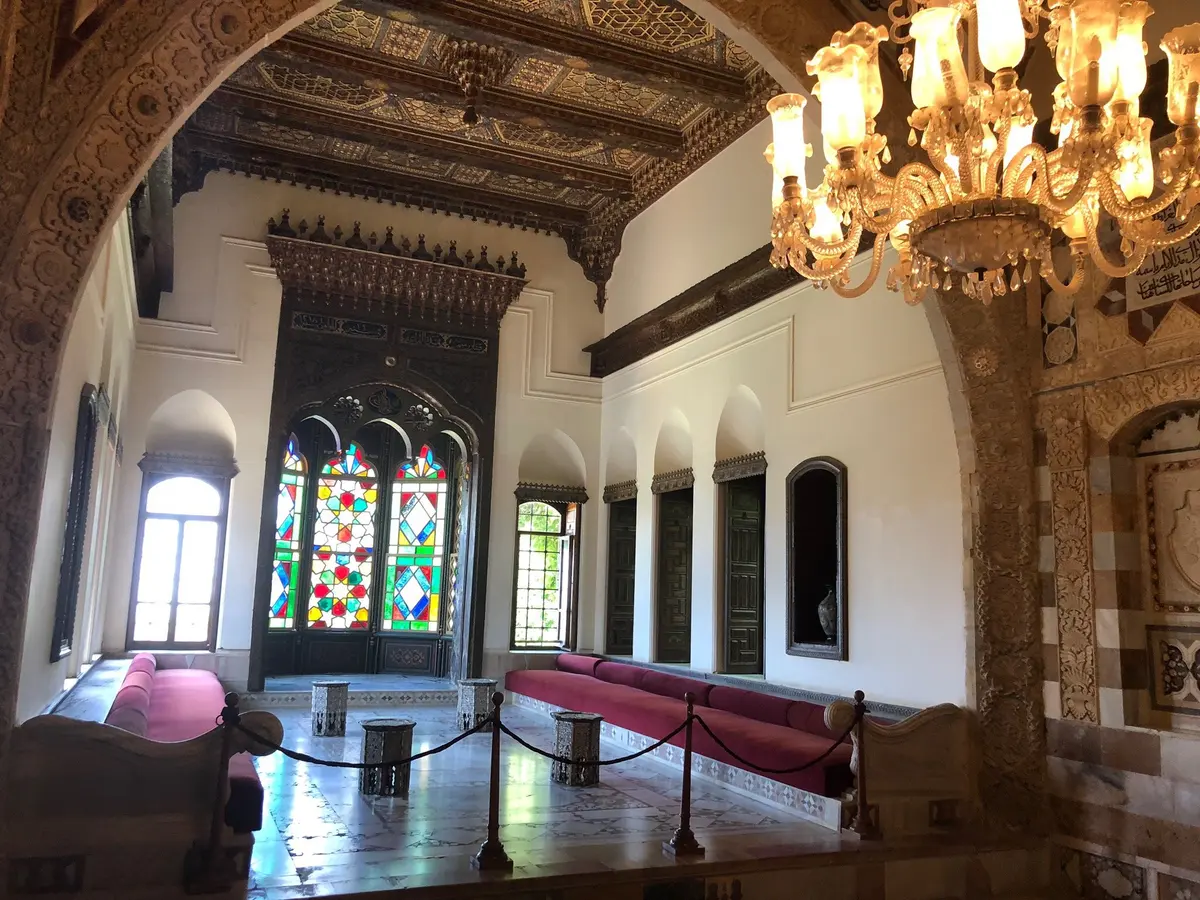
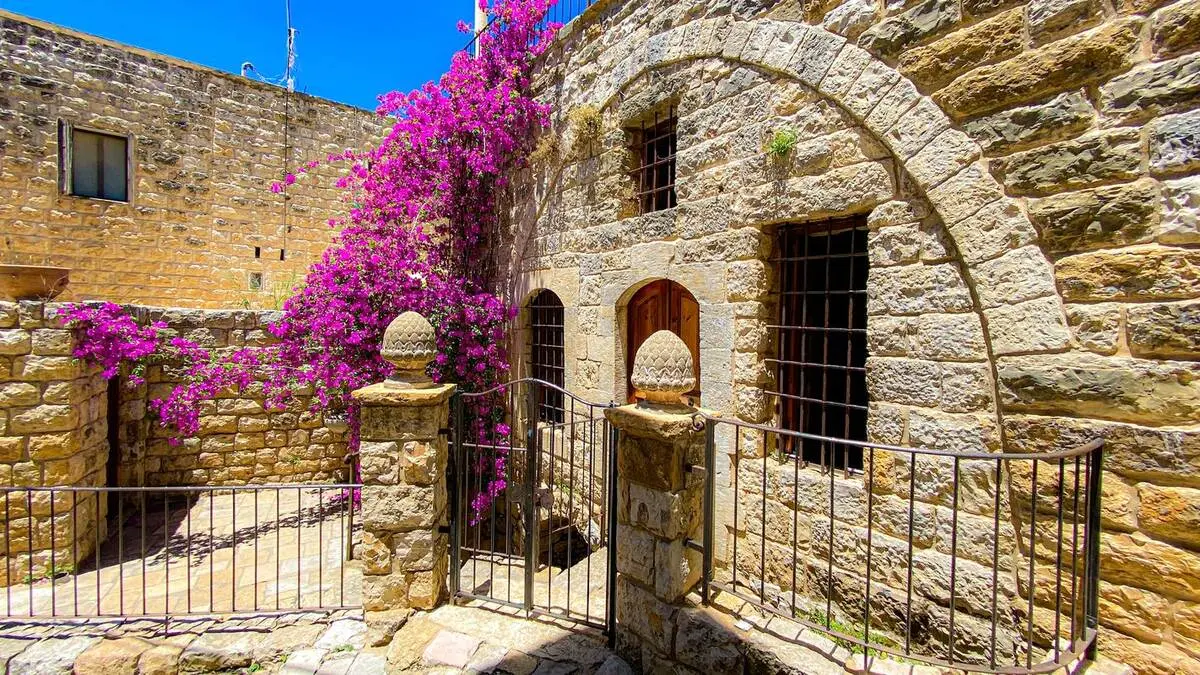
The name translates to “House of Faith,” a nod to the Druze hermitage that occupied the site before Bashir cleared it. The structure mixes Ottoman palace planning with Italian Baroque detailing and local craftsmanship — golden-ochre limestone, marble inlay, cedar wood ceilings, and a 107 x 45 meter outer courtyard that opens toward the valley on one side.
If you’re putting together a Lebanon itinerary with any historical weight, this is the anchor for the Chouf leg. Skip it, and you skip the physical record of how Mount Lebanon was actually governed for 50 years.
Pro Tip: Go on a weekday morning before 10 a.m. Tour buses from Beirut start arriving around 10:30, and the light on the limestone is best in the first two hours after opening anyway.
Who was Emir Bashir Shihab II?
Emir Bashir Shihab II — known as “Bashir the Great” or “The Red Emir” — ruled the Mount Lebanon Emirate during the late 18th and early 19th centuries. He centralized taxation, broke the independent feudal lords, and turned Beiteddine into the administrative and diplomatic center of the mountain. His rule brought stability and economic growth, but he maintained it through tactics that locals still talk about.
The Emir deliberately abandoned the traditional capital of Deir el Qamar, 3 miles (5 km) away, where Druze rivals held influence. He picked a remote hermitage site and, by most accounts, conscripted two days of annual unpaid labor from every able-bodied man in the Chouf to build the complex. It took 30 years.
His alliance with Muhammad Ali Pasha of Egypt eventually broke him. When an international coalition intervened in the Levant, Bashir surrendered to the British navy and died in exile, first in Malta, then Istanbul. He never saw the palace again.
Why the exile matters for the building
After Bashir left, the Ottomans stripped Beiteddine Palace of much of its movable treasure and used it for regional administration. Druze rebels looted parts of it. French Mandate authorities declared it a protected monument in 1930, and Lebanon’s first post-independence president made it the official summer residence in 1943. The building survived every regime change in the region because each one found a use for it.
Was Beiteddine Palace damaged in war?
Yes. Beiteddine Palace sustained heavy damage during the Israeli invasion of Lebanon in 1982, and an estimated 90% of the palace’s original contents were lost during this period. When the fighting in the area ended, Druze militia under leader Walid Jumblatt took control of the site and ordered its restoration. The Druze returned the palace to the Lebanese government in 1999.
One unexpected result of the war: the palace’s most important collection actually arrived during the conflict. Walid Jumblatt had a set of 5th- and 6th-century Byzantine mosaics moved from Jiyyeh — a coastal site 19 miles (30 km) south of Beirut — to Beiteddine in 1982 for safekeeping. They’re now displayed in the former stables under Dar al-Wousta. Don’t skip them. They are the single best thing in the complex and most day-trippers miss them because the entrance is tucked near the staircase.
During the most recent Israeli invasion of Lebanon, UNESCO granted Beiteddine enhanced protection as one of 34 cultural sites at elevated risk.
What will you actually see inside?
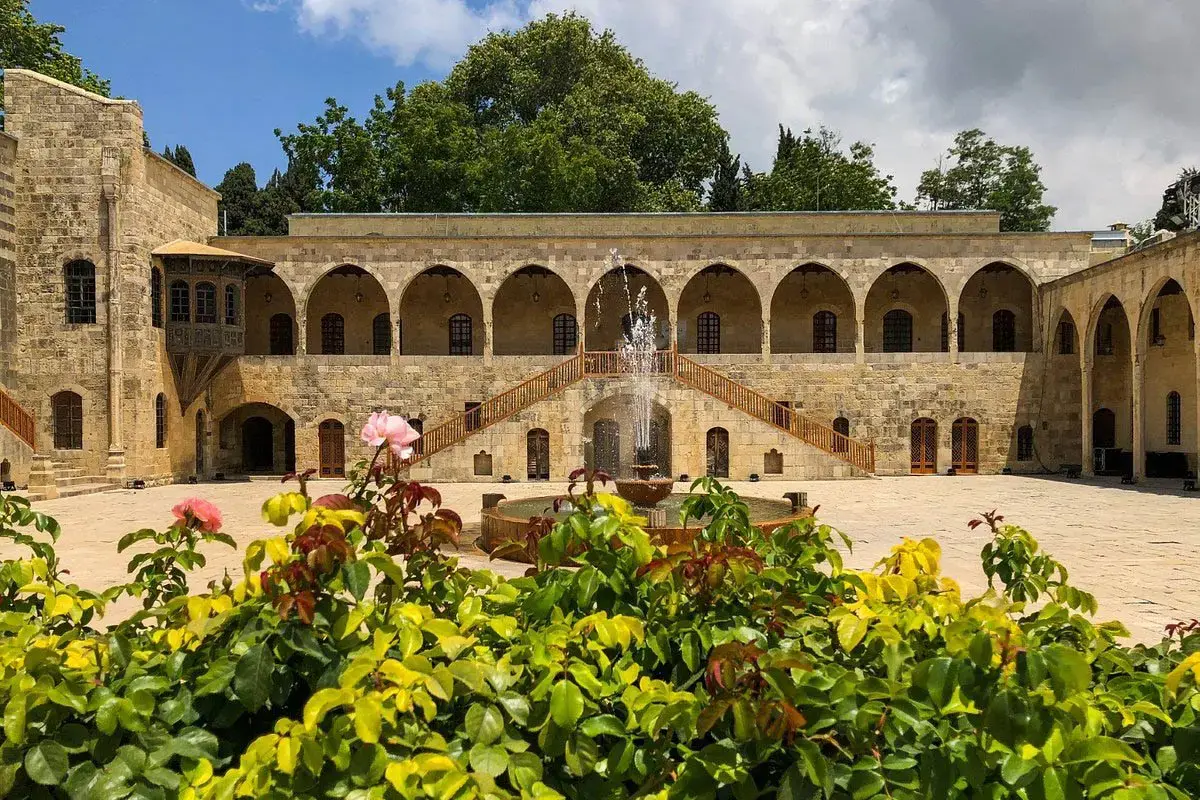
A visit to Beiteddine Palace moves you through three connected courtyards, from public to private, each more decorated than the last. The progression is deliberate — the further in you go, the richer the detailing gets. Allow 90 minutes to 2 hours to see everything properly, including the mosaic museum.
Dar al-Baraniyyeh (The Outer Court)
The main gate opens onto a rectangular courtyard walled on three sides. The fourth side drops off toward the valley and gives you the first of the palace’s big views — a straight sightline to the village of Deir el Qamar across the ridge. The right-hand wing, Al-Madafa, was the guesthouse where the Emir’s hundreds of visitors were lodged and fed. The architecture here is deliberately austere; the power move comes later.
Dar al-Wousta (The Central Court)
A double staircase at the western end of the outer courtyard leads up to a smaller courtyard with a fountain. This is where the Emir received consuls and conducted business. The arcades, mandaloun balconies, carved cedar ceilings with Arabic calligraphy, and inlaid marble fountains all land here.
Underneath Dar al-Wousta — entrance near the staircase — are the former stables. This is where the Byzantine mosaics from Jiyyeh are displayed. Follow the small signs or ask a guard; it’s easy to miss.
Dar al-Harim (The Private Quarters)
The innermost courtyard housed Bashir and his family. The entrance facade uses ablaq masonry (alternating light and dark stone courses) that’s the visual climax of the whole tour. The hammam inside is one of the best-preserved Ottoman-era baths in the region, with cold, warm, and hot rooms heated through an underfloor hypocaust. Shafts of light come through glass-studded domes in the ceiling when the steam isn’t running. The kitchens next door are huge and worth a look.
Pro Tip: The written English signage is minimal. If you want the building to make sense, hire one of the guides waiting at the main entrance — around $15-20 for a full walk-through. They know which rooms were Bashir’s actual bedroom versus reception chambers, which is not always obvious.
Is the Beiteddine Festival still running?
The Beiteddine Art Festival, launched in the mid-1980s as a cultural response to the civil war, was suspended in recent editions due to the security situation in the region. The committee has stated the suspension will hold “until the situation becomes clearer,” but the palace itself remains open to visitors year-round, and art exhibitions have continued to run in the complex even when music performances are on pause.
If you’re traveling when the festival isn’t running, you gain something: quieter courtyards and the freedom to linger in rooms that would otherwise be roped off as backstage areas. If you’re traveling when it is running, the Dar al-Baraniyyeh transforms into an open-air concert venue — the acoustics are unusual and the programming leans into opera, Arabic classical, and world music.
Check the official festival website before planning around it, since dates shift year to year.
How much does Beiteddine Palace cost to visit?
Entry to Beiteddine Palace typically runs around $10 USD per person for adults, with student and child discounts available. Pricing in Lebanese pounds fluctuates with the currency, so most official sources have moved to USD-equivalent pricing or accept USD directly at the ticket booth. Guided tours are an extra $15-20. Bring small USD bills — breaking a $100 at the ticket window is a headache.
- Adult entry: around $10 USD
- Student/child entry: discounted (bring ID)
- Guided tour (optional): $15-20 USD
- Parking: free near the palace
- Payment: cash USD strongly preferred
Pro Tip: ATMs in the Chouf are limited and withdrawal limits in Lebanon can be restrictive. Pull cash in Beirut before you head up.
When is Beiteddine Palace open?
Beiteddine Palace is open Tuesday through Sunday and closed on Mondays. Summer hours (roughly April to October) run 9 a.m. to 6 p.m., and winter hours (November to March) typically run 9 a.m. to 4 p.m. Last entry is usually 30 to 45 minutes before closing. Hours can shift around public holidays and when the president is in residence, so verify before you drive up.
- Tuesday-Sunday (summer): 9 a.m. to 6 p.m.
- Tuesday-Sunday (winter): 9 a.m. to 4 p.m.
- Monday: closed
- Last entry: 30-45 minutes before closing
How do you get to Beiteddine Palace from Beirut?
The palace is 28 miles (45 km) southeast of Beirut. Driving time is 1 to 1.5 hours depending on traffic on the coastal highway and the mountain road climbing into the Chouf — not the 45 minutes some guides claim. The route goes south on the coastal highway to Damour, then east and up into the mountains past Deir el Qamar.
Driving options
- Private car or rental: the most flexible option. Read up on driving in Lebanon first — mountain switchbacks and aggressive overtaking are standard
- Taxi from Beirut (round trip with waiting): around $125 USD for a full day covering Beiteddine and Deir el Qamar with waiting time
- Rideshare (Bolt is more widely used than Uber in Lebanon for long trips): viable one-way; arranging a return from the Chouf is harder
Public transport
Minibuses (“Chouf Buses”) leave from Beirut’s Cola transport hub roughly every 30 minutes between 7:30 a.m. and 4 p.m. They’ll drop you at Douwwar, which is within walking distance of the palace. The ride takes about 45 minutes and costs a few dollars. Return timing is the weak spot — buses thin out by mid-afternoon and you can get stuck.
Pro Tip: If you don’t drive, combine Beiteddine and Deir el Qamar as one taxi trip from Beirut. The two sites are 3 miles apart and splitting them into separate days doubles your transport cost for no good reason.
Is Beiteddine Palace wheelchair accessible?
Beiteddine Palace is only partially accessible. The outer courtyard (Dar al-Baraniyyeh) is flat and reachable, but the inner courtyards involve steep stone staircases, uneven cobblestones, and narrow doorways with raised thresholds. The hammam and mosaic museum require navigating stairs with no alternatives. Visitors with mobility limitations can still enjoy the outer court and the views, but expect to skip about 60% of the complex.
What else should you see in the Chouf region?
The Chouf clusters several high-value sites within a 20-minute drive of Beiteddine. If you’ve come this far, plan for at least one of them — ideally two.
1. Deir el Qamar village
Deir el Qamar is the former capital Bashir abandoned, and now an open-air museum of feudal-era architecture. Walkable stone lanes, the 17th-century Fakhreddine Mosque, and the Serail complex.
- Location: 3 miles (5 km) from Beiteddine, 45 min drive from Beirut
- Cost: free to wander; some buildings charge small entry
- Best for: history-minded travelers, slow walkers, photographers
- Time needed: 1.5 to 2 hours
2. Moussa Castle
Moussa Castle is a mock-medieval castle built single-handedly by one man, Moussa al-Maamari, over 60 years — a weird, stubborn counterpoint to state-sponsored Beiteddine. Full of animated dioramas of Lebanese village life. Kids love it; architectural purists will hate it.
- Location: 4 miles (6 km) from Beiteddine, near Deir el Qamar
- Cost: around $10 USD
- Best for: families, curiosity travelers, anyone done with “official” heritage sites
- Time needed: 45 minutes to 1 hour
3. Barouk Cedar Reserve (Chouf Biosphere Reserve)
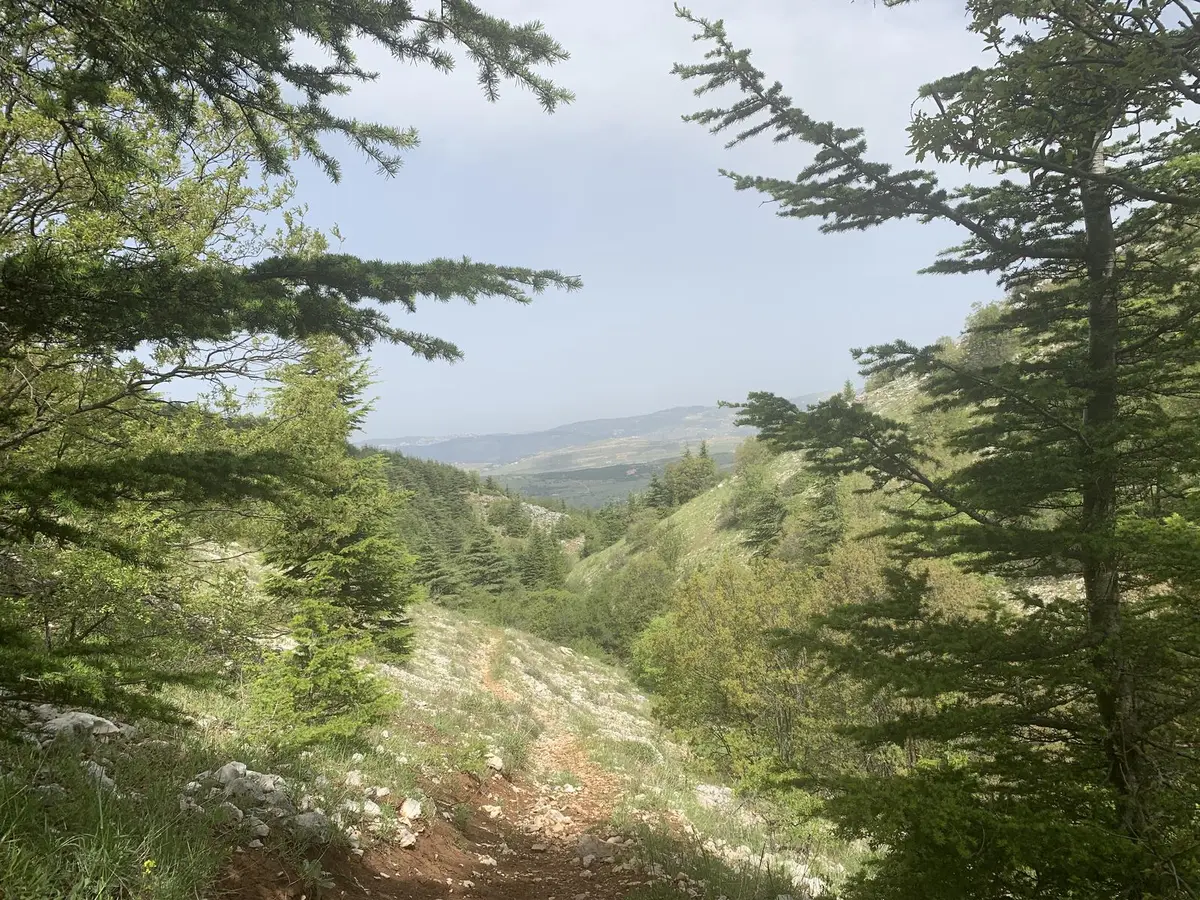
The Barouk Cedar Reserve is Lebanon’s largest protected cedar forest, with marked hiking trails and trees that are over 2,000 years old. The air changes noticeably at 5,000 feet.
- Location: 9 miles (15 km) uphill from Beiteddine
- Cost: small entry fee (a few dollars)
- Best for: hikers, nature photographers, anyone needing a reset after the palace
- Time needed: 2 to 4 hours
Before you book
TL;DR: Beiteddine Palace is worth a full day out of Beirut. Go on a Tuesday or Wednesday morning, pay around $10 to enter, hire a guide for the interiors, and do not miss the Byzantine mosaics under Dar al-Wousta. Pair it with Deir el Qamar to make the drive worth it. Bring USD cash.
Which part of the Chouf are you planning to visit first — the palace, or the cedar forest above it?