The luxury olive oil bar in your favorite boutique probably started its life in a stone vat in southern Lebanon. Lebanese soap museums let you trace that journey back six centuries — from polished exhibits in Sidon to working soap shops in the Tripoli medina. This guide compares the three places worth your time and what to buy at each.
Which Lebanese soap museum should you visit first?
Start at the Sidon Soap Museum on your first day. It is structured, bilingual, and walks you through 600 years of olive and laurel soap-making in about an hour. Save the Khan Al Saboun in the Tripoli medina and the Bader Hassoun Eco-Village for day two — they reward visitors who already understand the craft.
That sequencing matters because the three sites operate at very different intensities. Sidon is curated and educational. Tripoli is a working market with shopkeepers actively pulling you in. Koura is a luxury retreat 70 miles (113 km) north of Beirut. Working through them in that order — easiest to most committed — also matches travel logistics, since Sidon, Lebanon sits 25 miles (40 km) south of Beirut and Tripoli sits 50 miles (80 km) north.
1. The Sidon Soap Museum — the polished introduction
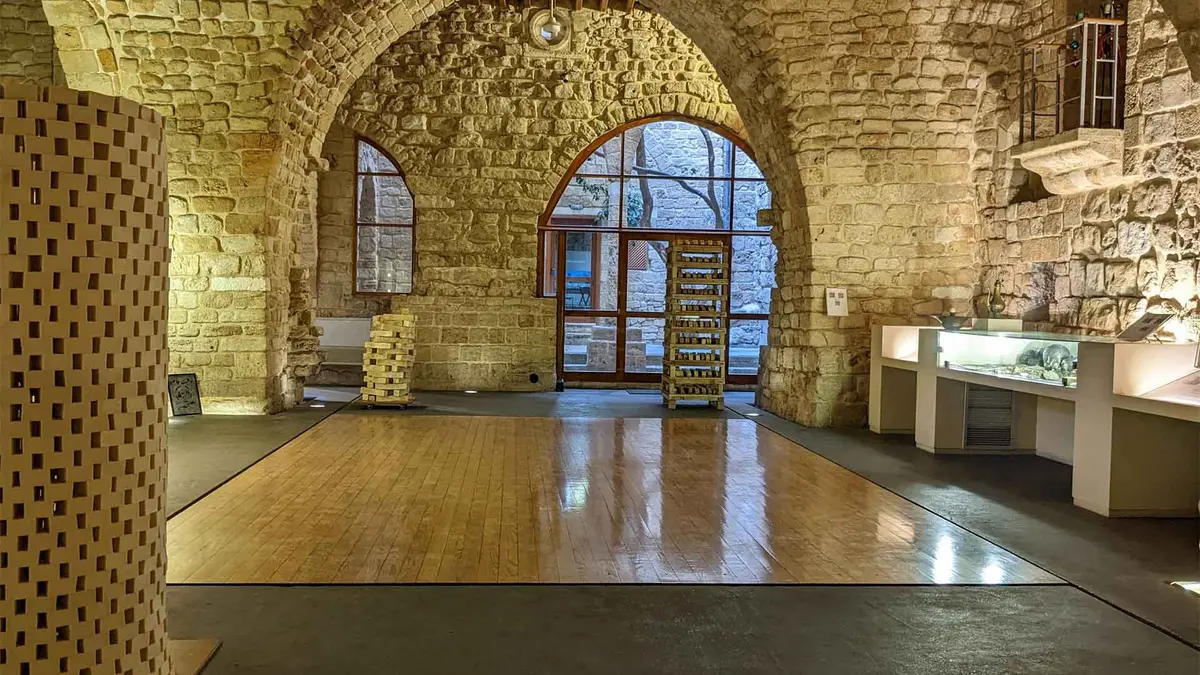
Walk through the heavy wooden door off Al Moutran Street and the first thing that hits you is the smell — pure olive oil and bay leaf, with a faint chalky note from the soda ash residue in the stone walls. The museum sits inside a former soap factory that ran for over 300 years, owned by the Hammoud family from the 1700s and bought by the Audi family around 1880. The Audi Foundation opened it as a museum in November 2000.
Honest verdict: the museum is small — three or four rooms — but the curation is sharp, the bilingual signage actually explains the chemistry, and the on-site documentary featuring the master soap maker Mahmud al-Sharkass is worth sitting through. The boutique attached to the museum sells beautiful packaging at premium prices, which I will get to.
- Location: Al Moutran Street, Haret Audi, Old Saida souk
- Cost: $1.50 entry for adults, free for under 12
- Hours: 8:30 AM to 6:00 PM, every day
- Best for: First-time visitors, families with kids, travelers nervous about diving straight into the souk
- Time needed: 1 hour for the museum, 30 more minutes for the boutique
Pro Tip: Ask at the ticket desk for the guided tour even if no one offers. There is no extra cost and the guides will walk you through the cauldrons, the drying tower, and the archaeological layers in a way the signage alone cannot.
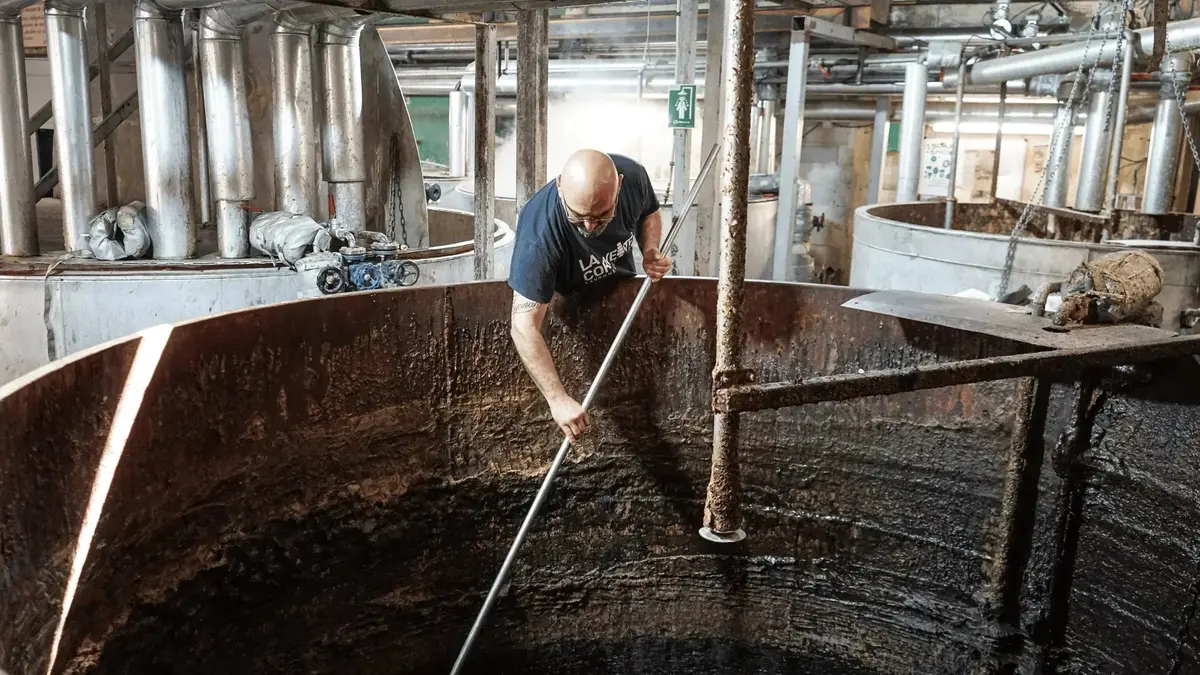
What you see inside the Sidon Soap Museum
The tour walks through the soap-making process in chronological order, starting with the raw materials: virgin olive oil from local groves, laurel oil distilled from Laurus nobilis, and soda ash. You stand next to the original cast-iron cauldrons where saponification happened over wood fires for hundreds of years. The chemistry has not changed since — only the heating source.
The visual centerpiece is the drying tower, where finished soap bars stack into geometric cylinders that let air circulate around every face. This is the cure: the months-long “breathing” period that turns caustic green paste into mild, gold-colored bars. It is the single biggest difference between artisanal soap and the industrial detergent in your supermarket aisle.
Master soap maker Mahmud al-Sharkass — whose family has produced soap for seven generations — still hand-makes about 100 bars a day for the museum’s gift shop. The on-site documentary follows him through one production cycle, and it does more for understanding the craft than any wall plaque.
During restoration, the Audi Foundation uncovered hammam pipes and pottery fragments dating from the 17th to 19th centuries, preserved in situ under glass or inside the masonry. You are literally walking over centuries of daily Sidon life while learning about hygiene history.
The boutique and café
The boutique sells the highest-quality soap in Sidon, packaged in airline-safe gift boxes designed for travelers. Honest trade-off: prices run two to three times what you will pay in the souk outside, but the quality control and packaging are real. If you are buying gifts to take home and need them to look presentable, pay the premium. If you are buying for yourself and willing to walk five minutes into the souk to bargain, save your money.
The attached café serves Lebanese coffee, mint tea, and a small selection of pastries. Useful as a 15-minute break before tackling the souk outside.
Pro Tip: The Audi Foundation also runs a smaller boutique in Beirut that opened in November 2019. If you cannot make it to Sidon, the same soaps are available there at the same prices.
2. Khan Al Saboun in the Tripoli medina — the working market
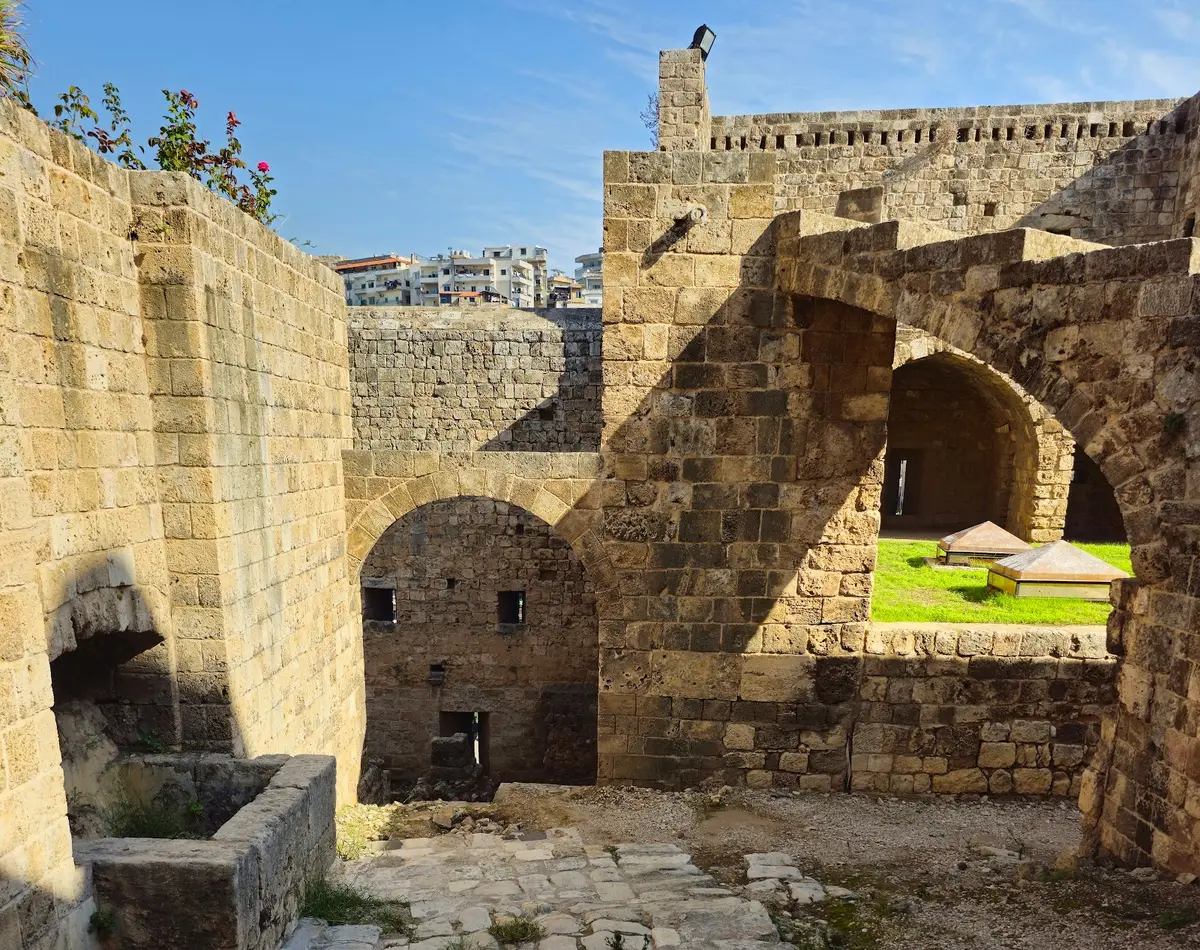
This is the original Khan Al Saboun, and it is the opposite of the Sidon experience. Built around 1612 by Yusuf Al-Saifi Pasha as a military barracks to control local uprisings, the rectangular fortress still has the arrow slits in its outer walls. You can stand in the courtyard, look up at the two-story arcaded corridors and the central fountain, and recognize Ottoman caravanserai design at a glance. What is now perfumed shop space was once a garrison.
This is not a museum with ticket counters and roped-off displays. It is a working soap market run by the Hassoun and Sharkass families, who have been making soap here for between 200 and 600 years depending on which family member you ask. The shopkeepers will demonstrate soap cutting, rub essential oils on your wrist, and follow you through the courtyard pitching new scents. Honest verdict: the architecture and the craft are real, but the sales pressure is heavy. Travelers used to American-style retail will find it intense.
- Location: Al-Mansour Street, near Al Mansouri Great Mosque, Tripoli medina
- Cost: Free to enter; soap bars from $1 to $5 each, gift sets from $15
- Hours: Roughly 9:00 AM to 6:00 PM, varies by shop
- Best for: Travelers who want the unpolished version, bargain hunters, anyone interested in Ottoman architecture
- Time needed: 90 minutes including the surrounding souk alleys
Pro Tip: Decide your budget before you walk in and stick to it. A polite but firm “no thank you” repeated three or four times is the only way to keep moving. Carrying small US dollar bills helps you cap spending — once your cash is gone, the negotiation ends.
The medina layout itself is worth the trip. Khan Al Saboun sits at the center of a tangle of specialty souks — perfumers, gold sellers, coppersmiths — that branch off the Mansouri Mosque. The whole area was built without city walls because the alleys themselves are the defense: low porches, dead-ends, connected rooftops. You will get lost. That is part of it.
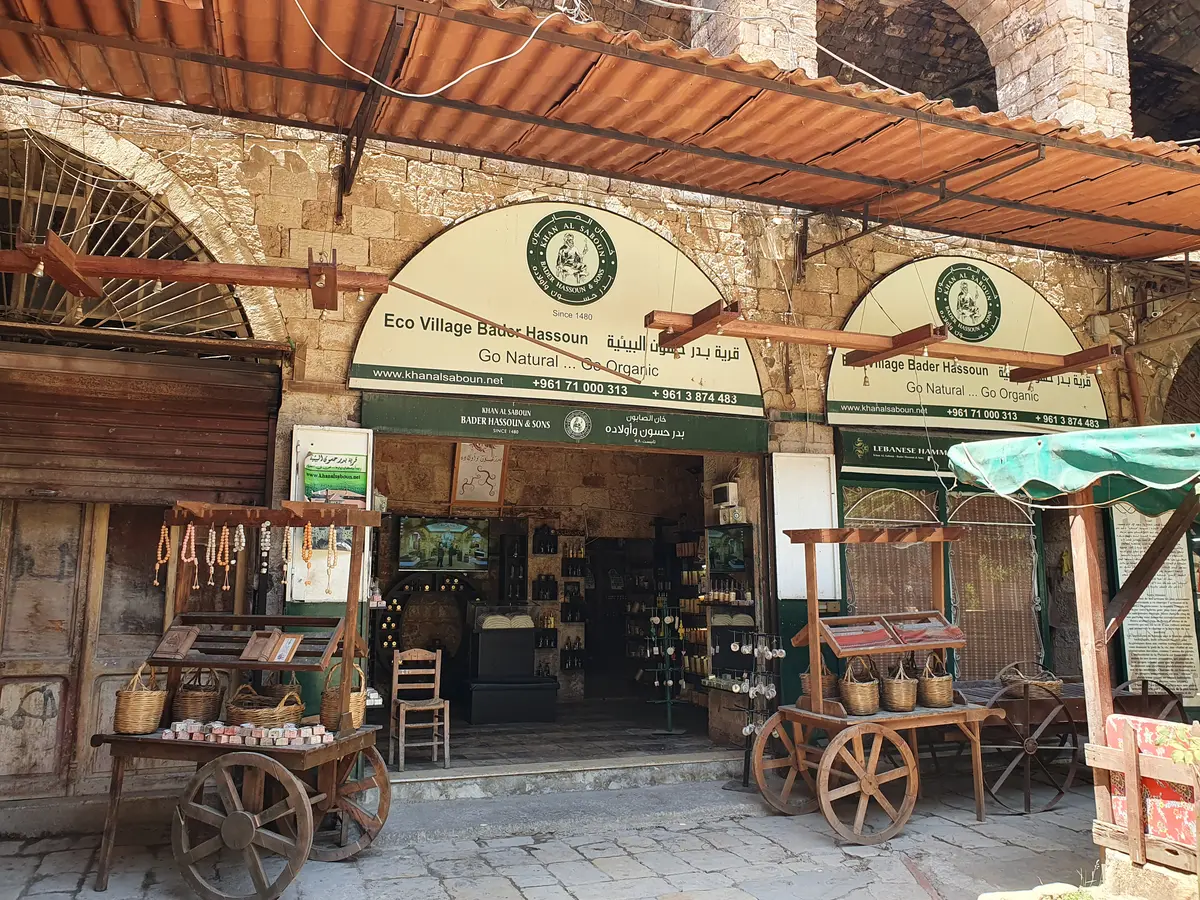
3. Bader Hassoun Eco-Village — the luxury wellness alternative
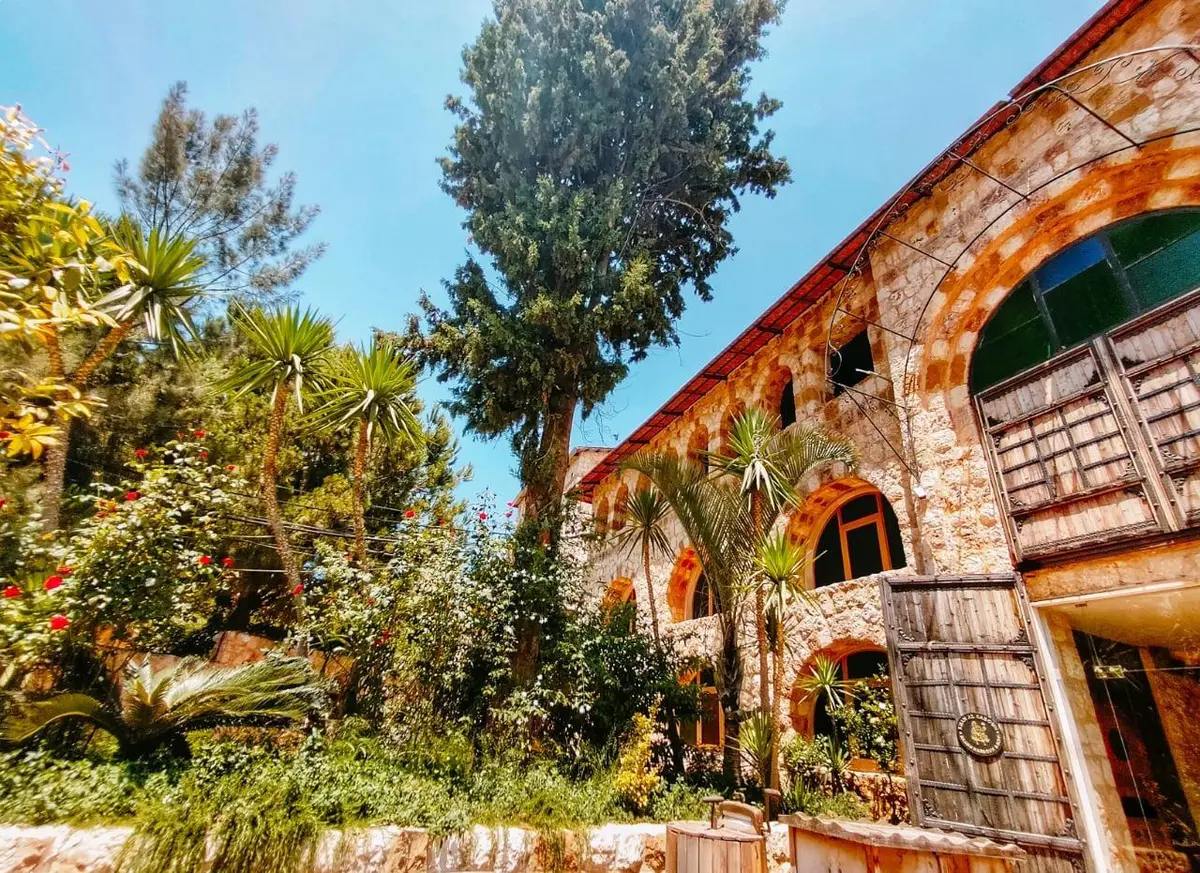
Drive 70 miles (113 km) north of Beirut to Koura, near the village of Rasmaska, and you reach the third option: a 30,000-square-meter (7.4-acre) eco-village built by Dr. Bader Hassoun on land his family has farmed for centuries. The village opened in 2016 after roughly $45 million of investment. It includes organic herb plantations growing rosemary, lavender, and lemongrass; a distillery; an organic spa; an on-site vegetarian restaurant; and the production lab where every bar shipped to Europe, China, and Japan is made.
This is consumption and relaxation, not history. Reviews praise the quality and the setting — terraced gardens with Mediterranean views, the smell of distilled lavender drifting across the parking lot — but prices match the upscale environment. A spa treatment runs more than a guided museum tour and a souvenir bar combined. The restaurant requires advance booking. The accessibility is far better than the medina alleys in Tripoli, which makes this the realistic choice for visitors with mobility issues.
- Location: Rasmaska, Koura district, North Lebanon (about 12 miles / 19 km south of Tripoli)
- Cost: Free to walk the grounds; spa treatments from $60; lunch from $25
- Best for: Wellness travelers, anyone wanting product without souk pressure, accessible visits
- Time needed: Half a day with a meal; 90 minutes for grounds and shopping
Pro Tip: Book the restaurant 24 hours in advance through the Khan Al Saboun website. Walk-in seating is rare and the kitchen runs on what was harvested that morning.
What makes Lebanese soap different from other soaps?
Lebanese soap is built on three ingredients — olive oil, laurel (bay) oil, and lye — and cured slowly without external heat. The active ingredient that distinguishes it from generic Castile soap is the laurel oil, with antimicrobial and anti-inflammatory properties. The percentage of laurel drives both price and use: 5% for daily washing, up to 40% for therapeutic skin conditions.
The other defining feature is the cure time. A real Lebanese bar sits for four to six weeks before it is sold. That patience is what separates artisan soap from industrial detergent.
Cold process versus hot process
This is the philosophical split inside the craft, and it directly affects what you are buying.
- Cold process: Oils and lye mix at room temperature — roughly 86°F to 122°F (30-50°C) — and saponification finishes slowly in the mold over four to six weeks. The result is smooth and creamy, and the long, low-temperature cure preserves vitamin E and antioxidants in the olive oil. This is the purist’s choice. It is also the more expensive method, because storage space and patience cost money.
- Hot process: External heat speeds saponification so the soap finishes in hours instead of weeks. The texture is rustic and thick — soap makers describe it as mashed potato consistency before molding. Production turnover is faster, but the heat degrades therapeutic oil properties and burns off the more delicate fragrances.
Both methods are sold across the three sites. Ask the shopkeeper or guide which one you are looking at — and if they cannot tell you, that is information in itself.
The three ingredients that define a Levantine bar
- Olive oil (zayt zaytoun): Sourced from groves in Koura and South Lebanon. This is the base, carrying the vitamin E and the deep moisturizing weight.
- Laurel oil (zayt ghar): The active ingredient, distilled from the berries and leaves of Laurus nobilis. The laurel percentage is the single biggest factor in pricing and effect — a 40% laurel bar can cost six times what a 5% bar costs.
- Soda ash or lye (qilw): The catalyst. Historically derived from barilla plants along the Jordan River; modern production uses standardized sodium hydroxide for safety and consistency. Honest soap makers will admit the shift.
How do you choose the right Lebanese soap to buy?
Match the soap to your skin and purpose. For sensitive skin, choose a high-olive-oil, low-fragrance, cold-process bar — ask for Sharkass or Salma by name. For eczema or acne, get a laurel percentage above 20%. For daily washing, a 5% laurel bar costs a fraction. For travel gifts and the best Lebanese souvenirs to take home, buy from a museum boutique with proper packaging rather than a souk paper wrap.
Pricing benchmarks from across the three sites:
- Loose bars in the Tripoli souk: $1 to $5 depending on weight and laurel content
- Standard 200g cold-process bar from a museum boutique: $7 to $12
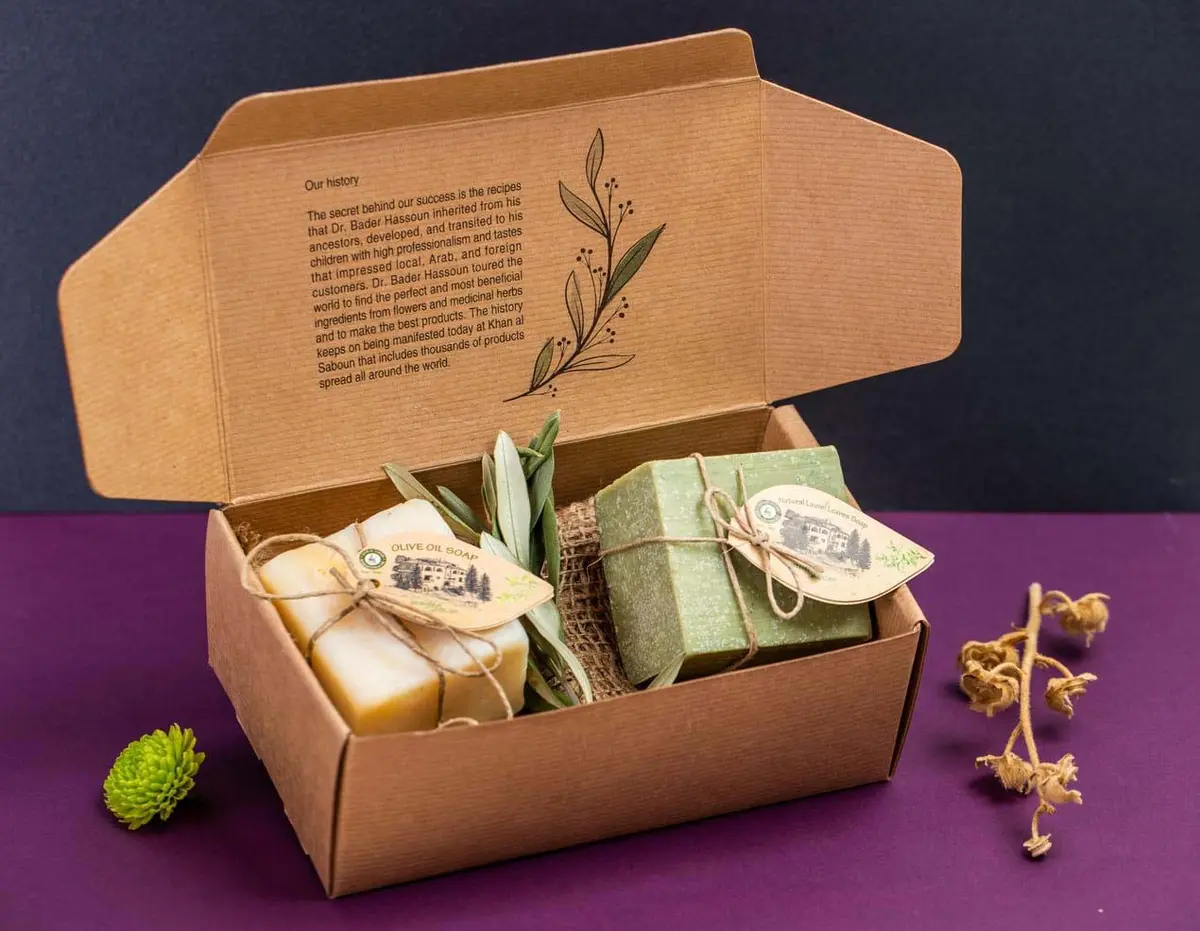
- Three-piece luxury gift set: around $47
- High-end sets with rare oils, decorative packaging, or extracts: $80 to over $100
Even the boutique prices run a fraction of what the same Khan Al Saboun and Audi Foundation soaps cost at export — a 200g bar that sells for $9 in Sidon will retail for $25 to $35 in Paris or New York. That gap is the real reason to buy on site.
How do you get from Beirut to the soap museums?
Sidon and Tripoli are both day-trippable from Beirut, but the routes differ. Sidon is south, with shared vans leaving Cola Intersection. Tripoli is north, with the Connexion bus running from Charles Helou Station every 15 to 20 minutes. The Bader Hassoun Eco-Village in Koura needs a private driver — there is no direct public transport. Uber operates in Beirut.
Beirut to Sidon (45 minutes south)
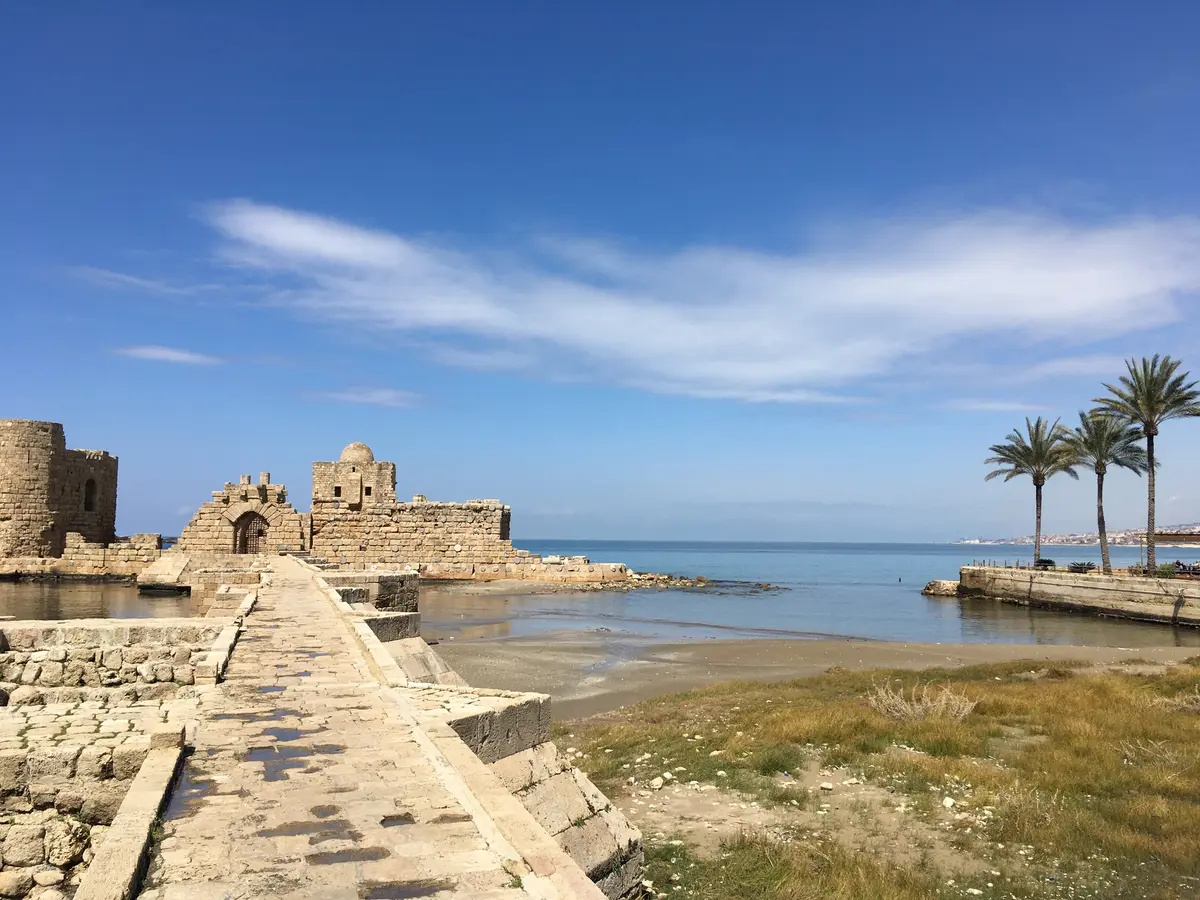
- Shared van from Cola Intersection: Roughly $2 per person. Vans leave when full, with frequent departures. Ask for “Saida.” The driver can drop you on the highway in front of the Sea Castle, a two-minute walk from the soap museum.
- Private taxi: Around $40 to $60 one-way for the 25-mile (40 km) drive. Hotels can call a trusted driver.
- Uber or Bolt: Available, but coverage outside Beirut city limits is patchy. Confirm before relying on it for the return.
- Guided day tour: $80 to $130 per person, usually combined with the Sea Castle, Khan el Franj, and Tyre.
Beirut to Tripoli (90 minutes north)
- Connexion bus from Charles Helou Station: The most reliable public option, departing every 15 to 20 minutes. Around $3 to $5. The bus drops at the central Tripoli terminal, a 15-minute walk or quick taxi to the medina.
- Estephan or LCC bus from Dora roundabout: Cheaper and more frequent, but less comfortable.
- Private taxi: $80 to $120 one-way.
- Guided tour: Strongly recommended for first-time visitors to Tripoli (see safety section below).
Pro Tip: For Sidon, the shared van drops you on the highway near the Sea Castle, not at a station. Watch for the castle out the window and tell the driver “Saida castle” before you board. Otherwise you will end up at the southern bus terminal, a 15-minute walk back into town.
Is it safe to visit Lebanese soap museums right now?
The honest answer to whether Lebanon is safe for American tourists has changed. The US State Department holds Lebanon at Level 4 “Do Not Travel” for crime, terrorism, kidnapping, and armed conflict risk. The UK FCDO advises against all travel to the city of Tripoli specifically and against all but essential travel to most other areas. These are the highest-level advisories both governments issue, not the “reconsider” warnings the region carried in past years.
That changes the calculus for anyone planning a soap-museum trip. Travel insurance is typically invalidated when you travel against your government’s advice. Consular assistance is severely limited. The security situation can deteriorate quickly with little warning, and commercial flight options out of Beirut have been disrupted on short notice in recent escalations.
Practical advice if you choose to go:
- Hire a vetted private guide for any trip to Tripoli — do not navigate the medina solo as a first-time visitor.
- Avoid Palestinian refugee camps, the Bekaa Valley, the southern border region, and Beirut’s Dahieh suburb entirely.
- Register with your embassy on arrival. Americans use STEP; British nationals register through GOV.UK.
- Carry a paper copy of your passport, your itinerary, and your embassy contact at all times.
- Confirm departure flights 24 hours before you leave the country, and have a backup overland route to Beirut airport.
If your interest in Lebanese soap is the soap itself rather than the trip — and current travel insurance for Lebanon will not pay out for the journey anyway — the Audi Foundation ships internationally and several Hassoun and Sharkass products sell through US and European specialty retailers.
Before you book
TL;DR: Sidon’s Soap Museum is the polished one-hour introduction at $1.50 entry, ideal for first-time visitors. The Khan Al Saboun in the Tripoli medina is the working market with the best souk prices but heavy sales pressure and a serious travel advisory. The Bader Hassoun Eco-Village in Koura is the luxury wellness option with the best accessibility. Buy at least one cold-process, 20%+ laurel bar wherever you go — it will outlast every supermarket bar in your bathroom.
Which of the three sites sounds most like your kind of trip — the structured museum, the working medina, or the eco-village retreat? Drop a comment with your itinerary and I will tell you which soap maker to ask for by name.