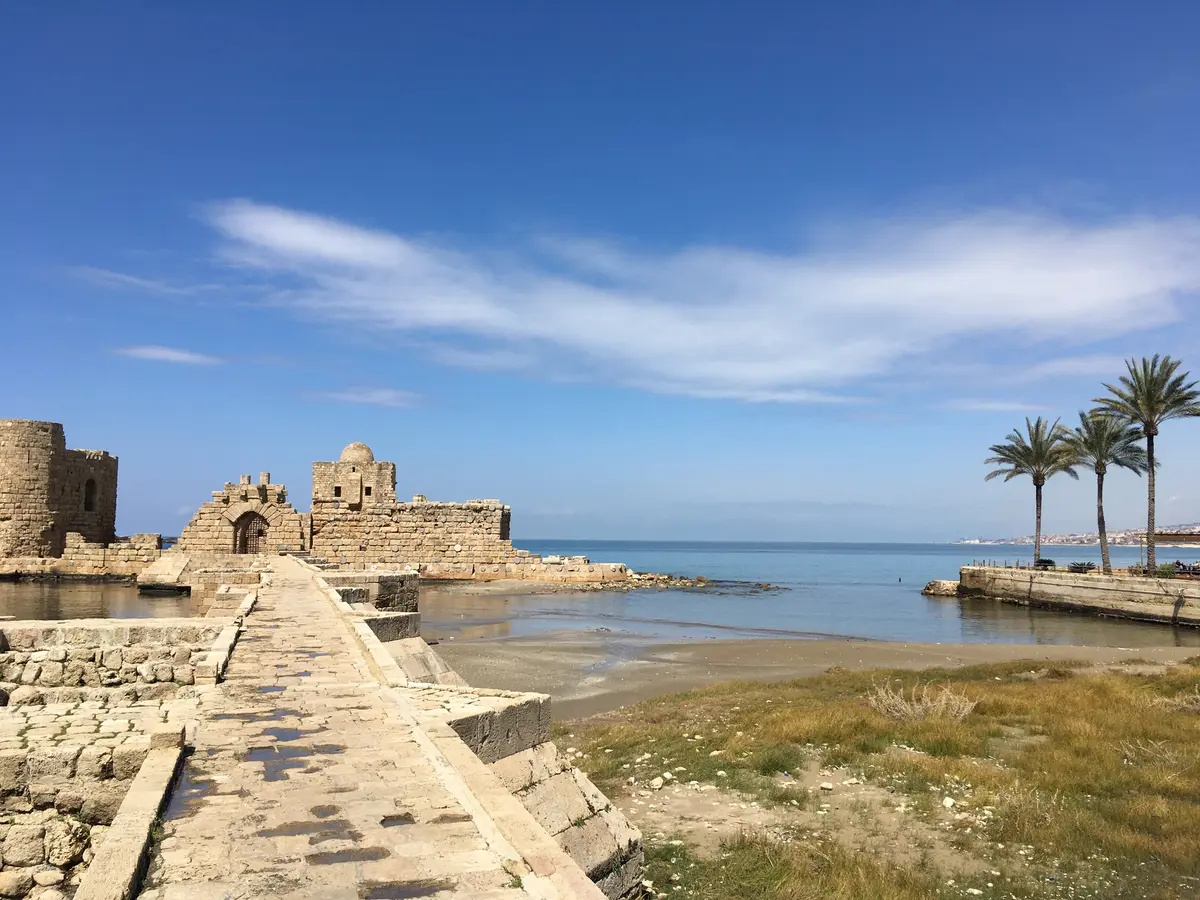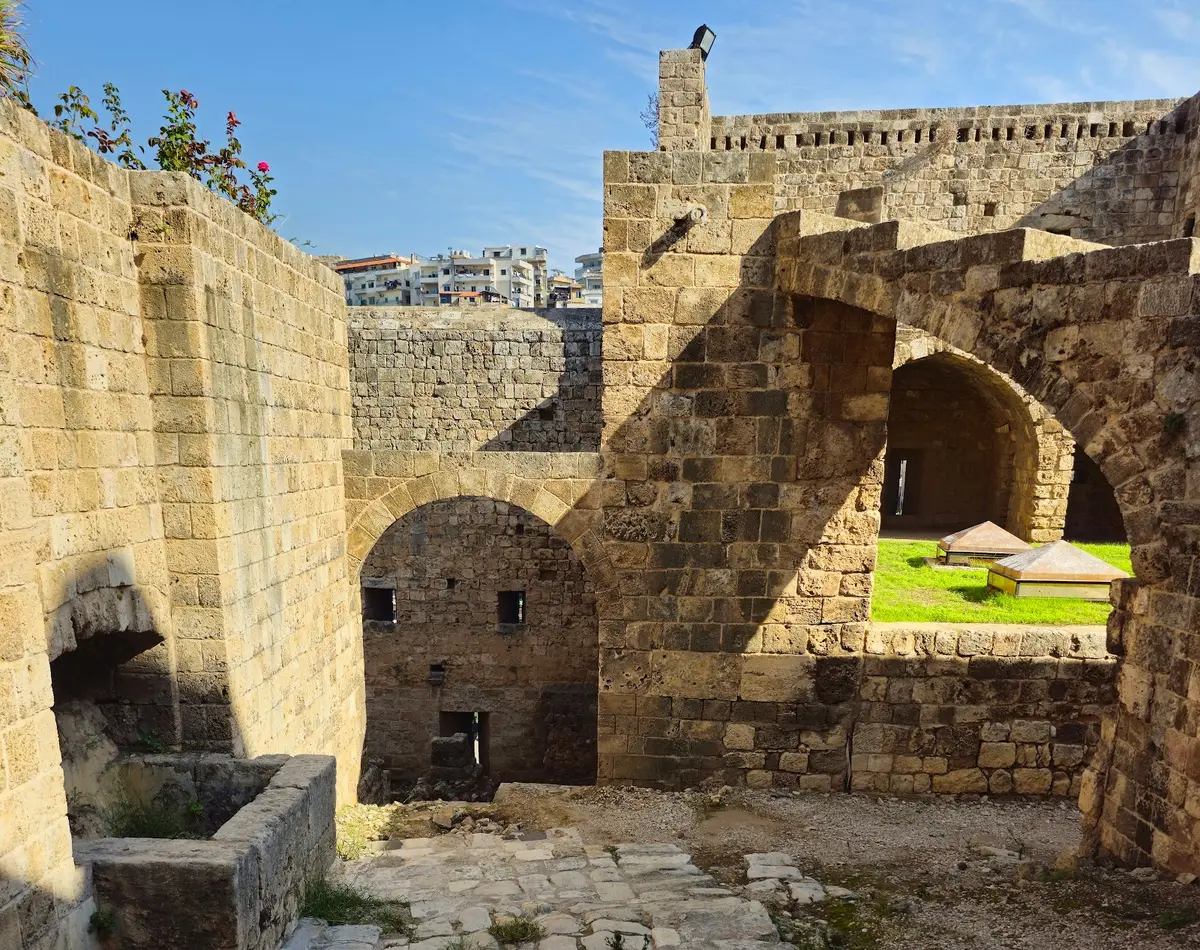
Ramadan in Lebanon for tourists is nothing like the dawn-to-dusk shutdown you’ll find in the Gulf. You can break the fast at sunset in a 14th-century souk in Beirut, then end the night at a Batroun beach club with a drink in your hand. This guide covers what’s open, where to eat, what to wear, and the safety reality you need to face before booking.
Is it safe to visit Lebanon for Ramadan right now?
Lebanon’s security situation is volatile and shifts within days. The US, UK, Canada, and Australia all advise against all travel to large parts of the country, including the south, the Beqaa Valley, Beirut’s southern suburbs, and the city of Tripoli. Most travel insurance is voided when you fly against an advisory. Check your government’s current guidance before booking and again 24 hours before flying — and read up on whether Lebanon is safe for American tourists closer to your departure, since the answer can flip in 48 hours.
Pro Tip: Enroll in your home country’s travel registration program (STEP for the US, LOCATE for Australians, ROCA for Canadians) before you fly. Embassies use these lists when they organize evacuations, and Lebanon has needed several in the past five years.
What should you sort out before booking a trip to Lebanon?
Before you book, you need to understand three things: Lebanon runs on cash dollars, electricity is unreliable, and the security map changes by the week. Get these wrong and your trip falls apart on day one. Get them right and you’ll move around the country like a local who knows where the friction points are.
How the dollar-only cash economy works
Lebanon’s banking sector collapsed in 2019 and never recovered, so the country runs on physical US dollars. Customer deposits in Lebanese banks dropped from $172 billion in 2009 to about $88 billion, and most of those deposits are still frozen. The cash economy now accounts for nearly half of GDP. What this means for you on the ground:
- Bring crisp, unmarked US bills. Notes printed before 2013, torn bills, ink stamps, or marker scribbles get rejected at the cash register. I’ve had a $50 bill refused for a single tear at the corner.
- Bring small denominations. Stack $1, $5, $10, and $20 notes. Splitting a $100 for a $4 manakish at 2 a.m. is awkward.
- Forget your credit card. Cards work at five-star hotels and a handful of upmarket restaurants — and the exchange rate they apply is usually punitive. Carry cash for 90% of what you’ll do.
- Skip the ATMs. They dispense Lebanon’s currency, the lira, at unfavorable rates, and it has lost over 98% of its value since 2019.
Pro Tip: Order your dollars in the United States or Europe before you fly. Lebanese exchange shops will charge you to break $100s into smaller bills, and pristine notes are harder to source locally.
Electricity, generators, and SIM cards
Daily power cuts in Lebanon mean the state grid delivers only a few hours of power most days, so the entire country runs on private diesel generators. When you book a hotel, ask in writing whether the property has 24/7 generator coverage and whether that includes the air conditioning and Wi-Fi — not just the hallway lights. Budget hotels often cut power to rooms during the daily generator switch-off window.
Two carriers serve the tourist-facing SIM card setup: Touch (Zain-managed) and Alfa (Orascom-managed).
- Touch Visitor Line: $19 for the SIM with a 2-week starter bundle (10 GB data, 100 minutes, 100 SMS). Renewable for $39.
- Alfa365: Tourist-targeted SIM, similar pricing and structure.
- Where to buy: Skip the CityFone kiosk in the Beirut airport arrivals hall — the markup is significant. Pick up a SIM at any official Touch or Alfa store in the city instead. Bring your passport.
- eSIM option: Airalo sells a Lebanon eSIM from about $9.50 for 1 GB / 7 days. Useful for the airport-to-hotel journey before you can reach a real shop.
You’ll need data constantly. Google Maps is the only reliable way to navigate streets that don’t always have signage, and ride-hailing apps (Bolt, Careem) are how you’ll move around Beirut after dark.
Where it’s currently safe to go (and where it isn’t)
Travel advisories at the time of writing keep changing, but the consistent off-limits areas are: the entire south of the country (everything south of Saida), the Beqaa Valley, the Beirut southern suburbs (Dahieh), Akkar in the far north, the Lebanon-Syria border zone, and all 12 Palestinian refugee camps. Tripoli is also under the highest UK FCDO warning. The road to Beirut Rafic Hariri International Airport runs through the southern suburbs and has been intermittently closed.
When the security situation calms, the historic tourist circuit runs along the central coast: Beirut, Byblos, Batroun, and (when stable) Sidon and Tripoli for day trips. None of these are guaranteed safe in any given month — the conditions described below assume a ceasefire is holding.
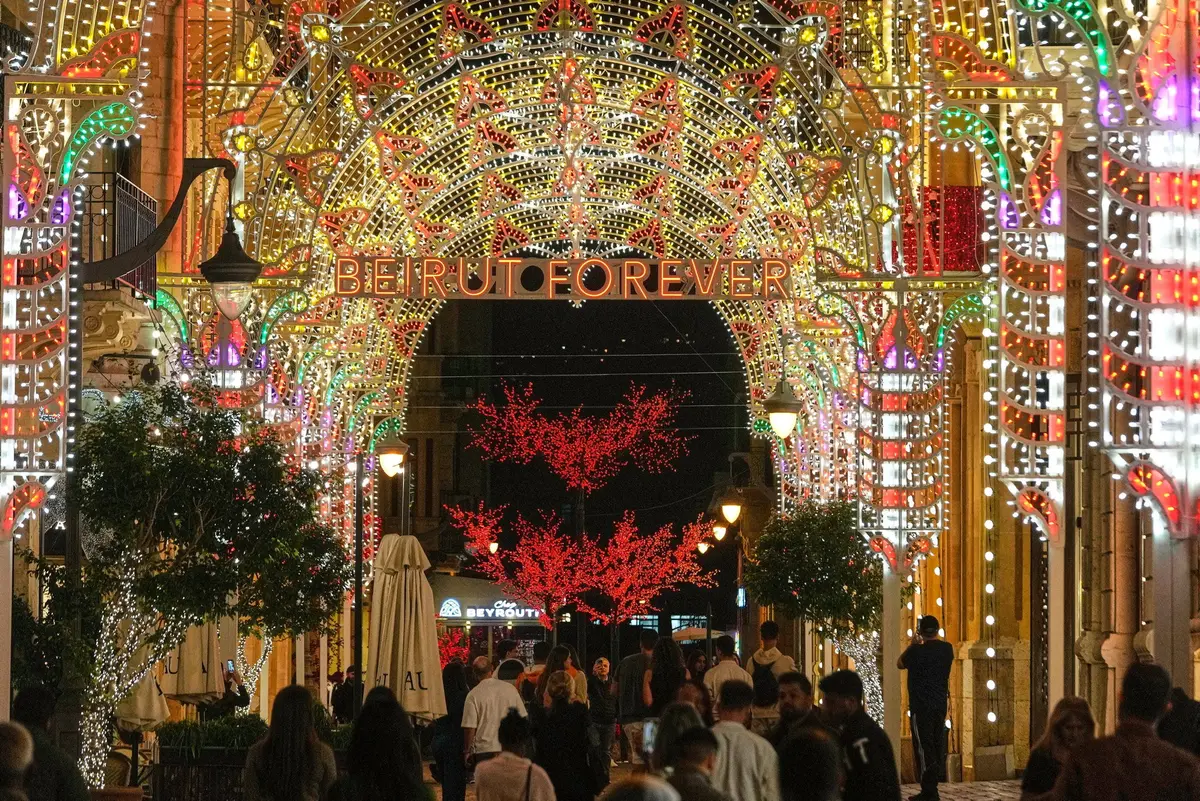
1. Beirut — two cities observing Ramadan side by side
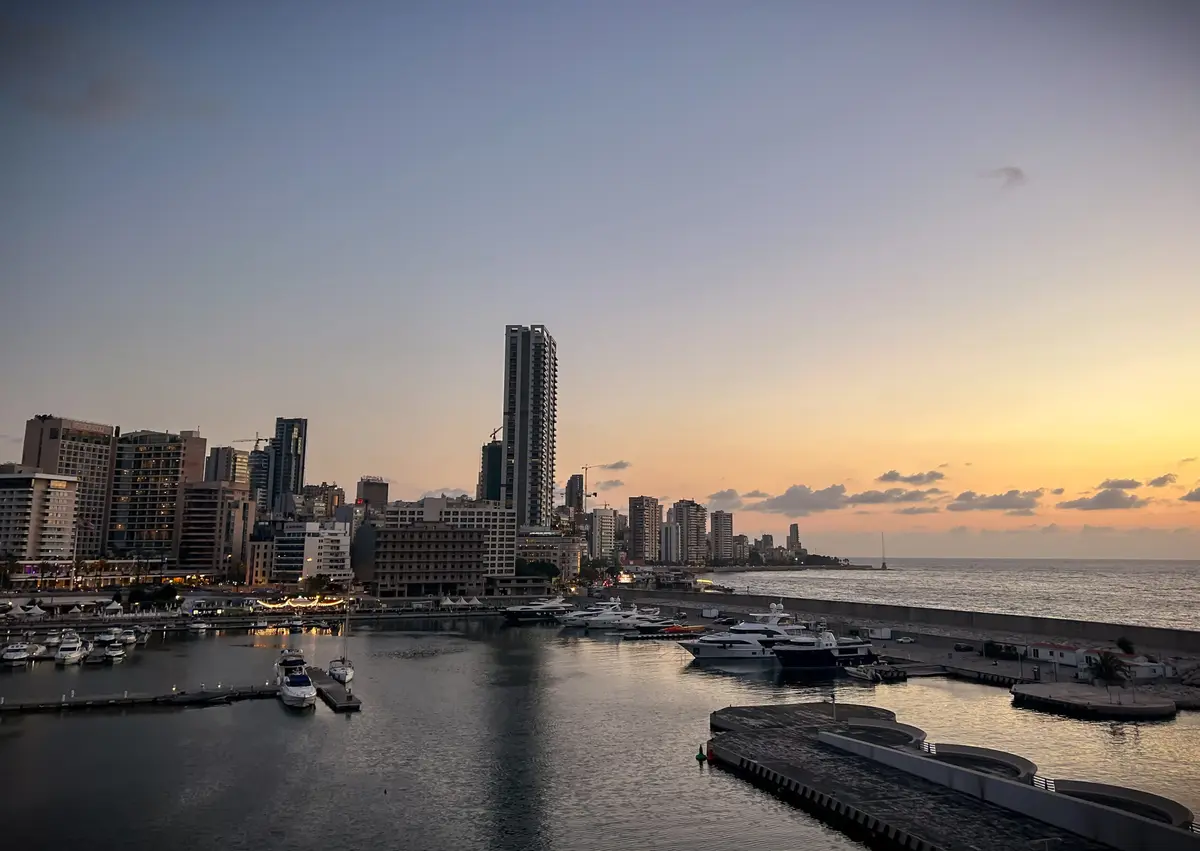
Beirut splits into two parallel cities depending on which side of the old Green Line you’re standing on, and that split is what makes Ramadan in Lebanon for tourists so unusual here. Walk 15 minutes east from a Hamra cafe where everyone is fasting and you’ll be in Mar Mikhael ordering a cocktail at lunch.
- Location: Lebanon’s capital, on the Mediterranean coast
- Cost: Mid-range hotel from $90/night with 24/7 generator; iftar at a hotel tent $40–$80 per head
- Best for: Travelers who want both the religious atmosphere and a normal nightlife within a 10-minute taxi ride
- Time needed: 2–3 nights
West Beirut vs. East Beirut
West Beirut neighborhoods like Hamra, Verdun, and Tariq el Jdideh observe the fast. Eating, drinking, and smoking on the street during daylight is socially frowned upon and you’ll get visible disapproval if you do it. The streets quiet down between morning and sunset. Then the maghrib call to prayer detonates the whole rhythm: by 8 p.m., these same streets are running on shisha smoke and all-night cafe traffic.
In East Beirut — Gemmayze, Mar Mikhael, Achrafieh, Geitawi — the rulebook flips. These are predominantly Christian neighborhoods. Cafes serve lunch, bars pour drinks at noon, and life looks identical to any other month. If you’re not fasting and don’t want to perform the etiquette every day, base yourself in East Beirut and visit West Beirut after sundown.
Pro Tip: The walk from Hamra to Gemmayze is about 30 minutes through downtown — fine in daylight, less appealing after midnight. A Bolt across town is usually $4–$6.
How Ramadan tents (Kheyameh) work
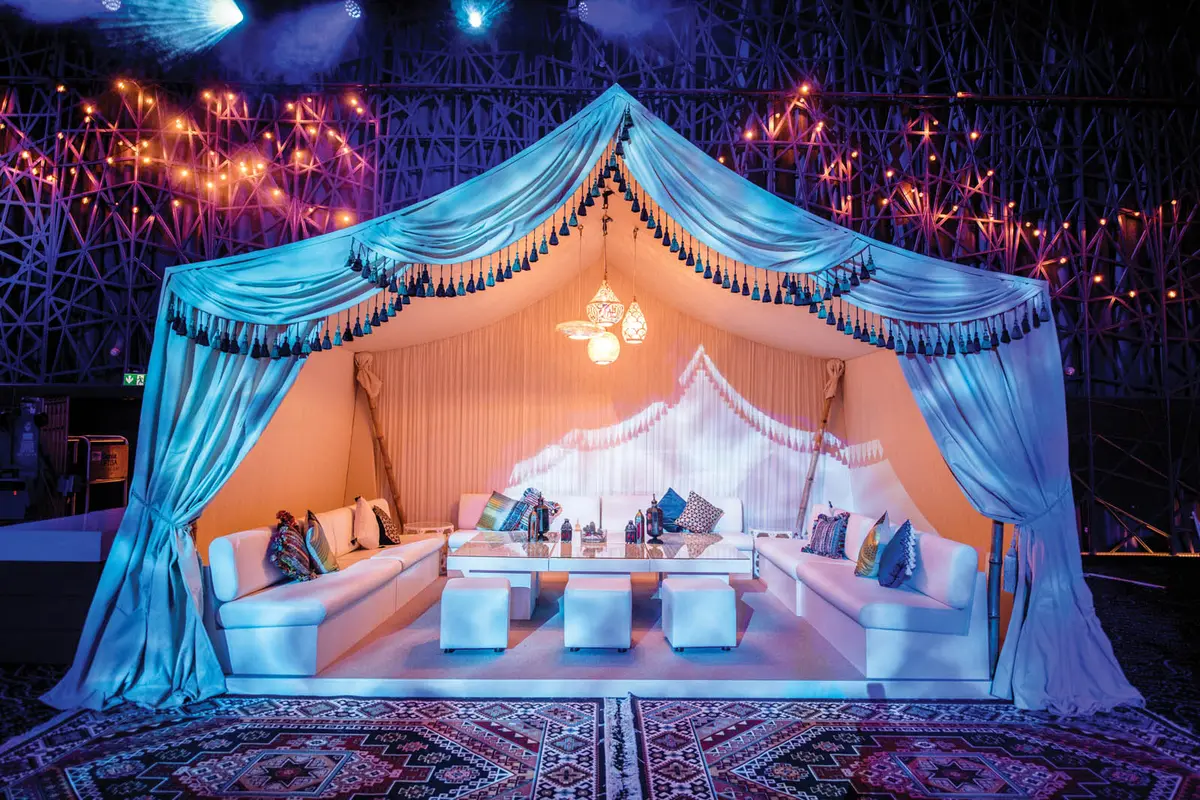
Hotel ballrooms and outdoor gardens get transformed into elaborate pop-up dining venues called Kheyameh — heavy drapery, low arabesque lighting, sometimes live oud players. The brand names rotate every year (Secret Garden one year, something else the next), so don’t try to book a specific tent from a guide that’s a year old. Instead, search the week before you arrive for “Beirut Ramadan tents” plus the year and look at what the major hotels — Phoenicia, Four Seasons, Le Gray — have set up.
Three things are consistent across these venues:
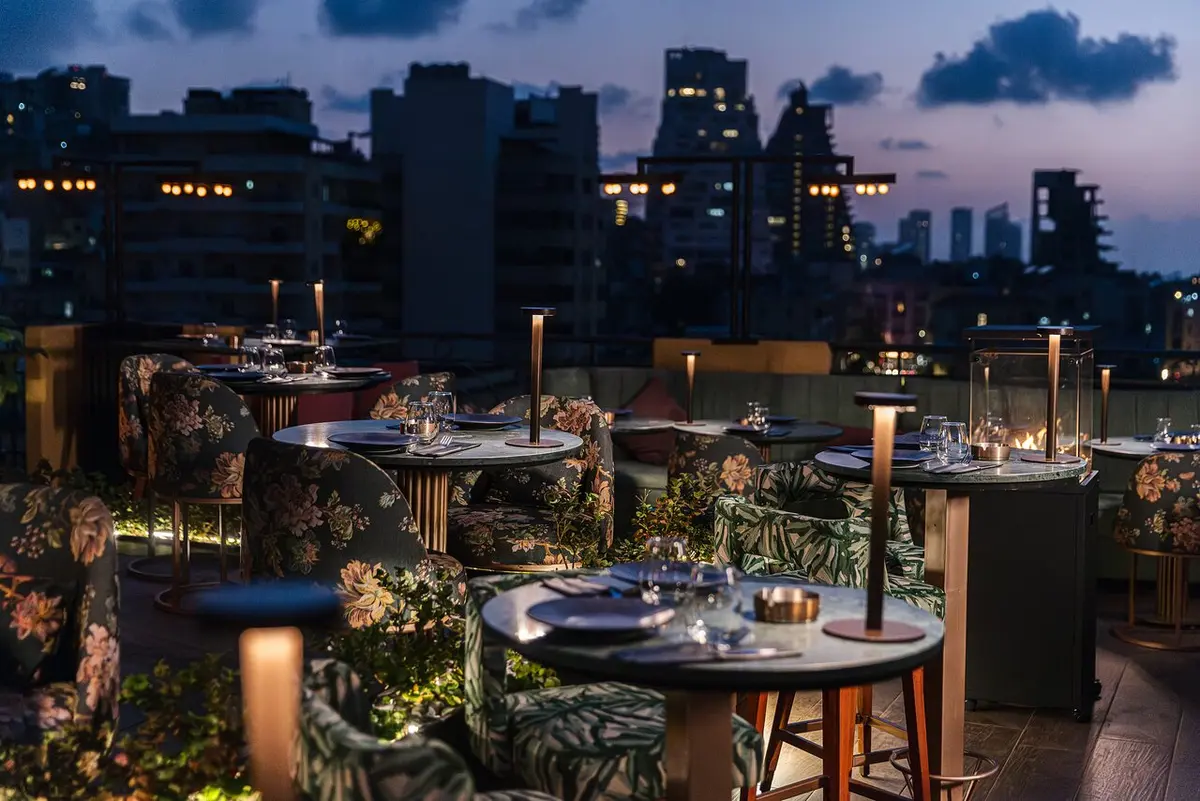
- Set menus. Expect $40–$80 per person, sometimes $120+ at the luxury end, including drinks (non-alcoholic in Muslim-owned venues, full bar at international hotel chains).
- Booking is mandatory. Walk-ins get turned away on the busy nights, especially weekends and the last 10 days of Ramadan.
- Dress code. Smart casual minimum. Some hotel tents enforce no-shorts rules even during the day.
Late-night fuel in Hamra
For the unfiltered late-night version of Ramadan in Lebanon for tourists, go to Barbar on Piccadilly Street in Hamra. Open 24/7 since the early 1980s, it turns into a nocturnal fuel station between 1 and 4 a.m. — the Hamra street food scene at its purest, with manakish out of the oven, shawarma carved by exhausted men in white aprons, and freshly squeezed juice in plastic cups. A cheese manakish runs about $2; a beef shawarma sandwich about $3. Two platters with drinks for two people is around $25. The hum of conversation hits a peak around 2:30 a.m. and doesn’t really drop until dawn.
2. Tripoli — Lebanon’s Ramadan capital
If Beirut is the brain of this country, Tripoli is the heart of Ramadan in Lebanon for tourists — assuming you can safely reach it, which has not been the case lately. Located 50 miles (80 km) north of Beirut, Tripoli is Lebanon’s second city and undisputed Ramadan capital, with traditions you won’t find this preserved anywhere else along the coast.
- Location: Northern Lebanon, on the coast
- Cost: Guesthouse from $40/night; meals under $10
- Best for: Travelers who want the most traditional and visually rich version of Ramadan in the country
- Time needed: Day trip (4–5 hours on the ground) or one overnight
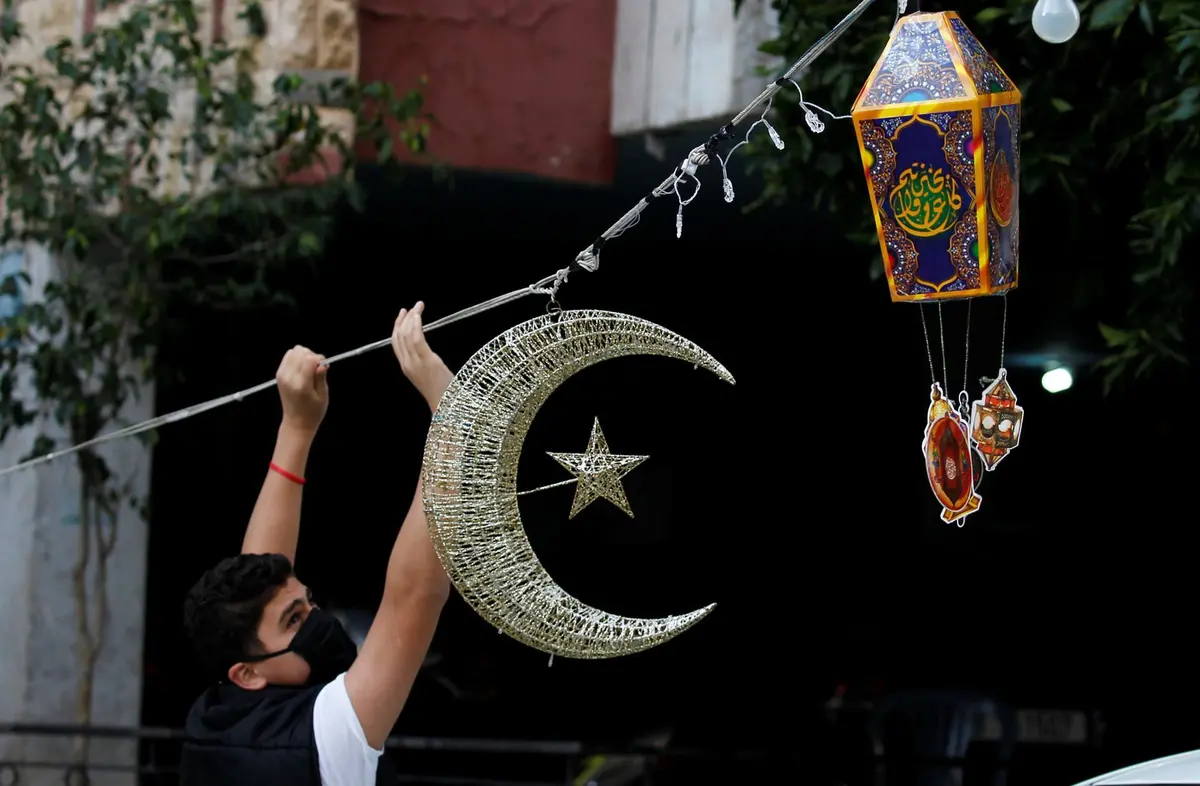
The decoration competition in the Old City
Neighborhoods compete every year for the most elaborate displays. The medieval Tripoli Citadel gets lit with thousands of lanterns and fairy lights, and the souks in the Old City become a corridor of suspended decorations layered above the ancient stone arcades. Walk through Souk al-Atarine (the spice market) after sundown and you’ll see the contrast at full force: dim alleys, vendors lit by single bulbs, the smell of cumin and roasting coffee, and overhead a canopy of thousands of dangling lights. This is the version of Ramadan that’s worth the effort to reach.
Where to eat the sweets you can only get this month
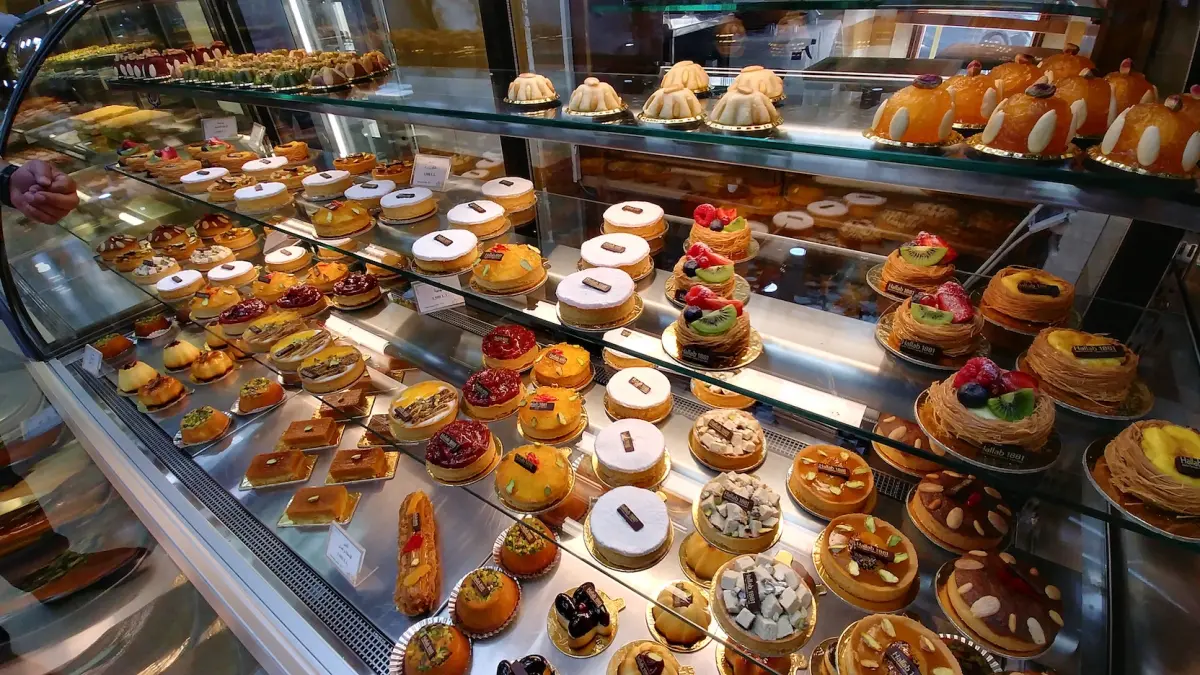
Your pilgrimage destination is Kasr el Helou — the Palace of Sweets — run by Abdul Rahman Hallab & Sons since 1881. The original is on Riad al-Solh Street near al-Tal Square. Production manager Amer Omar told the Arab America journal that demand quadruples during the holy month.
What to actually order:
- Kellaj. Available only during Ramadan. Phyllo dough wrapped around fresh ashta cream, fried, soaked in syrup, sprinkled with crushed pistachio and candied orange blossom. Served warm. Eat it within 15 minutes of buying or it goes soggy.
- Halawet el-Jibn. A delicate cheese-and-semolina dough rolled around ashta, dusted with pistachios. Tripoli’s specialty — locals from Beirut drive 90 minutes for this.
- Mafroukeh. A semolina-and-pistachio cake topped with ashta. Heavy, rich, designed for after iftar.
Pro Tip: Watching the operational mastery here is half the experience. Tray after tray comes out of the kitchen carried high above shoulder level. Sit at a table inside the Palace section rather than ordering takeaway and you’ll get a coffee comped while you watch the floor.
Wake-up drummers (the musaharati)
Tripoli still preserves the musaharati tradition — drummers who walk the alleys around 3 a.m. to wake people for suhoor, the pre-dawn meal. This has died out in Beirut and most other Lebanese cities, which is what makes it remarkable here. Stay at a small guesthouse in or near the Old City and you’ll wake to the rhythm of a single drum echoing down stone walls — a sound that has barely changed in centuries.
3. Sidon — coastal heritage at a slower pace
Sidon (Saida in Arabic) is the calmer, more contained version of Tripoli. The action centers on the ancient harbor and the medieval old town, and the scale is small enough to walk in one evening. Note that under current advisories, the area south of Sidon is off-limits and the city itself sits at the edge of the warning zone.
- Location: 25 miles (40 km) south of Beirut, on the coast
- Cost: Street food $3–$8 per meal; Sidon Sea Castle entry approximately $5
- Best for: Families who want a contained, manageable Ramadan experience without the intensity of Tripoli
- Time needed: Day trip (3–4 hours)
Khan el-Franj after sunset
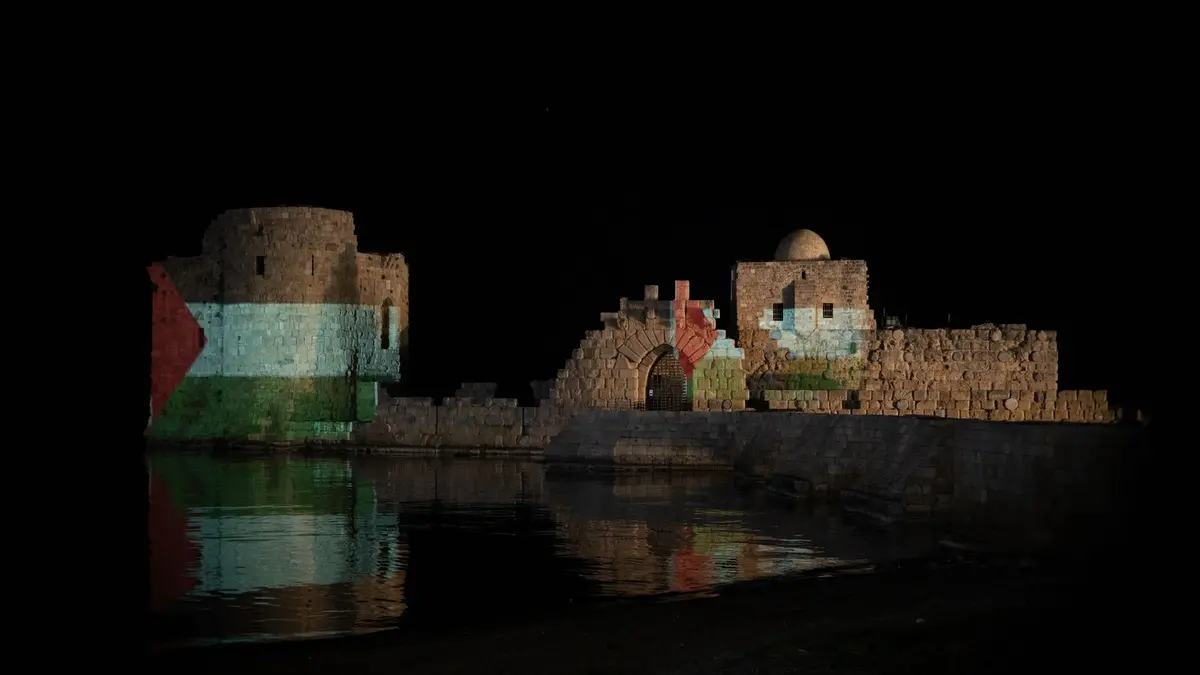
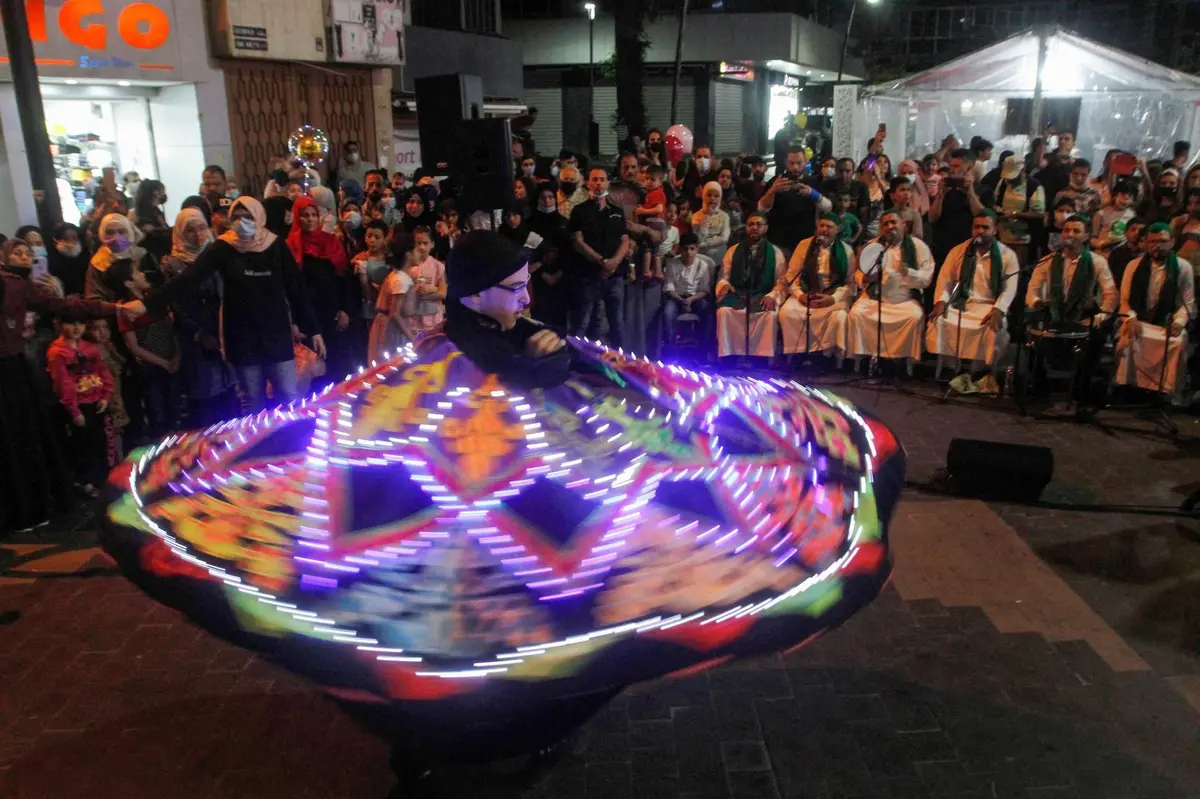
Khan el-Franj — the Caravanserai of the French, built in the 17th century to house French silk traders — becomes a cultural hub after iftar. Whirling Dervish performances and light shows projected onto the limestone walls run several nights a week throughout the holy month. The space is enclosed by the Khan’s two-story arcade, which makes it feel safer and more contained than the open streets of Tripoli — the right call if you’re traveling with kids or feeling crowd-shy.
Cheapest street food in the country
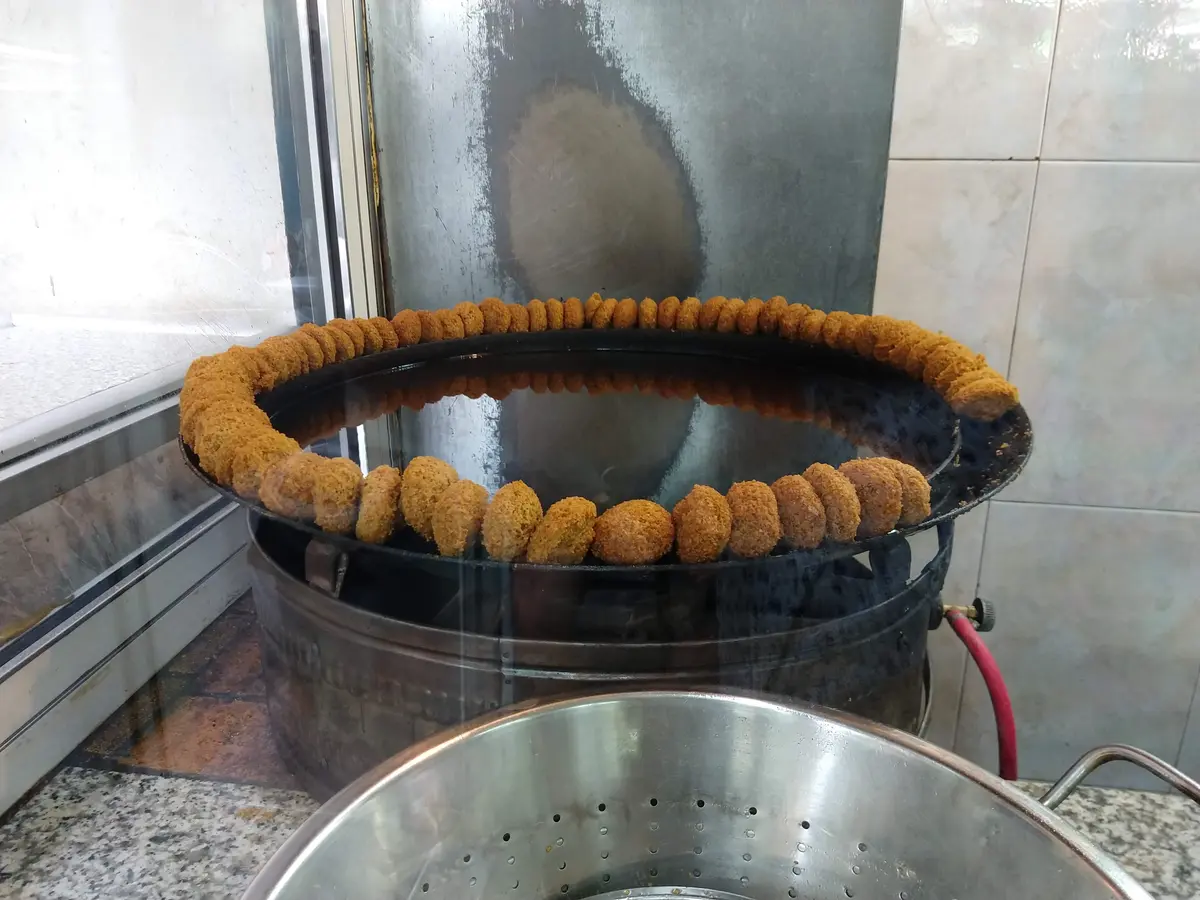
Sidon is where the budget version of Ramadan in Lebanon for tourists actually delivers. Falafel from a street cart runs $2 a sandwich. A bowl of foul (slow-cooked fava beans with lemon, garlic, olive oil) runs $3–$4. A full sit-down dinner with mezze for two people rarely tops $20. Al Baba sweets (a Saida institution dating back generations) makes a kellaj and ashta-filled chocolate warbat that’s worth detouring for.
4. Byblos and Batroun — the secular pressure valve
Every Ramadan trip needs a pressure valve, and Lebanon’s Christian-majority coastal strip is it. Byblos (Jbeil) and Batroun stay in business-as-usual mode all month — restaurants serve lunch, bars pour wine, beach clubs run their usual program. Use them strategically for the days when you need a normal lunch and a glass of something cold.
- Location: 25 miles (40 km) and 35 miles (55 km) north of Beirut respectively
- Cost: Seafood lunch in Byblos $30–$50 per head; Batroun beach club day pass $15–$30
- Best for: Travelers who want to combine Ramadan immersion with normal coastal Lebanon
- Time needed: Half day for Byblos; overnight for Batroun
Lunch and wine in Byblos
Byblos is one of the oldest continuously inhabited cities in the world, with a Crusader castle perched directly above a small fishing harbor. The restaurants along the Old Port — Pepe Abed, Bab el Mina, Locanda à la Granda — serve lunch and alcohol openly throughout Ramadan. A grilled fish lunch with arak and salads runs about $40 per person. You can knock out the castle, the Phoenician ruins, and lunch in three hours and be back in Beirut by sunset.
Nightlife in Batroun, then over to Tripoli
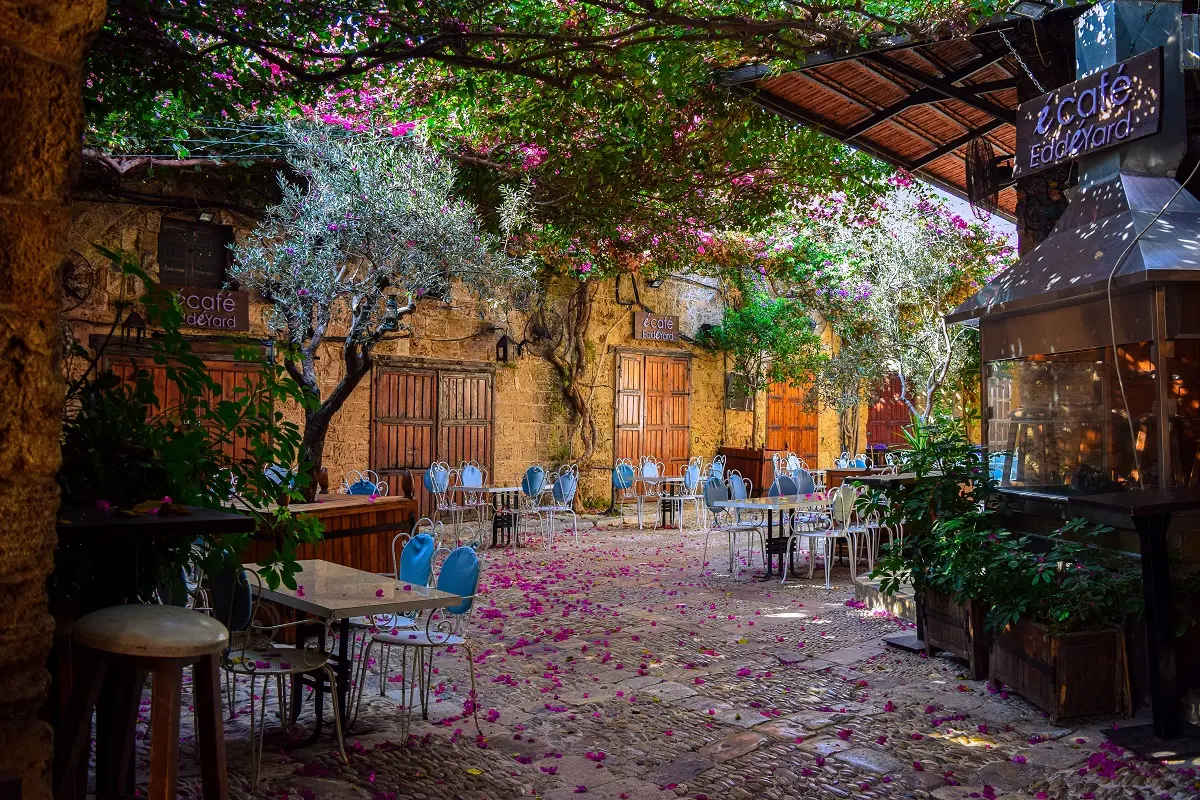
Batroun has displaced Beirut for younger Lebanese as the it-summer-town, and during Ramadan it stays exactly the same as the rest of the year. The best beach clubs in Batroun — Lazy B, Pierre and Friends, Colonel Beach — operate as usual; bars on the old town’s stone streets serve until 3 a.m. The strategic angle: Batroun sits 15 minutes south of Tripoli on the coastal highway. If conditions allow Tripoli, you can spend your day in Tripoli for the Ramadan atmosphere and your night in Batroun for the bar scene. No other base in Lebanon lets you toggle that easily between the two worlds.
Pro Tip: Colonel Brewery in Batroun is the only Lebanese microbrewery that opens its tasting room year-round during Ramadan. A flight of four beers runs about $12.
What does an iftar in Lebanon actually look like?
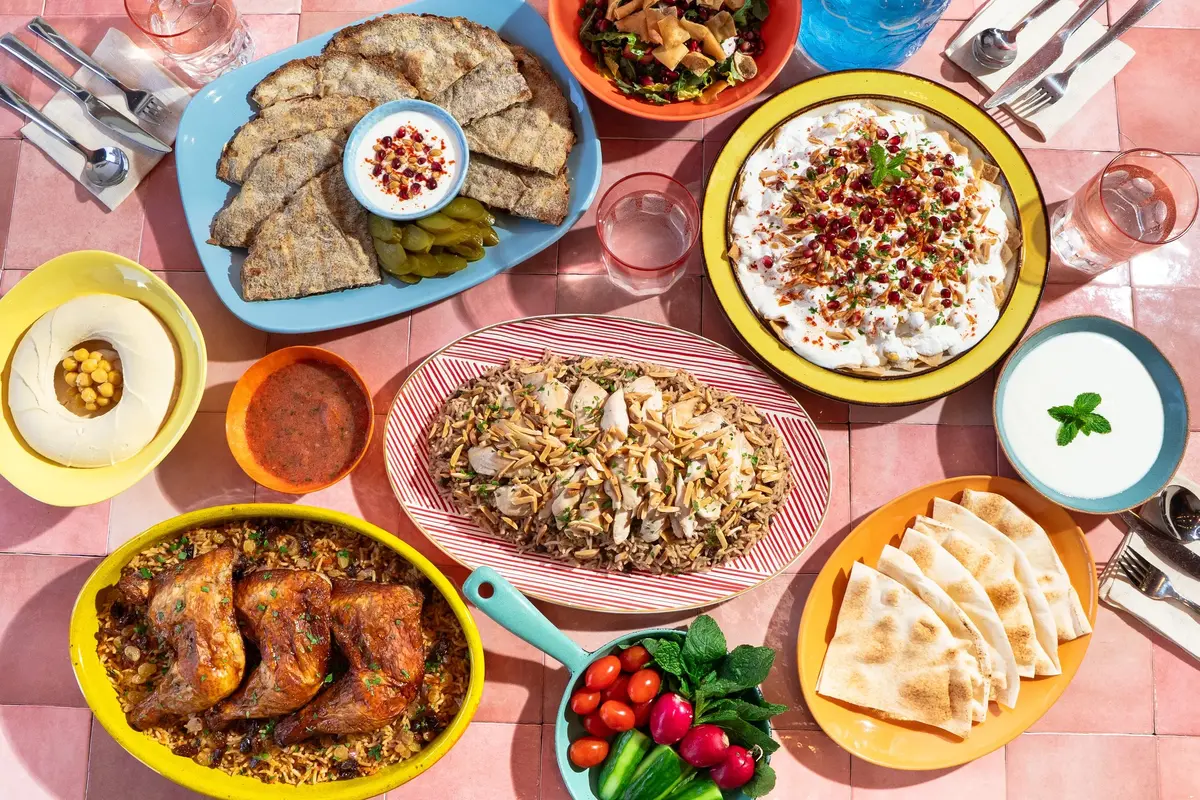
Iftar in Lebanon is a sequenced ritual, not a meal. It opens with a single date and a sip of jallab (a syrup of grape molasses, dates, and rose water topped with pine nuts and crushed ice), then builds through soup, salad, mezze, and a main course over 60–90 minutes. Tourists who treat it as a single course and bolt the food miss the point entirely.
The typical sequence:
- The break: One date and a sip of jallab or laban (yogurt drink). Eaten the moment the sun sets.
- The soup: Lentil soup (shorbet adas) to gently warm the stomach after a day without food.
- The mezze: Fattoush (sumac-dressed bread salad), hummus, baba ghanoush, kibbeh, sambousek — the staples of Lebanese cooking. Served all at once, eaten with bread.
- The main: A substantial dish — often sayadieh (spiced rice with fish and caramelized onions), lamb ouzi (slow-cooked lamb over rice with peas and pine nuts), or a fattet (yogurt-and-bread layered dish).
- The sweet: Kellaj or halawet el-jibn from a Tripoli sweetshop, served with Arabic coffee.
The most memorable iftars happen in private homes, not in restaurants. If a Lebanese person invites you to their family’s iftar, accept immediately — even if you have to cancel another booking. That’s the peak of the experience and you can’t reverse-engineer it from a hotel buffet.
How does suhoor turn into a nightlife event?
Suhoor is the pre-dawn meal eaten before the fast resumes at first light, and in Lebanon it has been gentrified into a full evening out. Suhoor tents and nightclub-restaurants run from about 10 p.m. to 3 a.m., serving small plates, shisha, and live music — usually an oud player, sometimes a singer doing Fairuz covers, occasionally a full Tarab band. The energy peaks around 1 a.m., when the street outside is dead but inside the room is full of people eating, smoking, and playing taroua and tawla (backgammon).
A suhoor tent runs about $30–$50 per head for food and shisha (no alcohol in Muslim-owned venues). Reservations are essential on weekends. The vibe is closer to a wedding reception than a late dinner — be prepared to stay until your taxi shows up.
What cultural etiquette should you follow during Ramadan in Lebanon?
The basic rule: in Muslim-majority neighborhoods during daylight, behave as if you’re fasting too. Don’t eat, drink, or smoke on the street in West Beirut, Tripoli, or Sidon between sunrise and sunset. In East Beirut and the Christian coastal strip, normal behavior is fine. Beyond that:
- Alcohol. Even though drinking alcohol in Lebanon is generally legal, don’t ask for a beer at a Muslim-owned restaurant during Ramadan, even if you see one on a regular menu. Stick to East Beirut, Byblos, or Batroun for drinking.
- Dress. Cover shoulders and knees when entering mosques, the Tripoli souks, or Sidon’s old town. A linen scarf in your bag handles this — for both men and women.
- Greetings. Say “Ramadan Kareem” (Generous Ramadan) to anyone you meet during the day — shopkeepers, taxi drivers, hotel staff. The standard reply is “Allahu akram” (God is more generous). Doors open faster after this exchange.
- Photography. Don’t photograph anyone praying or breaking the fast without asking. Don’t photograph military or police installations anywhere in the country — penalties are severe.
- Tipping. 10% if not on the bill, in cash dollars.
A 5-day plan for Ramadan in Lebanon
This itinerary works in a stable security window. Build it around what’s currently safe to reach.
- Day 1 — Beirut, East side. Land at the airport. Check in. Late dinner at Tawlet or Em Sherif in Mar Mikhael (both serve normally, no fasting etiquette to navigate after a long flight).
- Day 2 — Beirut, both sides. Morning: National Museum of Beirut. Afternoon: walk the Corniche from Ain Mreisseh to the Raouche Rocks. Evening: book a hotel tent iftar at the Phoenicia or Four Seasons.
- Day 3 — Byblos and Tripoli (only if safe). Morning lunch in Byblos at the Old Port. Drive 50 miles (80 km) north to Tripoli for sunset, decoration walk through the Old City, sweets at Kasr el Helou, return overnight to Beirut or stay at a Tripoli guesthouse.
- Day 4 — Sidon (only if safe). Day trip south. Sea Castle, Sidon’s soap museum, Khan el-Franj, street food lunch. Back to Beirut for a suhoor tent in the evening.
- Day 5 — Batroun, then home. Drive 35 miles (55 km) north. Beach club afternoon, swim, sunset at the Phoenician Wall. Final dinner in town. Drive back to the airport.
If only Beirut and Byblos are safe, compress to three nights based in East Beirut with a single Byblos day trip — you’ll still see the parallel-cities effect that makes Ramadan in Lebanon for tourists worth coming for.
Before you book
TL;DR: Ramadan in Lebanon for tourists is one of the most distinctive cultural experiences in the Middle East — assuming the country is in a stable window when you go. Bring crisp dollar bills, get a Touch or Alfa SIM in town (not at the airport), book a hotel with confirmed 24/7 generator power, and check your government’s travel advisory the day before you fly. The Beirut–Tripoli coastal corridor delivers the experience when conditions allow — for the year-round picture, see our broader Lebanon travel guide.
Lebanon is not a destination you breeze through. The infrastructure has been broken since 2019, the security map redraws itself every few months, and the rules change between one neighborhood and the next. But when it works — sunset call to prayer in Tripoli, kellaj on a tray carried high through a packed shop, a stranger handing you a date in a 14th-century souk — there’s nothing else like it within a six-hour flight of Europe.
Have you traveled to Lebanon during Ramadan before, or is current advisory news making you reconsider? Which part of the trip would you change?