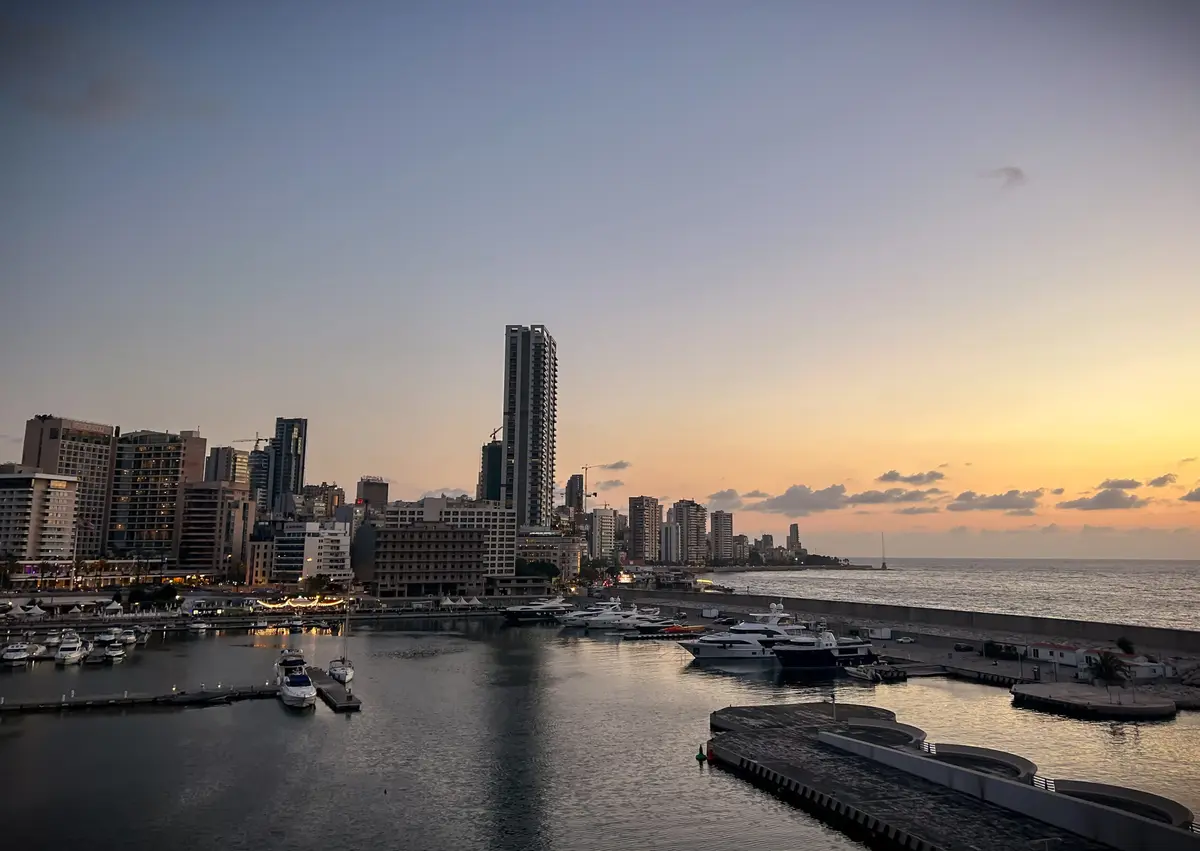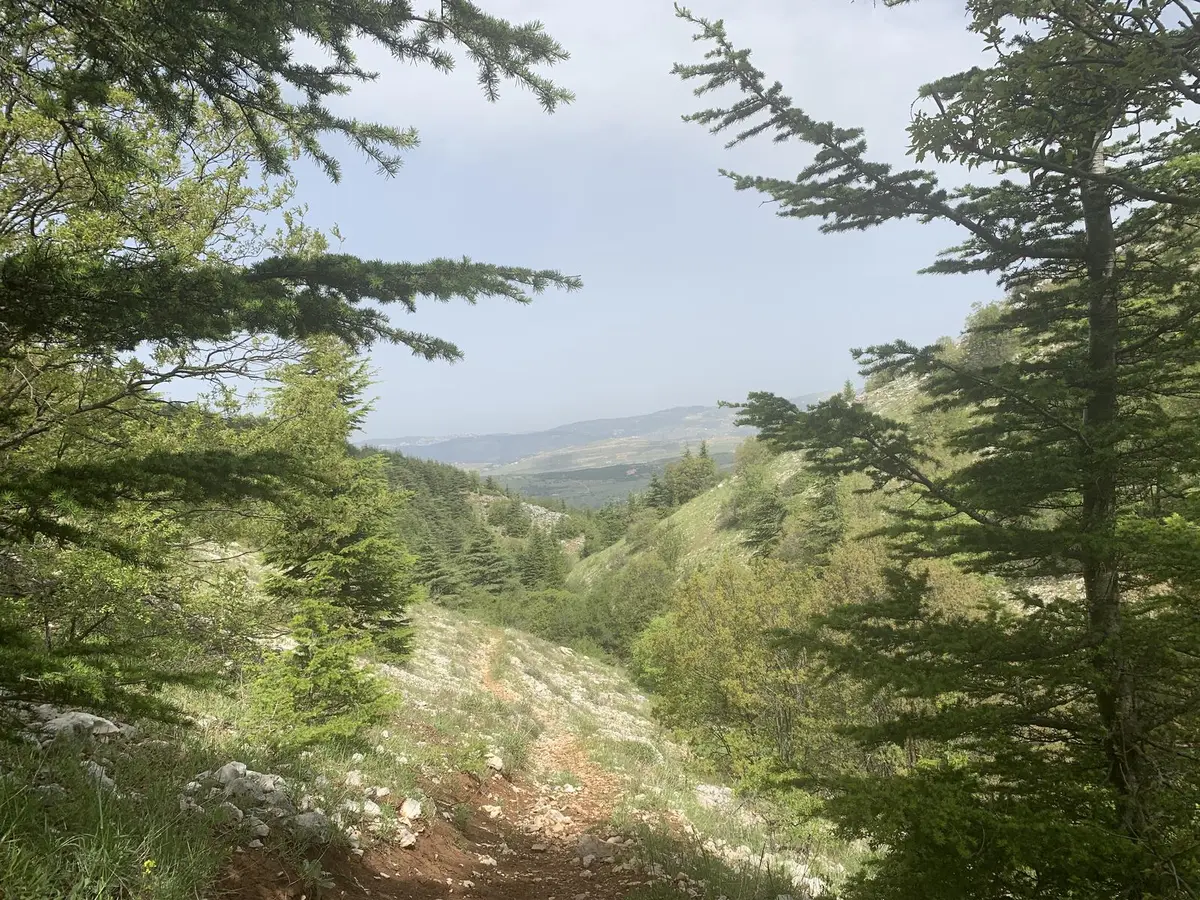
The Beirut International Film Festival circuit is one of the most artistically alive scenes in the Arab world — and one of the most logistically complicated entries in any Lebanon travel guide for US passport holders right now. This guide cuts through the noise: the security reality, the visa rules, the cash-only economy, and which venues actually deliver. If you are still planning to go, you need it straight.
Is it safe for US citizens to attend the Beirut International Film Festival?
The US State Department maintains a Level 4 — Do Not Travel advisory for Lebanon. On February 23, 2026, the Department ordered the departure of non-emergency US government personnel and family members from Beirut. Routine consular services at the US Embassy are suspended. Active airstrikes, drones, and rocket attacks have been reported across the country, including parts of Beirut.
This is the single most important fact for any American weighing a trip to attend the Beirut International Film Festival, and the broader question of whether Lebanon is safe for American tourists right now deserves its own honest answer. The article you are reading does not pretend the situation is normal — it is not. If you choose to travel anyway, you do so understanding that the embassy cannot reliably help you, that flights can be cancelled with little warning, and that any contingency plan should not rely on the US government for evacuation.
Pro Tip: Before booking anything, enroll in the Smart Traveler Enrollment Program (STEP) at step.state.gov. It is the fastest way to receive security alerts directly from the embassy and the only practical way for the State Department to locate you in an emergency.
That said, the cinema community in Beirut continues to operate. Festivals are happening. Cafés in Mar Mikhael are full on weekends. Both realities are true at the same time, and adult travelers deserve the full picture before deciding.
What is the Beirut International Film Festival schedule?
The “Beirut International Film Festival” name is used for several distinct events run by different organizations, not a single week-long event. The original BIFF, founded in 1997, has been on hiatus since 2019 and is still “preparing for our return” with no announced date. The Women’s edition, the Shorts festival, and a rotation of smaller programs currently anchor the calendar.
Here is what is actually happening on the Lebanese festival calendar:
- Beirut International Women Film Festival (BWFF): Early-to-mid March. Opening ceremony at Casino du Liban, screenings at Grand Cinemas ABC Dbayeh. Tickets are free.
- Beirut International Film Festival (the original): Last edition was the 18th in April 2019. Status remains “preparing return.”
- Beirut Shorts International Film Festival: Mid-to-late November. Oscar-qualifying for short fiction, documentary, and animation. Recently hosted at NDU’s Bechara El Rahi Theater.
- Beirut Art Film Festival (BAFF): Each November. Focused on films about visual and performing arts, architecture, and design.
- European Film Festival: Hosted by Metropolis Cinema, typically in autumn.
Spring temperatures in Beirut sit between 60 and 75°F (15 to 24°C), generally the best time to visit Lebanon if you are also planning to walk the city between screenings. Autumn runs warmer with intermittent rain.
Pro Tip: Confirm any festival dates directly on the organizer’s site within the month of travel. Programs and venues in Beirut have shifted on short notice multiple times in recent years due to security conditions.
How do US citizens get a Lebanon visa for the festival?
US citizens receive a free one-month tourist visa on arrival at Beirut–Rafic Hariri International Airport (BEY). No advance application, no embassy appointment, no fee. Your passport must have at least six months of validity remaining and at least one blank page. Bring proof of onward travel — officers do not always ask, but they can.
At the airport, head to the line marked “General Security / Foreigners.” Skip the lines for “Lebanese Nationals” or “GCC Nationals.” Pick up the pink/white arrival card from the stand before reaching the desk. The card asks for your full name, passport details, and a Lebanese address (your hotel works). The officer types your information into a terminal that cross-references security blacklists, then stamps your passport with a red entry stamp. Bags go through X-ray on the way out.
The single dealbreaker: any evidence of Israel travel
This part is non-negotiable. Lebanese General Security looks for Israeli stamps, security stickers on the back of passports, TLV airport luggage tags, and even Hebrew-labeled souvenirs in checked bags. Any of these results in immediate denial of entry, and in some cases detention. If your passport contains anything connecting you to Israel, you need a brand-new passport before attempting the trip.
Extending the visa
The one-month tourist visa is extendable for two additional months. You request the extension at the General Directorate of General Security in Beirut before your initial 30 days expires. Bring your passport, hotel address, and a return ticket. Travelers report the process taking under a day if you arrive when the office opens.
Pro Tip: Bringing a drone into Lebanon without a pre-approved military permit guarantees confiscation at the X-ray. Retrieving it is a full day of paperwork at the cargo terminal. Leave it home.
How does Lebanon’s “fresh dollar” cash economy work?
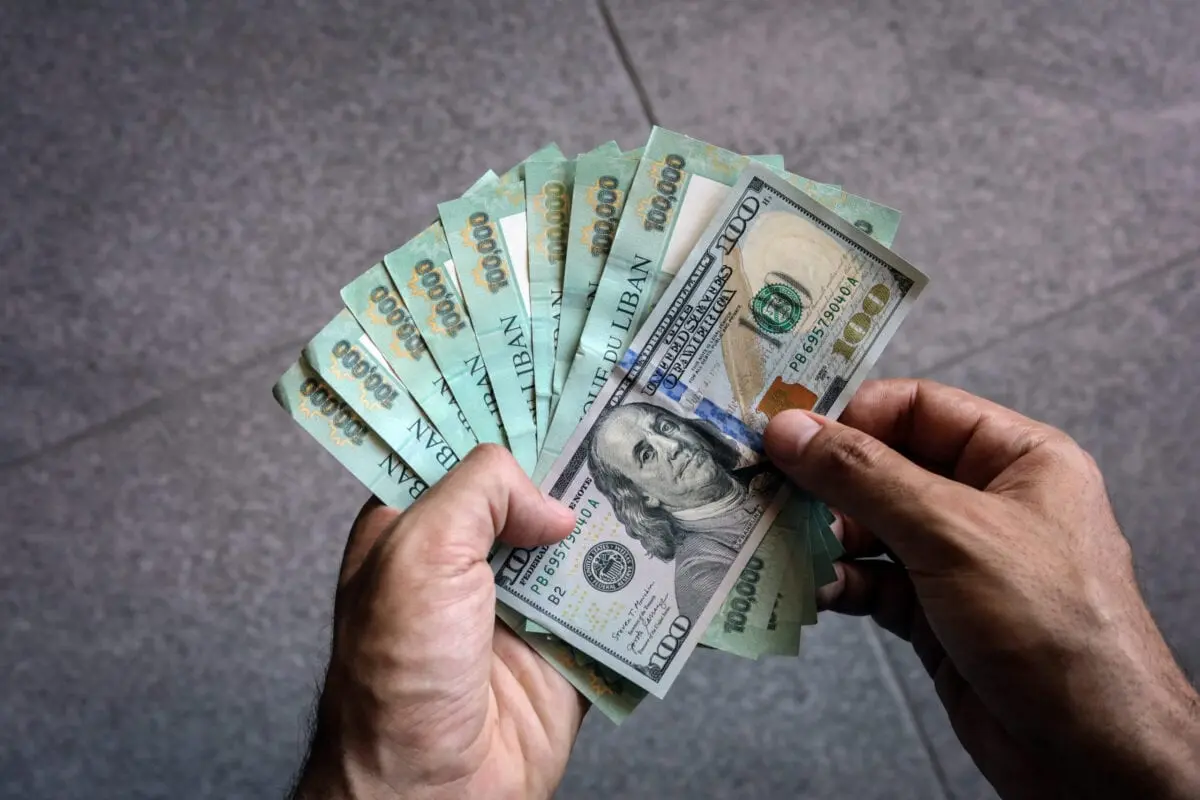
Lebanon runs on physical US dollars in cash. The local banking sector collapsed in 2019, and most international debit and credit cards either fail at ATMs or dispense at outdated rates that destroy your money’s value. The Lebanese Pound (LBP) has stabilized at around 89,500 LBP to 1 USD, but you should not be trying to live on lira. You bring crisp US dollars, and you spend them.
“Fresh dollars” means physical US bills brought in from outside the broken Lebanese banking system. Hotels, restaurants, taxis, and venues will quote prices in USD and expect cash USD in return.
Bring bills that look like they just came from the bank:
- Condition: Crisp, no tears, no ink marks, no worn edges
- Series: Newer-design bills are accepted without question; older small-portrait bills are sometimes refused
- Mix: A blend of $20s, $10s, and $5s. Twenties are the workhorses; bring a stack of singles for tips
- Daily budget: $100–$150 per day in fresh USD covers comfortable festival attendance with a mid-range hotel
Exchange small amounts ($50–$100) into LBP at licensed exchange offices for taxis and street food. The rate at the airport exchange is markedly worse than in town — change just enough to cover your ride out, then exchange more at a money changer in Hamra or Achrafieh.
Pro Tip: Do not blindly use ATMs with your US debit card. Some still dispense at obsolete rates that will cost you 40% or more of your withdrawal value. If you must use one, ask your hotel concierge which machines are currently dispensing at market rate — the answer changes.
Where can you watch films during the festival?
Three venues anchor the festival circuit, each with a completely different feel. Plan your schedule around which one matches what you actually want from your wider Beirut itinerary.
1. Metropolis Cinema — the independent soul
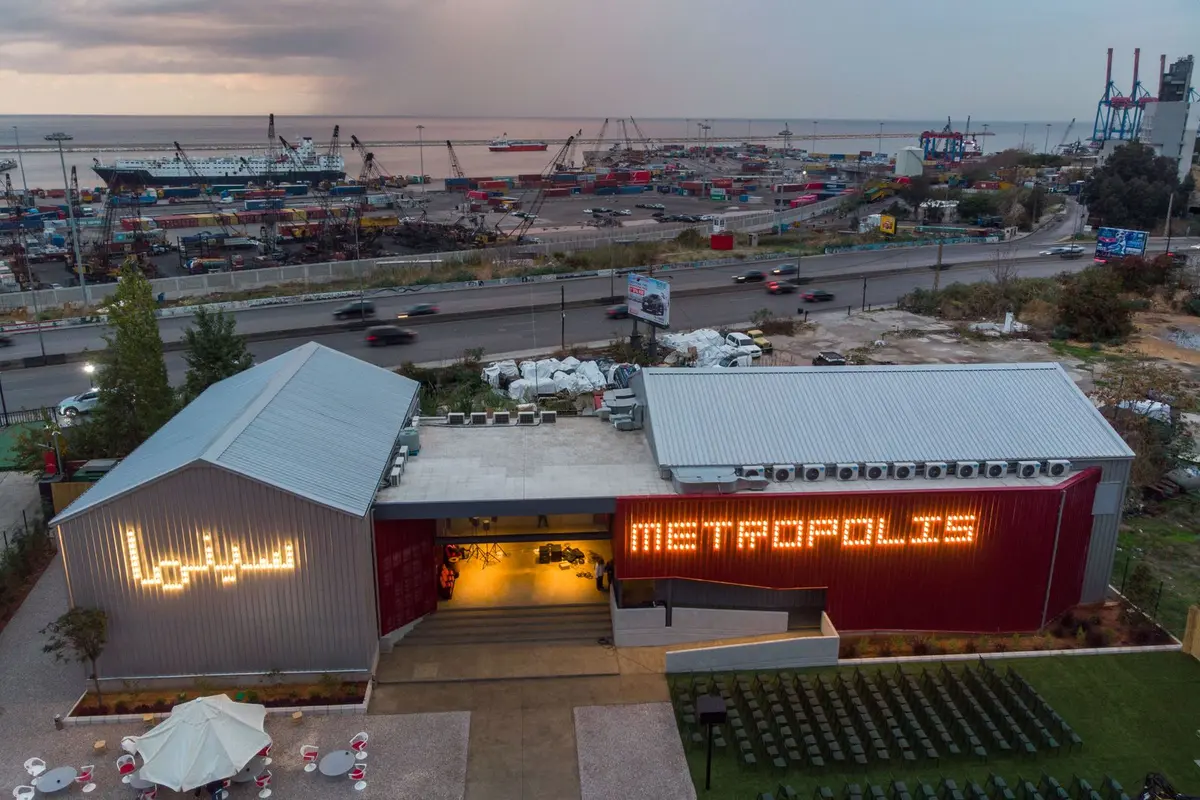
The new Metropolis complex opened in December 2024 in a purpose-built structure on Pharoun Street in Mar Mikhael, opposite the port. It replaces the old Metropolis Sofil, which closed in January 2020 after the economic crisis (not, as some accounts suggest, after the port blast). Designer Sophie Khayat built the entire structure to be portable — a quiet acknowledgment that Beirut buildings sometimes need to move.
The verdict: Two indoor screens, an outdoor cinema, a film library, and a café-garden that doubles as the unofficial networking space for the local film scene. The projection and sound are professional-grade. The café tables outside fill up an hour before screenings — that is where you actually meet people. Some attendees note traffic noise from the nearby road during quieter scenes in the outdoor cinema.
- Location: Pharoun Street, Mar Mikhael (next to GAC Motor Lebanon)
- Cost: Tickets typically $5–$10 USD depending on the program
- Capacity: 190-seat main screen, 90-seat second screen, 350-seat outdoor cinema
- Best for: Cinephiles who want art-house programming and post-screening conversation
2. Grand Cinemas ABC Dbayeh — where the Women’s edition lives
A high-end shopping mall multiplex about 25 minutes north of central Beirut by car. This is where the Beirut International Women Film Festival holds its public screenings, and the contrast with Metropolis is stark — you go from artsy hangar to climate-controlled shopping center.
The verdict: Comfortable, spacious seats and reliable air conditioning. The popcorn is the most-complained-about food product in the entire festival circuit — multiple regulars have called it “the worst popcorn mankind could produce,” cold and chewy in equal measure. Screen quality is good; the ambiance is mall.
- Location: ABC Dbayeh Mall, Dbayeh (north Beirut)
- Cost: Free for the Women’s edition public screenings; $7–$12 USD for general programming
- Travel time from Achrafieh: 20–30 minutes by car depending on traffic
- Best for: Daytime screenings, families, and anyone who wants air conditioning and parking
3. Casino du Liban — the opening ceremony stage
Located in Maameltein, about 14 miles (22 km) north of Beirut, this is where the Women’s edition opening ceremony has been held in recent years. Crystal chandeliers, a strict formal dress code, and a level of old-world Lebanese glamour that feels out of step with the current economic moment in a way that is itself part of the experience.
- Location: Maameltein, Jounieh
- Cost: Opening ceremony attendance is typically by invitation; gala tickets $50+ USD
- Drive time from Beirut: 30 minutes (more in rush hour)
- Best for: Opening night, networking with industry figures, and anyone who packed a jacket
Where to stay close to the festival circuit
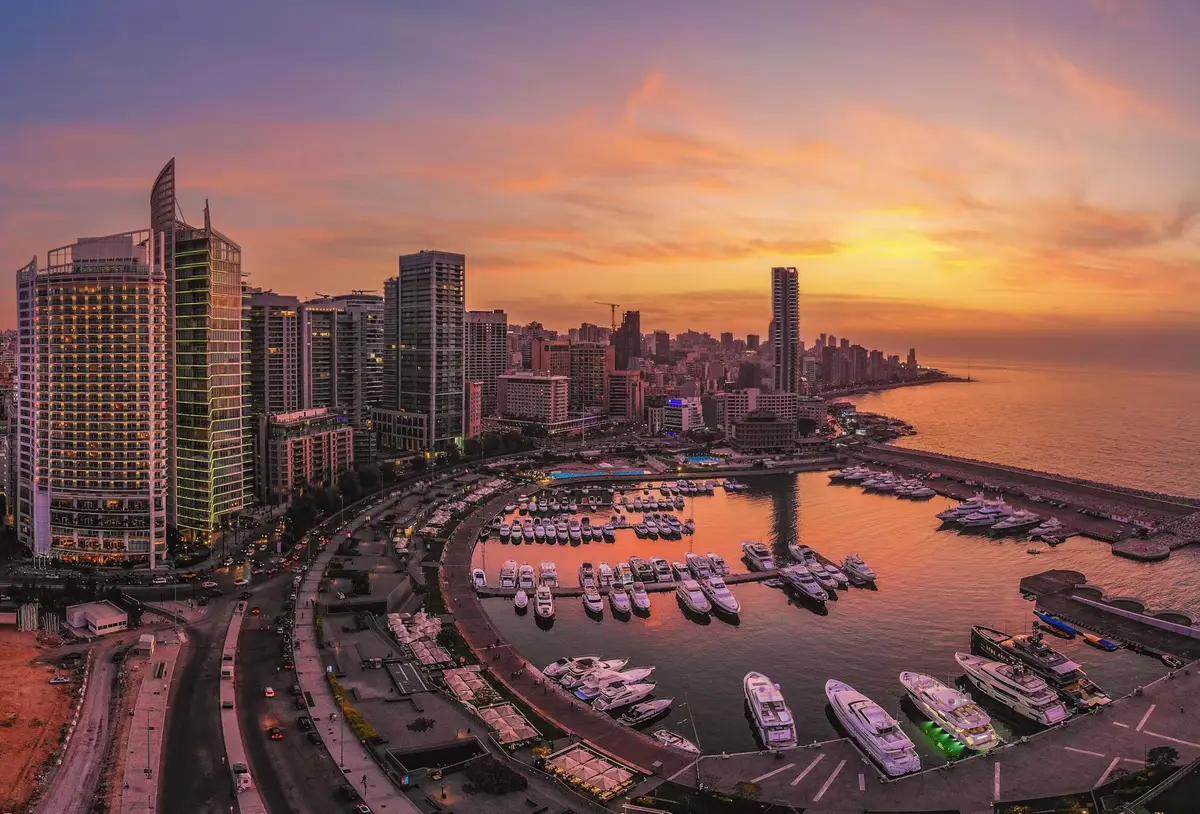
The festival venues cluster between Mar Mikhael, Gemmayzeh, Achrafieh, and Dbayeh. Where to stay in Beirut for the festival comes down to keeping travel times short:
- Achrafieh: Most central for festival hopping. Closest to Metropolis. Hotels from $90 USD/night
- Gemmayzeh: Walking distance to Mar Mikhael venues and the best post-screening bars. Boutique hotels and guesthouses from $70 USD/night
- Mar Mikhael: Walking distance to Metropolis itself. Limited hotel options; mostly short-term apartments
- Hamra: Quieter, more residential, 20 minutes by car to most venues. Hotels from $60 USD/night
Use Allo Taxi (fixed pricing, regulated app, desk inside the airport arrivals hall) for the airport run rather than the curb taxi cartel. Expect $20–$25 from the airport to Achrafieh.
What does the festival scene look like outside the screenings?
The film circuit functions as a gateway to the rest of the city’s nightlife and food scene, especially in Mar Mikhael and Gemmayzeh.
16MM — Gemmayzeh
The unofficial filmmaker hangout. A resto-bar decorated with vintage film reels and cameras. Low-key and conversation-friendly, which is rare in Beirut after 11 p.m.
- Location: Gemmayzeh
- Cost: Cocktails $10–$15 USD; small plates $8–$15 USD
- Best for: Post-screening conversation that does not require shouting
Barbar — Hamra
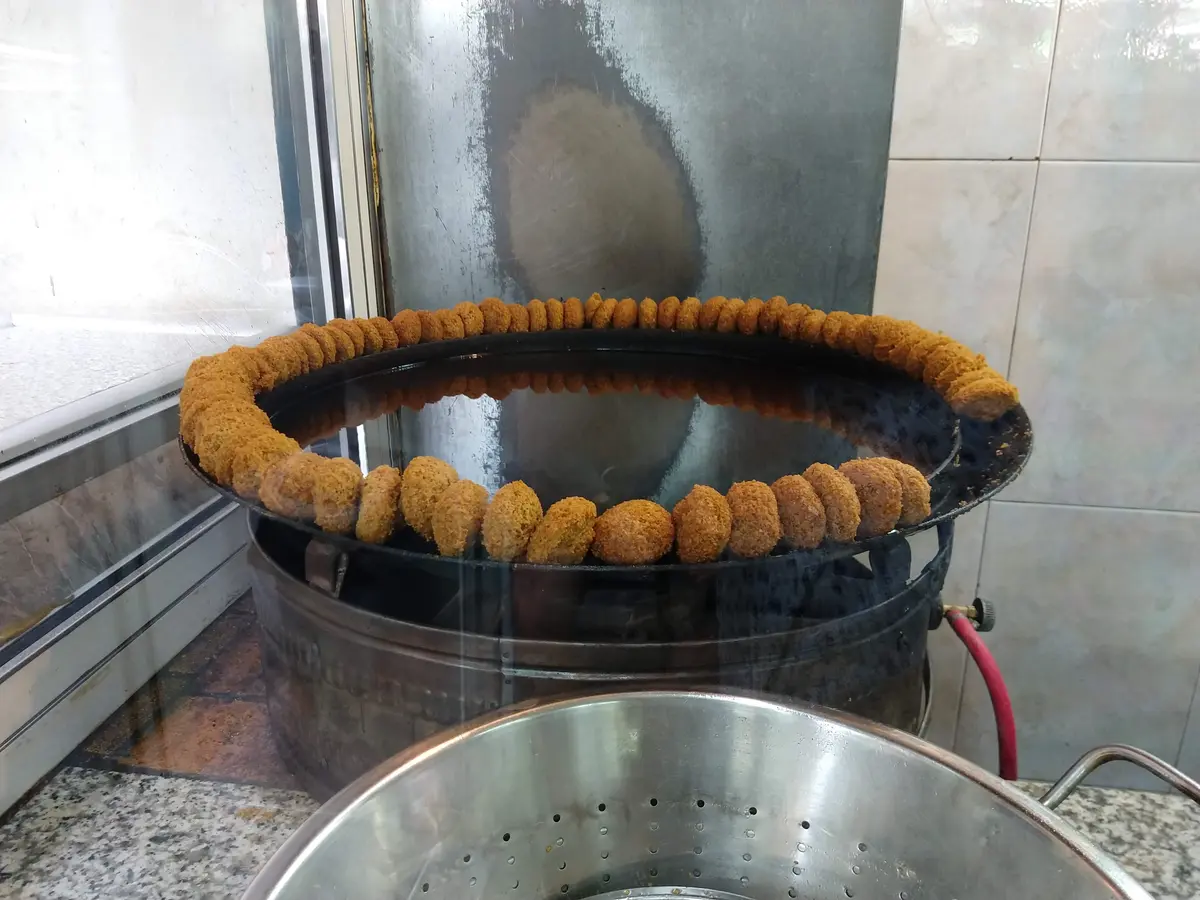
Open 24/7. The institution for hungry festival-goers leaving late screenings. Order the manoushe with za’atar at 1 a.m. and you will understand why every local sends visitors here.
- Location: Hamra Street
- Cost: Manoushe $3 USD; shawarma sandwich $5 USD; mixed grill plate $12 USD
- Best for: Late-night, no-frills, generous portions
T-Marbouta — Hamra
A library-style café with shelves of books and tables spaced for actual conversation. Good for morning coffee with a director or for editing notes before an evening screening.
- Location: Hamra (next to AUB)
- Cost: Coffee $4 USD; mains $10–$15 USD
- Best for: Daytime work sessions and quiet meetings
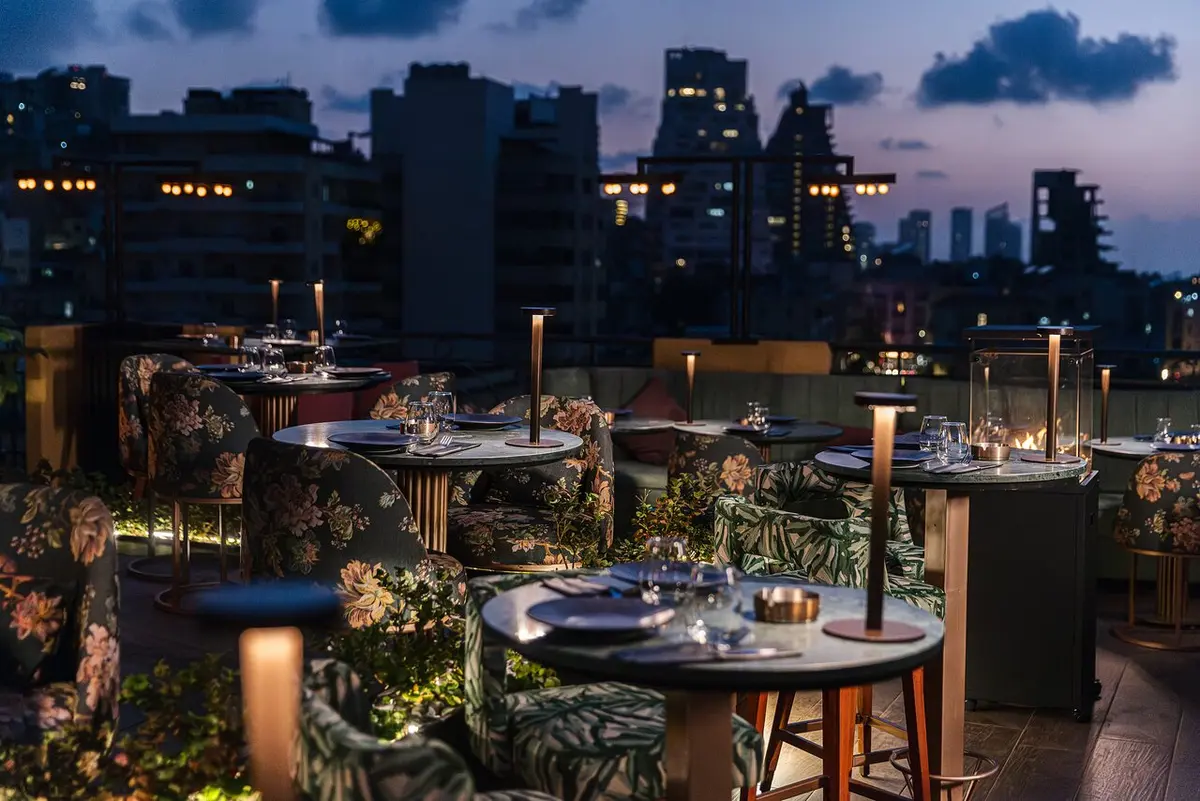
Iris — Beirut Souks rooftop
Sunset drinks with a Mediterranean view. Elite crowd, premium pricing, and the dress code is real. Worth one visit for the view alone.
- Location: Beirut Souks rooftop
- Cost: Cocktails $18–$25 USD; small plates $20+ USD
- Best for: A single splurge night, golden-hour drinks
Pro Tip: Tipping in fresh USD makes a real difference. Service staff are paid in devalued lira; a $5 USD tip on a $25 USD meal is the kind of gesture they will remember. Round up taxi fares to the nearest dollar and hand over physical cash.

Five logistics that will make or break the trip
The non-negotiable practical points that experienced festival-goers cite again and again:
- SIM card: Skip the CityFone shop at the airport ($44 USD for 500 MB is a tourist trap). The best SIM card for tourists in Lebanon is the Touch Visitor Line at any official Touch store in town for $19 USD, which gets you 10 GB, 100 minutes, and 100 SMS for two weeks. Alfa is the other carrier and offers similar pricing
- Traffic: Beirut traffic is unpredictable. A 4-mile (6 km) cross-town trip can take 20 minutes or 90. Plan one major event per day with wide margins between
- Electricity: Power cuts are routine. Most central hotels run on private generators; confirm before booking. Bring a portable charger
- Water: Drink bottled water only. Hotels stock it; convenience stores sell it for under $1 USD per liter
- Local currency on hand: Keep about $30 USD in small lira notes for street food, taxis, and tips at small establishments where USD makes change difficult
Before you book
TL;DR: Lebanon is under a Level 4 — Do Not Travel advisory with ordered departure of US personnel and active security incidents. The Beirut International Film Festival circuit (Women’s edition in March, Shorts in November, the original BIFF still on hiatus) genuinely operates and continues to produce remarkable programming. If you are committed to going, bring crisp US dollars, a clean passport with no Israel evidence, good travel insurance for Lebanon, and a contingency plan that does not depend on the US government. The film community is real, the city is alive, and the risk is also real. All three are true.
What is the single piece of pre-trip information about the Beirut International Film Festival you wish someone had told you straight? Drop it in the comments — other readers will use it.