An East Coast weekend getaway can be cobblestone Charleston, a car-free train ride to Hudson, or cold Atlantic surf on Cape Cod. This guide gives you the drive times, the price bands, and the right season for each — plus the specific things that go wrong when nobody warns you about them.
How Do You Pick an East Coast Weekend Getaway in Five Minutes?
Start with your hub. From New York, Hudson, the Hamptons, and Newport are the easy calls. From Washington, it’s Annapolis, St. Michaels, and Shenandoah. From Boston, Portland, Cape Cod, and Stowe. Then apply one rule: under three hours each way, or one direct train. Anything longer and the weekend turns into a commute.
A weekend here means two nights and three days. The trips that actually feel like a break sit inside one of these limits:
- Drive: under roughly 3 hours each way
- Train: one direct ride, with the town walkable from the station (verify this — see Portland below)
- Flight: a short hop, about 2 hours, for the Southern picks like Charleston and Savannah
Couples lean Newport or Cape May. Families lean Cape Cod or the Outer Banks. Budget travelers lean shoulder season, where the same room in the same inn can cost half what it does in August.
The variable nobody plans around isn’t distance. It’s departure time.
Pro Tip: Leave your hub by 7 a.m. Friday instead of after work. You’ll beat the I-95 wall and the summer backups at the Cape Cod canal bridges, and you’ll arrive with a full afternoon instead of a headache.
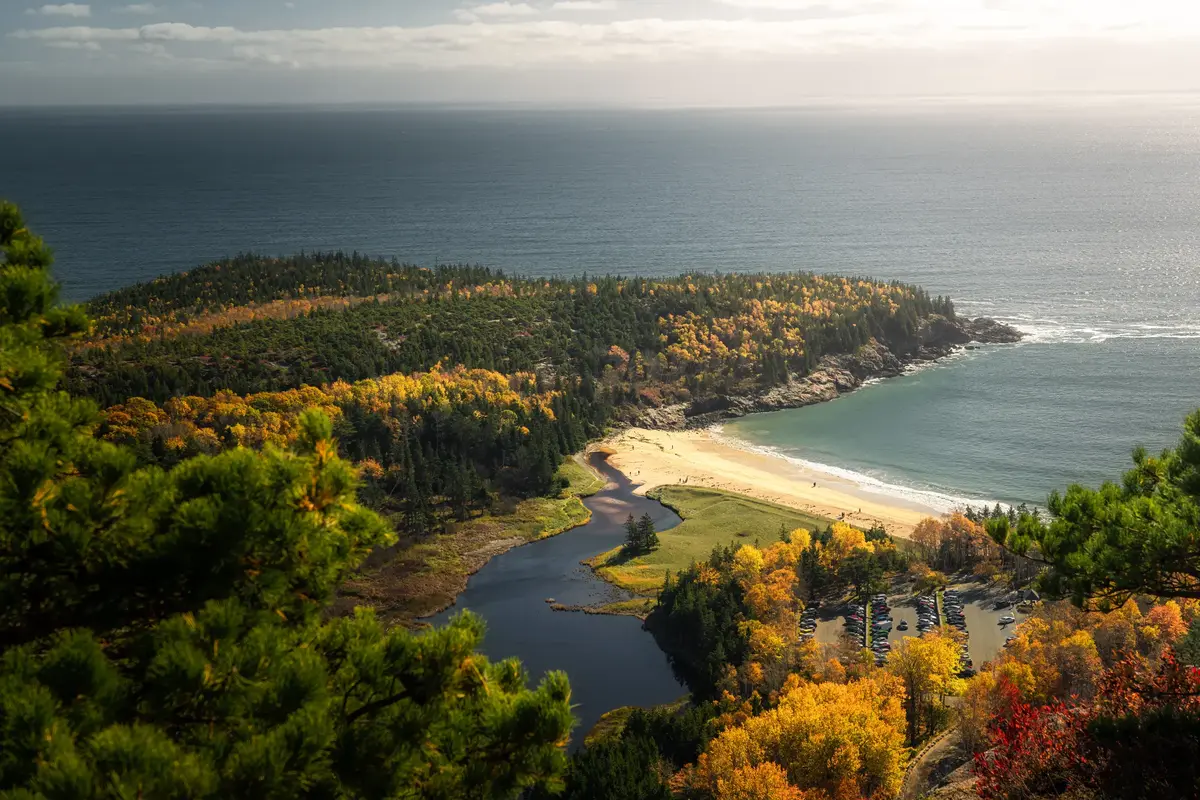
Drive Times, Nightly Rates, and Best Seasons, Compared
Nine getaways, sorted by how long it takes to reach them. Southern picks are listed by flight time, because the drive runs long enough to eat a full day.
| Destination | Drive from NYC | Drive from Boston | Nightly inn band | Best season |
|---|---|---|---|---|
| Hudson, NY | ~2 hr (Amtrak) | ~3 hr | $180–300 | Year-round, peak fall |
| Newport, RI | ~3 hr | ~1.5 hr | $180–450 | Sept–Oct |
| Cape May, NJ | ~3 hr | ~6 hr | $200–350 | May–Sept |
| Cape Cod, MA | ~4.5 hr | ~1.5 hr | $200–400 | June–Aug |
| Portland, ME | ~5.5 hr | ~2.5 hr (Downeaster) | $180–300 | June–Oct |
| Stowe, VT | ~5.5 hr | ~3.5 hr | $200–350 | Sept–Oct, winter |
| Bar Harbor, ME | ~8 hr | ~5 hr | $180–320 | June–Oct |
| Savannah, GA | ~2 hr flight | ~2.5 hr flight | $160–280 | Spring, fall |
| Charleston, SC | ~2 hr flight | ~2.5 hr flight | $200–350 | Spring |
Cape Cod sits about 257 miles (414 km) from New York. Charleston is roughly a 10- to 11-hour drive but only about a 2-hour flight, which is why most New Yorkers fly it.
The Sagamore and Bourne bridges are the only two roadway connections onto Cape Cod, and both are nearly 90 years old. MassDOT has both slated for full replacement, and the Bourne in particular sees periodic maintenance windows that drop it to one lane in each direction. Check the Cape Cod Bridges Program before a spring weekend, and in summer, cross before 10 a.m. or wait until after dinner.
Where Should You Go for a Weekend on the East Coast?
Pick Charleston for history and food, Newport for a coastal walk, Cape Cod for a classic beach trip, Portland for seafood and breweries, or Hudson for a car-free art-and-antiques escape. Each one works as two nights, and each sits within a short flight or a manageable drive of a major Northeast city.
A one-line read on each:
- Charleston: Best for food-and-history couples
- Newport: Best for a romantic coastal walk
- Cape Cod: Best for a family beach weekend
- Portland: Best for seafood and breweries
- Hudson: Best for a train-in, train-out art weekend
One correction to a claim you’ll see repeated everywhere: Portland is not a step-off-the-train-into-the-Old-Port town. The Old Port itself is compact and walkable, but the station is a couple of miles away. More on that below.
The Southern Picks: Charleston and Savannah
Both are flights, not drives, from the Northeast. Both reward spring and punish August. And you can pair them — they sit about two hours apart.
1. Charleston, South Carolina — Cobblestones, Lowcountry Food, and a Heat Rule
The peninsula smells like pluff mud and confederate jasmine in spring, and the Battery’s wrought-iron porches catch a harbor breeze even when the inland streets go still and humid. Shrimp and grits, she-crab soup, and a King Street dinner are the standard order, and they earn the hype. Spring, mid-March to May, brings azaleas and days in the 70s°F (low 20s°C).
Two friction points. The Amtrak station sits in North Charleston, about 8 miles (13 km) from downtown, so you’ll need a rideshare in — and the train from New York is a 14-hour proposition on the Palmetto, with the Silver Meteor’s on-time record hovering near 56% over a rolling year. Fly. Second: summer heat isn’t just uncomfortable, it’s operational. Under city ordinance, carriage tours stop entirely once four consecutive readings, taken 15 minutes apart, hit 95°F (35°C) ambient or a 110°F heat index. Stoppages run into the double digits most summers.
- Location: Historic peninsula, downtown Charleston, SC
- Cost: Historic-district inns roughly $200–350/night, higher on spring weekends; carriage tours around $50 per adult
- Best for: Couples who travel for food and history
- Time needed: A full two nights; add a day to pair with Savannah
Pro Tip: Don’t book a carriage tour hoping to see the Battery. The city runs a bingo-ball lottery at the departure gate that assigns one of five routes at random, which leaves you roughly a one-in-five shot at any specific landmark. Take the first morning slot instead — it beats both the heat cutoff and the line.
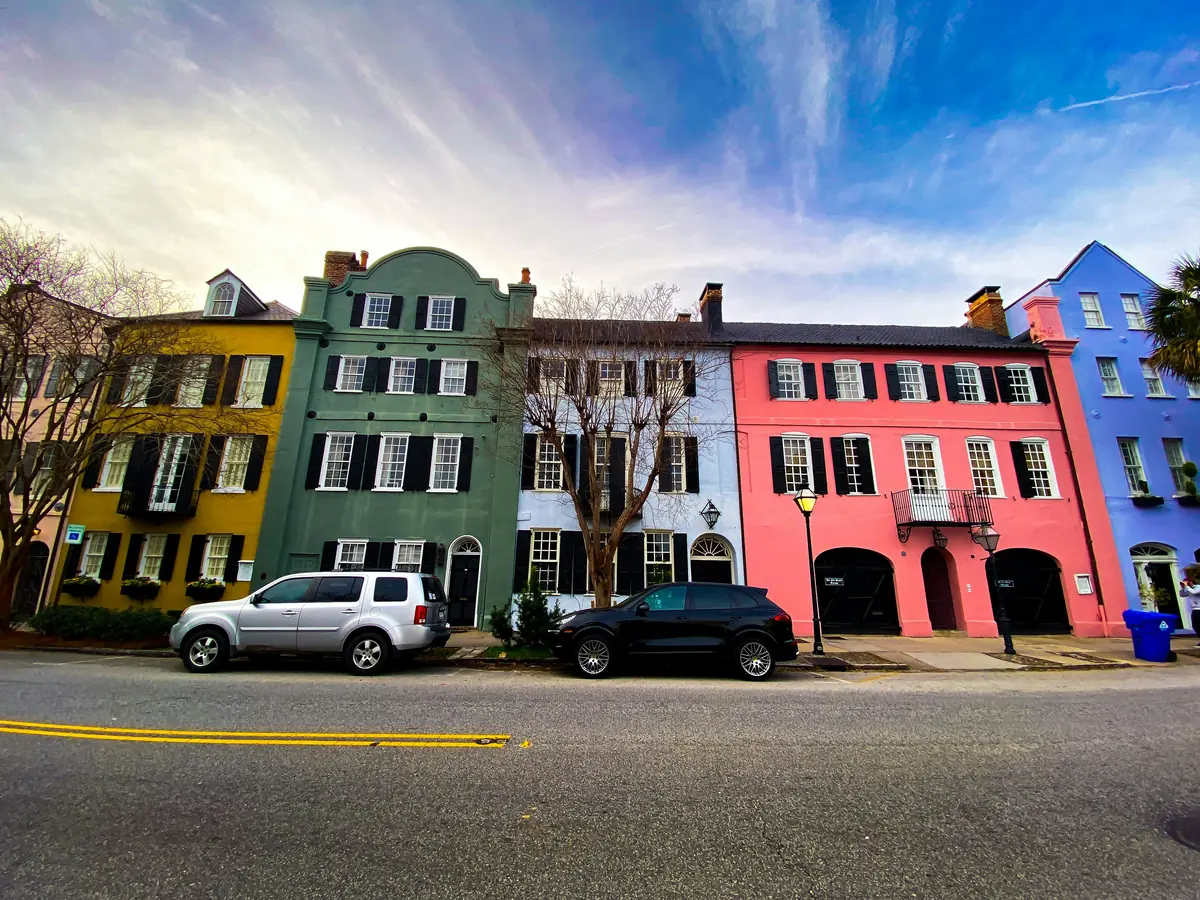
2. Savannah and Tybee Island, Georgia — Squares, Beach, and a To-Go Cup
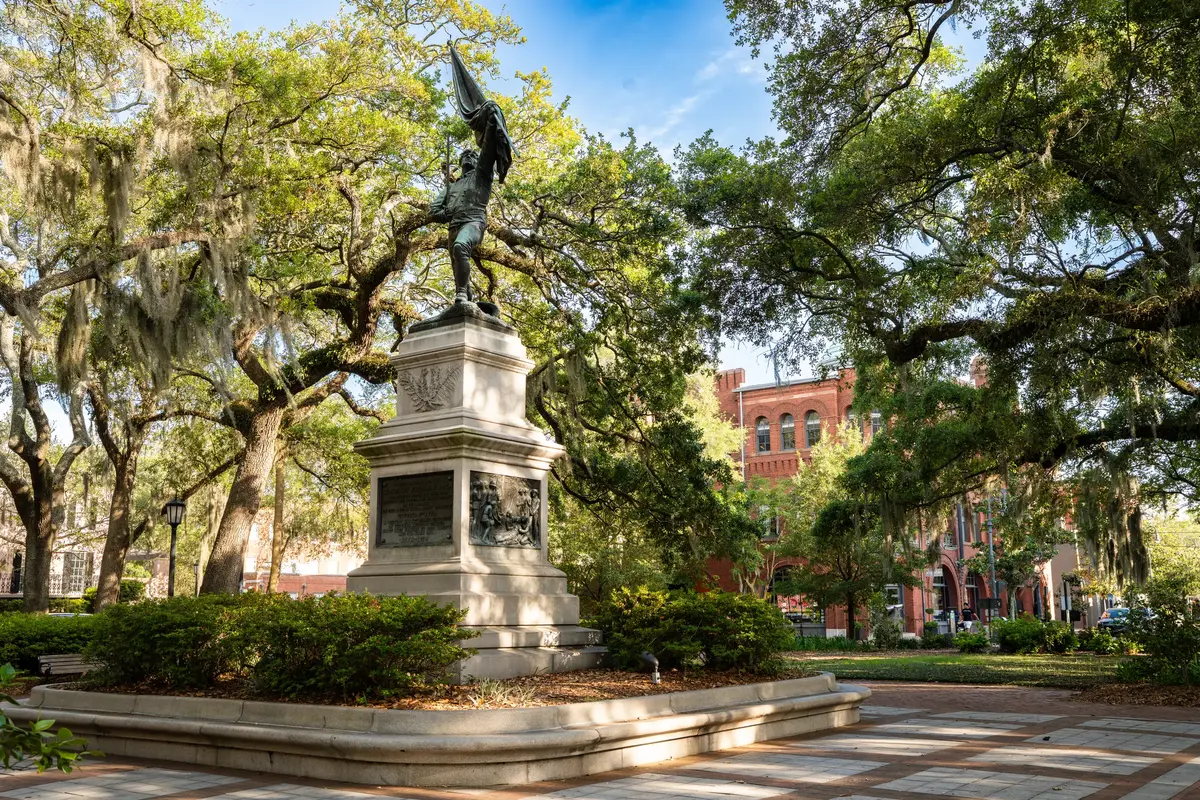
The squares are the whole point. There are 22 of them, shaded by live oaks dripping Spanish moss, each its own small park you stumble through on the way to dinner. Bonaventure Cemetery and the Tybee Light lighthouse are the half-day add-ons. River Street is touristy but worth one walk.
Tybee is about 30 minutes east, so a morning at the beach and an evening in the squares both fit inside one day. That’s what makes Savannah a realistic second half of a Charleston weekend rather than a separate trip.
- Location: Historic district, Savannah, GA; Tybee Island ~30 min east
- Cost: Mid-range inns roughly $160–280/night
- Best for: Travelers pairing a walkable city with a beach day
- Time needed: Two nights, or one if combined with Charleston
The open-container rule is real, and it has edges. One drink, plastic cup only, 16 fluid ounces maximum, and only inside the to-go cup zone — historically bounded around River Street down to Jones Street, MLK Jr. Boulevard to the east side. Walk south past the line with a cup in hand and you’re looking at a citation, which is exactly how visitors get burned strolling toward Forsyth Park. Locals sip while walking the squares after dinner. They also know where the boundary is.
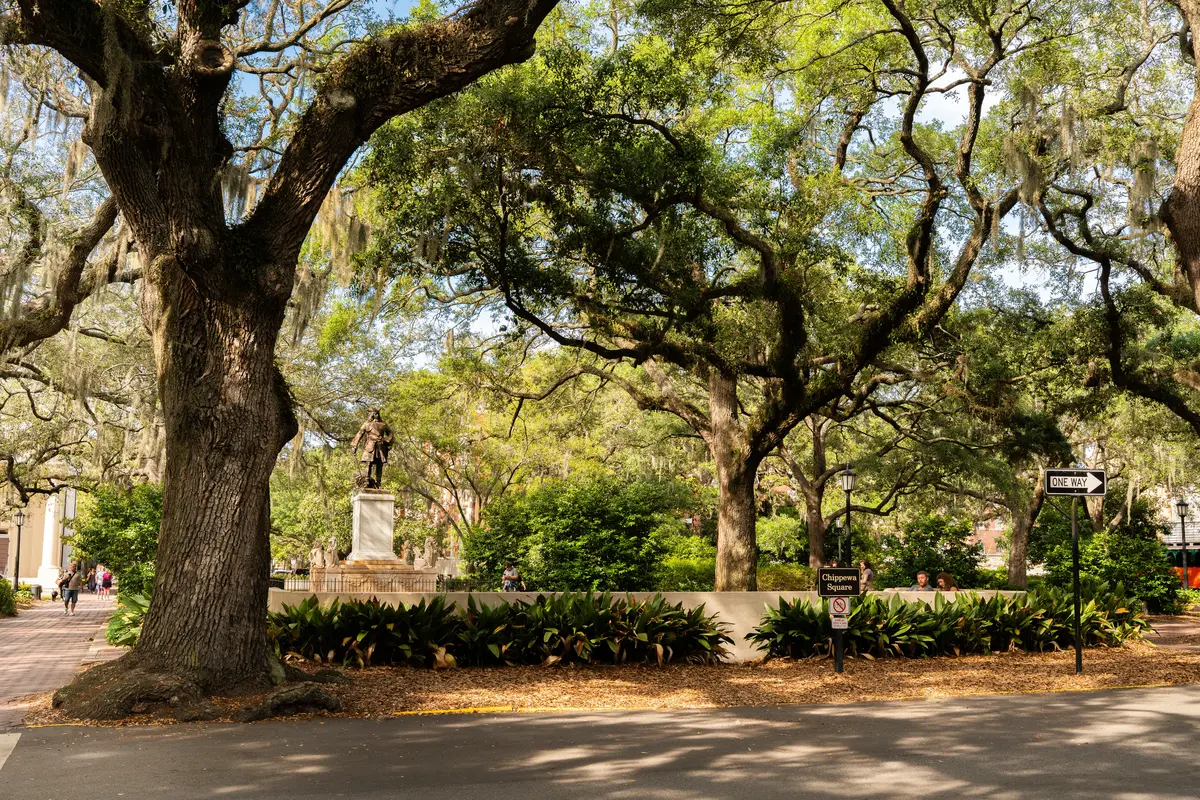
The New England Picks: Newport, Cape Cod, Portland, Stowe, Bar Harbor
This is where the shoulder season pays. Every one of these towns is cheaper, emptier, and better in late September than it is in July.
3. Newport, Rhode Island — The Cliff Walk, Minus the July Crowds
The Cliff Walk is a 3.5-mile (5.6 km) path, the first National Recreation Trail designated in New England, threading a National Historic District with the Atlantic on one side and Gilded Age “cottages” like The Breakers on the other. Thames Street and Bowen’s Wharf handle the eating and drinking. A harbor sail handles the rest.
What no guide tells you: a 450-foot section between Narragansett Avenue and Webster Street collapsed from erosion and remains closed, with a marked inland detour that routes walkers around a block of Salve Regina University and adds roughly half a mile. The city has about $22 million in state and federal funding lined up for the repair, but the detour stands for now. The rest of the trail is open and it’s still the best walk in the state.
Skip peak July and August. Newport swells from roughly 27,000 residents to well over 100,000 on summer weekends, and the Cliff Walk alone pulls more than a million visitors a year. Mid-September to mid-October gives you highs in the low-to-mid 60s°F (16–18°C) and a town that can breathe.
- Location: Bellevue Avenue and the harbor, Newport, RI
- Cost: Inns roughly $180–280/night in shoulder season, $300–450+ in summer
- Best for: Couples who want a coastal walk over a beach
- Time needed: Two nights; the Cliff Walk and one mansion fill a day
- Getting there: ~1.5 hr from Boston, ~3 hr from New York
Pro Tip: Downtown parking is miserable in summer. The Jamestown Newport Ferry runs hop-on, hop-off across Narragansett Bay from roughly mid-May to mid-October, with stops at Fort Adams, Ann Street Pier, and Perrotti Park — a cheap harbor cruise that doubles as your ride in.
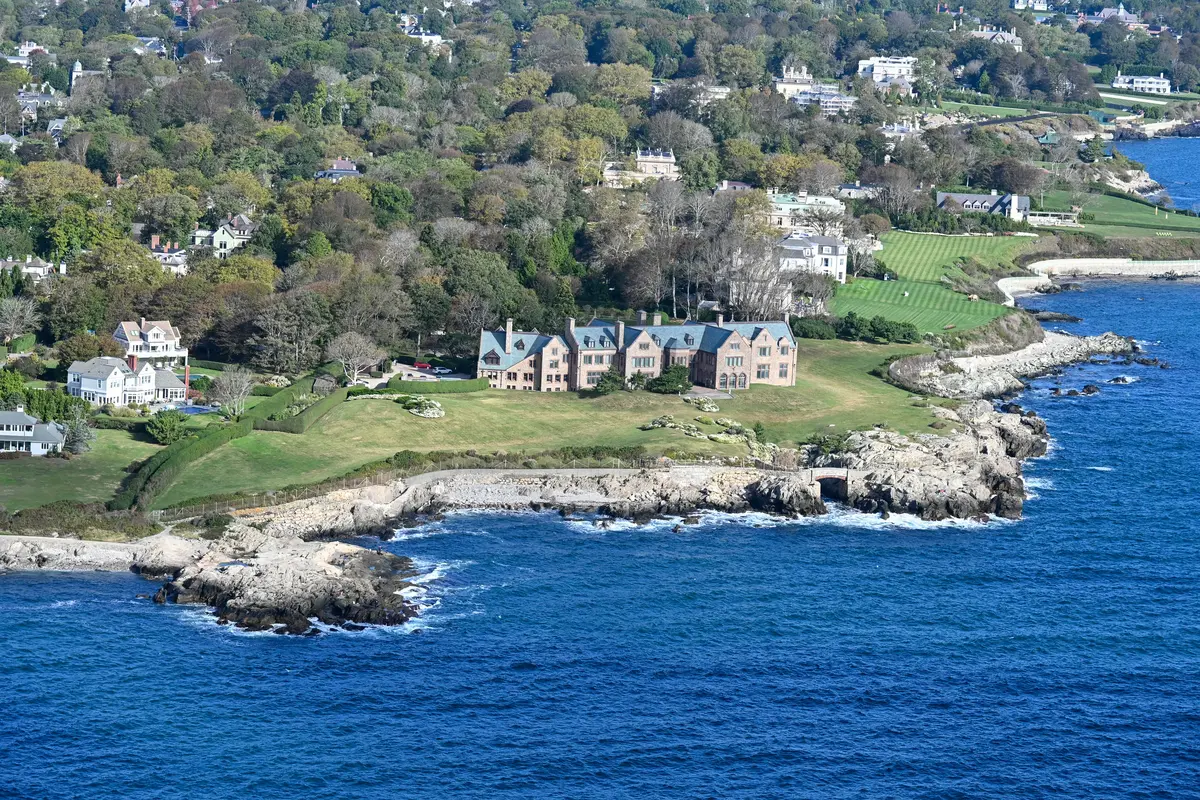
4. Cape Cod, Massachusetts — Cold Water, Wide Beaches, One Bad Bridge
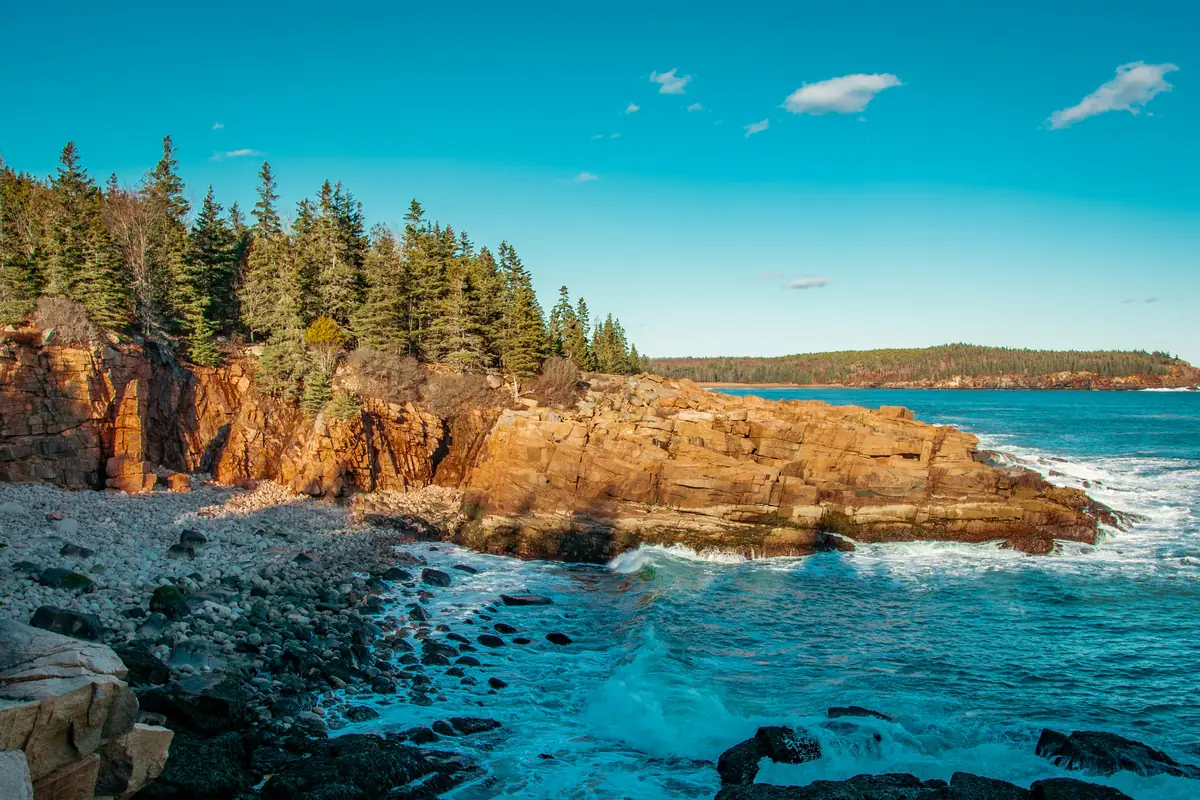
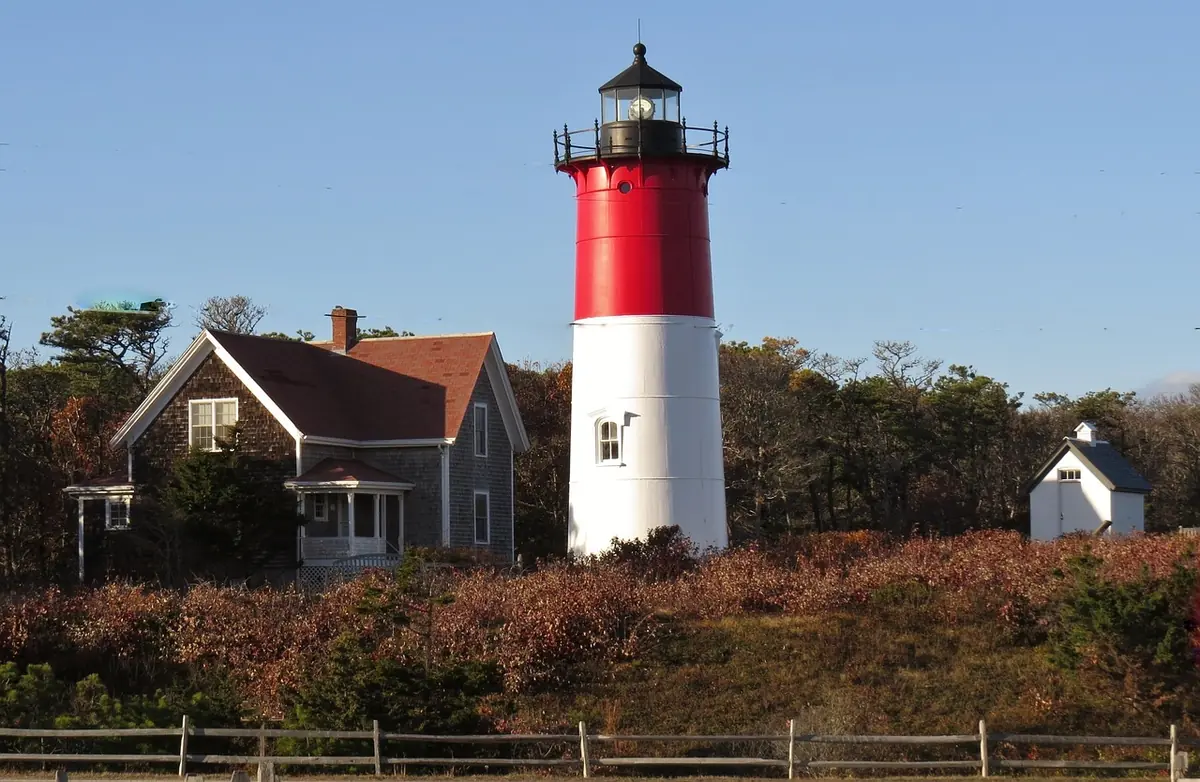
The National Seashore, established under President Kennedy, protects 40 miles (64 km) of shoreline across more than 43,000 acres — wide, cold Atlantic beaches backed by dunes and the red-and-white Nauset Light. Hyannis is the hub, Provincetown the artsy endpoint at the tip, and the rail trail links a lot of it by bike if you’d rather not drive.
Two honest warnings. The water is genuinely cold even in August. And the canal bridges are the one true headache — see the note above the destination table. Plan around both and the Cape delivers exactly what it promises.
- Location: Outer Cape and Lower Cape, MA; Provincetown at the tip
- Cost: Inns and motels roughly $200–400/night in summer, less off-season
- Best for: Families and beach-first weekends
- Time needed: Two to three nights to justify the drive
- Getting there: ~1.5 hr from Boston, ~4 to 4.5 hr from New York
The Falmouth ferry to Martha’s Vineyard runs about 35 minutes, which makes a day trip realistic without a car reservation. And in the off-season, leashed dogs are welcome on much of the shoreline — a quiet, uncrowded window most summer visitors never see.
5. Portland, Maine, and Kennebunkport — Great Town, Awkward Station
The Old Port still smells like a working harbor — diesel, brine, fried clams — and the brewery density per block rivals any city its size. Portland Head Light, commissioned under George Washington, is Maine’s oldest lighthouse and the first built by the U.S. government; it sits in Cape Elizabeth, about 15 minutes out. Kennebunkport, roughly 35 minutes south, handles the postcard coastline.
Now the part every guide gets wrong. The Downeaster does not drop you in the Old Port. It arrives at the Portland Transportation Center on Thompsons Point Road, about 2 miles (3.2 km) from the waterfront — a rideshare or a city bus, not a walk with luggage. It also leaves from Boston’s North Station, not South Station, and Amtrak doesn’t run a transfer between the two, so anyone arriving on the Northeast Corridor has to cross town on their own. Budget 30 extra minutes at both ends. Once you’re in the Old Port, though, you won’t touch a car for two days.
- Location: Old Port, Portland, ME; Kennebunkport ~35 min south
- Cost: Hotels roughly $180–300/night, higher in foliage season
- Best for: Seafood-and-brewery weekends, car-optional travelers
- Time needed: Two nights
- Getting there: ~2.5 hr from Boston on the Downeaster, five round-trips daily
Pro Tip: At Eventide Oyster Co. on Middle Street, the local order is the warm brown-butter lobster roll on a steamed bun, not the cold mayo version. Arrive right at opening; the line eases for about an hour before it stacks up again.

6. Stowe, Vermont — Four Seasons on One Mountain
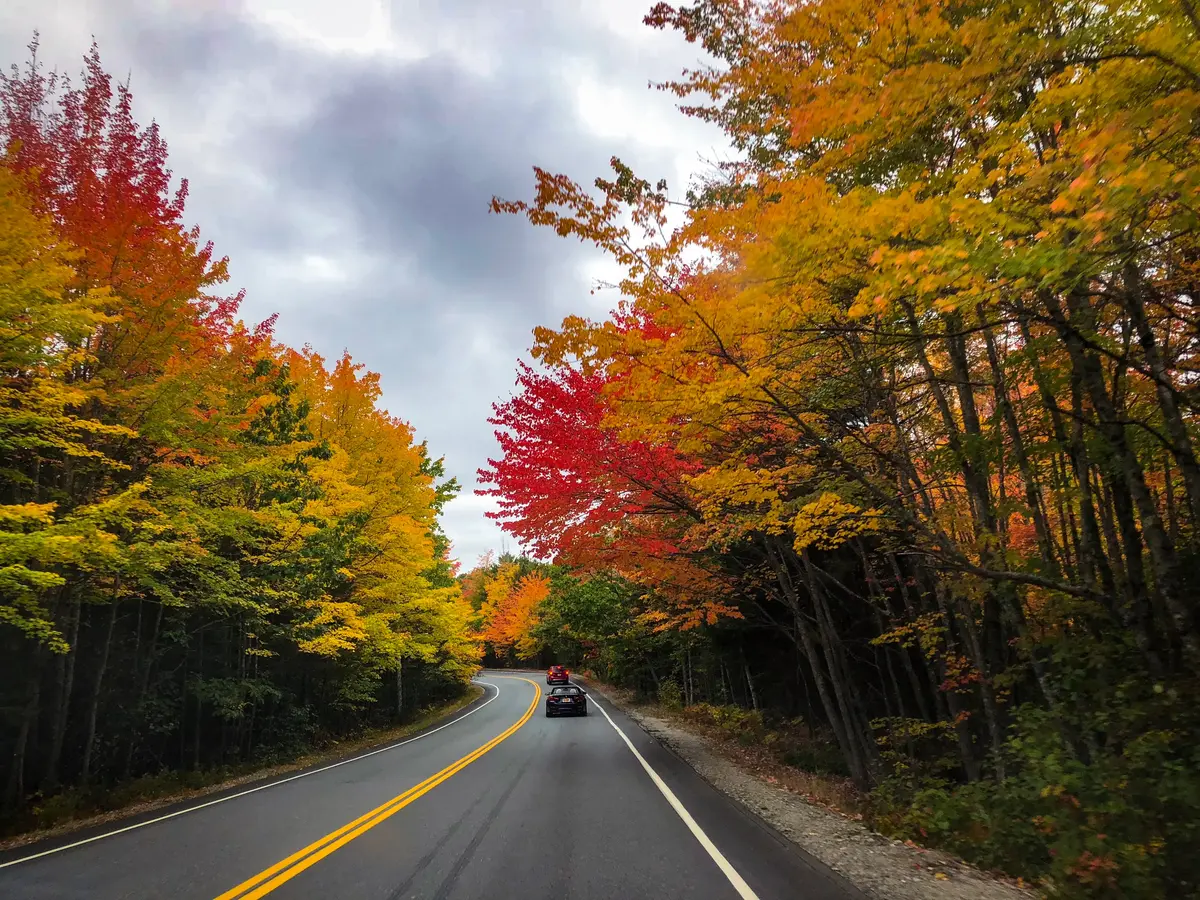
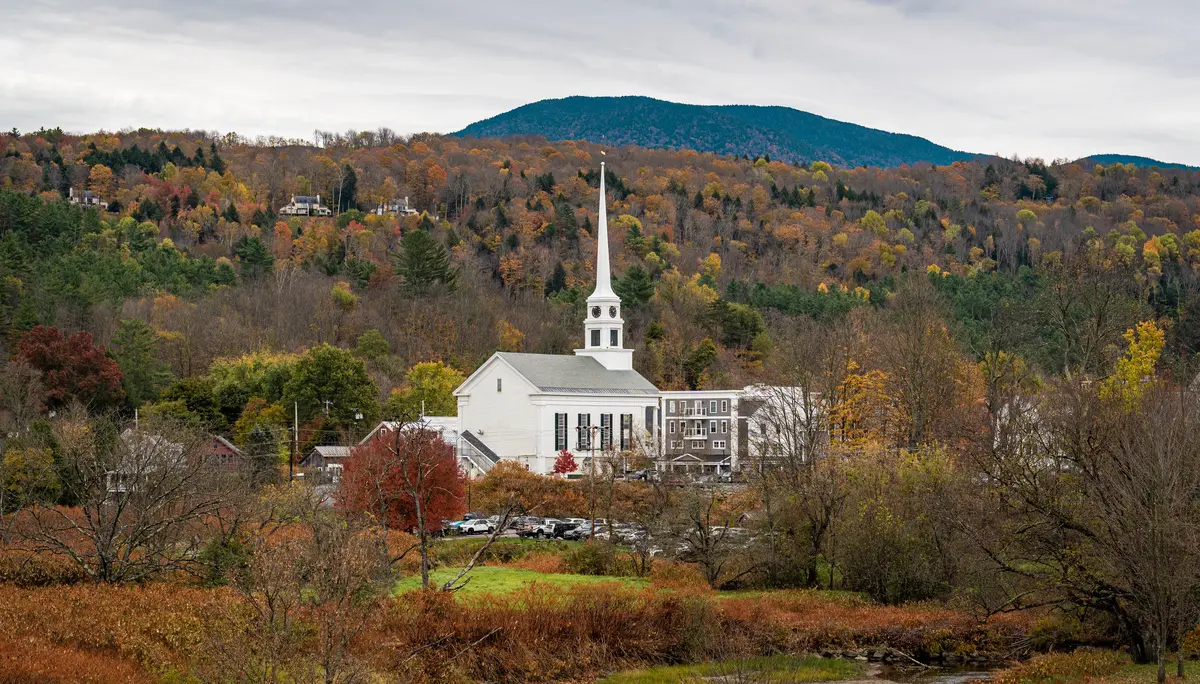
Mount Mansfield is Vermont’s highest peak at 4,395 feet (1,340 m), with a lift-served vertical drop of 2,360 feet (719 m) across about 485 acres and 116 trails. In fall, the same slopes become one of New England’s better foliage views. Smugglers’ Notch and the Trapp Family Lodge round out the reasons to come when there’s no snow.
The catch is hub math. Stowe is about 3.5 hours from Boston but 5 to 6 hours from New York, which pushes it firmly into Boston-weekend territory unless you’re committed to the drive.
- Location: Mountain Road corridor, Stowe, VT
- Cost: Inns roughly $200–350/night, peaking in foliage and ski season
- Best for: Couples and outdoorsy travelers in any season
- Time needed: Two nights, more if you’re skiing
Do the Cold Hollow Cider Mill donut run early. Foliage-weekend bus tours roll in mid-morning, and the warm-donut line gets long fast.
7. Bar Harbor and Acadia, Maine — The One That Needs a Reservation
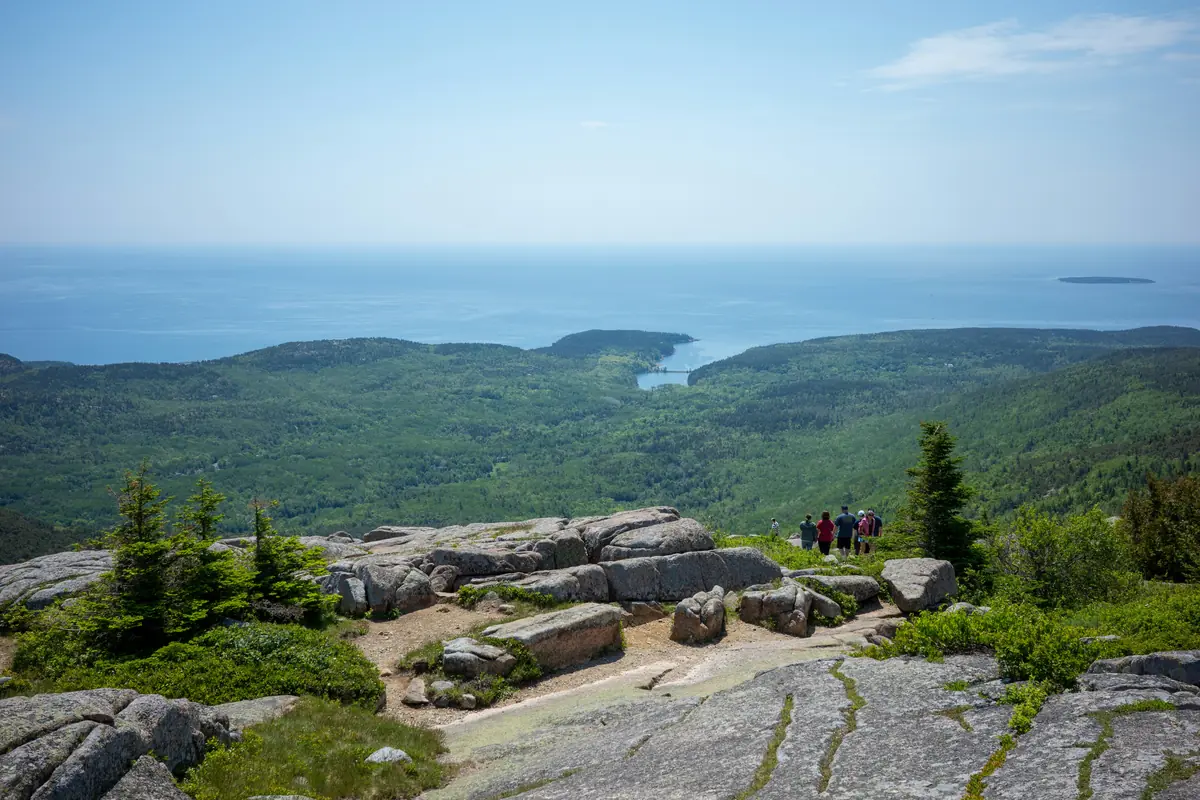
Acadia draws roughly 4 million visits a year into one of the smallest national parks in the country, and the crowd management shows. Entry is $35 per private vehicle for seven days. Driving the 3.5-mile Cadillac Summit Road requires a separate $6 timed vehicle reservation, required from mid-May through late October, sold only in advance on Recreation.gov — never at the gate. Sunrise slots go quickly.
Here is the trap. The Island Explorer shuttle is fare-free and it covers Sand Beach, Jordan Pond, and the Park Loop Road — but it does not serve Cadillac Summit Road. You cannot shuttle your way to the summit. You drive with a reservation, or you hike or bike up (both free, no reservation needed). Jordan Pond and Sand Beach lots fill by 9 or 10 a.m. in summer.
- Location: Mount Desert Island, ME; Bar Harbor as the base
- Cost: Hotels roughly $180–320/night in peak season; $35 park entry, $6 summit reservation
- Best for: Hikers and sunrise chasers willing to plan ahead
- Time needed: Two nights minimum; the drive from Boston runs about 5 hours
The Mid-Atlantic Picks: Cape May and Hudson
Two towns that reward slowness. Neither is a beach-party weekend, and both are better for it.
8. Cape May, New Jersey — Victorians, Ferries, and a Dog Problem
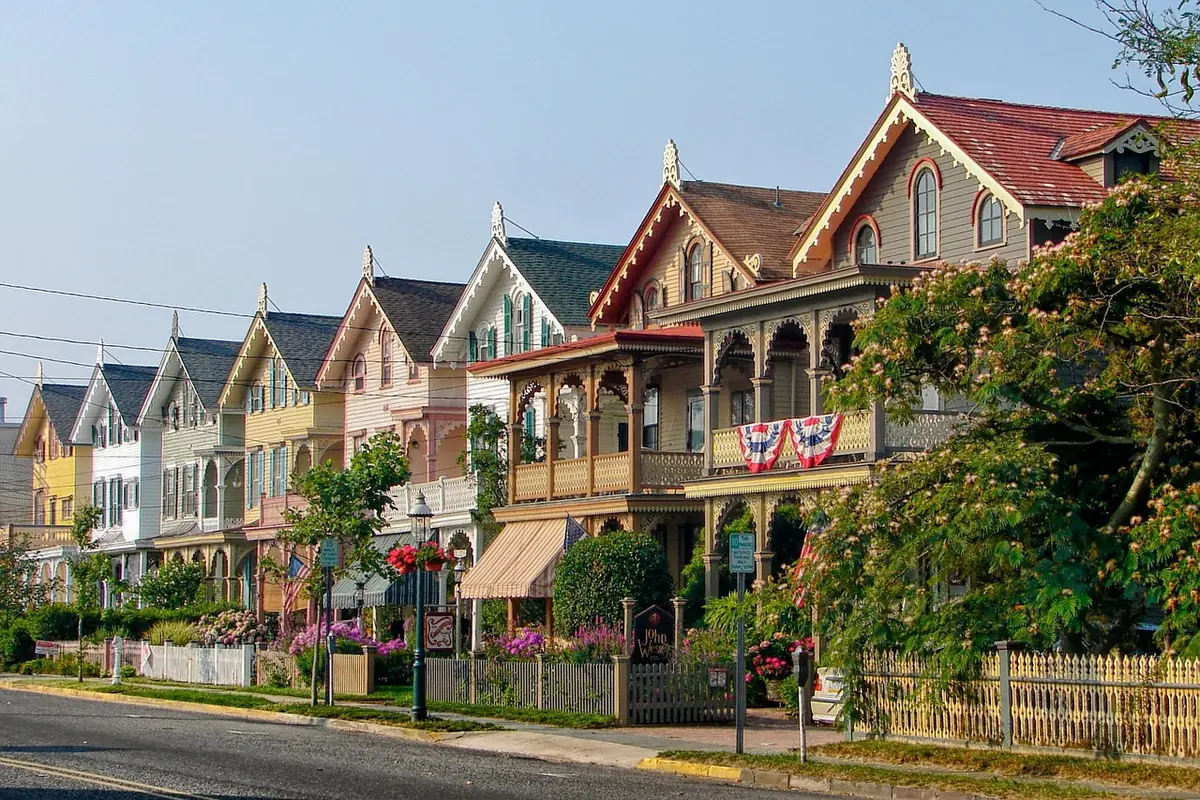
More than 600 buildings sit across 380 acres in a National Historic Landmark District, one of the largest surviving collections of late-19th-century frame houses in the country. The painted ladies along the Washington Street Mall, the Cape May Lighthouse, and Sunset Beach are the set pieces. The pace is slow on purpose — afternoon tea and sunset strolls, not boardwalk noise.
Set expectations: this is romance and architecture over party-beach energy, and it runs pricier than nearby Rehoboth. If you want cheaper sand, that’s the trade.
- Location: Historic district, Cape May, NJ
- Cost: Victorian inns roughly $200–350/night
- Best for: Couples and walkers who want atmosphere over a beach scene
- Time needed: Two nights
Pro Tip: Dogs ride free on the Cape May–Lewes Ferry, a 17-mile crossing of Delaware Bay that sails year-round — a scenic detour and an easy way into Delaware. But leave the dog at the inn for a downtown stroll: city ordinance bans dogs from the Washington Street Mall every day of the year, and Cape May City’s beaches are off-limits to dogs in season.
9. Hudson and the Hudson Valley, New York — The Flagship Car-Free Pick
Warren Street is the spine: a long, gentle uphill of antique dealers, design shops, and chef-driven restaurants that punch well above the town’s size. Olana, the painter Frederic Church’s home, sits across the river with the valley view that started an art movement. The Amtrak station is a few blocks from downtown, the ride from Penn Station runs about 2 hours, and off-peak one-way fares start around $38.
Ninety minutes south by Metro-North, Beacon anchors the other end with Dia Beacon, a former Nabisco box-printing factory turned daylight museum, half a mile from the train station. Admission is $25, and this is the detail that wrecks itineraries: it’s open Friday through Monday only. Show up Thursday and you’re looking at a locked door.
- Location: Warren Street, Hudson, NY; Beacon ~90 min south by Metro-North
- Cost: Inns and boutique hotels roughly $180–300/night
- Best for: No-car travelers who want art, food, and antiques
- Time needed: One to two nights
You arrive by train, you walk everywhere, and the last southbound departures run late enough — around 11 p.m. — to eat a proper sit-down dinner before you head home. Book the late reservation.
What Are the Best East Coast Weekend Trips From NYC, DC, and Boston?
From New York, the Hamptons, Hudson, and Newport are easiest. From Washington, Annapolis, St. Michaels, and Shenandoah all sit within about two hours. From Boston, Portland, Cape Cod, and Stowe are short hops. Train riders can reach Washington, Philadelphia, and Providence on the Northeast Corridor without touching a car.
By hub, the no-stress picks:
- From New York: the Hamptons (LIRR, ~2 hr), Hudson (Amtrak, ~2 hr), Newport (~3 hr drive)
- From Washington: Annapolis, St. Michaels, Shenandoah National Park (all within ~2 hr)
- From Boston: Portland (~2.5 hr), Cape Cod (~1.5 hr), Stowe (~3.5 hr)
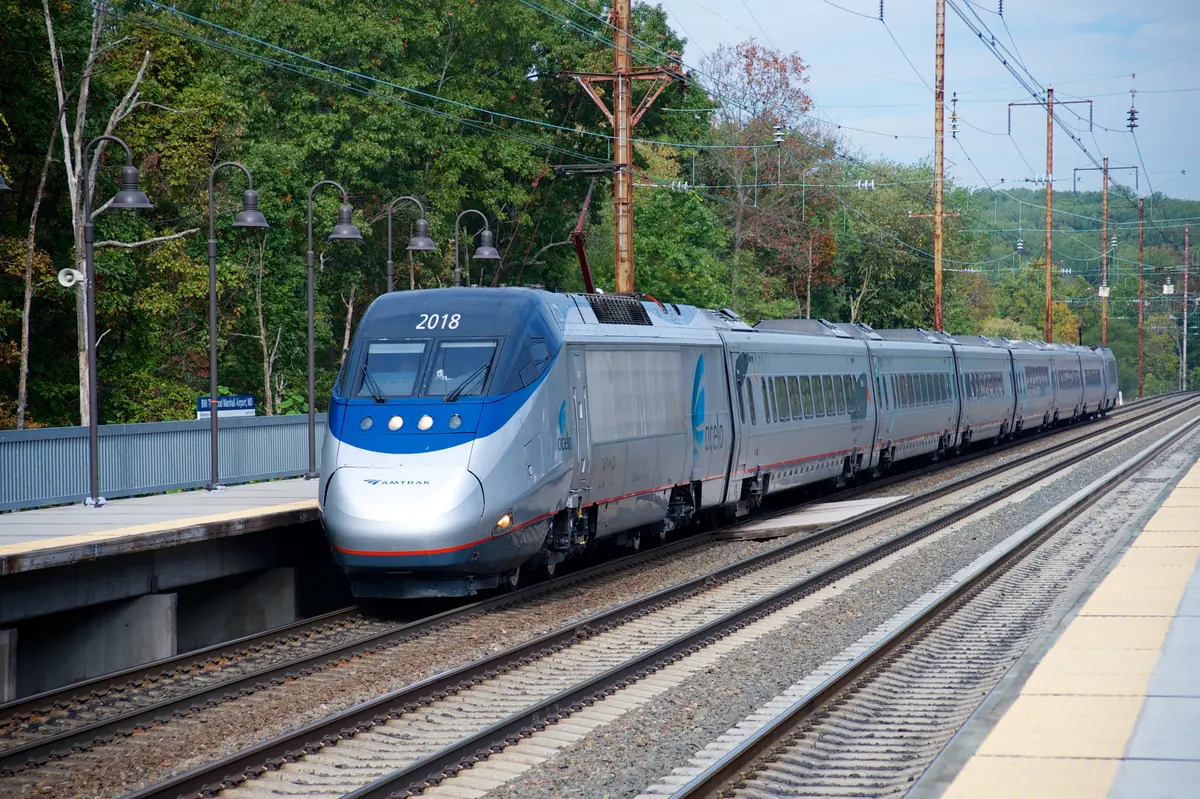
The train numbers are what make the car-free trips real. The Acela’s fastest scheduled New York–Washington run is 2 hours 47 minutes over the 226-mile (364 km) route. New York to Boston is 3 hours 30 minutes over 231 miles (372 km), averaging about 66 mph (106 km/h).
One expectation to reset: the NextGen Acela trainsets now entering service are faster on paper — 160 mph top speed, 27% more seats — but the published schedules didn’t shrink to match. Some new-equipment departures between Washington and New York are actually timetabled a few minutes slower than the trains they replace. Book them for the seat and the Wi-Fi, not the clock.
Pro Tip: Book the quiet car. Three hours with no speakerphone calls and no work talk is the calmest possible start to a weekend from any Northeast hub.
What Is the Cheapest East Coast Weekend Getaway?
The cheapest East Coast getaways pair a drivable distance with shoulder-season rates: Rehoboth Beach off-season, the Catskills, Charlestown in Rhode Island, or St. Augustine in Florida. Booking spring or late fall instead of summer cuts inn rates sharply, and many of the best things to do — beaches, boardwalks, historic districts — cost nothing at all.
Where the savings actually come from:
- Shoulder season: Spring or late fall undercuts summer pricing in nearly every coastal town
- Drivable distance: Skipping the flight is usually the single biggest line item you can cut
- Free attractions: The Cliff Walk, Savannah’s squares, and Cape May’s historic district are all free to walk
In Newport and on Cape Cod, a September midweek night can run a fraction of an August Saturday in the same inn. Same coast, same room, far less money.
Which Season Is Best for Each Destination?
Spring suits the South and Mid-Atlantic before the heat lands. Summer is beach prime, but crowded and priciest. September and October are the sweet spot for the New England coast and mountain foliage. Winter belongs to ski towns like Stowe and warm escapes like St. Augustine.
By region and season:
- Spring (Apr–May): Charleston and Savannah, with highs in the 70s°F (23–26°C) before the humidity arrives
- Summer (June–Aug): Cape Cod, Bar Harbor, and the Outer Banks at their beach best, at peak crowds and prices
- Fall (Sept–Oct): Newport, with highs in the low 60s°F (16–18°C), plus Stowe and Vermont foliage
- Winter (Dec–Mar): Stowe for skiing, St. Augustine for warmth
Foliage season is the one where planning beats spontaneity. Acadia’s parking lots fill by mid-morning, Stowe’s cider-mill lines stack up by 10 a.m., and Cadillac Mountain sunrise reservations disappear the moment they’re released.
What to Book — and When to Leave
Match the trip to who you’re traveling with and the season, and a weekend is genuinely enough time. Couples get the most out of Newport or Charleston in the shoulder season. Families do best on Cape Cod or the Outer Banks in summer. If you’d rather not drive, take the train to Hudson — just remember Portland’s station is 2 miles from the Old Port and Dia Beacon is shut Tuesday through Thursday.
The best East Coast weekend getaway is the one you keep under three hours each way and book outside of July. And the single biggest upgrade to any of these trips costs nothing at all: leave Friday morning, not Friday night.