East Coast cycling runs from the spruce woods of Maine to the turquoise flats of Key West — and almost none of it is one continuous trail. This guide ranks eight routes by surface, mileage and honest difficulty, with current prices, the sections that are closed right now, and the one stretch you should put on a train.
All 8 East Coast Cycling Routes at a Glance
Match the route to your tires, your timeline and your tolerance for traffic, and everything else follows. Some of these are fully car-free. One is a 469-mile mountain road with no shoulder — and a stretch of it you are legally not allowed to ride at the moment. Here is the whole field in one table.
| # | Route | Distance | Surface | Difficulty | Best Season | Family-Friendly | Bike-on-Transit |
|---|---|---|---|---|---|---|---|
| 1 | East Coast Greenway | 3,000 mi (4,800 km) | Mixed (~40% off-road) | Hard (long) | Spring start, Keys → north | Sections only | Amtrak skips worst gaps |
| 2 | GAP + C&O Towpath | ~335 mi (539 km) | Crushed limestone / dirt | Moderate | Late Apr–Oct | Older kids | Amtrak both ends |
| 3 | Virginia Capital Trail | 51.7 mi (83 km) | Paved | Easy | Spring, fall | Yes | Amtrak + private shuttles |
| 4 | Empire State Trail | 750 mi (1,207 km) | Mixed paved / stone dust | Hard (long) | Late spring–fall | Sections only | Amtrak NY corridor |
| 5 | Cape Cod Rail Trail | ~25–27 mi (40–44 km) | Paved | Easy | Fall | Yes | N/A (local) |
| 6 | Acadia Carriage Roads | 45 mi (72 km) | Crushed gravel | Easy–moderate | Summer–early fall | Yes | Free park shuttle (seasonal) |
| 7 | Blue Ridge Parkway | 469 mi (755 km) | Paved road | Very hard | Late Mar–early Dec, NC section partly closed | No | Exit to Asheville/Roanoke |
| 8 | Florida Keys Heritage Trail | ~90 of 106 mi (170 km) | Paved + road shoulder | Easy | Dec–Mar | Yes | Drive or fly into Miami |
Read the table top to bottom and a pattern shows up. The famous long-distance routes (1 and 4) are partly on roads. The genuinely relaxing rides (3, 5, 6, 8) are short, flat and paved. Pick accordingly.
1. East Coast Greenway — The Maine-to-Florida Spine
The East Coast Greenway is the backbone of East Coast cycling: a 3,000-mile (4,800 km) corridor from Calais, Maine to Key West, Florida, linking 15 states plus DC and 450 communities. More than 1,100 miles — close to 40% — runs on traffic-free trail, and the route now draws over 50 million visits a year, which makes it the most-used park in the country by some counting.
Treat the rest of that sentence as a warning, not a footnote. The unfinished parts are on-road, and the Alliance itself says plainly that long-distance travel on those interim links is for experienced cyclists only. This is a project in progress, not a coast-long bike highway you can roll onto blindly.
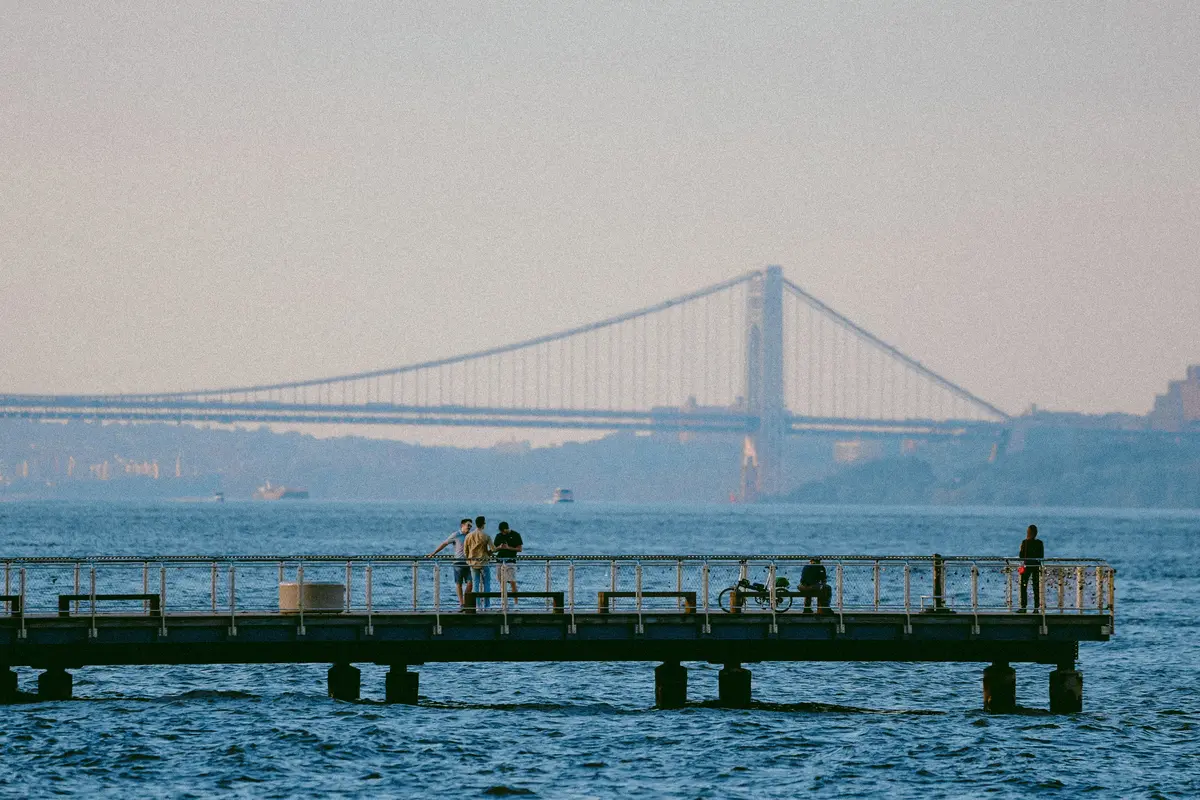
What makes it worth riding is the variety. In one trip you pass under the George Washington Bridge on the Hudson River Greenway, Philadelphia’s Schuylkill River Trail, Georgetown’s towpath in DC, and the live-oak corridors of the Carolina Lowcountry. New links keep closing gaps — the East Midtown Greenway now carries the route along Manhattan’s east side, where the city’s Greenway route is 87% complete, and a riverfront segment of Richmond’s Fall Line Trail adds car-free miles through the city. The Alliance’s strategic plan aims to double annual biking and walking on the route.
Pro Tip: Ride the Greenway in sections, not as one push. Plenty of riders do a week a year over several years, which lets you skip the on-road gaps and the bad-weather months entirely.
How Long Does It Take to Ride the Greenway End to End?
Most cyclists take two to four months to ride the full 3,000 miles (4,800 km), depending on daily distance and rest days. The three people who have walked the whole thing took roughly six months. Many riders never do it in one go — they ride it in sections over several years, partly because most of the route still runs on interim roads rather than protected trail.
How Much of the Greenway Is Actually Car-Free?
Roughly 40% — more than 1,100 miles — is off-road trail protected from traffic. Separately, the Alliance reports that 65% of the route is complete or in an advanced stage of development. Those two numbers measure different things: one is finished traffic-free trail you can ride today, the other is the planning and construction pipeline.
That gap between “40% car-free” and “65% underway” is the most misquoted fact in East Coast cycling. Competing guides cite 30%, 35%, 40% and 65% as though they are interchangeable. They are not. The lower number is what exists under your tires. The higher number is what exists on a map in a planning office.
Should You Ride North or South?
Start in spring at Key West and ride north. You leave Florida before the summer heat and humidity peak, hit the mid-Atlantic in early summer, and reach New England as it warms. Going the other way means either starting in a cold Maine spring or arriving in Florida during hurricane season, which runs July through November. Both are worse trades.
The numbers that matter:
- Distance: 3,000 mi (4,800 km), Calais, ME to Key West, FL
- Surface: ~40% off-road stone dust and pavement; the rest interim on-road
- Gradient: rolling, no sustained mountain climbs
- Cost: campgrounds to roughly $80–150/night hotels; Warmshowers hosting free after a $30 one-time membership
- Best season: spring start in the Keys, riding north
- Bike: 32–38mm tires; use Amtrak to skip the worst gaps
- Best for: long-distance tourers riding sections or the full spine
- Official resource: greenway.org
If a 3,000-mile commitment is more than you want, the East Coast’s rail-trails deliver the same car-free experience in multi-day chunks. These next three are the ones worth booking time off for.
2. Great Allegheny Passage and C&O Canal Towpath
The Great Allegheny Passage plus the C&O Canal Towpath form a roughly 335-mile (539 km) car-free route between Pittsburgh and Washington, DC — the best multi-day rail-trail on the East Coast, full stop. The 150-mile GAP rides on packed crushed limestone with a maximum grade of just 1.75%. The C&O adds 184.5 miles of dirt-and-limestone towpath with only about 605 feet of total climbing toward Cumberland.
On the GAP you are never more than about 9 miles from a trail town, so resupply is easy. Guided and self-guided tours run late April through October.
Pro Tip: The Big Savage Tunnel (3,294 ft) closes for winter around the end of November and reopens in late March or early April, with no easy road bypass — the local roads over the mountain are narrow and steep. Check the trail alerts at gaptrail.org before you commit to a shoulder-season through-ride.
Why Do the GAP and C&O Feel Like Different Trails?
Because they are. The GAP’s crushed limestone is packed hard enough to ride almost like pavement. The C&O is a dirt towpath: bumpy, root-crossed, and turning to peanut butter after rain. Riders consistently flag the first 10 to 20 miles out of Cumberland as the roughest stretch of the whole 335.
The towpath is being rehabilitated section by section, and the resurfaced parts are genuinely smooth crushed limestone. The rest varies. That means your experience depends heavily on where the rehab crews have gotten to and whether it rained last week. Expect ruts, grass and standing water on the unimproved stretches, and fit fenders if your frame takes them.
Standing detours are part of the deal, not a surprise. Between mileposts 84.4 and 89.1 near Big Slackwater, high water can put the towpath under the Potomac, with a signed road detour. A closed bridge at Polly Pond pushes riders off the towpath at Lock 56 onto two miles of the parallel Western Maryland Rail Trail before rejoining at Lock 55.
Where Do You Sleep and Fill Water on the C&O?
Free hiker-biker campsites sit every 5 to 8 miles along the towpath, each with a fire ring, picnic table and toilet. The catch: the National Park Service now signs the well water at hiker-biker sites as non-potable. Filter it, treat it, or carry your own. Well handles come off around mid-November and go back on around mid-April.
This is the single most out-of-date fact in older C&O write-ups, which still tell you to drink straight from the pumps. Bring a filter or tablets. Water at the paid drive-in campgrounds is treated and potable, but you are unlikely to be sleeping there.
- Distance: ~335 mi (539 km), Pittsburgh to Washington, DC (GAP 150 mi + C&O 184.5 mi)
- Surface: GAP packed crushed limestone; C&O dirt and limestone towpath, partly rehabbed
- Gradient: GAP under 1.75% max; C&O roughly 605 ft total
- Cost: free to ride; trail-town hotels ~$80–150/night; guided tours more
- Best season: late April–October (Big Savage Tunnel closed roughly late Nov–late Mar)
- Bike: 35mm+ tires; expect mud after rain on the C&O
- Best for: a first car-free multi-day tour
- Official resource: gaptrail.org and nps.gov/choh
3. Virginia Capital Trail — Jamestown to Richmond, Car-Free
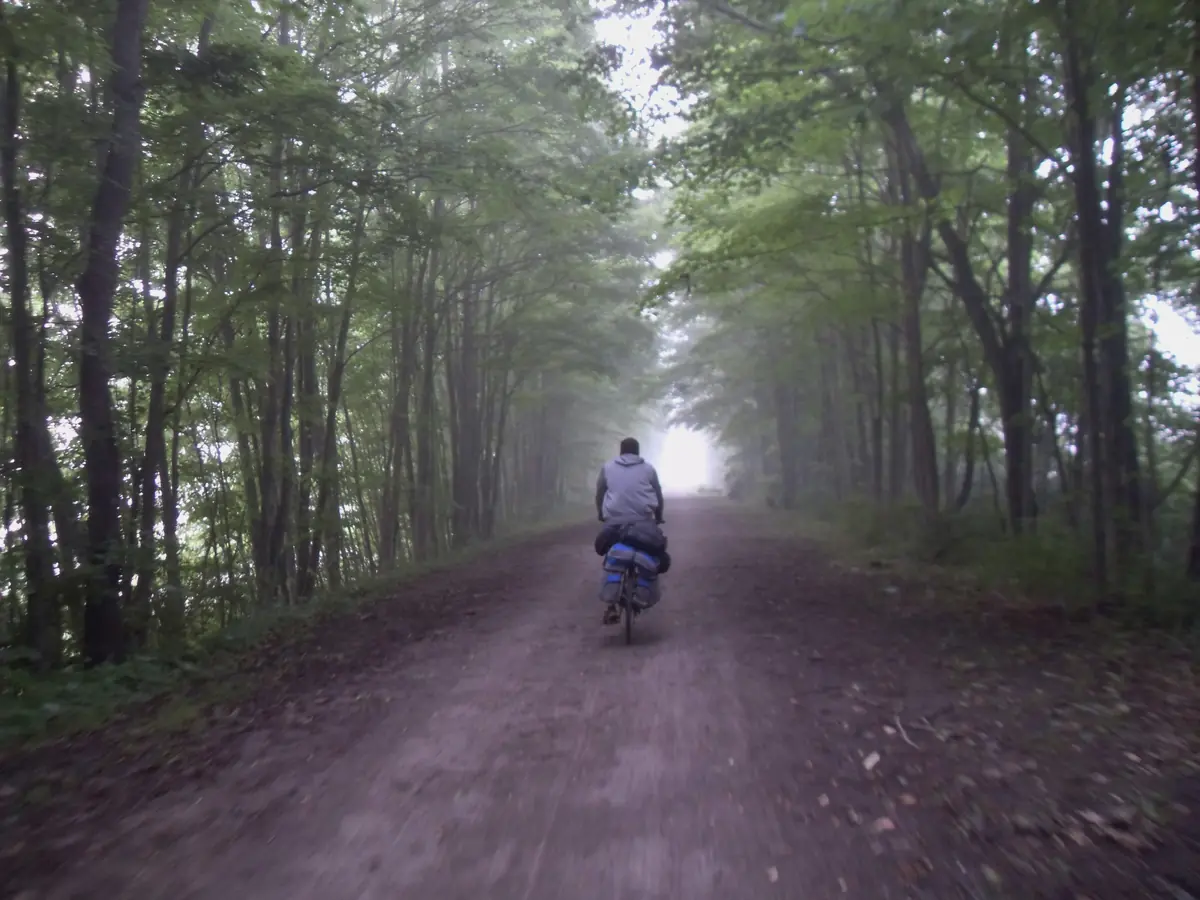
The Virginia Capital Trail runs 51.7 miles (83 km) of paved, 8-to-10-foot-wide path between Jamestown and Richmond, paralleling Scenic Route 5 past colonial history the whole way. It draws well over a million users a year, which tells you how good a flat, traffic-separated ride feels in this part of the country.
“Flat” needs an asterisk. The Jamestown end is genuinely easy. Riders coming into Richmond describe something closer to a third flat, a third climbing and a third descending — rolling, not brutal, but not the pancake the marketing implies. Budget more time than the mileage suggests for the last 15 miles into the city.
The one-way logistics are the trail’s quiet superpower, and most guides get them wrong. The Virginia Capital Trail Foundation does not run a shuttle — but two private operators do, and Richmond’s Amtrak Main Street Station sits a few blocks from the Great Shiplock Park trailhead, with overnight parking at $1 per hour or $6 per 24 hours. You can ride one direction and train back without ever arranging a car drop.
- Location: Jamestown Settlement (mile 0) to Great Shiplock Park, Richmond
- Distance: 51.7 mi (83 km)
- Surface: paved, 8–10 ft wide, with short boardwalk sections
- Gradient: flat near Jamestown, rolling near Richmond
- Cost: free to ride; free parking at 11-plus trailheads; rentals and private shuttles available
- Best season: spring and fall
- Best for: a long day ride or a relaxed overnight
- Official resource: virginiacapitaltrail.org
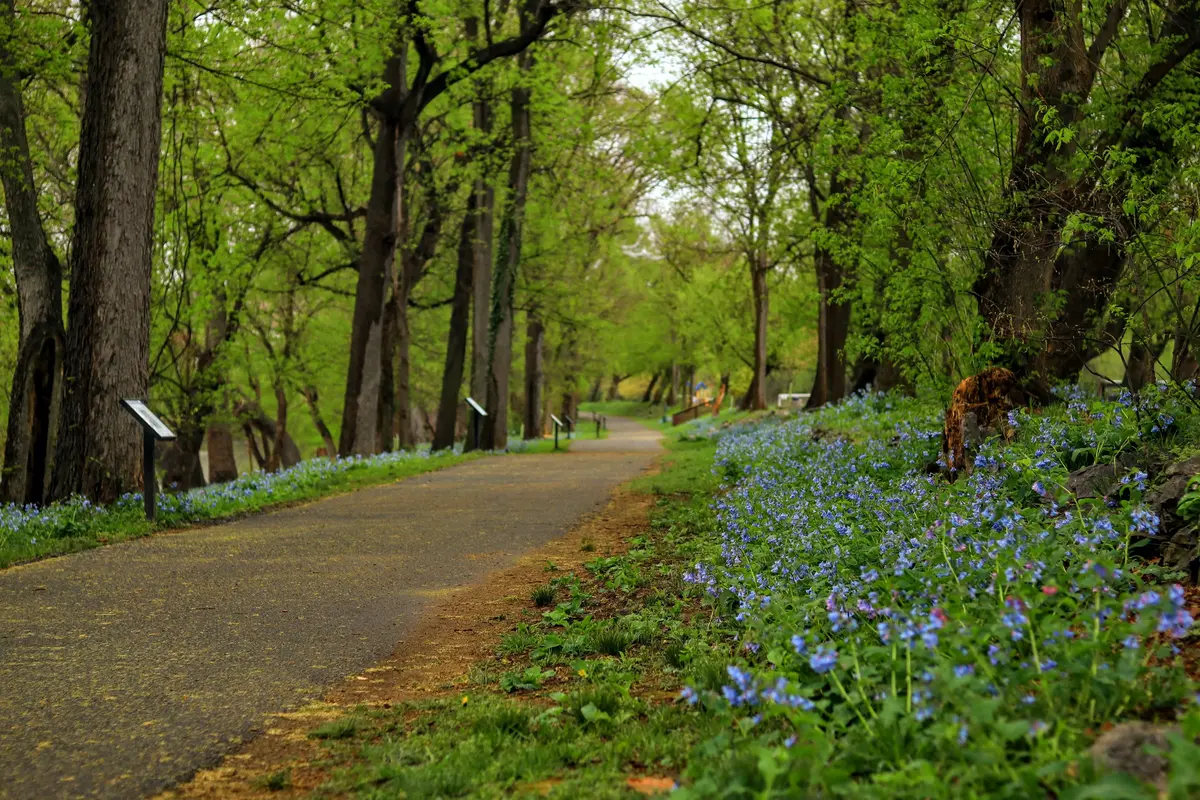
4. Empire State Trail — 750 Miles Across New York
At 750 miles (1,207 km) and about 75% off-road, the Empire State Trail is the longest multi-use state trail in the country, running from New York City to the Canadian border and from Albany to Buffalo. The flat, roughly 360-mile Erie Canalway Trail forms its east-west spine and is the part most riders come for.
The canal sections are genuinely flat and shaded, threading old lock towns where you can refill water and buy pie. The NYC-to-Albany leg is a different animal, with real hills along the Hudson and one significant on-road stretch between Kingston and Hudson. Do not assume the whole 750 is canal-easy because the brochure photo shows a towpath.
The cheapest way to sleep on the canal is the one almost nobody mentions: 18 Erie Canal locks offer free primitive campsites to trail travelers, open May through October, first-come and limited to 48 hours. You coordinate directly with the Canal Corporation section office for the lock you want. Lock 33, near Rochester, is the westernmost of them.
- Distance: 750 mi (1,207 km), ~75% off-road; includes the ~360-mi Erie Canalway
- Surface: mix of pavement and stone dust
- Gradient: flat along the canal; hills on the NYC–Albany leg
- Cost: free to ride; free lock campsites May–Oct; lodging varies by town
- Best season: late spring through fall
- Best for: long-distance riders who want mostly car-free miles
- Official resource: empiretrail.ny.gov
Not every East Coast ride needs panniers and a month off work. The next two are flat, car-free, and built for a half day with kids, rentals and a lunch stop.
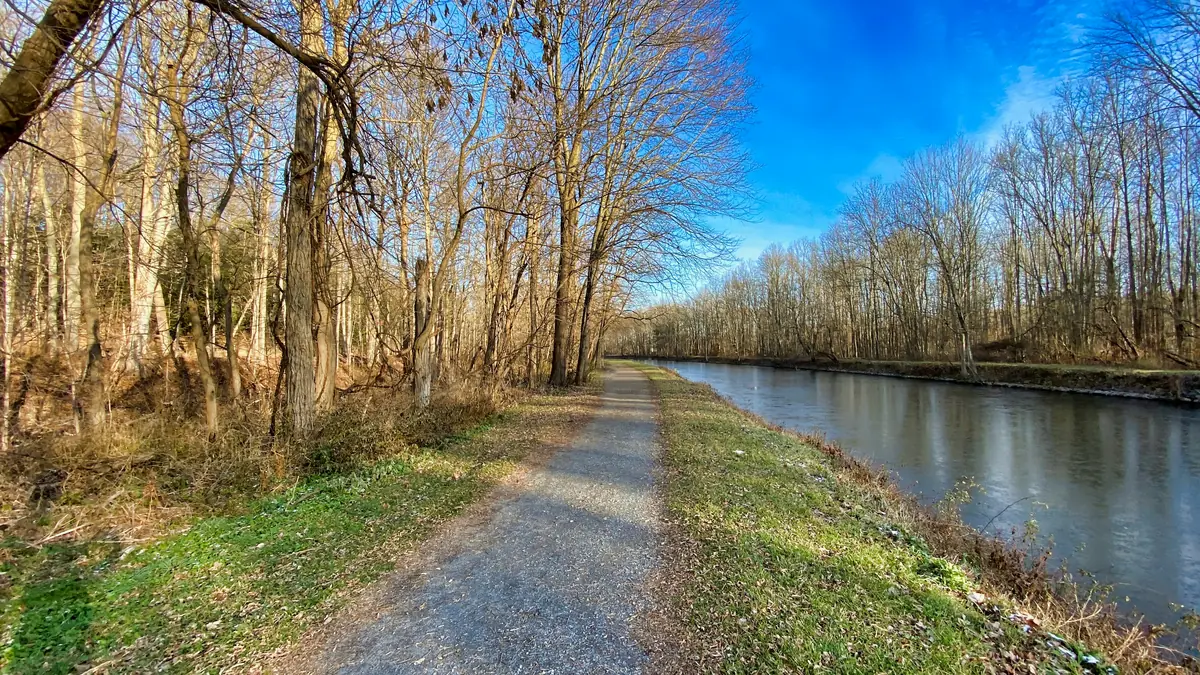
5. Cape Cod Rail Trail — Flat, Paved, Family-Proof
The Cape Cod Rail Trail is roughly 25 to 27 miles (40–44 km) of flat, paved path running through seven towns from Yarmouth to Wellfleet. Nonstop it is about 2.5 hours; with stops, it is a near-perfect half day. A 15 mph speed limit keeps it calm enough for families and first-timers.
The food stops are the whole point. Cobie’s in Brewster does fried clams worth planning around, the Brewster General Store is a classic refuel, and the 2-mile spur from the Salt Pond Visitor Center out to Coast Guard Beach is the best detour on the trail. Come in October and you ride past cranberry bogs in harvest.
Here is the friction point riders keep reporting and guides keep omitting: tree roots have buckled the asphalt badly between Orleans and Wellfleet. Cyclists describe counting hundreds of 2-to-4-inch root heaves on that northern half, enough that people complain about their wrists by the end. It is not dangerous. It is just not the glass-smooth ride the word “paved” suggests. Wider tires and a loose grip help.
Pro Tip: You do not have to pay to park. Nickerson State Park charges roughly $5 for Massachusetts residents and $20 for non-residents in season, but the DCR trailheads at Station Avenue, Route 134, Headwaters Drive, Route 137, Orleans, Nauset Road and LeCount Hollow are all free. Park free, ride in.
- Distance: ~25–27 mi (40–44 km), Yarmouth to Wellfleet
- Surface: paved; significant root heave north of Orleans
- Gradient: flat
- Cost: free to ride; e-bike rentals roughly $25/hr or $56/day; Nickerson parking $5 resident / $20 non-resident
- Time needed: ~2.5 hrs nonstop; a half day with stops
- Best season: fall, around the October cranberry harvest
- Best for: families and casual riders
- Official resource: mass.gov (DCR)
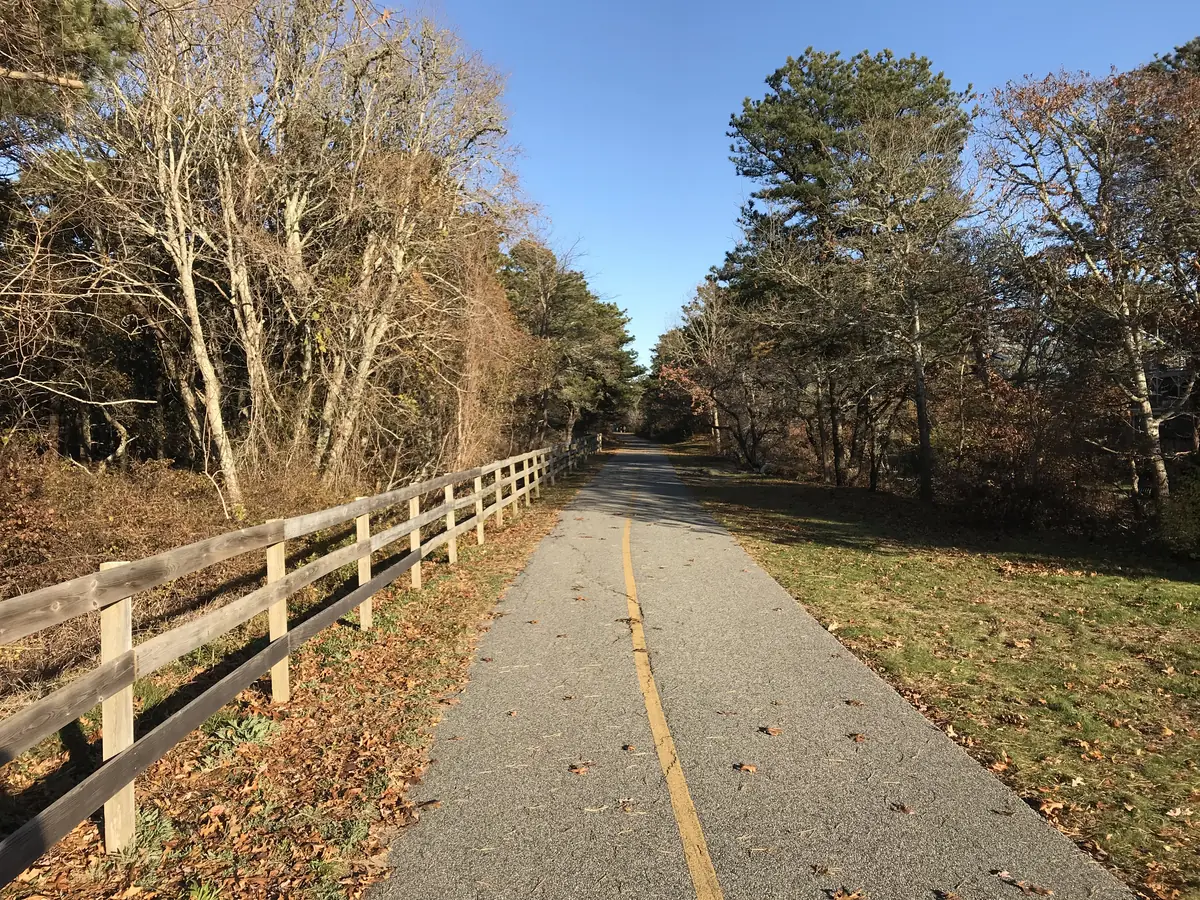
6. Acadia Carriage Roads — 45 Car-Free Gravel Miles
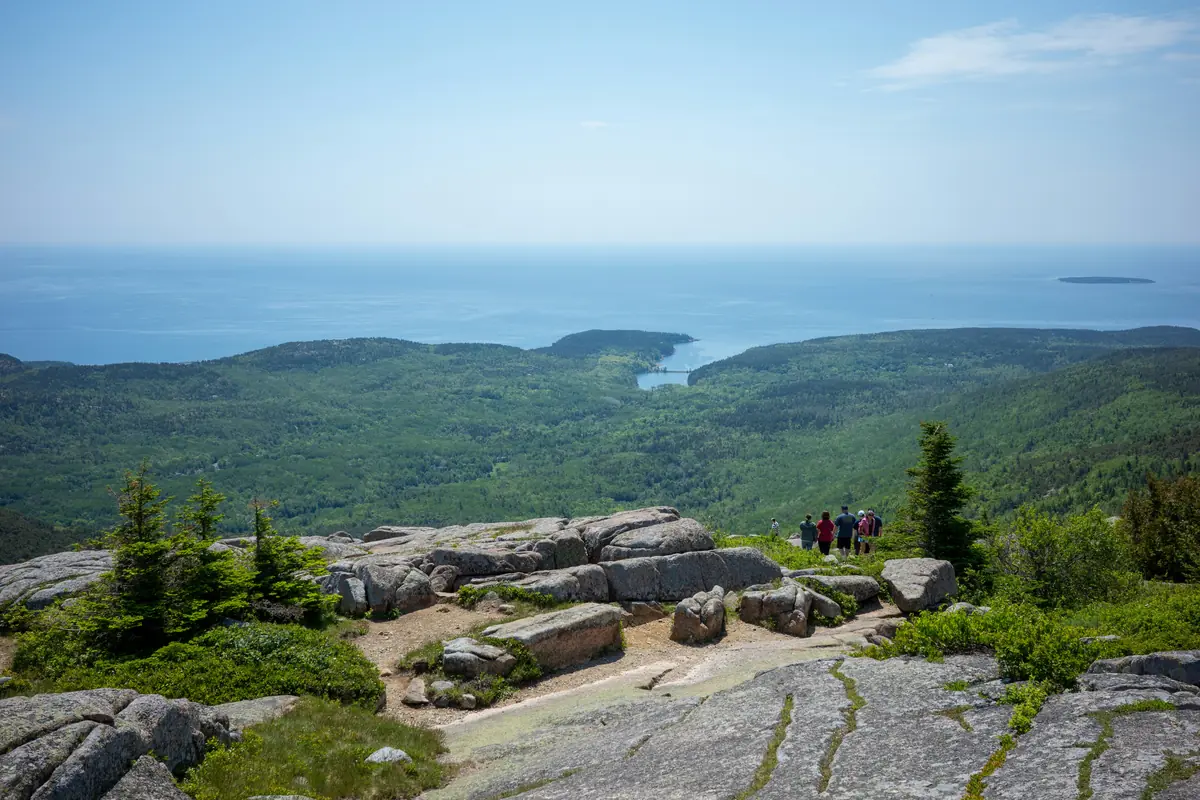
Acadia National Park’s carriage roads give you 45 miles (72 km) of crushed-gravel, motor-free riding past 17 historic stone bridges — the best car-free terrain in the Northeast, and it is not close. The Eagle Lake and Jordan Pond loops are the signature rides, gentle enough for confident kids but good enough that adults do not mind the repeat laps.
Bring the right bike and the right expectations. Only Class 1 e-bikes are permitted, and skinny road tires will fight the gravel the entire way. Park entry runs $35 per vehicle for seven days or $20 per person arriving on foot or by bike — both up from what older guides list. Non-US residents pay an additional $100 per person surcharge.
The free Island Explorer Bicycle Express shuttle saves you from riding the busy connector roads, but it runs seasonally, roughly late June through mid-October. Outside that window, you ride the roads or you drive.
- Distance: 45 mi (72 km) of crushed gravel, car-free
- Surface: crushed rock; 17 historic stone bridges
- Gradient: gentle to moderate
- Cost: park entry $35/vehicle (7 days) or $20/individual; free Island Explorer bike shuttle in season
- Best season: summer through early fall
- Best for: families and Class 1 e-bike or gravel riders
- Official resource: nps.gov/acad
These next two routes sit at opposite ends of the difficulty scale and opposite ends of the calendar. One is the hardest paved ride on the coast. The other is the one you do in January in shorts.
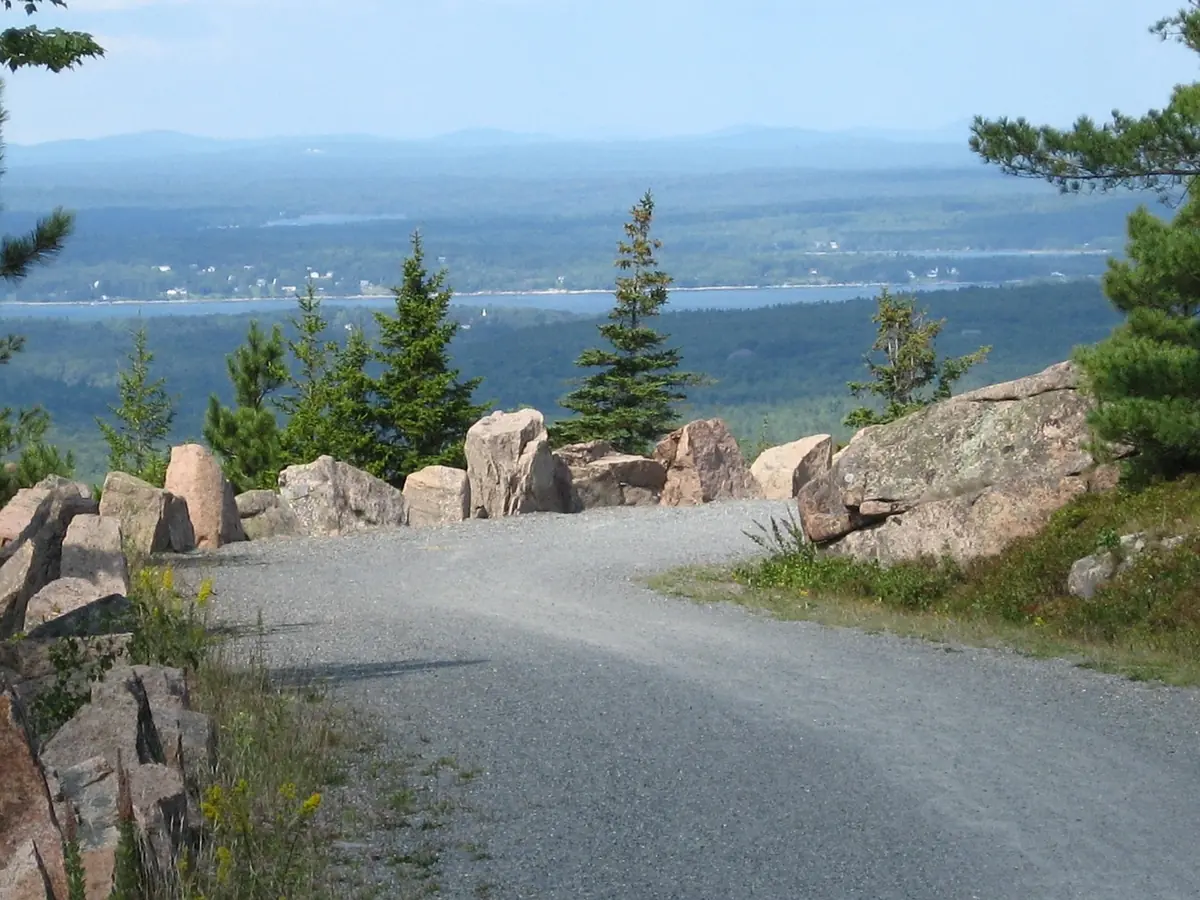
7. Blue Ridge Parkway — The Hardest Ride on the East Coast
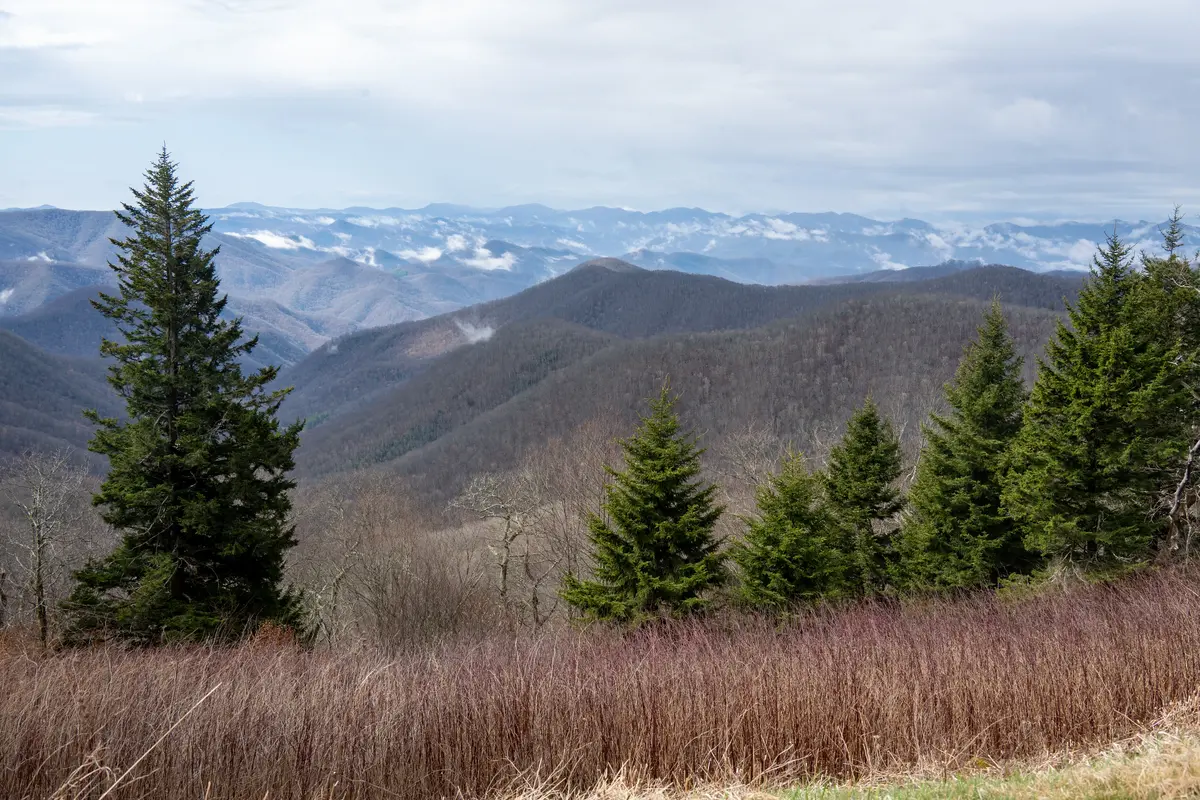
The Blue Ridge Parkway is the toughest East Coast ride there is: 469 miles (755 km) of paved mountain road from Virginia to North Carolina, with over 100,000 feet of cumulative climbing, an average grade around 4.2%, and a high point of 6,053 feet at Richland Balsam. Roughly a fifth of the route exceeds a 7% grade. This is for experienced climbers only.
Read this part before you book anything. Hurricane Helene did about $1.7 billion in damage to the Parkway, and a stretch of roughly 35 miles in North Carolina — from around the Linville Falls area south toward Mount Mitchell State Park — remains closed while landslide repairs finish. Recreation of any kind is prohibited inside those closures, so you cannot simply ride around the gate. Shorter construction closures also sit near Moses Cone and north of Beacon Heights, and a Virginia section south of US 460 is closed to cars but open to trail use. A continuous 469-mile ride is not currently possible.
The danger is not just the gradient, and it never was. There are no shoulders, no on-route gas stations or bike shops — you exit to Asheville, Boone or Roanoke to resupply — and a string of dark, unlit tunnels. Front and rear lights are not optional. Ride a tunnel without them and you disappear from traffic entirely. In the active repair zones between Asheville and Mount Mitchell, expect heavy equipment and gravel trucks sharing the road with you.
- Distance: 469 mi (755 km), Virginia to North Carolina — not currently continuous
- Surface: paved road, no shoulders
- Gradient: avg ~4.2%; 100,000+ ft cumulative climb; high point 6,053 ft
- Cost: free to ride; lodging in Asheville, Boone or Roanoke
- Best season: late March to early December, weather permitting
- Bike: front and rear lights mandatory for the tunnels
- Best for: experienced road climbers
- Official resource: nps.gov/blri — check the road status page before every trip
8. Florida Keys Overseas Heritage Trail — The Winter Escape
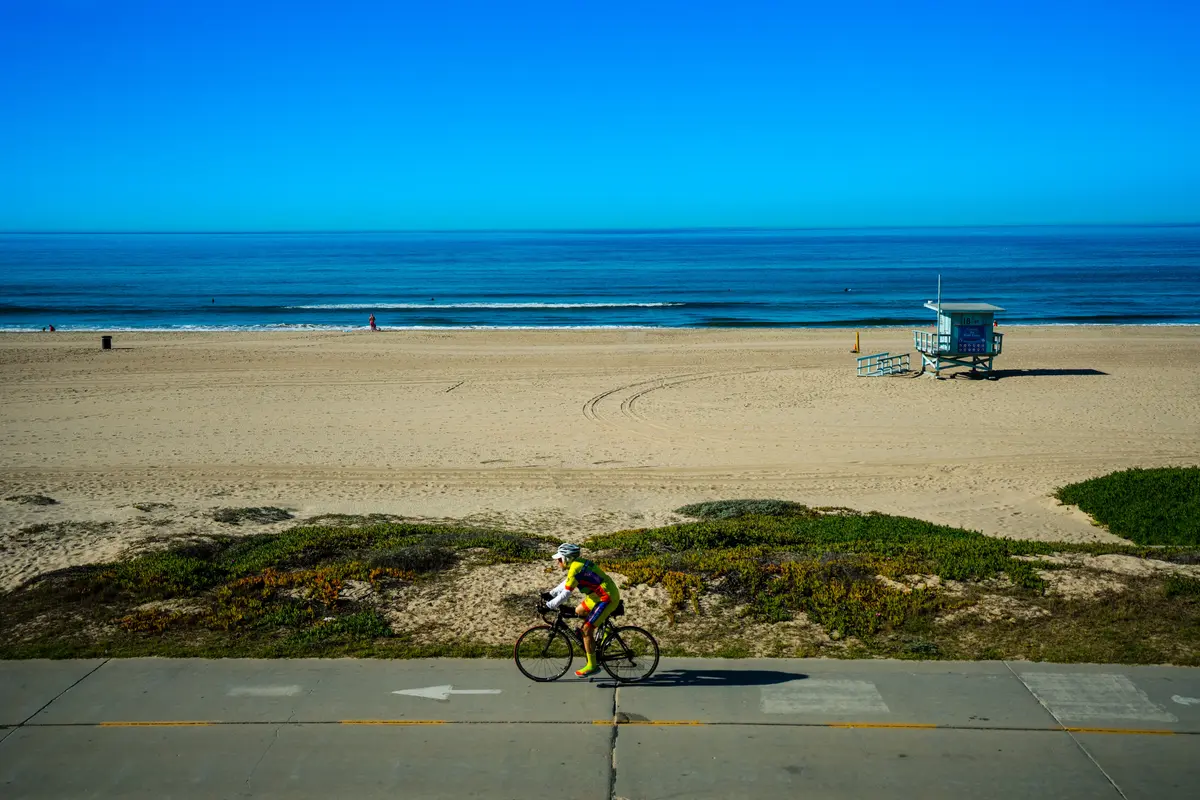
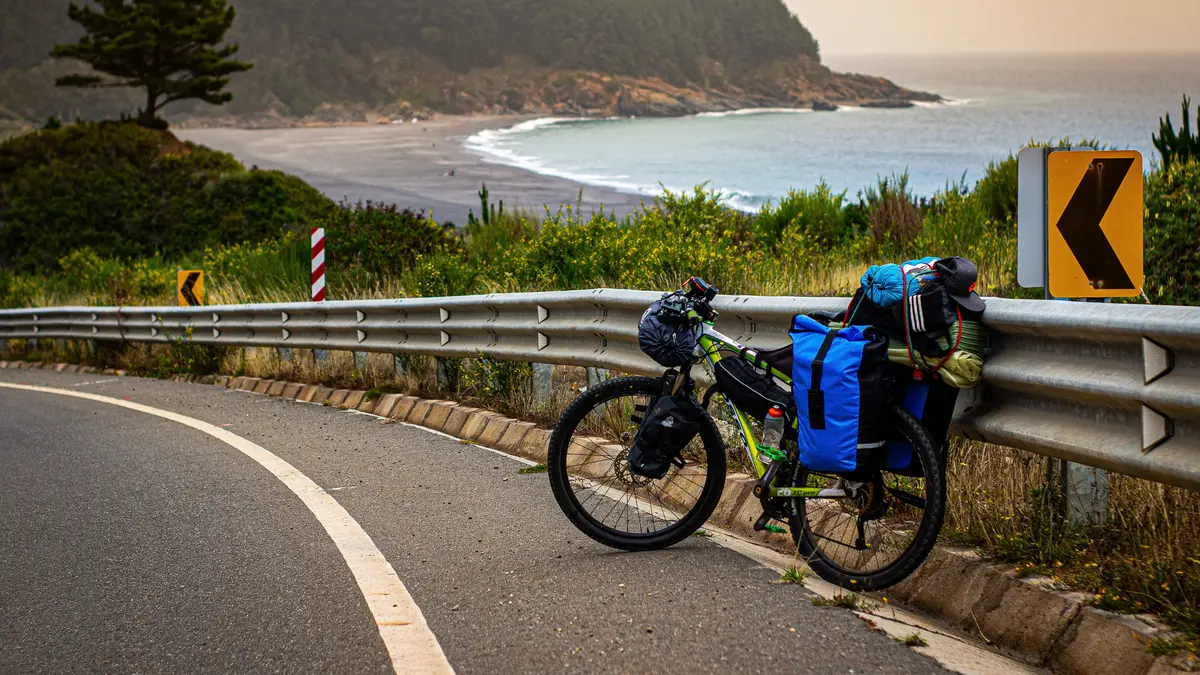
The Florida Keys Overseas Heritage Trail is the East Coast’s winter ride: more than 90 of a planned 106 miles (170 km) are built and paved between Key Largo and Key West, incorporating 23 historic Flagler railroad bridges, including the much-photographed Seven Mile Bridge. Ride it December through March, when air temperatures sit in the upper 70s°F (~25°C). The longest continuous car-free stretch runs the Upper Keys, from Key Largo down through Islamorada — about 34 miles of it.
It is not flawless, and the gap between “rail-trail” and reality is wide. The route parallels US-1 and crosses it repeatedly, and roughly 15 miles still put you on the road shoulder, mostly in the Lower Keys. The Seven Mile Bridge shoulder is around five feet wide, strewn with debris, with semis passing at speed. Plenty of riders love it. Plenty of others call a cab and meet their group on the far side. Both are reasonable.
Two specific traps worth knowing. Several of the old railroad bridges are closed for safety or simply dead-end — the Channel 5 bike bridge does not go through, and riders report having to backtrack after missing a “no outlet” sign. And nail flats are endemic: one group logged four punctures from road debris on a single Key Largo-to-Key West run.
Pro Tip: Ride southbound. The prevailing wind here is out of the northeast most of the year, which is why guided tours are built Key Largo to Key West — riders report a tailwind south and 20-to-30-mph headwinds coming back north. If you are doing an out-and-back, plan two days for the return leg, or take the bus. And run Kevlar-lined tires with two spare tubes.
- Distance: ~90 of 106 planned mi (170 km), Key Largo to Key West
- Surface: paved; parallels US-1, with ~15 mi still on road shoulder
- Gradient: flat
- Cost: free to ride
- Best season: December–March (air upper 70s°F / ~25°C, water low 70s°F)
- Best for: winter riders and snowbirds
- Official resource: floridastateparks.org
Which East Coast Cycling Stretch Should You Skip?
Skip the interim on-road route between Charleston and Savannah and take Amtrak instead. The East Coast Greenway Alliance strongly advises against riding these high-stress segments — it names US-17 between Jacksonboro and Rantowles, South Carolina, and SC-170 north of Okatie — and points long-distance travelers toward vehicle support or the train.
The bare phrase “biking the East Coast” sells a fantasy of one continuous trail, and that trail does not exist. Most of the Greenway is still interim routing, and a few of those interim miles run on fast, shoulderless highway with no provision for bicycles at all. The skill in East Coast cycling is knowing which gaps to ride and which to put on a train. This is one to put on a train, and the Alliance will tell you so itself.
If you must ride it, the Alliance’s own advice is blunt: travel as a group, run a support vehicle behind you with hazards on, wear high-visibility clothing, use flashing lights, and take any parallel sidewalk that exists. That is not a route description. That is a risk mitigation plan.
How Do You Travel with a Bike on the East Coast?
Yes, you can bring a bike on Amtrak in the Northeast without boxing it. Many corridor trains have carry-on bike racks. Reserve a bike space when you book, remove the front wheel and all panniers before boarding, and arrive about 30 minutes early. Fees run $0 to $20 per bike per leg, depending on the route.
Two constraints trip people up, and neither is on the Amtrak marketing page.
- Space is scarce. Northeast Regional departures carry as few as two bikes. When the rack is full, it is full. Book the bike the moment you book the seat.
- Tire width is capped at 2 inches. The rack hooks will not take anything wider. This is the quiet reason a lot of gravel and bikepacking setups get turned away at the platform — 32–38mm tires are fine, 2.3-inch mountain rubber is not.
The old “box your bike” advice is outdated for Northeast corridor travel, though boxing remains an option on routes with checked baggage, and a fallback if the bike spaces sell out.
Which Ferries and Shuttles Fill the Gaps?
Roll-on racks change how you plan a tour: ride a great segment, then train past a bad one. Beyond Amtrak, several ferries and shuttles patch the coast together — the James River ferry in Virginia, the St. Johns River ferry in Florida, NY Waterway across the Hudson, and Acadia’s free Island Explorer Bicycle Express. Check each one’s bike policy and operating season before you build it into a tight day.
When Should You Ride Each Region?
There is no single season for the whole coast, which is the entire point of having options. The Keys ride best December through March. New England rail-trails peak in fall. The GAP and C&O want late April to October, outside the Big Savage Tunnel’s winter closure. The Blue Ridge Parkway opens roughly late March to early December.
Chase the route to the weather, not the other way around. The riders who have a bad time are almost always the ones who picked a destination first and a date second.
What Does East Coast Cycling Actually Cost?
Riding is mostly free. Lodging is the swing factor: trail-town hotels run roughly $80–150 a night, which compounds fast on a multi-week tour. Park entry adds $35 per vehicle at Acadia. Amtrak adds up to $20 per bike per leg. Everything else — trails, canal campsites, DCR trailhead parking — is free if you plan for it.
The budget levers, in the order they actually save you money:
- Warmshowers: a reciprocal hosting network with roughly 180,000 members. Stays are free; joining costs a one-time $30 fee, which older guides forget to mention.
- Free campsites: C&O hiker-biker sites every 5 to 8 miles, and 18 Erie Canal lock campsites from May to October.
- Free trailhead parking: on the Cape and along the Virginia Capital Trail, the paid lots are optional.
- Mixed lodging: most long-distance tourers alternate motels, short-term rentals and Warmshowers rather than paying for hotels every night.
Pro Tip: Do not bring a skinny-tire road bike to the Greenway, the GAP or the C&O. Stone dust and dirt towpath chew up narrow tires and rattle your hands loose. The comfort sweet spot is 32–38mm — wide enough for the rough stuff, fast enough on pavement, and narrow enough to fit an Amtrak bike rack.
Pick the Surface, Then the Season
If you want one car-free tour and you only get to do one, ride the GAP and C&O from Pittsburgh to DC. It is the most complete, most forgiving, best-supported multi-day ride on this coast, and Amtrak serves both ends.
If you want a flat day with your family, ride Cape Cod in October or the Upper Keys in January. If you want to suffer, the Blue Ridge Parkway will oblige — but check the NPS road status page first, because the mountain is still being put back together. And if you want the Greenway, ride it in pieces and let the train handle Charleston to Savannah.
The coast rewards riders who plan around its weaknesses instead of pretending they do not exist. Run 32–38mm tires, filter your water on the towpath, and check what is closed before you load the car. That is most of it.