The Gibran Museum is not a conventional literary shrine. It is a working tomb carved into the limestone cliffs of the Qadisha Valley, where the author of The Prophet chose to be buried inside a 7th-century monk’s cell. You get 440 original paintings, his entire transplanted New York studio, and a grave room that most visitors say is the most affecting part of any cultural stop in Lebanon.
This guide covers how to get there, what’s inside, what to skip, and the costs that actually apply once you arrive.
Where is the Gibran Museum located?
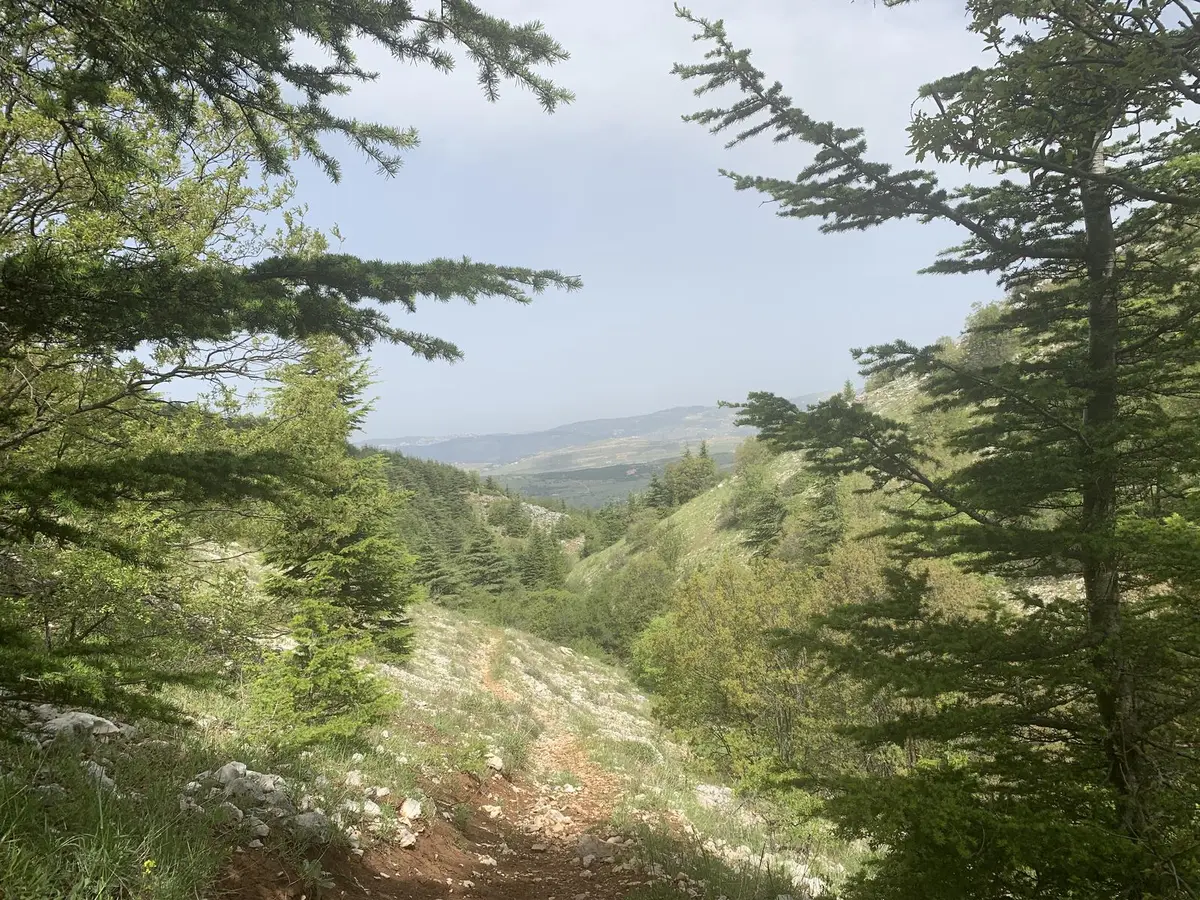
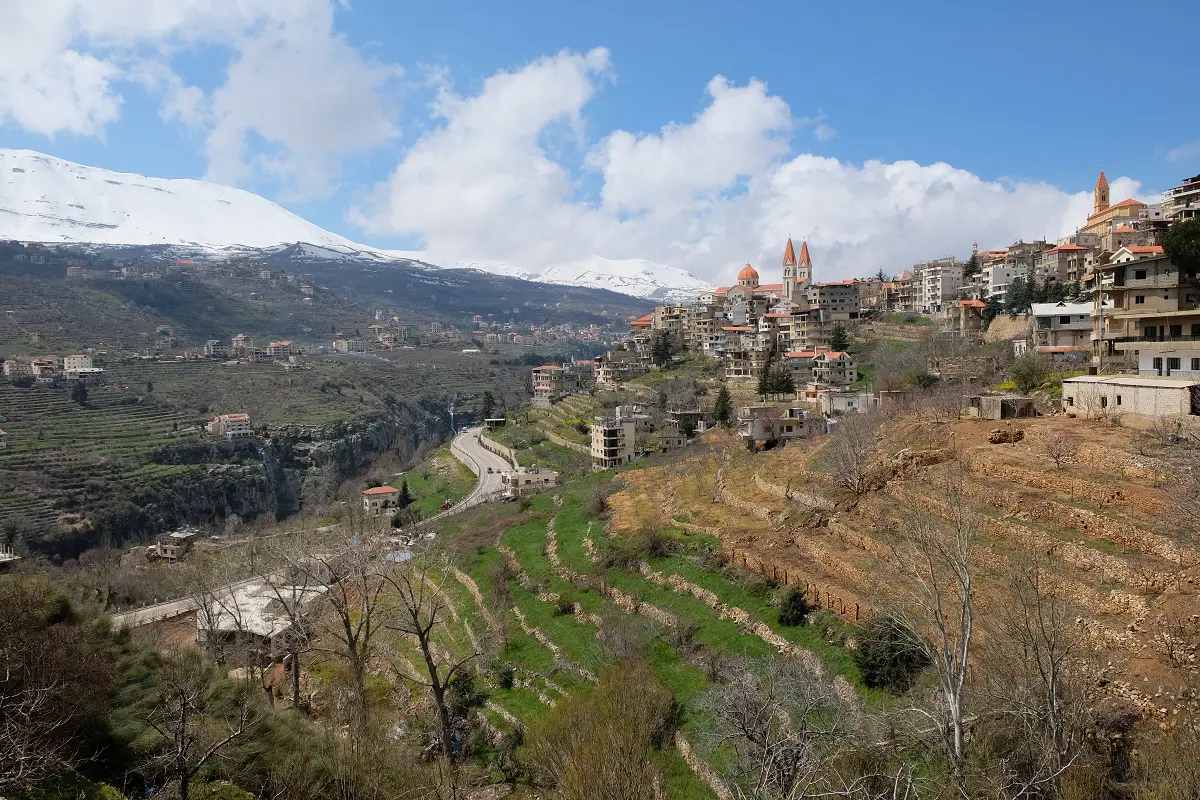
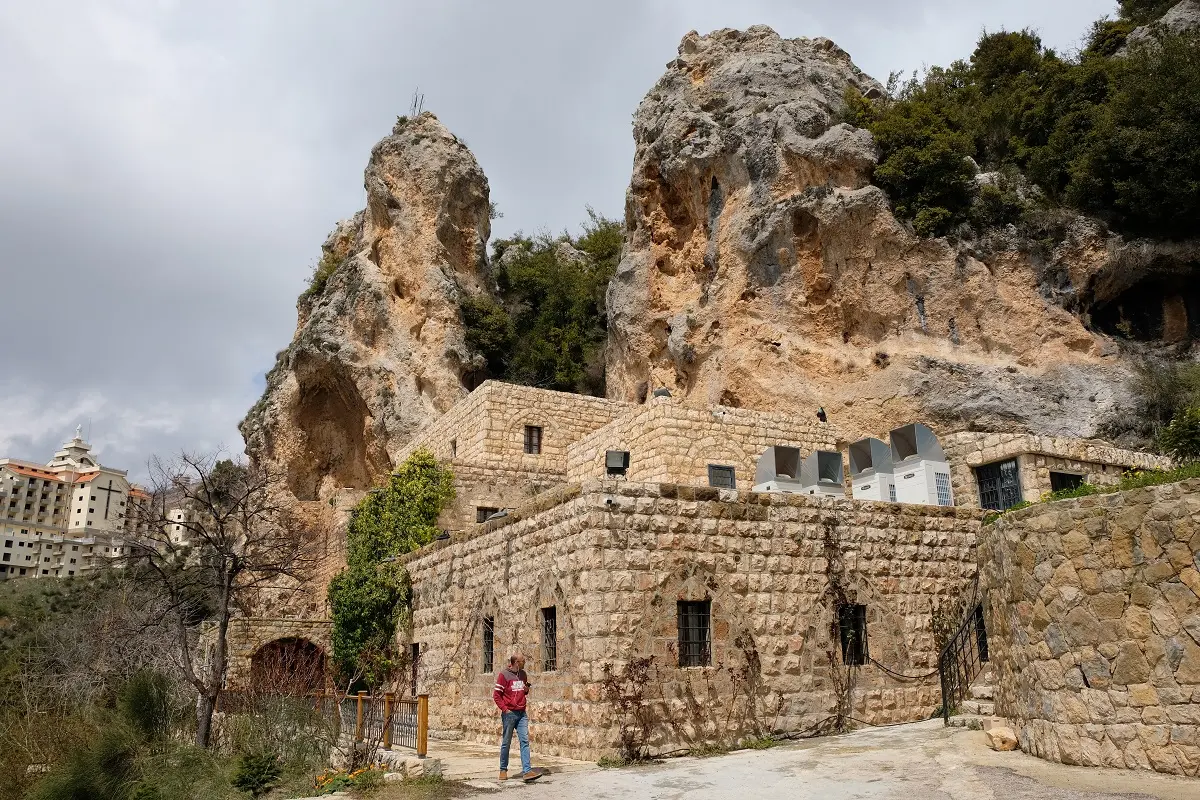
The Gibran Museum sits in Bsharri, a mountain town in Lebanon’s North Governorate, 75 miles (120 km) from Beirut at an elevation of about 7,200 ft (2,193 m). It occupies the former Mar Sarkis monastery, carved into the cliffs of the Qadisha Valley — a UNESCO World Heritage site. The closest major attraction is the Cedars of God forest, 10 to 15 minutes uphill by car.
- Town: Bsharri, North Governorate, Lebanon
- Setting: Former Mar Sarkis monastery, built into the Qadisha Valley cliffs
- Elevation: 7,200 ft (2,193 m)
- Distance from Beirut: 75 miles (120 km)
- Nearest attraction: The Cedars of God, 4 miles (6.5 km) away
How do you get to the Gibran Museum from Beirut?
The fastest way to reach the Gibran Museum from Beirut is by private car or driver, a 2.5 to 3-hour trip of 75 miles (120 km). Exit the coastal highway at Chekka and climb through the Mount Lebanon range. Public buses from the Dora Roundabout cost $2 to $5 and take 3 to 4 hours. Organized day tours from Beirut typically run $49 to $100 per person.
Three realistic options:
- Private driver: $100 to $130 for the full day round-trip. Most comfort, freedom to stop at Qadisha Valley overlooks.
- Rental car: $30 to $60 per day. Renting a car in Lebanon is workable if you’ve driven in mountain countries before. The final 20 miles are narrow, two-lane switchbacks with aggressive overtakes.
- Public bus (Connexion or Estephan Transport): $2 to $5 one way from Dora Roundabout in Beirut. Buses leave when full, not on a schedule.
Pro Tip: If you take the bus, be at Dora Roundabout before 9 AM. Later buses fill slowly, you’ll lose two hours of daylight, and return buses thin out after 3 PM. More than one traveler has been stranded overnight in Bsharri because the last bus left without them.
Can you visit the Gibran Museum in winter?
Yes, but plan for snow. From December through March, the access road above Chekka often requires snow chains or a 4×4, and storms can close the route above Hadath el Jebbeh without warning. If you’re renting a car, confirm winter tires and chains are included. Private drivers familiar with the route are the safer bet between December and February — these months fall outside the best time to visit Lebanon for mountain travel.
Driving yourself — what to expect
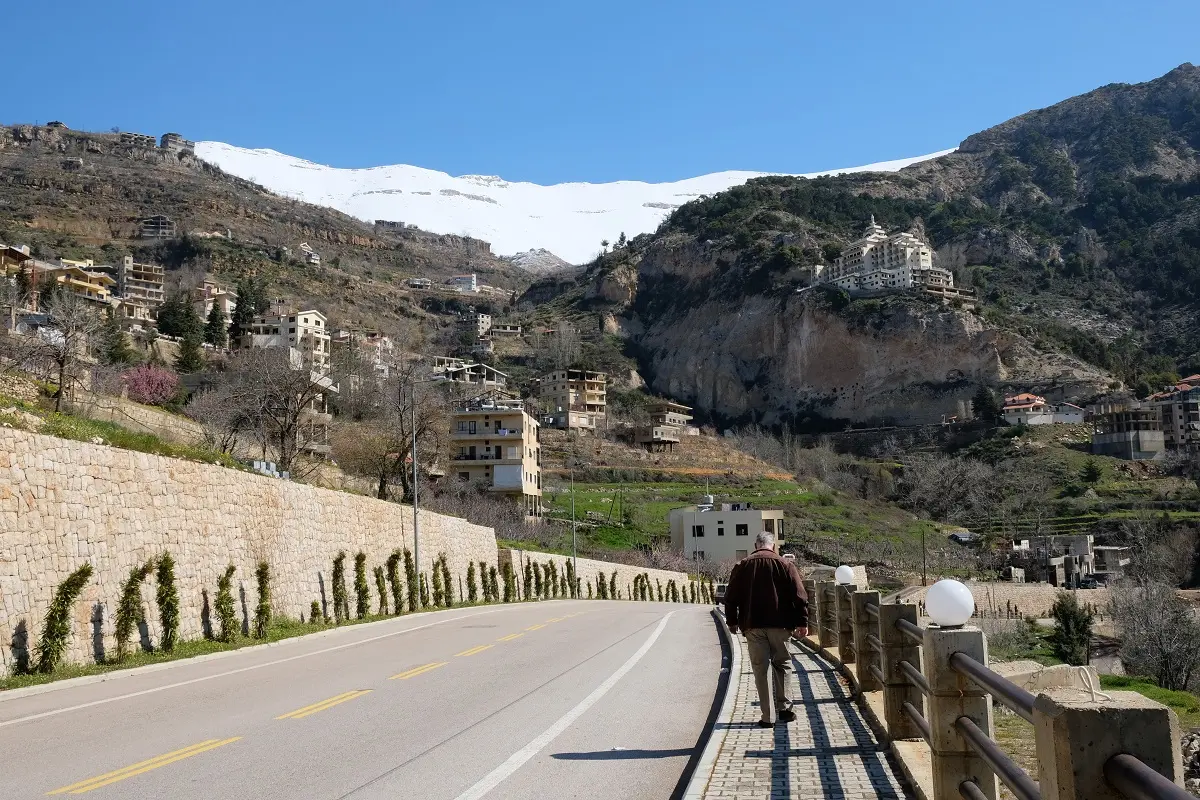
The route is paved the entire way and the asphalt quality is fine. What catches first-time drivers off guard about driving in Lebanon is the local overtaking style: cars will pass you on blind corners, and trucks descending from Bsharri move faster than physics suggests they should. Use the lay-bys. Drop into low gear on the descent — brake fade on the way back down is a real issue.
What are the Gibran Museum’s opening hours and entry fee?
The Gibran Museum is open Tuesday through Sunday and closed on Mondays. Summer hours (April to October) run 9 AM to 6 PM. Winter hours (November to March) run 10 AM to 4 PM. The entry fee is 200,000 Lebanese Pounds, which equals roughly $2.25 at current exchange rates — one of the cheapest cultural admissions in the country.
- Closed: Mondays
- Summer hours (Apr–Oct): 9 AM to 6 PM
- Winter hours (Nov–Mar): 10 AM to 4 PM
- Entry fee: 200,000 LBP (~$2.25 USD)
- Phone: +961 6 671 137
- Payment: Cash only. LBP preferred; small USD bills sometimes accepted at the door.
Pro Tip: Bring clean, small-denomination USD (5s and 10s) as a backup. ATMs in Bsharri are unreliable, and the museum does not take cards. Rounding up to the nearest $5 is appreciated and occasionally necessary when staff can’t break larger notes.
What’s the history of the Mar Sarkis monastery?
The building predates Gibran by more than a millennium. Maronite hermits carved a cave sanctuary called Mar Sarkis (Saint Sergius) into the valley cliffs in the 7th century. By the late 17th century, the Bsharri community gifted the site and the surrounding oak forest to Carmelite monks, who expanded the rock dwellings into a proper monastery. Construction finished in 1862.
The grotto atmosphere inside the museum is a direct inheritance of that monastic history — the stone walls were not designed for art display, and it shows in the best way.
How did Gibran end up buried here?
Gibran was born in Bsharri in 1883, emigrated to the United States in 1895 with his mother, and never returned to Lebanon alive. In 1926, riding the commercial success of The Prophet (published three years earlier), he bought the Mar Sarkis monastery from the Carmelites with a specific plan: retirement retreat first, burial chamber second. He died in New York on April 10, 1931, before he ever lived in it.
His sister Mariana carried out his wishes. On August 22, 1931, his body arrived in Bsharri and was placed in the 7th-century hermitage cell he had chosen as his grave. The museum itself was formally founded in 1935 after his New York studio contents — furniture, library, paintings, manuscripts — were shipped to Lebanon in 1932.
Major renovations in 1975 added the eastern wing and the internal staircase that ties the three levels together. A second expansion finished in 1995, and the museum reopened to the public on August 15, 1995. The layout you walk today dates from that reopening.
What’s inside the Gibran Museum?
The museum spans 16 rooms across three floors connected by a winding internal staircase, with vaulted stone ceilings and walls cut directly into living rock. The collection holds 440 original paintings and drawings, Gibran’s complete New York studio (desk, chair, tapestries, watercolor box), his personal library, handwritten manuscript drafts, and his tomb in the lowest-level hermitage cell. Photography is banned and strictly enforced.
The architecture and what the space feels like
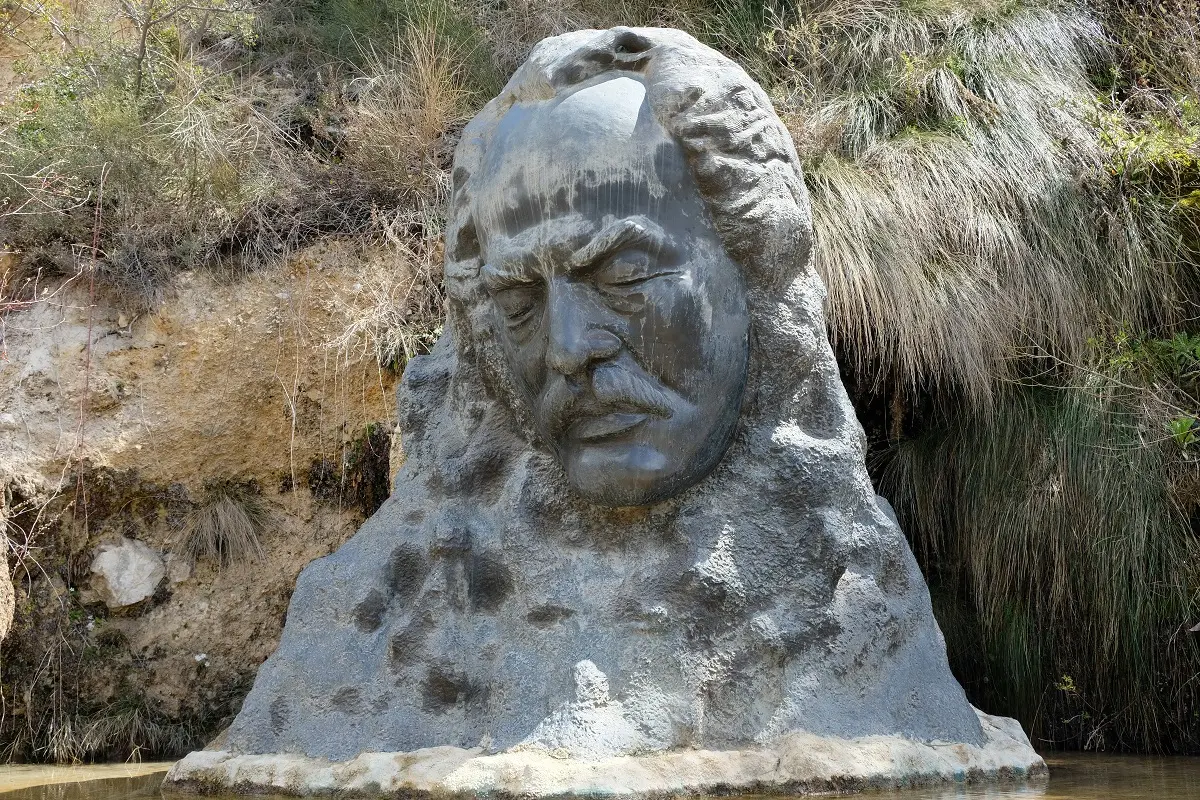
The facade is traditional Lebanese stone masonry perched on the edge of the Qadisha Valley, with a monumental bronze head of Gibran outside serving as the main photo spot (one of the few places photography is allowed). Inside, lighting is deliberately dim to protect the works — expect to adjust your eyes for a minute after each floor. The progression is intentional: worldly life on the upper floors, spiritual core at the bottom.
One detail worth knowing about: the Prophet’s Spring (Nabaa al-Nabi), a natural water source that flows into a stone basin inside the walls. It’s cold, drinkable, and it’s the only water source you’re supposed to drink from in a museum anywhere in Lebanon.
Pro Tip: Wear a layer even in August. The interior temperature hovers around 60°F (16°C) year-round because the rock never warms, and the tomb chamber drops another 5°F below that. I went in July in a t-shirt and regretted it within 10 minutes.
The paintings — the real surprise of the visit
Most visitors arrive knowing Gibran the writer and leave knowing Gibran the painter — a shift that catches almost everyone off guard. He trained in Paris under Symbolist influence and counted Auguste Rodin as a friend. The 440 works range from oil on canvas to charcoal sketches and watercolors.
Here’s the contrarian take: the collection is repetitive. The majority are nude figures — not eroticized, more like metaphysical souls stripped of social constraint — and after 60 or 70 of them, the visual language starts to flatten. The pencil sketches are where the real technical skill shows up, and they’re easy to walk past if you’re focused on the larger oils.
Key works to seek out:
- The Triad-Being Descending Towards the Mother Sea — the most-photographed in marketing materials
- Rose Sleeve — one of the few pieces with a title, since Gibran rarely signed or named his work
- The pencil portrait room (second floor) — the technical highlight most visitors skip
The New York Pavilion
The expanded New York Pavilion holds 27 portraits of Gibran’s contemporaries from his Manhattan period, including Carl Gustav Jung, Rabindranath Tagore, and Auguste Rodin. This is the section that repositions him from “Lebanese poet” to central figure in early 20th-century intellectual circles — worth reading the wall texts, even though they’re sparse.
Gibran’s studio and personal library
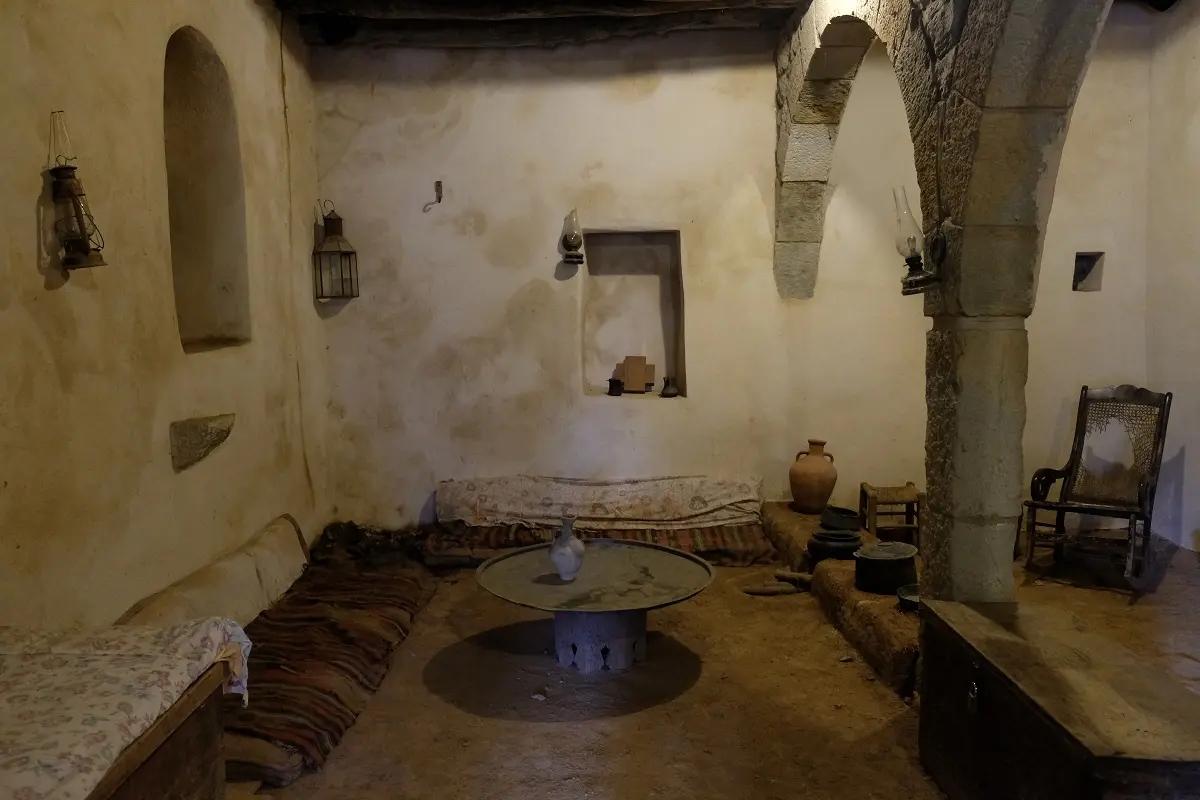
When the New York studio was shipped to Lebanon in 1932, it came with everything. The desk where The Prophet was drafted, the chair he wrote in, studio tapestries, the watercolor box he used daily. His personal library reveals his influences — Blake, Nietzsche, Rumi, and a surprising amount of Victorian poetry — and handwritten manuscript drafts show heavy revisions that never made it into the published text.
The preservation is the point. These are his actual objects, not replicas, and the effect is that he seems to have stepped out of the room five minutes ago.
The tomb room — why it hits harder than you expect
The final stop is the tomb room on the lowest level, inside the original 7th-century hermitage cell. The space is small, cave-like, dimly lit, and holds Gibran’s body in a cedar wood coffin. A plaque on the wall carries his words about being alive and standing beside the visitor with their eyes closed.
The temperature drops. The silence is total. On my last visit, a group of Lebanese students who had been talking loudly on the floor above went silent the moment they stepped in — no one told them to. That’s the closest thing to a universal reaction I’ve seen in any literary site.
Practical visitor information
Plan for 60 to 90 minutes inside the museum, plus 20 to 30 minutes outside for the sculpture garden and valley viewpoints. The site is not wheelchair accessible — multiple staircases and uneven stone floors. Photography is banned throughout the interior, including phone shots. Dress is respectful-casual; shorts are fine, but cover shoulders near the tomb.
Quick Stats
- Location: Mar Sarkis, Bsharri, North Governorate, Lebanon
- Cost: 200,000 LBP (~$2.25 USD) per person
- Best for: Readers of The Prophet, art-history travelers, day-trippers combining Bsharri and the Cedars
- Time needed: 60 to 90 minutes inside, 2 hours total with grounds
- Phone: +961 6 671 137
What to pack
- A light jacket or sweater (the interior is 60°F / 16°C year-round)
- Cash in small LBP notes or USD 5s and 10s
- Comfortable shoes with grip (stone floors, worn smooth)
- A refillable water bottle for the Prophet’s Spring
What else should you do in Bsharri?
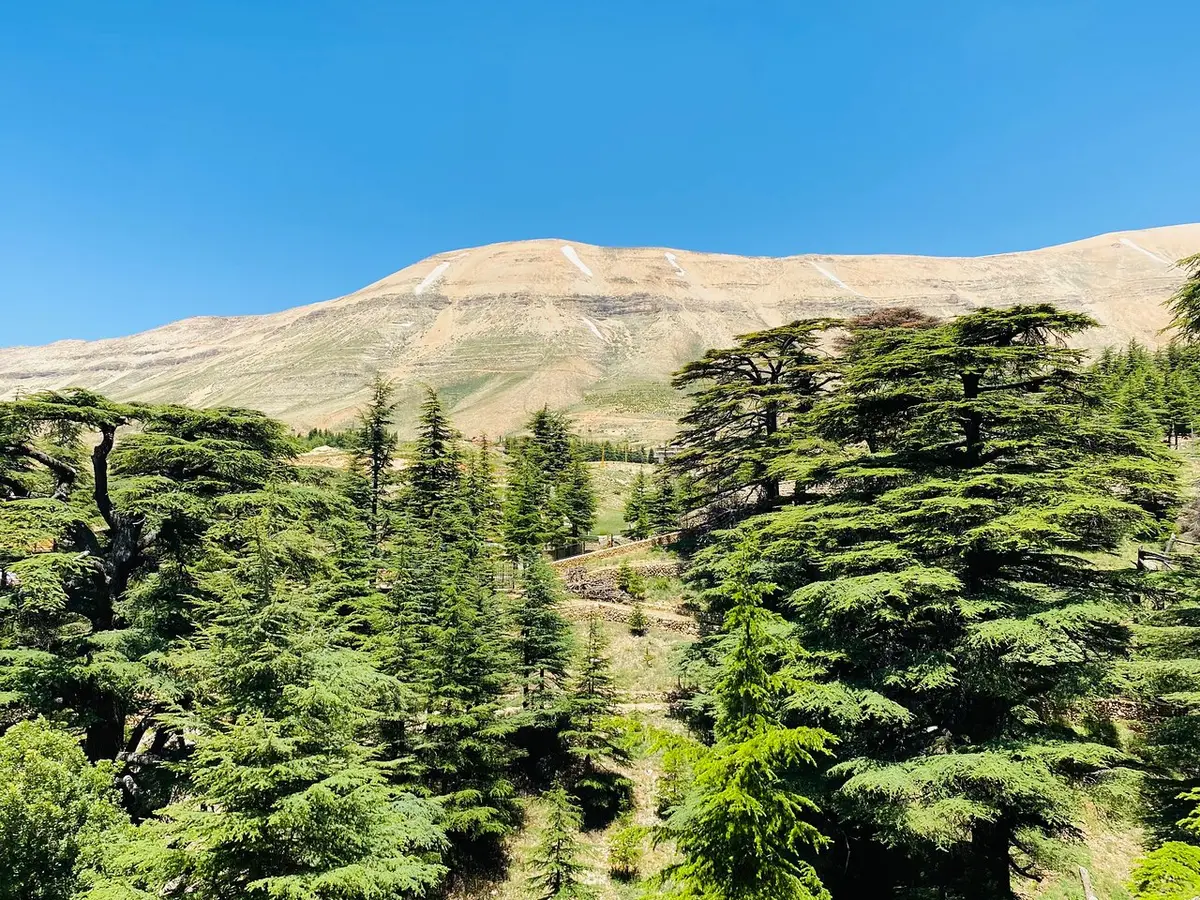
Pair the Gibran Museum with the Cedars of God and lunch in Bsharri town for a complete day trip from Beirut. The Cedars are 4 miles (6.5 km) uphill and protect the same trees Gibran referenced in his writing. Gibran’s childhood home in the town center is free to enter and offers a sharp contrast to the grandeur of the monastery.
A realistic full day looks like this:
- 9 AM: Arrive Bsharri, visit the Gibran Museum (90 minutes)
- 11 AM: Drive to the Cedars of God, walk the short trail (60 minutes)
- 12:30 PM: Lunch in Bsharri town — try Makhlouf or Tiger House for mountain trout and Lebanese mezze
- 2 PM: Visit Gibran’s childhood home (free, 30 minutes)
- 3 PM: Start the drive back to Beirut to beat sunset on the mountain roads
Pro Tip: Skip the organized bus tours from Beirut that try to add Kozhaya Monastery to this itinerary. You’ll spend 12 hours on the road for 90 minutes at each site. The museum and the Cedars alone fill a day well; Kozhaya deserves its own trip.
Before you book
TL;DR: The Gibran Museum delivers something most literary sites only promise — the writer’s actual studio, his actual grave, inside a 7th-century monk’s cell, for $2.25. The art gets repetitive, the drive is long, and winter access is unreliable, but the tomb room alone justifies the trip for anyone who’s read The Prophet.
Skip it if you don’t know his work and aren’t curious about it — the museum assumes familiarity and doesn’t hold your hand. Visit it if you want the rare experience of standing in the room where a writer chose to end.
Have you been to the Gibran Museum, or are you planning the Bsharri day trip? What’s the one thing you wish someone had told you before going?