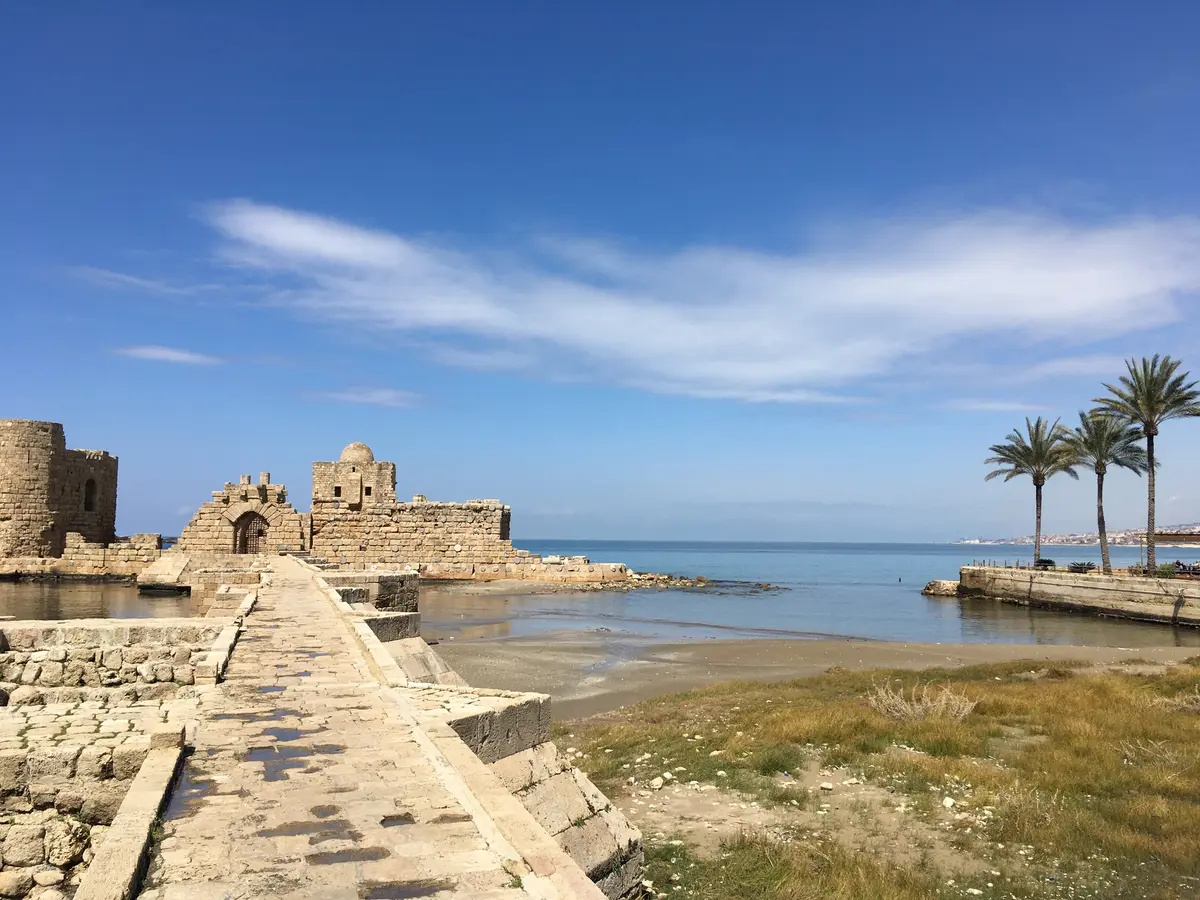
Ski a 2,465-meter peak at 8 a.m., dip your toes in the Mediterranean by 2 p.m. — skiing in Lebanon is one of the few places on earth where that sentence is logistically possible, not marketing fluff. This guide covers the six resorts worth your time, real prices in US dollars, and the honest safety context before you book — the ski chapter of our wider Lebanon travel guide.
The ski season runs from mid-December through early April, with the strongest snow cover between mid-January and late February. If you are flying in for a single week, aim for that mid-winter window. The mountains sit just an hour inland from Beirut and top out above 10,000 feet, which is why snow here rivals parts of the Alps even though the coast stays green.
What skiing in Lebanon gives you that Europe cannot: ancient Roman ruins on the slopes, a cedar forest older than Rome itself, and an après-ski culture where arak and warm hummus replace vin chaud. The trade-off is smaller ski areas, rougher infrastructure, and a real need to plan around variable conditions.
Where should you go for skiing in Lebanon?
The country has six active mountain resorts spread across the Mount Lebanon and northern ranges. Mzaar Kfardebian is the largest and most connected to Beirut. The Cedars has the highest elevation and best snow. Zaarour, Faqra, Laqlouq and Qanat Bakish fill the gaps for day-trippers, families and budget travelers.
The distances on paper lie. A resort that looks 50 miles (80 km) away on Google Maps can easily take two and a half hours in winter when the switchbacks above 5,000 feet ice over. Pick one base, not three. If you want accommodation on the mountain itself, guesthouses in the Lebanese mountains are a cheaper alternative to the big hotels.
1. Mzaar Kfardebian — the biggest ski area in the Middle East
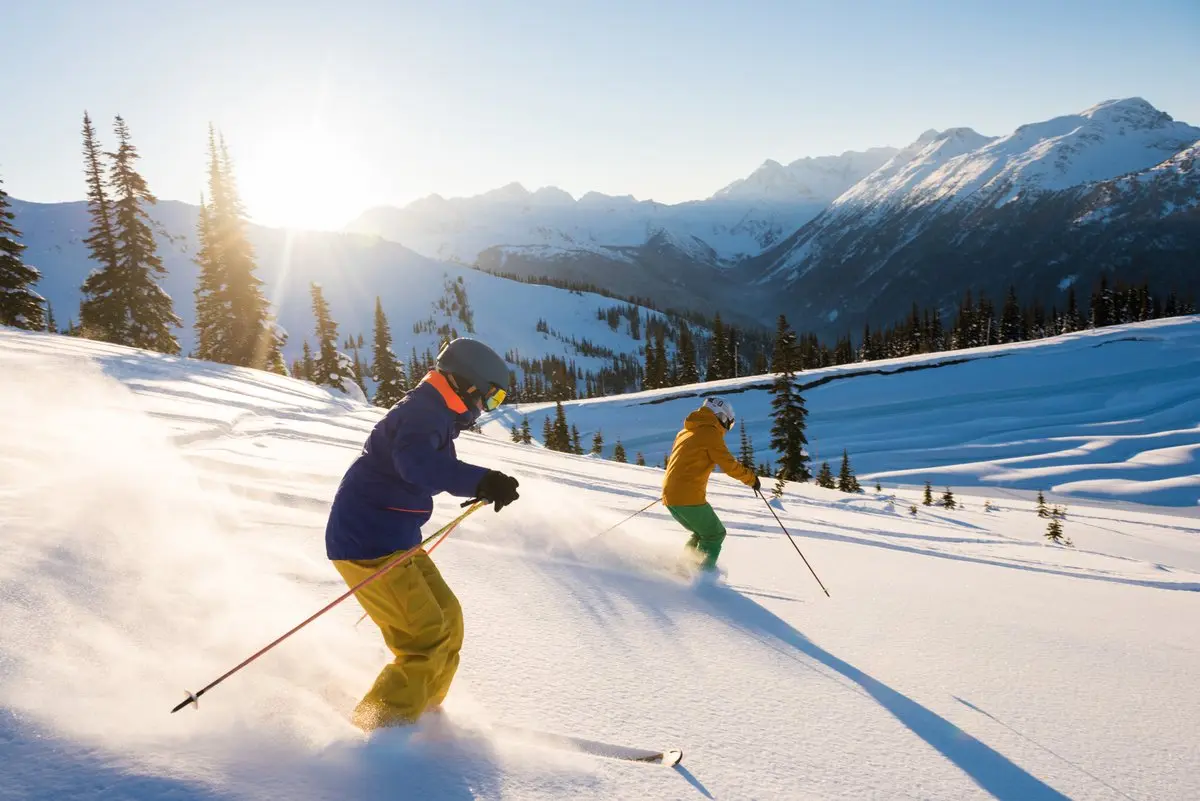
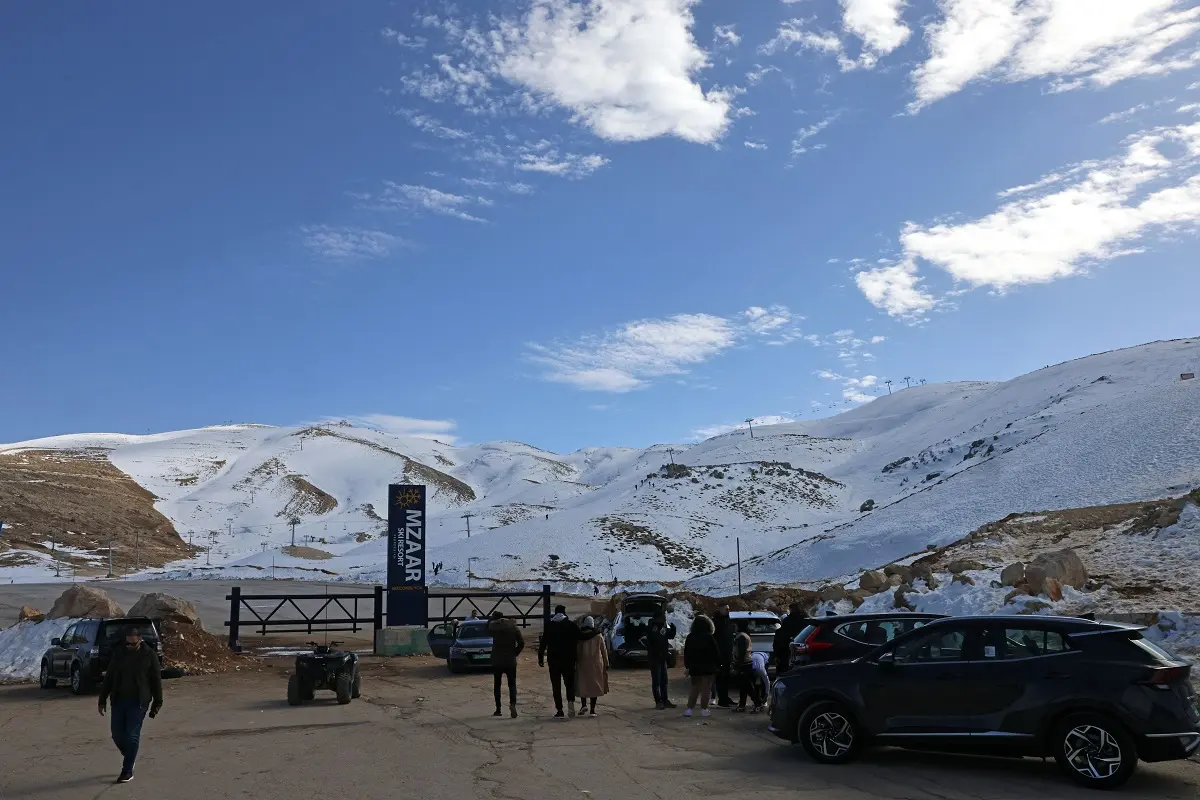
Mzaar (formerly Faraya Mzaar) is the default choice if you only have two or three days. It covers around 50 miles (80 km) of slopes across 42 trails, served by roughly 20 lifts — the largest ski area in the Middle East and less than an hour from downtown Beirut. For a deeper breakdown, see our Mzaar Kfardebian Ski Guide.
The resort splits into three linked sectors. Refuge is the commercial base by the InterContinental, where the ski school and most rentals operate. Jonction is the transfer zone between sectors. Warde, on the back side, is where locals actually ski — wider pistes, better-preserved snow, and half the crowds you’ll find on the front.
The vertical runs from a 6,070-ft (1,850 m) base to a 8,087-ft (2,465 m) summit at Mzaar peak. On a bluebird day the view from the top is the real thing: the Bekaa Valley to the east, Mount Hermon to the south, the Mediterranean glittering west. Nightlife centers on Rikky’z, a bar-restaurant on the slopes that has been the weekend epicenter for twenty years.
Honest verdict: the pistes themselves are solid intermediate terrain, not expert. Weekend queues at the main chair can hit 20 minutes. Signage is patchy, so carry a trail map. On lean snow years, roughly a third of the advertised terrain may be closed — check live lift status on the resort site the morning of your trip.
Pro Tip: Ski Warde before 10 a.m. The day-trippers from Beirut don’t arrive until around 11, and Warde is a 15-minute traverse from Refuge that most of them never bother with.
- Location: Ouyoune el Simane, Kfardebian — 35 miles (55 km) from Beirut, around one hour by car
- Cost: Adult day passes from $40 on weekdays, $55–65 on peak weekends
- Best for: Intermediate skiers, nightlife, first-timers to skiing in Lebanon
- Time needed: 2–3 days to ski the whole area properly
2. The Cedars (Al Arz) — the highest-elevation resort with the best snow
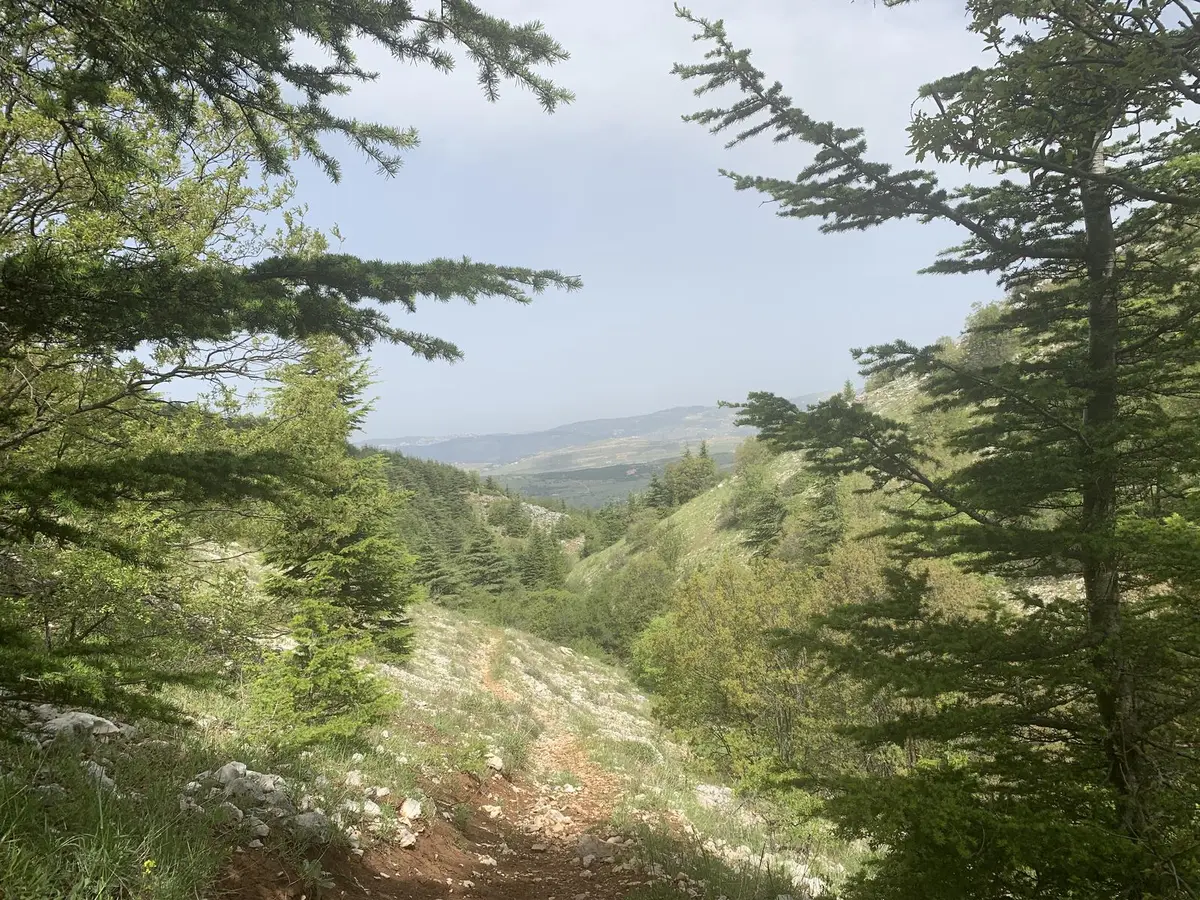
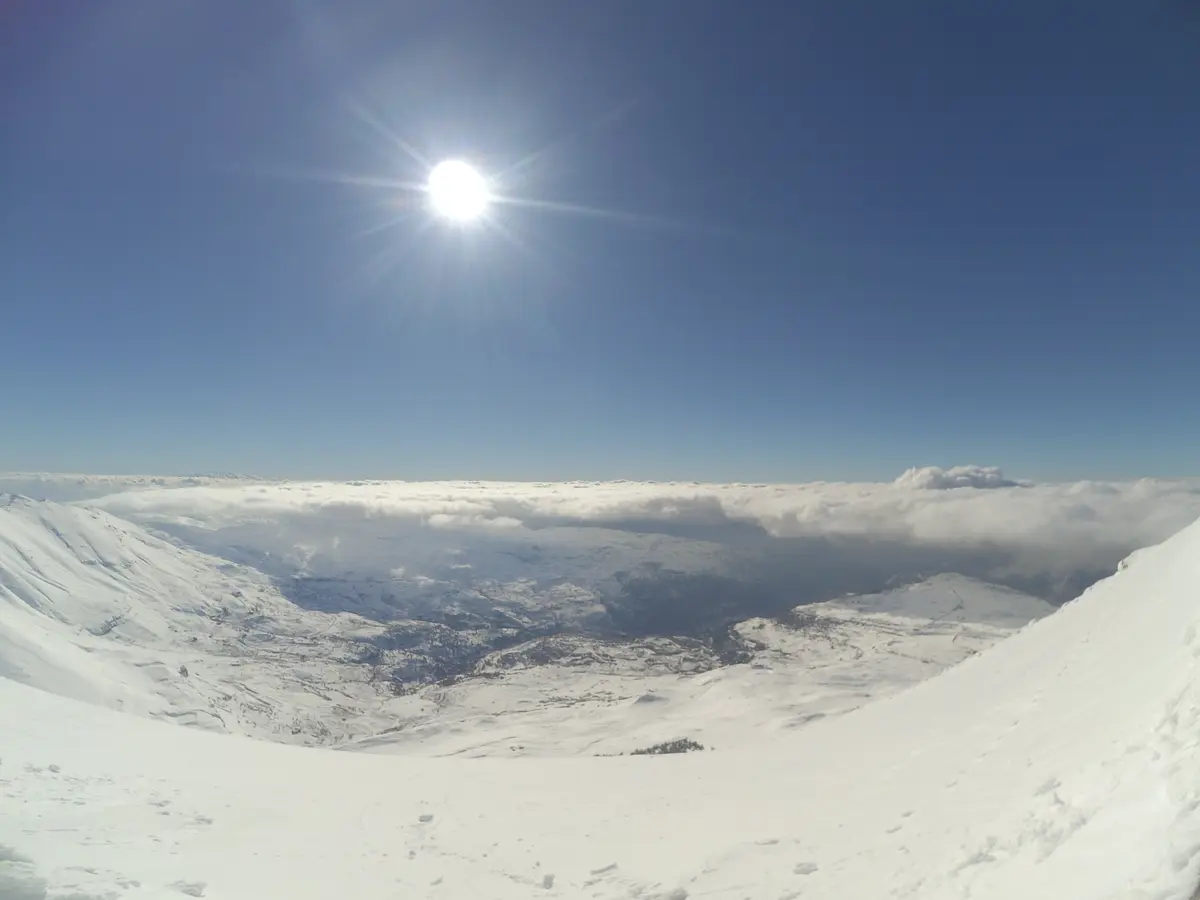
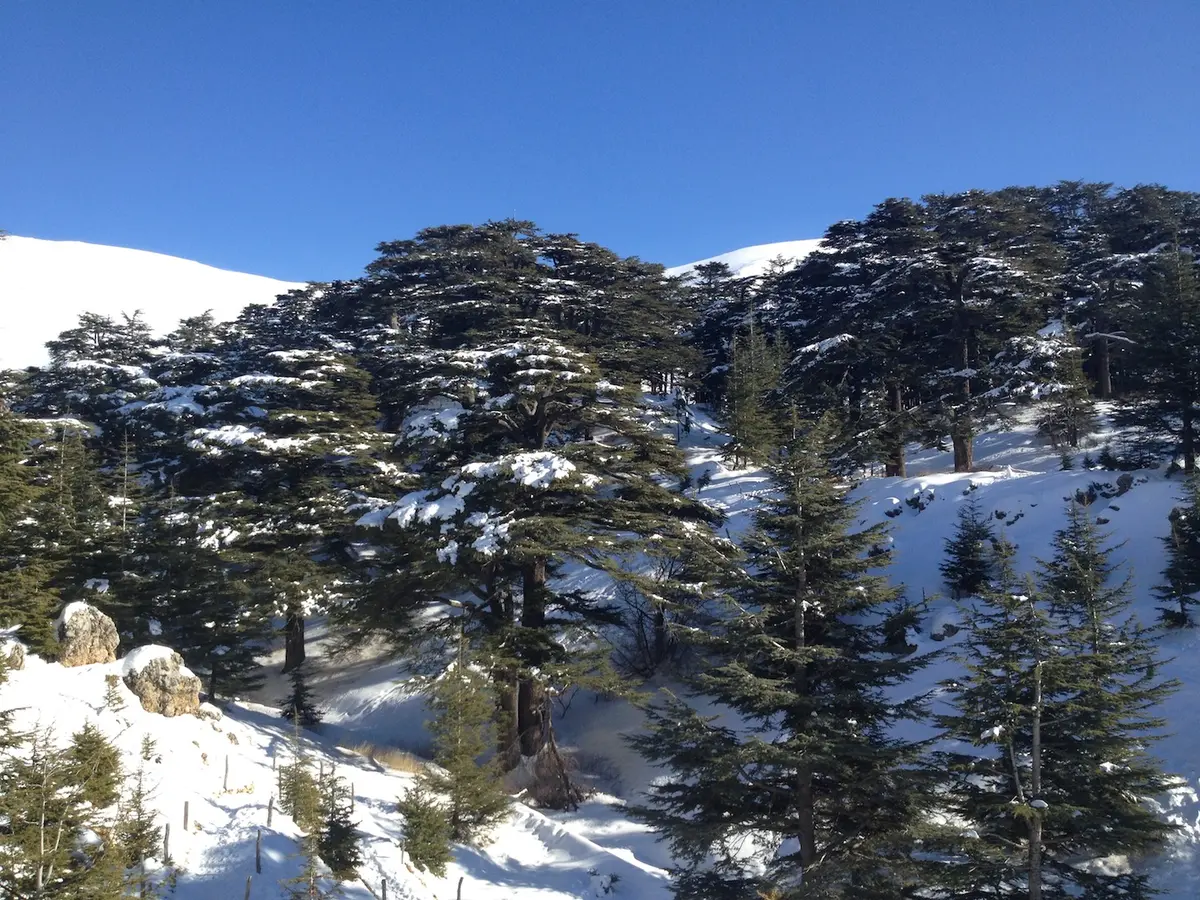
The Cedars sits in the northern mountains next to the UNESCO-protected Cedars of God forest. You can easily combine a ski day with a visit to Bsharri and The Cedars of God to walk among trees that are between 1,000 and 3,000 years old. The resort operates from a 6,890-ft (2,100 m) base up to around 9,350 ft (2,850 m), which is why it opens earlier and closes later than Mzaar — often running into late April in a good year.
The layout is essentially one wide high-alpine bowl with nine groomed runs, five of them rated for advanced skiers. Six lifts serve around 7 miles (11 km) of marked piste. It is small, but the real prize is the accessible off-piste — fresh lines that never get tracked out because the crowd size is a fraction of Mzaar’s.
On a clear day from the top of the bowl you can reportedly see Cyprus, 140 miles (225 km) west across the Mediterranean. Whether you believe it depends on the haze, but the view of the cedar forest below with the coast in the distance is the single best mountain photograph I have taken anywhere in the Middle East.
Friction points: the drive from Beirut is around 2 hours via the coastal highway through Chekka and Amioun, which makes it a poor day trip. Unregulated snowmobiles occasionally buzz the pistes on weekends. Amenities at the base are dated compared with Mzaar.
Pro Tip: Stay the night in Bsharri village rather than trying to day-trip it. The Gibran Museum, the Qadisha Valley monasteries, and a proper kibbeh dinner are worth the extra day — and you get first lifts the next morning before the day buses arrive.
- Location: Cedars Slopes, Bsharri — 80 miles (130 km) from Beirut, around 2 hours by car
- Cost: Adult day passes around $30 weekdays, $40 weekends
- Best for: Strong intermediates and off-piste skiers, history travelers
- Time needed: 2 days minimum including Bsharri village
3. Zaarour Club — the closest resort to Beirut
Zaarour sits on the eastern slope of Mount Sannine, 22 miles (35 km) from Beirut. On a good traffic day you are on the snow 50 minutes after leaving the coast. It runs as a private club but sells day passes to the public, and a multi-year renovation has left it with the most modern lift infrastructure of any Lebanese resort.
The ski area is compact — a handful of chairs and magic carpets covering slopes between 5,250 and 6,560 ft (1,600–2,000 m). Because the runs face north, snow holds better than the altitude would suggest. The smart design move here is the physical separation of skiers from sledders, so you don’t get ambushed by a family on an inner tube halfway down a blue run.
The trade-off is obvious: you can ski everything Zaarour has in about half a day. For a full-time skier it’s a supplement, not a destination. For a family trying out snow for the first time, it’s close to perfect.
- Location: Zaarour, Mount Sannine — 22 miles (35 km) from Beirut, 50 minutes by car
- Cost: Adult day passes around $35–45
- Best for: Families with beginners, day trips from Beirut
- Time needed: Half-day to a full day
4. Laqlouq — the flat plateau for beginners and snowshoers
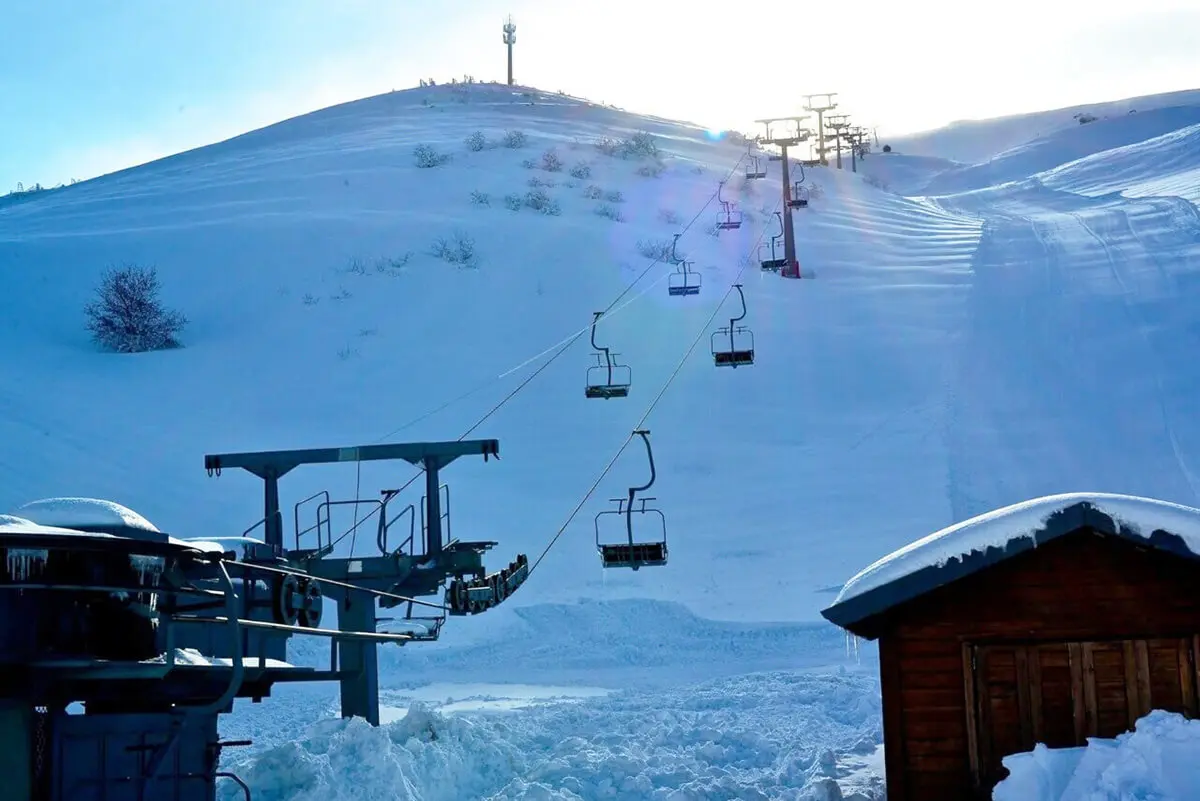
Laqlouq sits on a high plateau between 5,410 and 6,300 ft (1,650–1,920 m) in the Byblos hinterland. It has around nine trails served mostly by drag lifts and platters, which keeps it cheap but rules it out for anyone looking for high-speed chairs.
What Laqlouq does better than any other resort for skiing in Lebanon is non-downhill winter sports. The plateau layout is ideal for snowshoeing and cross-country skiing, with trails running between jagged limestone ridges and scattered shepherd’s huts. The vibe is local Lebanese families on weekends, not international skiers.
Friction point: altitude is the lowest of any serious resort on this list, so snow quality is the first to suffer during a warm spell. In a lean year, Laqlouq may not open at all.
- Location: Laqlouq plateau, Jbeil District — 45 miles (72 km) from Beirut, around 1 hour 45 minutes
- Cost: Adult day passes around $25–35
- Best for: Families with absolute beginners, snowshoeing
- Time needed: Half-day to full day
5. Faqra Club — the private resort with Roman ruins on the slopes
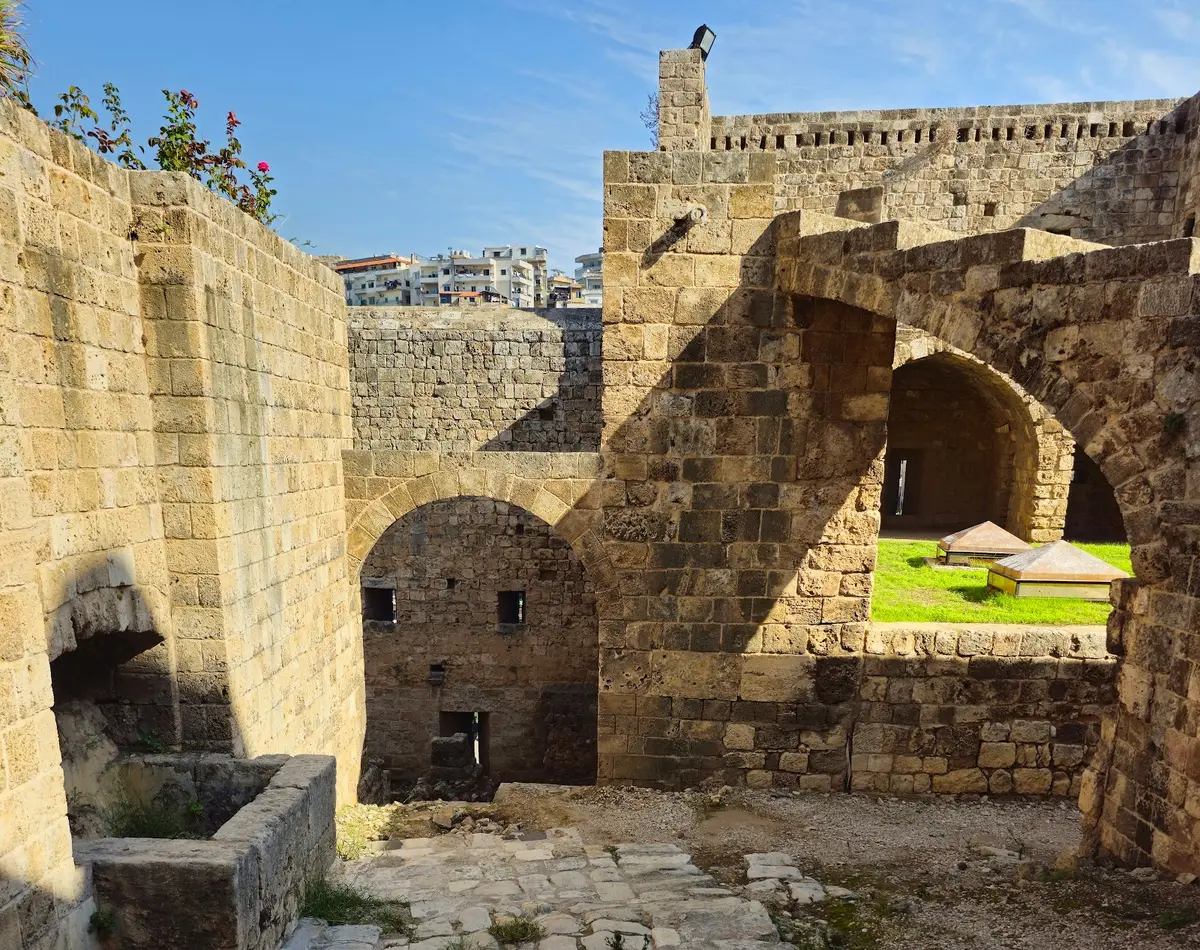
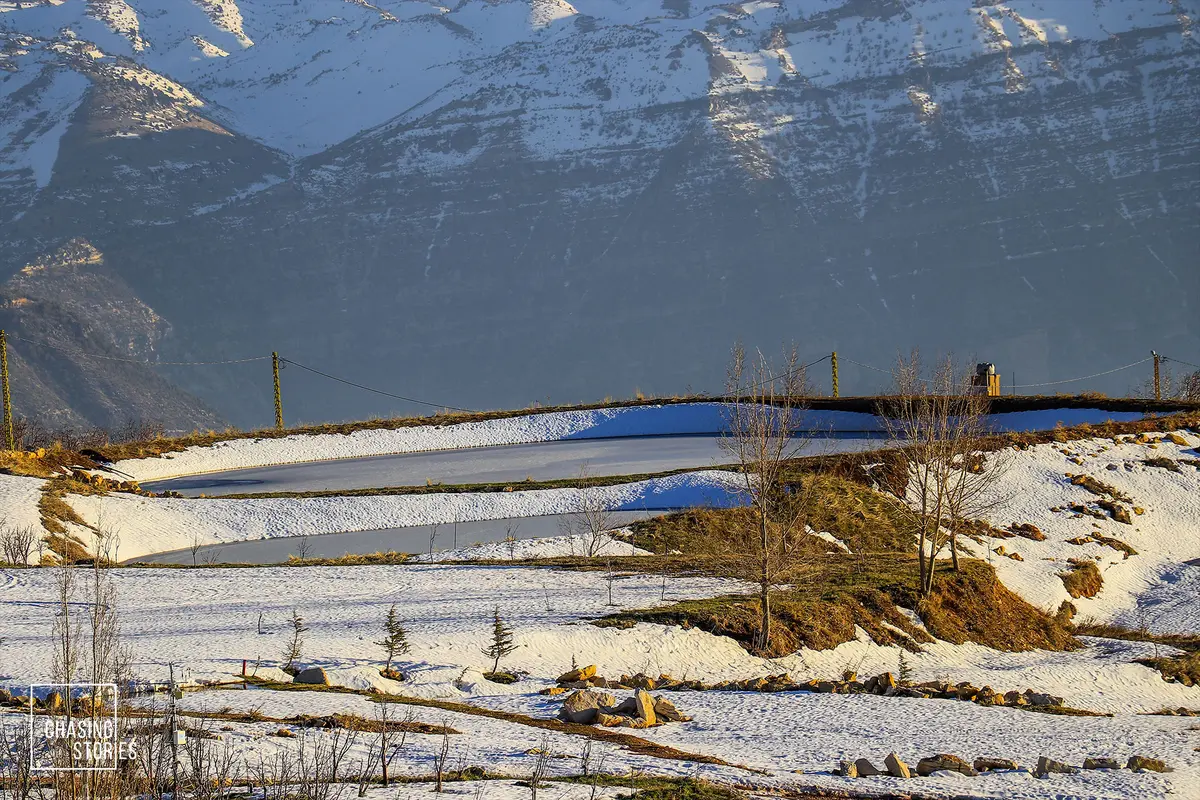
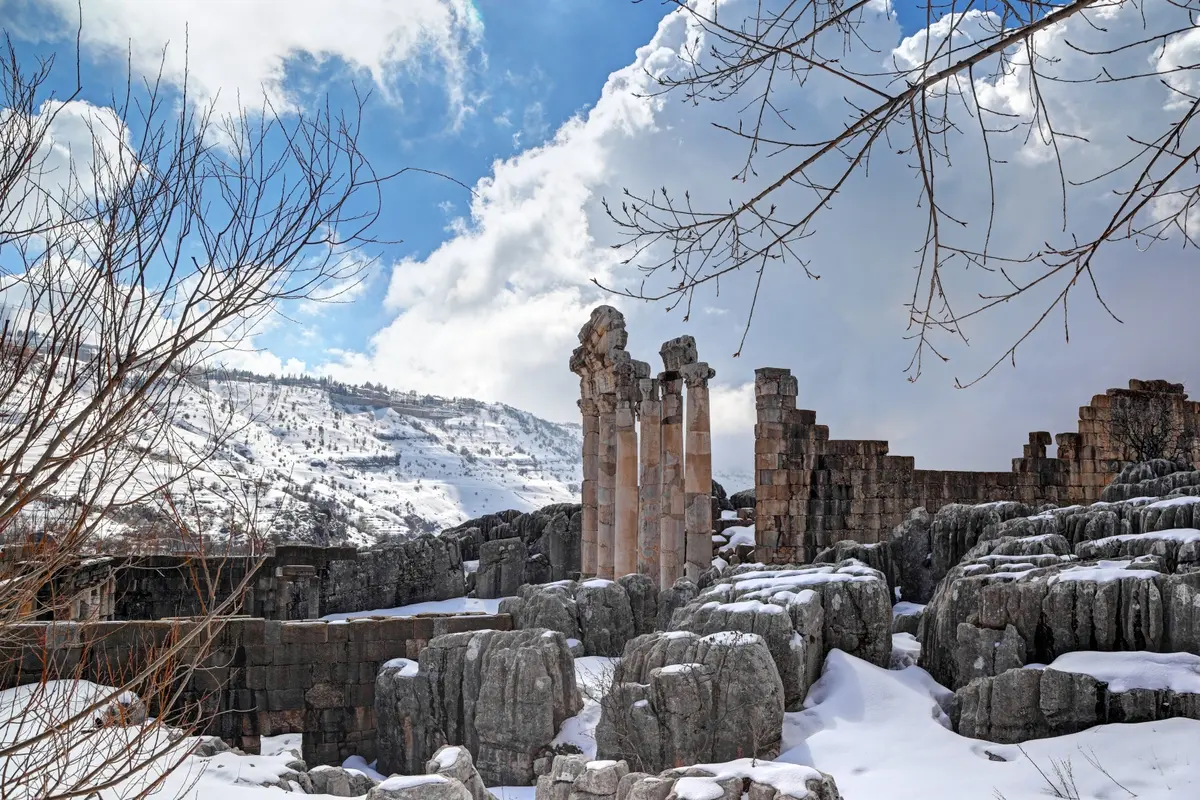
Faqra is a private club ten minutes down the road from Mzaar that sells paid day access to non-members. It has four lifts and about 2.8 miles (4.5 km) of piste — genuinely small. What you are paying for is lack of crowds, a manicured village of stone chalets, and the Roman temple ruins visible directly from the slopes, including the Qalaat Faqra complex and the natural Stone Bridge (Jisr al-Hajar) with its 125-ft (38 m) arch.
The L’Auberge de Faqra hotel and the restaurants around it sit at a genuinely high standard — this is where Beirut’s old families ski. If you are a hard-charging skier, you will be bored by lunchtime. If you are traveling with non-skiing partners who want a village to walk around and a proper lunch with a view, Faqra is the strongest pick in the country.
Pro Tip: Walk — don’t ski — to the Roman ruins. They are a 10-minute hike from the main lift and most people photograph them from the chair without ever standing inside them. Stand inside them.
- Location: Faqra, Kfardebian — 34 miles (55 km) from Beirut, around 1 hour
- Cost: Day passes around $50–70 for non-members
- Best for: Luxury travelers, non-skiing partners, history add-on
- Time needed: 1 day
6. Qanat Bakish — the budget micro-resort
Qanat Bakish is one of Lebanon’s oldest ski areas and now its least developed. A handful of drag lifts and short pistes sit near Faqra at an altitude of around 6,230 ft (1,900 m). It is genuinely small and often uncrowded even on peak weekends.
This is the place to go for a cheap lift ticket and empty slopes on a Saturday — not for a week of progression. Infrastructure is basic, food options near the base are thin, and in a low-snow year it may barely operate.
- Location: Qanat Bakish, near Faqra — 34 miles (55 km) from Beirut
- Cost: Day passes around $20–30 — the cheapest in the country
- Best for: Budget travelers, solitude seekers, half-day backup
- Time needed: Half-day
Can you really ski and swim on the same day in Lebanon?
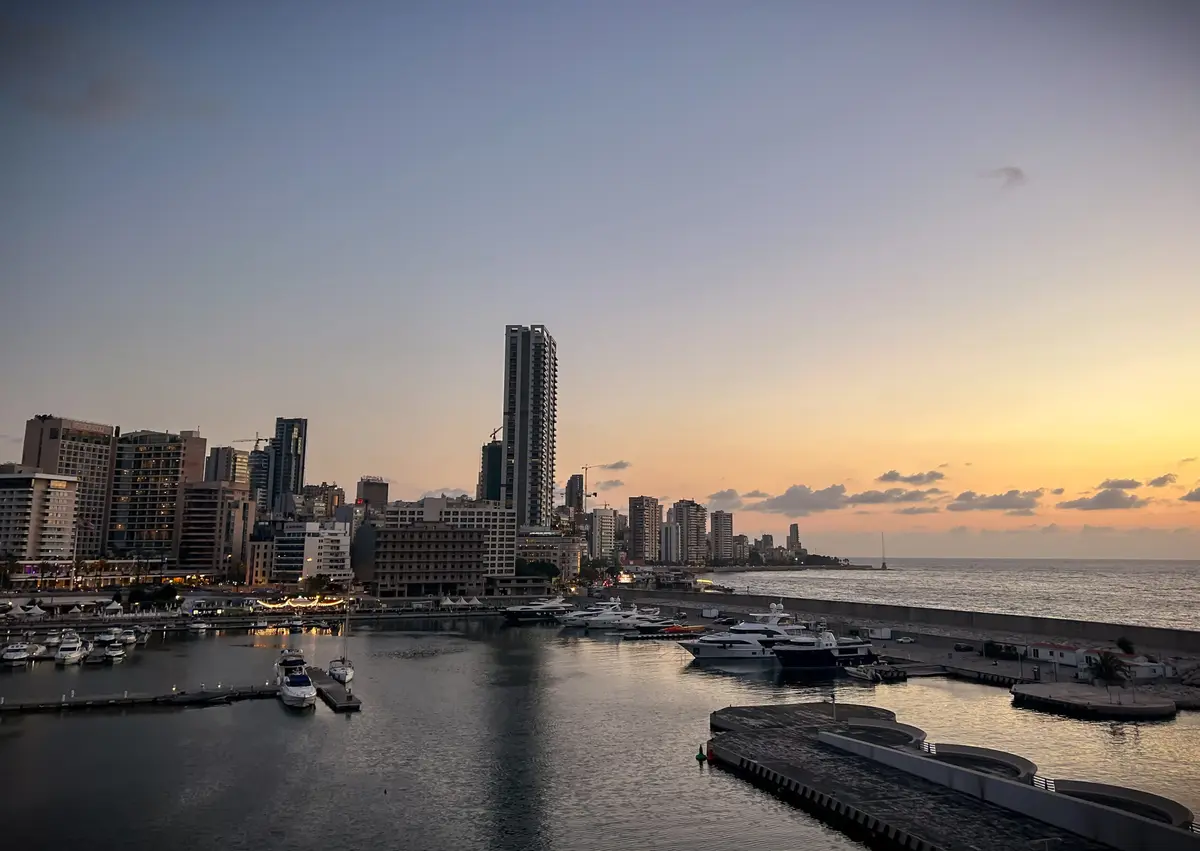
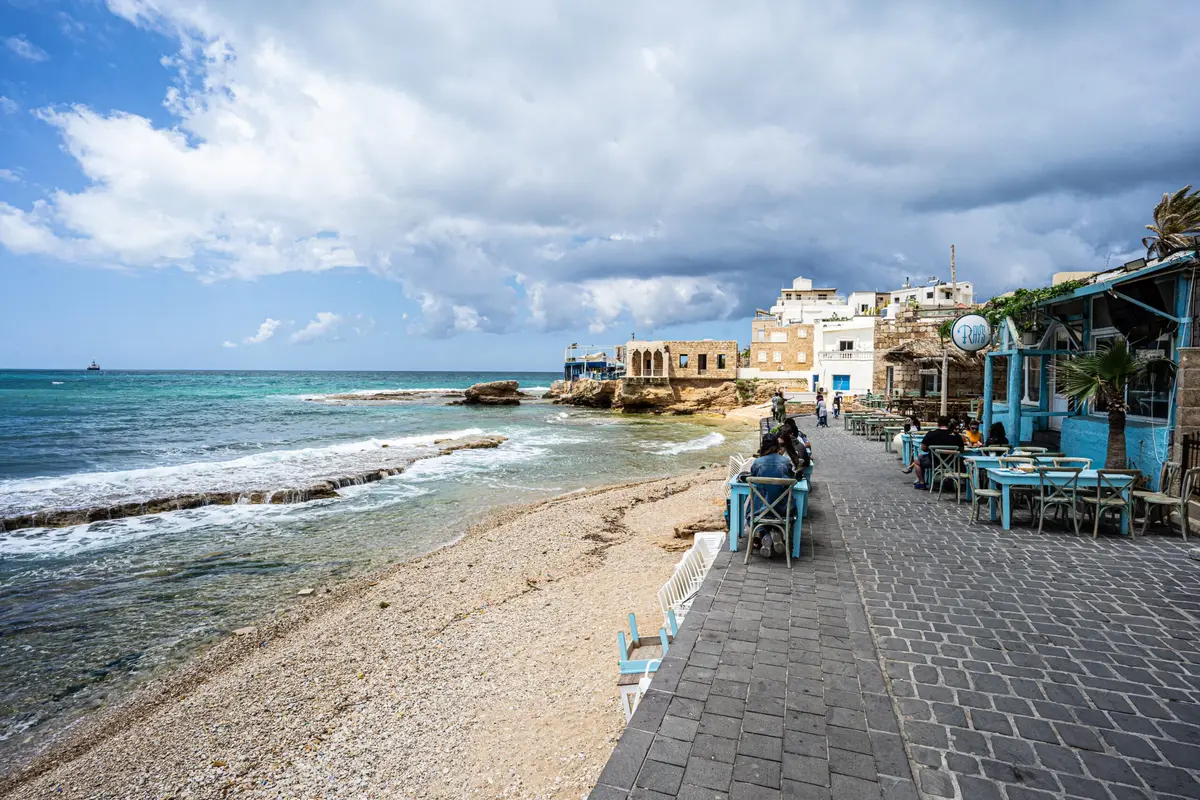
Yes, but only from Mzaar or Zaarour, and only with a tight schedule. Mzaar to Batroun is 50 miles (80 km) — roughly 75 minutes with no traffic, 2 hours if the coastal highway stalls. Mediterranean water in January hovers around 61°F (16°C), so the “swim” is more of a bracing plunge than a lounge in warm water. It is one of the only places on earth where you can legitimately do both in a single day.
The realistic timeline:
- 8:00 a.m. — first chair at Mzaar or Zaarour
- 12:30 p.m. — off the mountain, lunch skipped or grabbed on the road
- 1:30 p.m. — at Pierre & Friends on Batroun’s pebble beach, or Eddé Sands in Byblos
Pierre & Friends in Batroun stays open year-round and is genuinely warmer than it sounds thanks to its sheltered cove. See our roundup of the best beach resorts in Batroun for coastal bases, or plan a full Beirut to Byblos day trip if you want history on the way down.
Pro Tip: Do the ski-and-swim on a Tuesday or Wednesday. Weekend traffic on the highway from Kesrouan down to the coast will eat 45 minutes of your beach time.
How much does skiing in Lebanon actually cost?
Budget a realistic $120–180 per person per day for a full ski experience, including lift pass, gear rental, lunch and transport. Lift tickets themselves range from $20 at Qanat Bakish to $70 at Faqra on peak weekends. Gear rental at Mzaar runs $25–35 for skis/boots/poles. The biggest variable is transport — a private driver from Beirut is $100–150 per vehicle, split three ways it’s reasonable.
What currency should you bring?
Lebanon runs on a dual-currency reality that catches tourists off guard. Bring US dollars — specifically “fresh” bills that are crisp, unmarked and printed after 2013. Older or torn notes are routinely refused, even at reputable businesses.
- Do not exchange cash at Beirut airport — rates are 15–20% worse than in the city
- Use established bureaus like OMT or Whish Money
- Carry cash at the mountain: most rental shops and small chalets do not accept cards
- See our Lebanon currency guide for the full breakdown
How do you get from Beirut to the slopes?
Most visitors hire a private driver rather than self-drive. The mountain roads are narrow, switchbacked, and frequently icy above 5,000 ft — and Lebanese driving norms are aggressive at the best of times. A private driver for a full day runs $100–150. If you insist on driving yourself, read our driving in Lebanon and rent a car in Lebanon guides first.
For connectivity, skip US carrier roaming and buy a local SIM from Touch or Alfa, or activate an eSIM before arrival. Full comparison in our SIM card for tourists in Lebanon guide.
Is it safe to travel to Lebanon for skiing right now?
This needs an honest answer. The US State Department currently maintains a Level 4 “Do Not Travel” advisory for Lebanon due to the risk of armed conflict, and the UK FCDO advises against all but essential travel to Mount Lebanon Governorate. The ski regions in the central and northern mountains are geographically far from the volatile southern border and southern Beirut suburbs, and tourism to the mountains has continued — but you need to make the decision with that context.
Practical reality for skiing in Lebanon today:
- The ski areas themselves — Mzaar, The Cedars, Zaarour, Faqra — have operated through the last several seasons
- Most travel insurance policies will not cover trips to countries under a Level 4 advisory; check your policy line by line
- Beirut airport has experienced short-notice closures during regional escalations; have a flexible ticket
- Avoid southern Lebanon, the Syrian border, southern Beirut suburbs, and Palestinian refugee camps entirely
For a deeper breakdown, see our Is Lebanon safe for American tourists? article. Check the current State Department advisory within 48 hours of booking, not just once before the trip.
What should you eat on a Lebanese ski day?
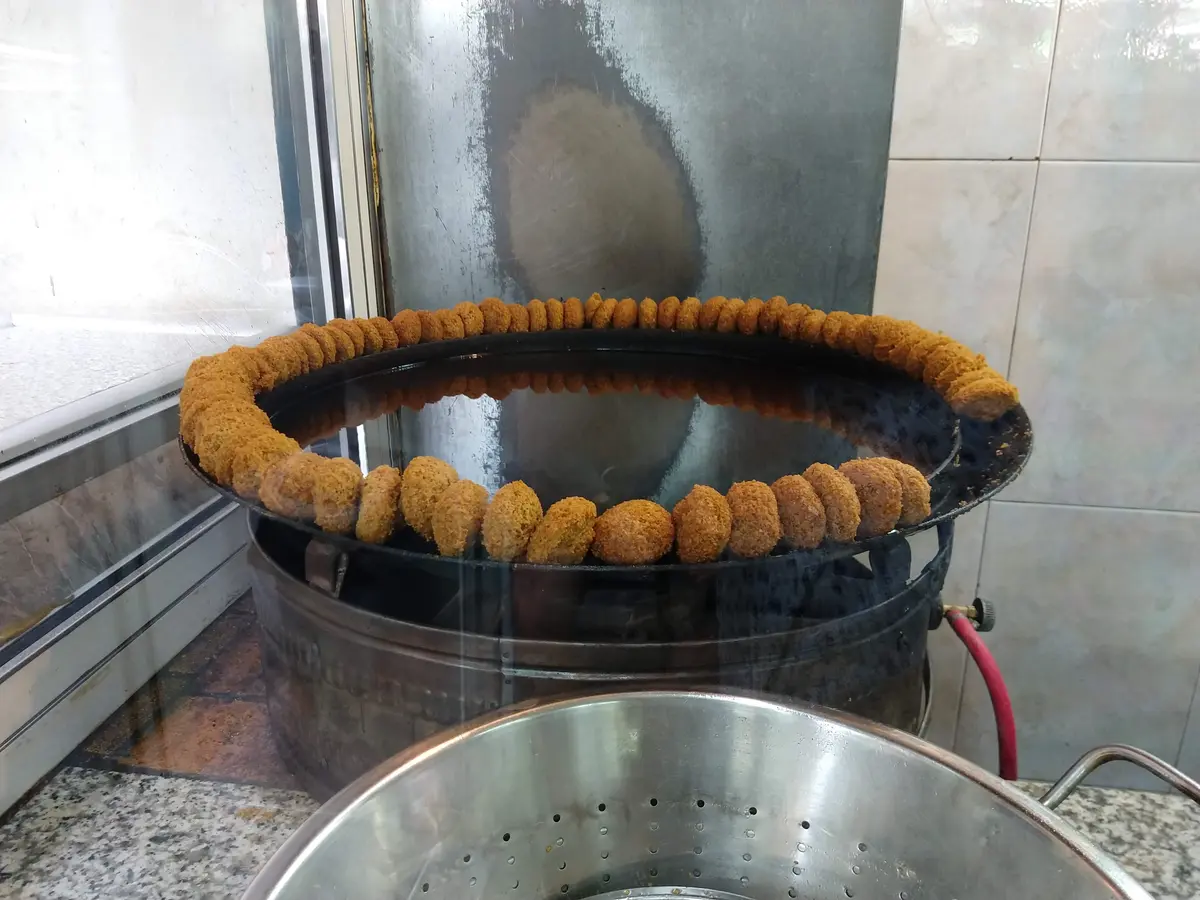
Lebanese mountain food is built for cold weather — it leans on preserved meat, bread from a saj, and hot anise liquor. Breakfast is a saj manousheh, a thin flatbread griddled to order and folded over zaatar, cheese or labneh for around $3–5. Lunch on the mountain, if you want the local move, is eggs with awarma — cured lamb preserved in its own fat, fried with eggs and served with fresh bread.
Après-ski centers on arak, the anise spirit that turns cloudy white when you add water. It’s poured alongside winter mezze: kibbeh nayeh (raw beef or lamb pounded with bulgur), warm hummus topped with pine nuts and lamb, and grilled halloumi. For the full picture see our Lebanese food guide.
Pro Tip: At Rikky’z or any of the Mzaar base restaurants, order the kibbeh nayeh even if raw meat isn’t your normal move. The quality is high, it’s served at noon when it’s freshest, and skipping it is the mistake most first-timers regret.
Before you book
Skiing in Lebanon is not the sanitized big-resort experience of Zermatt or Aspen. The lifts are older, the signage is inconsistent, the weekend crowds are chaotic, and the current geopolitical backdrop is not trivial. What you get in return is a mountain day with Roman ruins on the slopes, cedar trees older than recorded history, and the only place on earth where you can ski before lunch and sit on a Mediterranean beach before sunset.
TL;DR: Pick Mzaar for size and nightlife, The Cedars for snow quality and scenery, Zaarour for a beginner day trip from Beirut. Budget $120–180 per person per day all-in, bring crisp US dollars, hire a driver, and check the State Department advisory 48 hours before you fly.
Which resort would you hit first — the size of Mzaar or the altitude of The Cedars? Tell us in the comments.