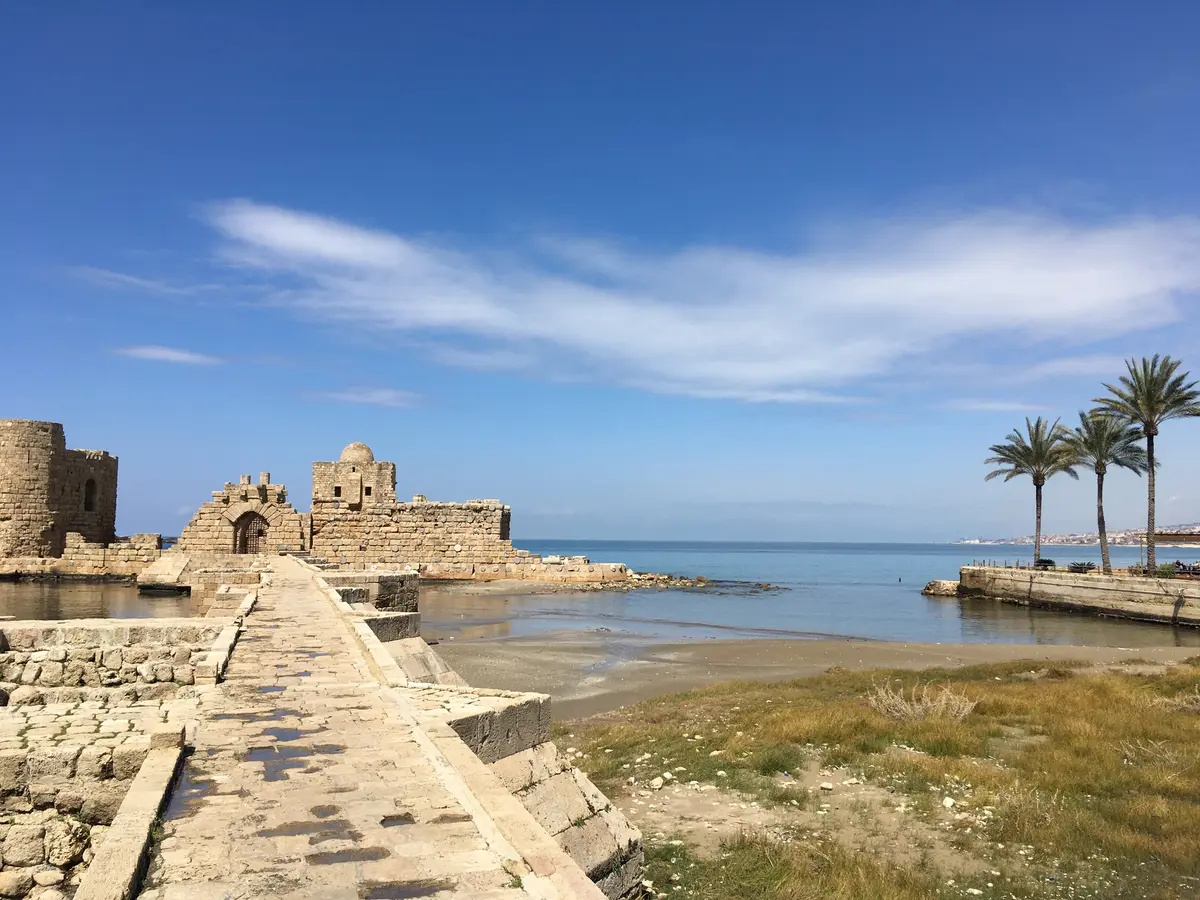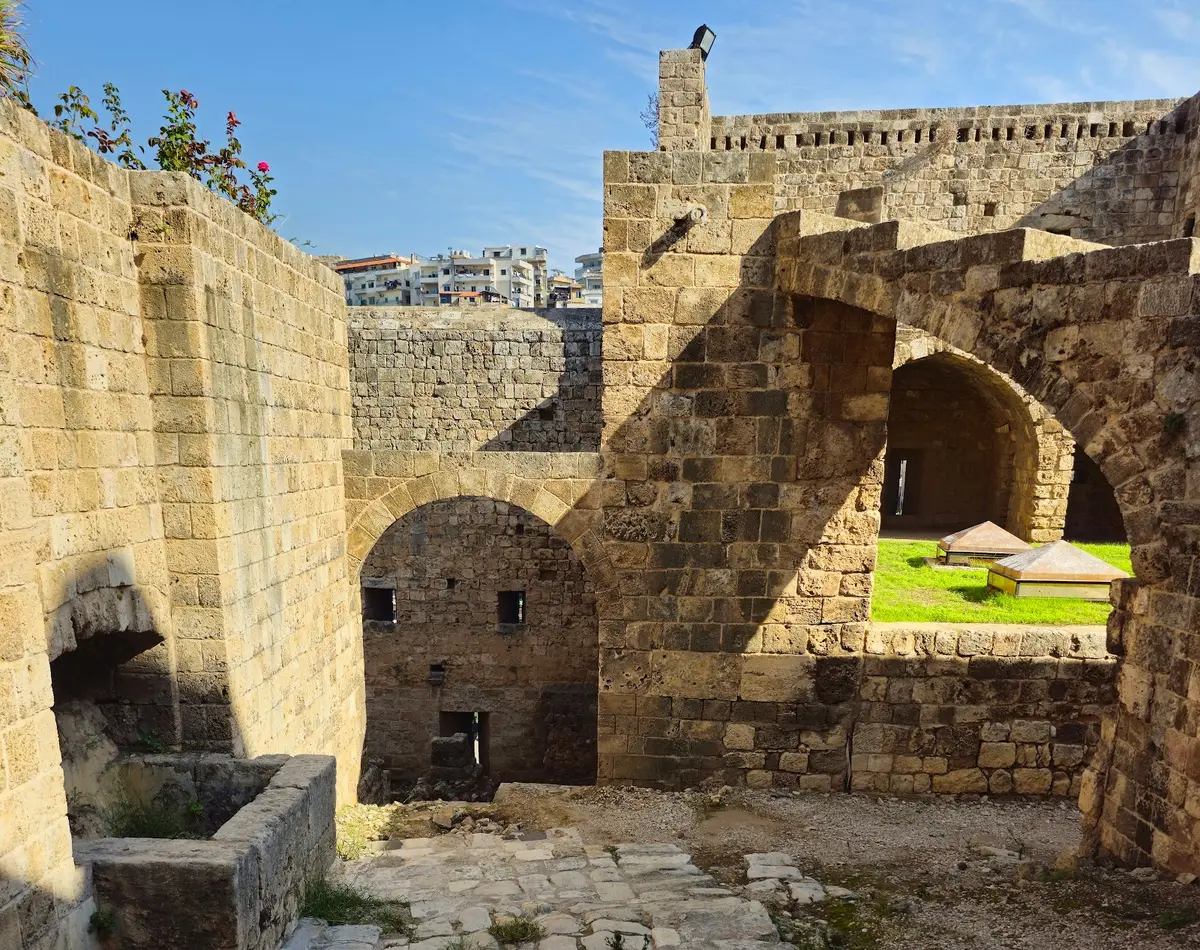
Editor’s advisory. The U.S. State Department currently lists Lebanon as Level 4 — Do Not Travel, with non-emergency U.S. government personnel and their families under ordered departure from Beirut. Airstrikes, drone activity and rocket fire have been reported across the country, including in parts of the capital, and U.S. Embassy consular services are suspended. This guide is written as a reference for travelers with strong personal or professional ties to Lebanon, for future planning, and for Lebanese-diaspora readers tracking the hospitality scene. It is not a recommendation to travel at this time. Check travel.state.gov before making any booking decisions.
Lebanon hotels run the full range — Mediterranean icons like the InterContinental Phoenicia, stone-walled boutique houses in Achrafieh, heritage mountain retreats in the Chouf, and alpine resorts in Mzaar that actually deliver skiing. But booking well here isn’t about stars on a website. It’s about generator capacity, fresh-dollar cash, and picking a neighborhood that matches what you’re actually there to do.
What makes booking Lebanon hotels different from a normal trip?
Three operational realities separate a comfortable Lebanon stay from a miserable one: electricity, internet, and how you pay. The state grid delivers roughly 1–3 hours of power a day on average, so a hotel’s private generator is effectively its star rating. Wi-Fi quality depends on whether the property runs its own Starlink. And most hospitality pricing is in physical U.S. dollars — “fresh dollars,” not the trapped local-bank money — which you need to plan for before you land.
Power: the generator is the hotel
EDL, the state utility, has been providing single-digit hours of daily power for years, and scheduled power cuts have become the operating baseline rather than the exception. Top-tier properties — the InterContinental Phoenicia, Kempinski Summerland, Le Royal in Jounieh — run full private power plants with enough capacity to keep air conditioning, elevators and water pumps running without interruption. Mid-tier properties typically run generators with scheduled downtime in the middle of the night or during peak fuel costs. Budget places ration hard.
Before booking anything below 5-star, ask the property two direct questions: how many hours a day their generator runs, and whether air conditioning and hot water are on the generator circuit. If they hesitate, you have your answer.
Pro Tip: If you’re a light sleeper, ask specifically about generator noise. Some mid-range hotels park the unit in an interior shaft that amplifies the hum into rooms facing it.
Internet: Starlink is now the real amenity
Lebanon’s legacy broadband is slow and unreliable; the solution most credible hotels have landed on is Starlink. High-end boutique properties in Batroun and mountain hotels in Mzaar now advertise Starlink as a headline feature, and in practice it delivers speeds comfortably above 100 Mbps — fine for video calls, cloud syncing and streaming.
If you’re working remotely from Beirut or elsewhere in the country, filter for “Starlink” in property descriptions rather than “high-speed internet” or “fiber.” Those older labels often mean a connection that degrades badly during power transitions between grid and generator.
The “fresh dollar” payment system
Lebanon’s dual-currency system catches almost every first-timer off guard. “Fresh dollars” means physical USD cash or international wires — distinct from the dollars trapped in Lebanese bank accounts since the 2019 financial collapse. Hotels, restaurants, drivers and most shops price in fresh dollars.
- Best approach: Prepay your hotel stay online through a U.S.-based booking engine to lock the rate.
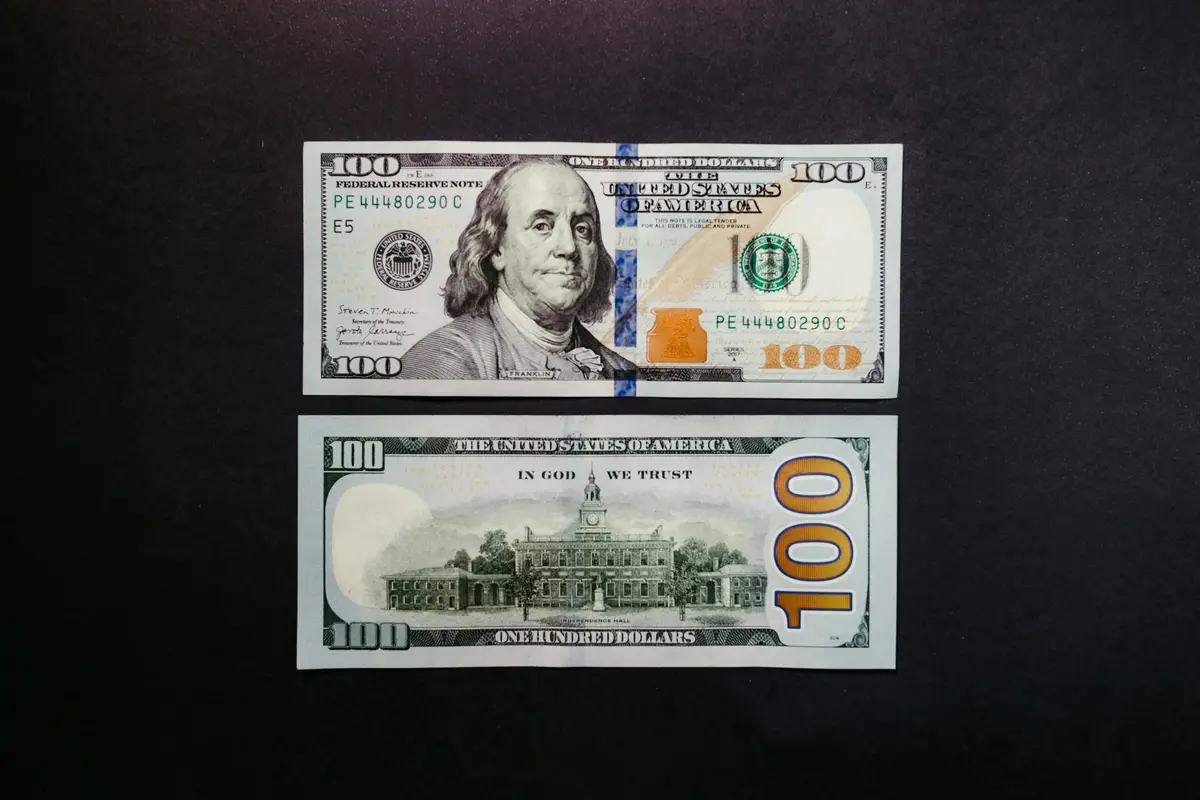
- Cash to carry: Budget roughly $50–$100 per day per person in physical USD for food, rideshare, tips and sundries. Bring newer-design $100 bills — older series are often rejected or exchanged at a discount.
- Credit cards: Major hotels accept Visa and Mastercard, but Dynamic Currency Conversion at the point of sale can inflate the bill 3–7%. Decline DCC and pay in USD.
- ATMs: Expect withdrawal fees of $5–$10 per transaction and low daily limits. Treat ATMs as emergency-only.
- Tipping: 10% in cash USD is the standard for good service. This bypasses card processing and goes directly to the staff.
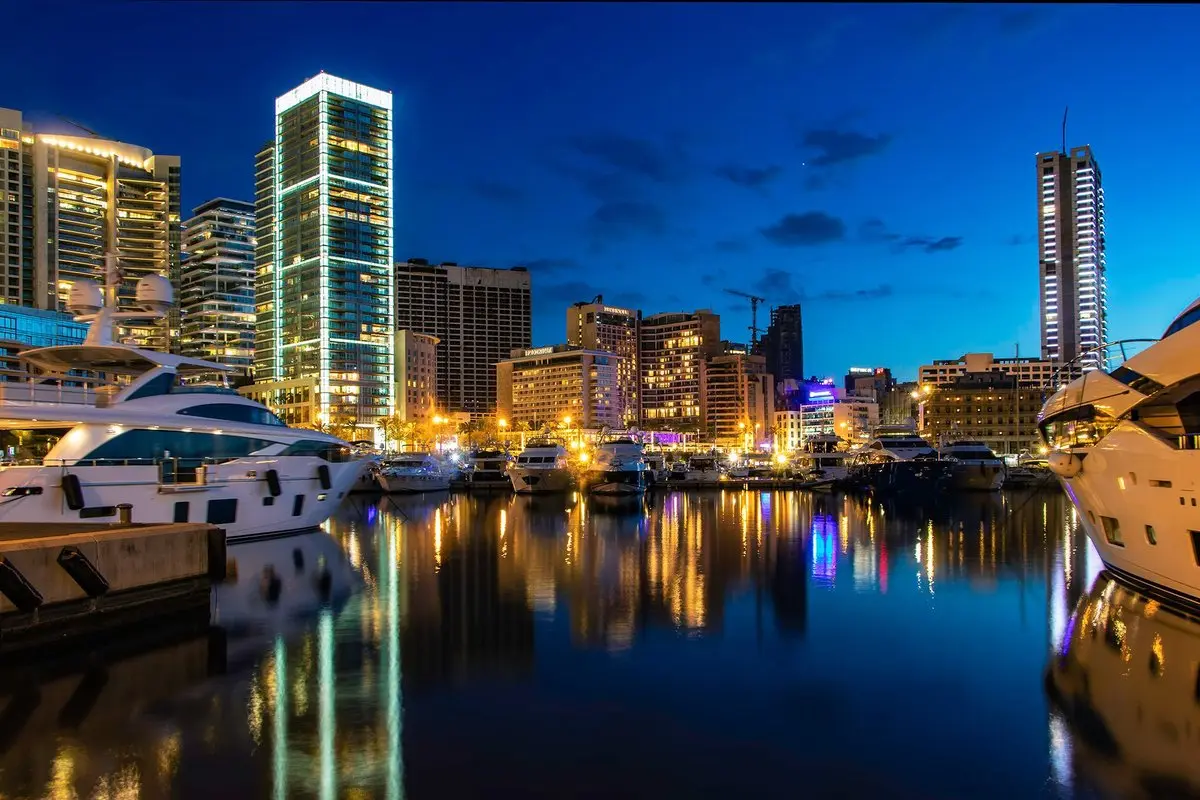
Downtown Beirut and Zaitunay Bay: the secured luxury zone
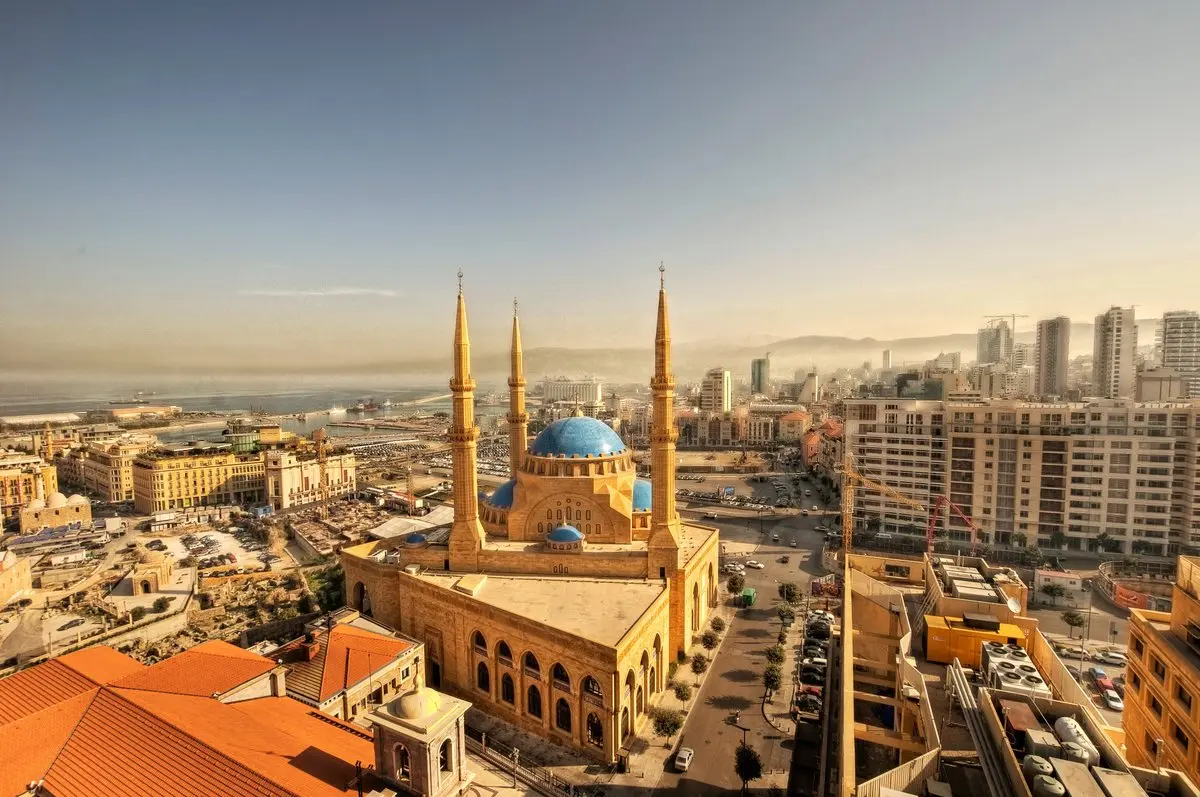
Downtown Beirut is the most manicured district in the country — rebuilt in French Mandate style around Martyrs’ Square, physically separated from the surrounding city by checkpoints, and built for the kind of traveler who wants the city outside the window but not necessarily underfoot. This is where business travelers, diplomats and high-end leisure guests book when predictability matters more than character.
1. InterContinental Phoenicia Beirut — the resort inside the city
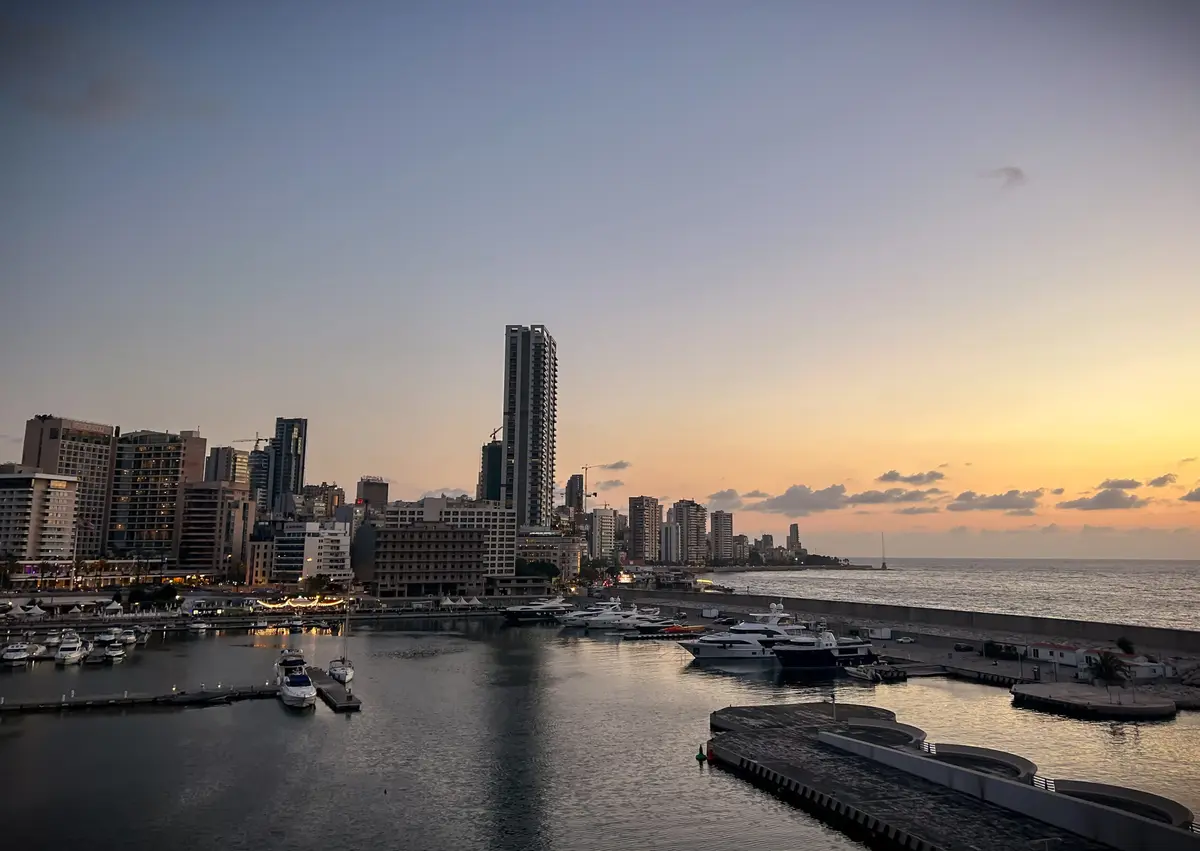
The Phoenicia is the closest thing Lebanon has to a flagship hotel. It sits on the corniche overlooking Zaitunay Bay’s marina, and it runs like a self-contained compound: full private power plant, on-site water filtration, metal-detector lobby entry, a vast outdoor pool that doubles as the social hub for the city’s business class. Reviewers repeatedly call it an “oasis,” and the framing isn’t wrong — the Club InterContinental lounge on the upper floors is quiet enough to take calls in, and the breakfast buffet is the most consistent in the city.
The trade-off is sterility. You’re staying in the calmest, least-Lebanese part of Lebanon. Cultural immersion this is not.
- Location: Minet el-Hosn, on the corniche next to Zaitunay Bay marina
- Cost: from $220/night (fresh USD, prepaid)
- Best for: Business travelers, first-time visitors, anyone prioritizing infrastructure certainty
- Time needed: 3–5 nights for a Beirut-focused trip
2. Le Gray — modern design on Martyrs’ Square
Le Gray sits on Martyrs’ Square, directly in the rebuilt downtown core. The building is aggressively modern — contemporary art installations in the atrium, a rooftop bar with a straight-line view of the Mohammad Al-Amin mosque and the adjacent St. George Cathedral side by side. If the Phoenicia feels like a grand European hotel, Le Gray feels like a design-forward city hotel you’d find in Berlin or London.
Service is generally strong; the weaker element is the restaurant scene, which has cycled through several concepts and is rarely the reason to book.
- Location: Martyrs’ Square, Beirut Central District
- Cost: from $200/night
- Best for: Design-conscious travelers, couples, short city breaks
- Time needed: 2–4 nights
Achrafieh: heritage hills and francophone character
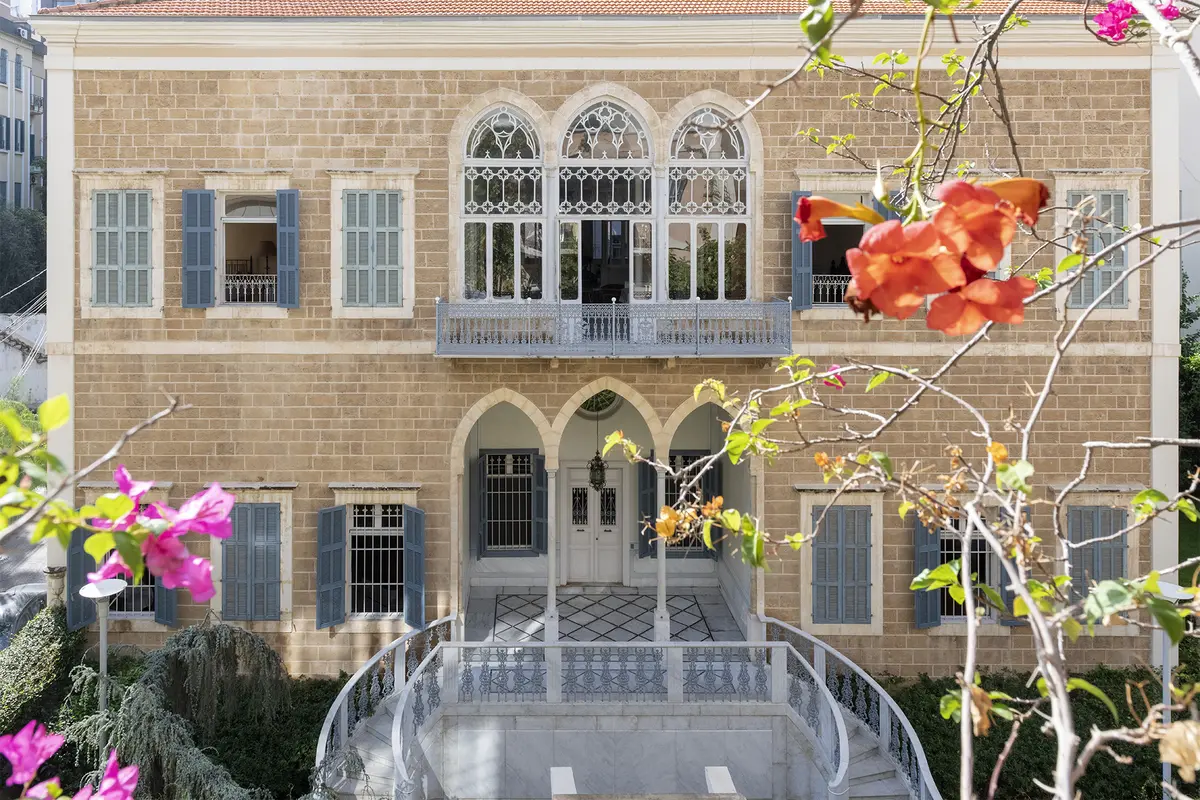
Achrafieh sits on the hills east of the downtown core, narrow streets laid out for feet rather than cars, lined with heritage villas and late-Ottoman apartment buildings. French is genuinely spoken here, not just staged. This is where you stay in Beirut if you want neighborhood character without Mar Mikhael’s volume.
3. Hotel Albergo — the Relais & Châteaux boutique
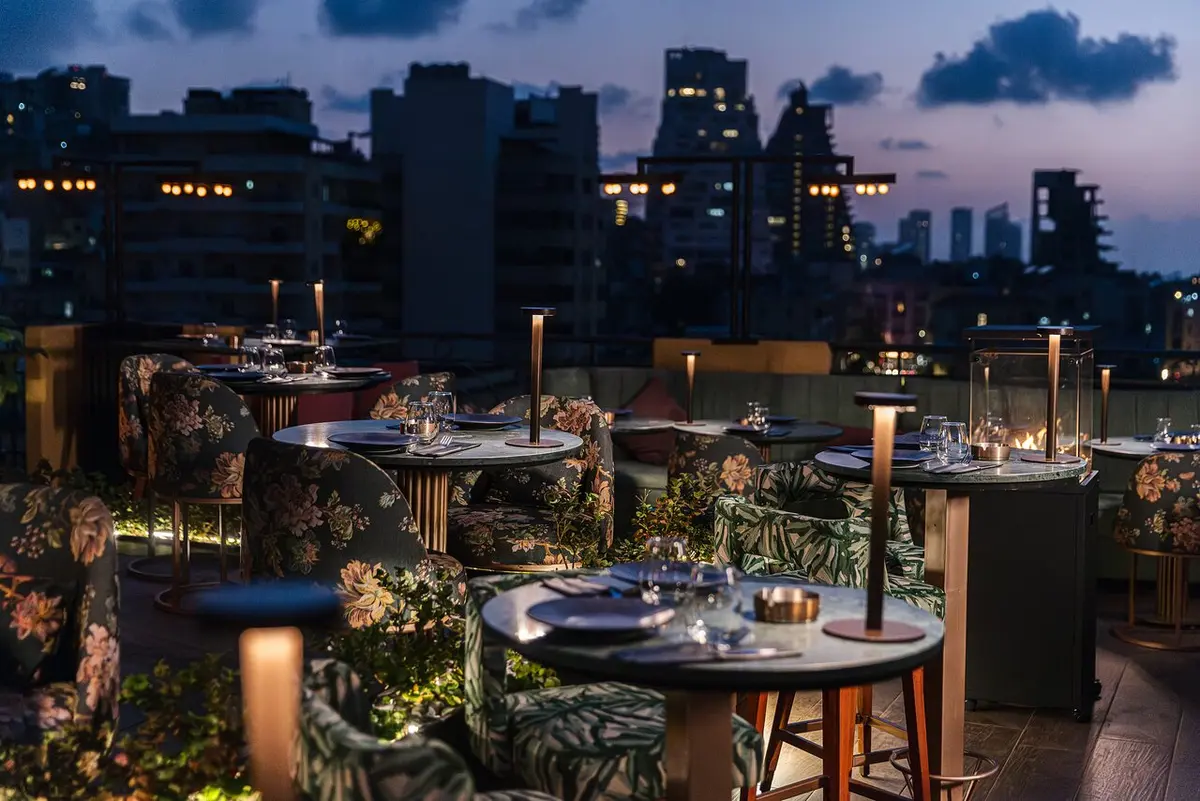
Albergo occupies a restored Ottoman-era building on a quiet residential street. The interiors are busy in the good sense — antique furniture, Persian rugs, individually designed suites that don’t repeat. The rooftop pool, ringed by a small Italian restaurant under trellises, is one of the few genuinely romantic outdoor spaces in a city that otherwise defaults to concrete.
Reviewers often describe the sensation as “staying in a private mansion,” which is accurate. The flip side: corridors are narrow, the elevator is small and occasionally slow on generator, and the dinner scene is intimate to the point of being quiet.
- Location: 137 Abdel Wahab El Inglizi Street, Achrafieh
- Cost: from $280/night
- Best for: Couples, honeymoons, travelers who want a sense of place
- Time needed: 3–5 nights
4. Royal Tulip Achrafieh — reliable 5-star near Sassine
The Royal Tulip is the functional business hotel of the neighborhood. No heritage story, no Instagram rooftop — what it has is consistent service, a strong breakfast, reliable generator performance, and a location near Sassine Square that puts you inside walking distance of most Achrafieh restaurants and cafes.
- Location: Sioufi Street, near Sassine Square, Achrafieh
- Cost: from $150/night
- Best for: Business travelers, repeat visitors, anyone who prioritizes predictability
- Time needed: 2–5 nights
5. Sodeco Suites — extended-stay value
On the Sodeco edge of Achrafieh, near the National Museum, Sodeco Suites delivers apartment-style rooms with kitchenettes at roughly half the price of the boutique options. Guests consistently rate the facilities higher than the price point suggests, which makes it a default pick for longer assignments and remote workers who need a desk and a fridge.
- Location: Sodeco Street, near the National Museum
- Cost: from $110/night (weekly and monthly rates available)
- Best for: Digital nomads, extended stays, budget-conscious travelers
- Time needed: 1–4 weeks
Gemmayze and Mar Mikhael: the creative corridor
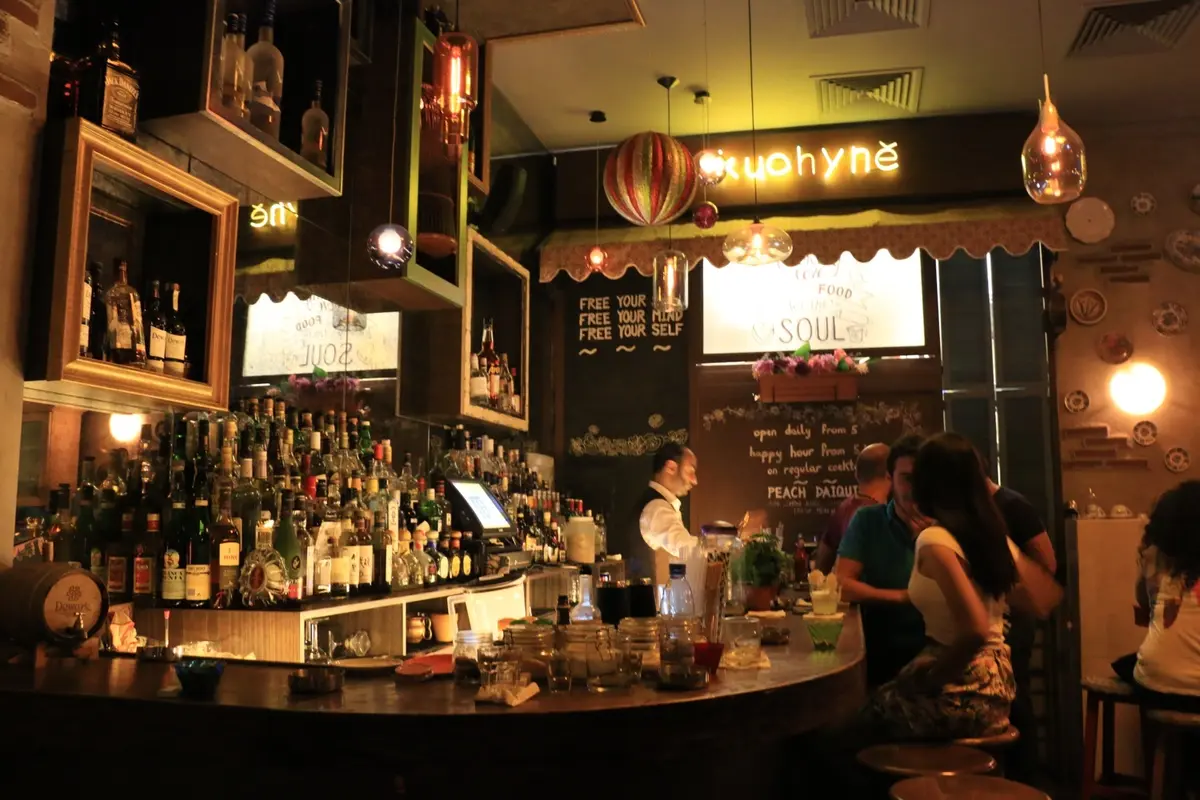
Gemmayze and Mar Mikhael run adjacent along Armenia Street — this is the arts and nightlife spine of the city, densely packed with galleries, natural wine bars, Mar Mikhael’s rooftop bars, independent restaurants and heritage buildings that still show scars from the August 2020 port explosion. It’s the most visually interesting part of Beirut and, on weekend nights, the loudest.
6. Arthaus Beirut — heritage houses around a courtyard
Arthaus is built into several 18th-century houses clustered around a shared courtyard garden. It operates as a hybrid hotel and exhibition space, with rotating shows and occasional cultural events. The courtyard — grapevine trellis, a fountain that mostly works — is a genuine green pocket in a dense neighborhood, and worth the booking premium on its own.
Expect some street noise from Gemmayze’s bar scene on Friday and Saturday. Rooms facing the courtyard are quieter.
- Location: Pharaon Street, Gemmayze
- Cost: from $230/night
- Best for: Art-focused travelers, cultural immersion
- Time needed: 3–4 nights
7. Villa Clara — family-run with a kitchen
Villa Clara is a small, family-operated boutique hotel in a heritage building with a distinctive blue façade on a side street in Mar Mikhael. The French restaurant downstairs is the reason to book — it’s a proper destination in its own right, not a bolt-on amenity. Interiors are eclectic and colorful, six rooms only, each one different.
- Location: Rue Soleiman Frangieh, Mar Mikhael
- Cost: from $190/night
- Best for: Food-focused travelers, couples
- Time needed: 2–3 nights
Is Mar Mikhael too loud to sleep in?
Yes, on Friday and Saturday nights, for most people in rooms facing the main bar strip. Armenia Street’s clubs run until 3 or 4 a.m., and several hotels now provide earplugs without being asked. If you’re a light sleeper, book a courtyard- or rear-facing room, or pick Gemmayze’s quieter blocks rather than Mar Mikhael’s Armenia Street axis. Sunday through Wednesday, the volume drops sharply.
Pro Tip: When booking here, ask explicitly: “Does the room face Armenia Street, or the back?” “Quiet room” is not a specific enough ask.
Hamra: the intellectual neighborhood with budget options
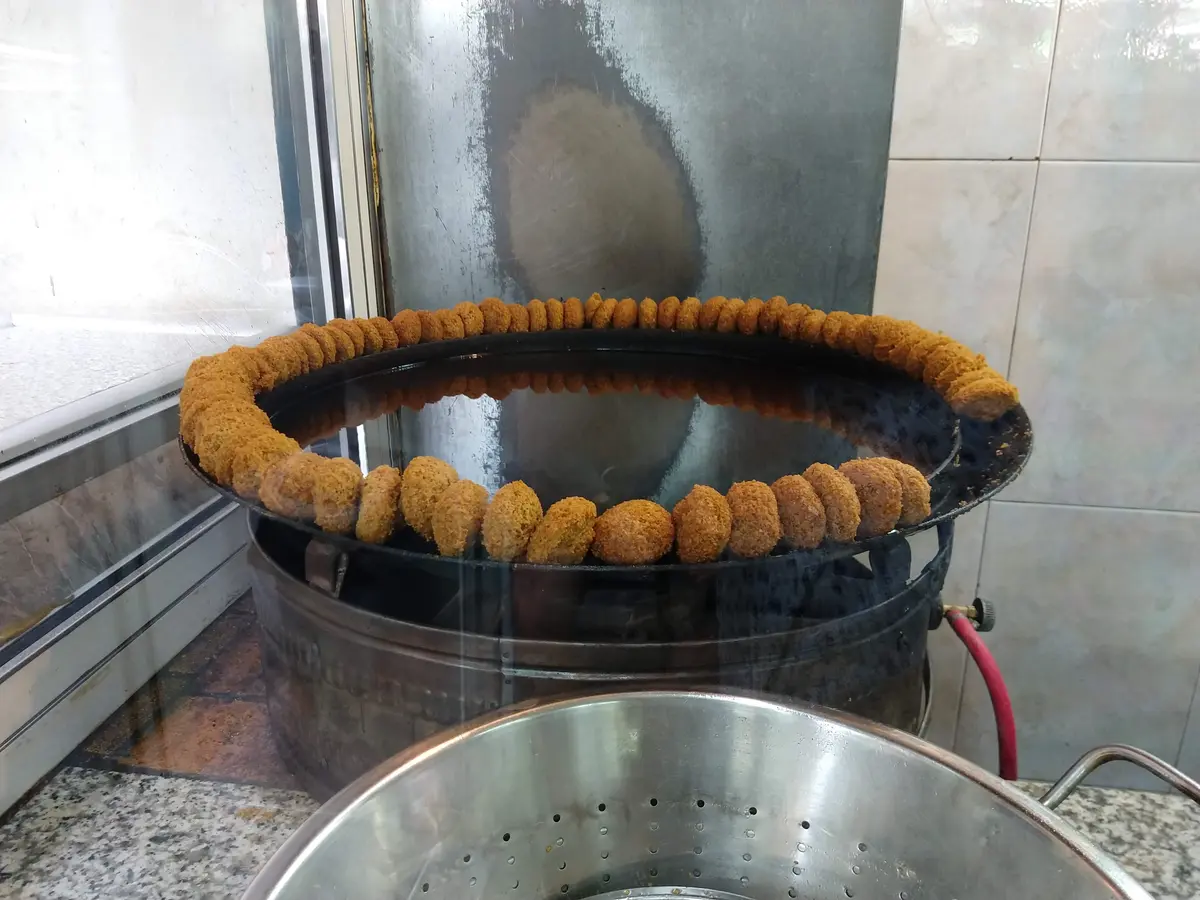
Hamra, west of downtown, was once called the Champs-Élysées of the Middle East — a title now quoted more in Beirut travel guides than in actual daily life. It’s now a working neighborhood anchored by the American University of Beirut, with student density, used-book stores, cheap falafel stands, and a handful of hotels that deliver Western standards without Achrafieh pricing.
8. Crowne Plaza Hamra — the dependable chain
The Crowne Plaza sits on Hamra Main Street and connects to an adjacent mall. Heated indoor pool, full business center, reliable elevator performance — it’s not a hotel you book for atmosphere, it’s one you book because you know exactly what you’re getting. Popular with IHG loyalty members and AUB-adjacent visitors.
- Location: Hamra Main Street
- Cost: from $140/night
- Best for: Loyalty program travelers, academic visitors, business
- Time needed: 2–4 nights
9. Hamra Urban Gardens (HUG) — hostel-boutique hybrid
HUG is genuinely unusual: a high-end hostel with a boutique hotel tacked on, a rooftop pool and bar serving affordable local food, and an actively social scene that skews young and international. It’s one of the few properties in Lebanon explicitly positioned as a safe, welcoming space for LGBTQ+ travelers — worth noting given Lebanon’s broader legal environment.
- Location: Makhoul Street, Hamra
- Cost: from $35/night (dorm) / $95/night (private)
- Best for: Solo travelers, younger travelers, budget-conscious visitors
- Time needed: 2–5 nights
Badaro: the design-forward quiet pocket
Badaro sits south of Achrafieh, near the National Museum and Hippodrome. It emerged over the last decade as the calmer alternative to Mar Mikhael — leafy streets, sidewalk cafes, a younger and more fashion-forward crowd, and almost none of the Armenia-Street volume.
10. The Smallville Hotel — Design Hotels branding
Smallville is a member of the Design Hotels collection, with quirky superhero-themed branding that’s either charming or baffling depending on your taste. The building is a large, sharply designed modern block with a rooftop pool and in-house nightlife venues. Location near the National Museum makes it a good base for walking tours of the southern half of the city.
- Location: Damascus Road, Badaro
- Cost: from $160/night
- Best for: Design-focused travelers, couples, weekend trips
- Time needed: 2–4 nights
Batroun: the walkable coastal town
Batroun sits about 45 minutes north of Beirut on the coast, and over the last decade it’s become the country’s summer tourism center. The town is genuinely walkable — you can go from the Phoenician sea wall to the old souk to the beach clubs without ever getting in a car — which is rare enough in Lebanon to be a real selling point. The concentration of things to do in Batroun makes it a viable base for 2–4 night stays rather than just a day trip from Beirut.
11. Batroun Boutique Suites — town-center base
Batroun Boutique Suites puts you in the center of the old town, steps from the souk and the sea wall. Rooms are modern and well-kept, and the Wi-Fi — reportedly Starlink-backed — is among the most reliable in the town.
The rooftop bar is excellent but loud. If you’re booking upper floors, confirm your room isn’t directly below the bar deck, or ask for lower floors for sleep quality.
- Location: Old town Batroun, near the souk
- Cost: from $130/night
- Best for: Walkable summer stays, first-time visitors to Batroun
- Time needed: 2–4 nights
12. L’Auberge de la Mer — refined seaside
L’Auberge de la Mer sits near the fishing port, a few minutes from the town center. It’s smaller, quieter and more design-led than the boutique suites in town — the kind of place couples book when they want the Batroun experience without the rooftop-bar soundtrack.
- Location: Near the fishing port, Batroun
- Cost: from $170/night
- Best for: Couples, quiet stays
- Time needed: 2–4 nights
13. Blue Marlin and Dar24 — guesthouse alternatives
The Batroun guesthouse scene has matured significantly. Blue Marlin in particular ranks well for Wi-Fi reliability, which remote workers notice immediately, and both properties deliver more direct host interaction than the hotels — breakfast advice, restaurant recommendations, occasional invitations to join the family for dinner.
- Cost: from $80–$120/night
- Best for: Remote workers, repeat visitors, travelers who want local contact
- Time needed: 3–7 nights
Byblos (Jbeil): harbor-side history
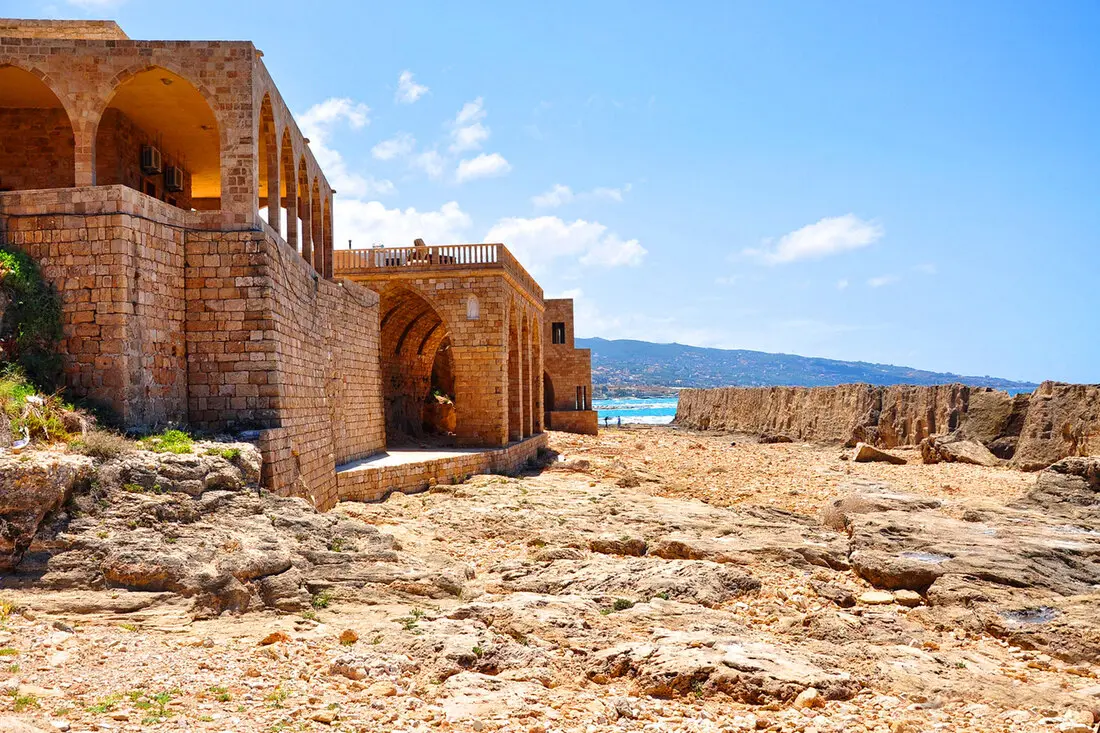
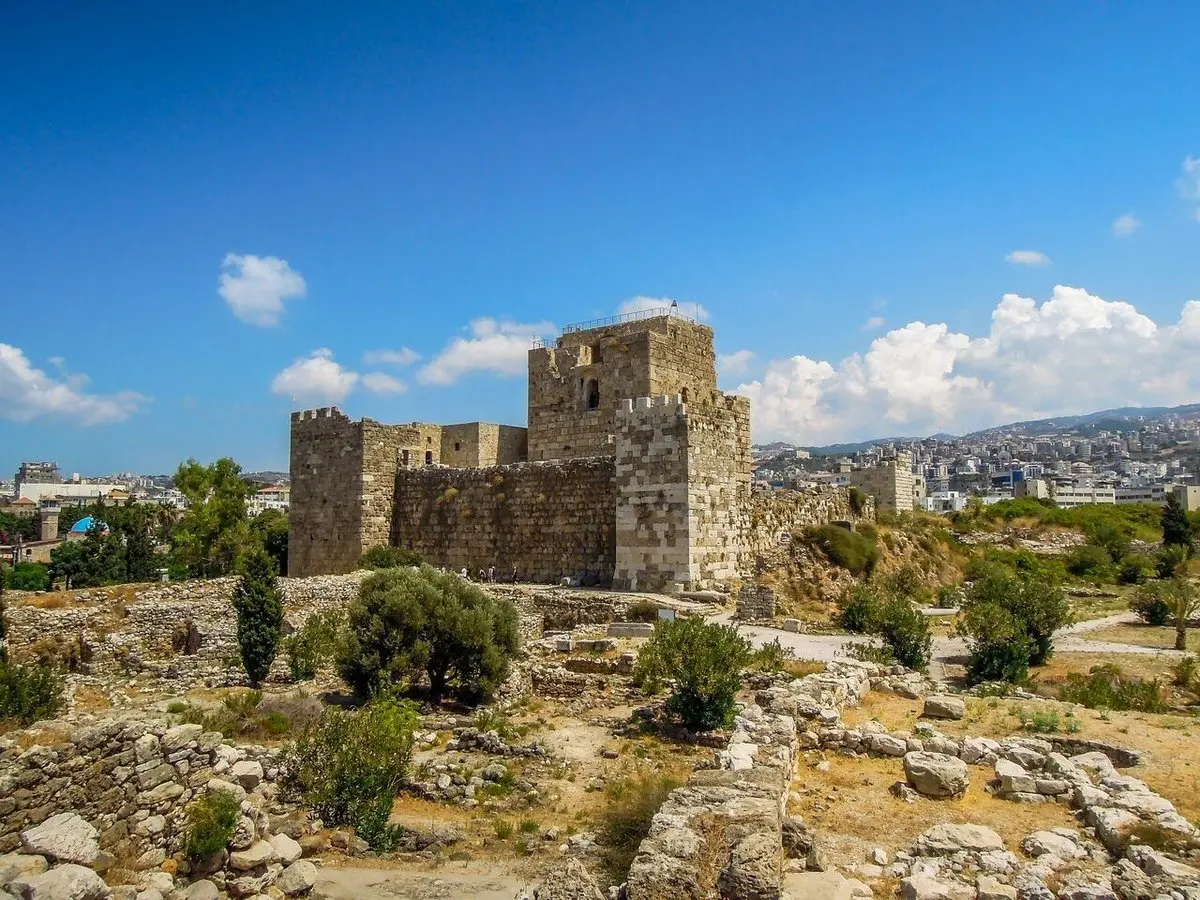
Byblos sits between Beirut and Batroun on the coast, built around an ancient harbor and the Crusader castle. Habitation here is continuous going back roughly 7,000 years, and the old town delivers a genuinely different mood from Batroun’s beach-club energy — slower, older, more romantic.
14. Byblos Sur Mer — the harbor classic
Byblos Sur Mer is directly on the old harbor, with rooms facing the Crusader castle. The hotel restaurant’s terrace, serving fresh fish over the water at sunset, is the kind of experience that ends up on every trip-highlights list that guests write afterward. Service is consistently high; prices are too.
- Location: Old harbor, Byblos
- Cost: from $200/night
- Best for: Couples, history-focused travelers
- Time needed: 2–3 nights
15. Aleph Boutique Hotel — hillside alternative
Aleph sits on the hillside above the old town, with panoramic sea and ruins views and noticeably lower pricing than Byblos Sur Mer. Rooms are modern and well-finished; the downside is the 10-minute walk down to the harbor, which is steep coming back uphill in summer heat.
- Location: Hillside above Byblos old town
- Cost: from $130/night
- Best for: Value-conscious couples, travelers with rental cars
- Time needed: 2–3 nights
Jounieh and Kaslik: the bay with family resorts
Jounieh and Kaslik form a bay city roughly 20 minutes north of Beirut — the casino and several large resort-style hotels anchor the scene, and the Our Lady of Lebanon teleferique up to the Harissa shrine gives the area a family-attraction layer that purely coastal towns don’t have.
16. Le Royal Hotel — the family fortress
Le Royal is the largest resort complex in the bay: its own water park, full spa, multiple restaurants, strict security protocols on entry. It’s the default family pick — kids have a full day’s worth of activity on-property, and parents can use the spa and pool without leaving the compound. Reviews consistently praise cleanliness and staff.
- Location: Adma, overlooking Jounieh Bay
- Cost: from $180/night
- Best for: Families with children, resort-style travelers
- Time needed: 3–5 nights
17. Monte Cassino — boutique in Kaslik
Monte Cassino is the small, couple-oriented counterpoint to Le Royal. Near the casino, high-end interior design, strong ratings for service and food. No kids’ facilities — this is the place you book for a quiet weekend.
- Location: Kaslik, near the casino
- Cost: from $150/night
- Best for: Couples, casino visitors
- Time needed: 2–3 nights
Mzaar Kfardebian (Faraya): the alpine resorts
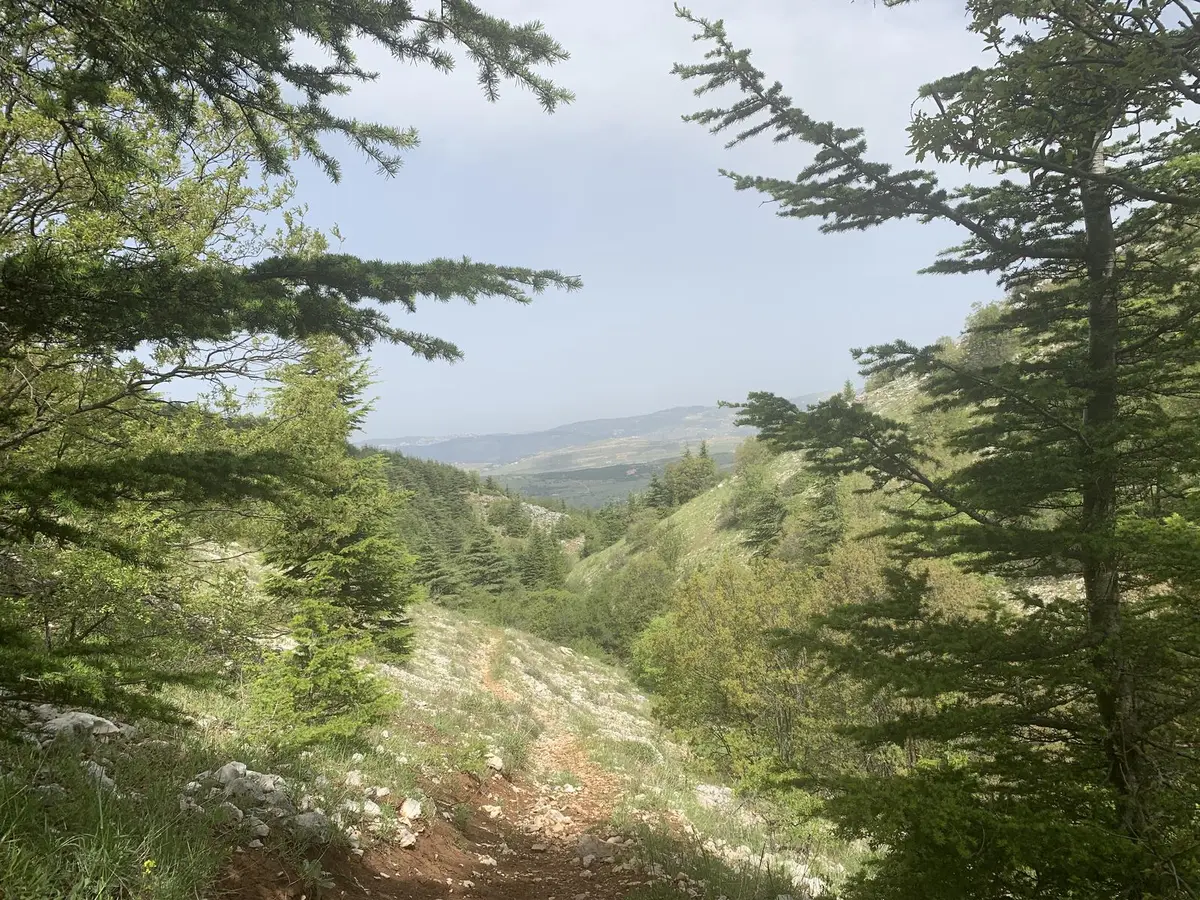
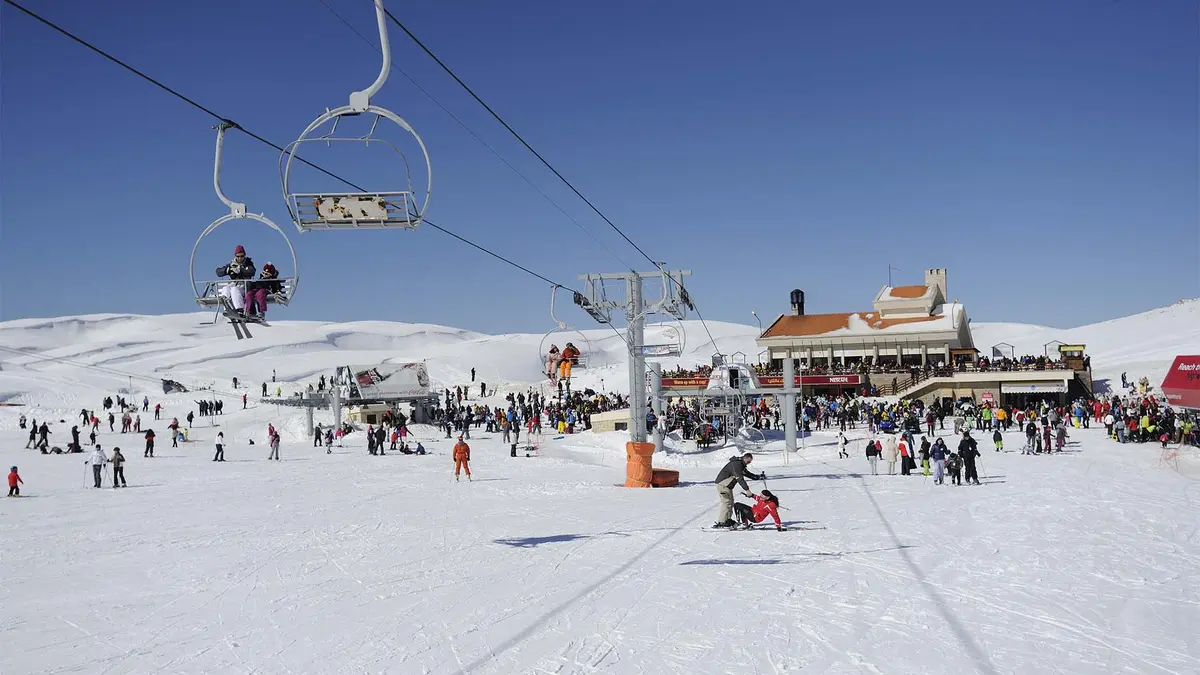
An hour from the coast, Mzaar Kfardebian is the Middle East’s most serious ski destination. The season runs roughly mid-December through March in a normal snow year, and the resorts stay open year-round as mountain retreats for hiking and cooler summer temperatures.
18. InterContinental Mzaar Mountain Resort & Spa
The only international-flag 5-star ski resort in the region. On-mountain location, ski concierge, heated indoor pool, cinema, bowling alley — the full alpine-resort package. Food and drink prices are international-resort-level high.
- Location: Mzaar ski area, Kfardebian
- Cost: from $250/night in ski season, $180/night off-season
- Best for: Skiers, mountain weekends, families
- Time needed: 3–5 nights
19. Chateau Du Comte — heritage boutique
Housed in a historic stone building off the main resort strip, Chateau Du Comte is the quiet, personal alternative — fireplaces, small-scale service, no lift queues in the lobby. Better for non-skiers and couples than for serious on-mountain days.
- Location: Kfardebian village
- Cost: from $160/night
- Best for: Non-skiing mountain stays, couples
- Time needed: 2–4 nights
The “Beit” guesthouse scene: heritage mountain houses
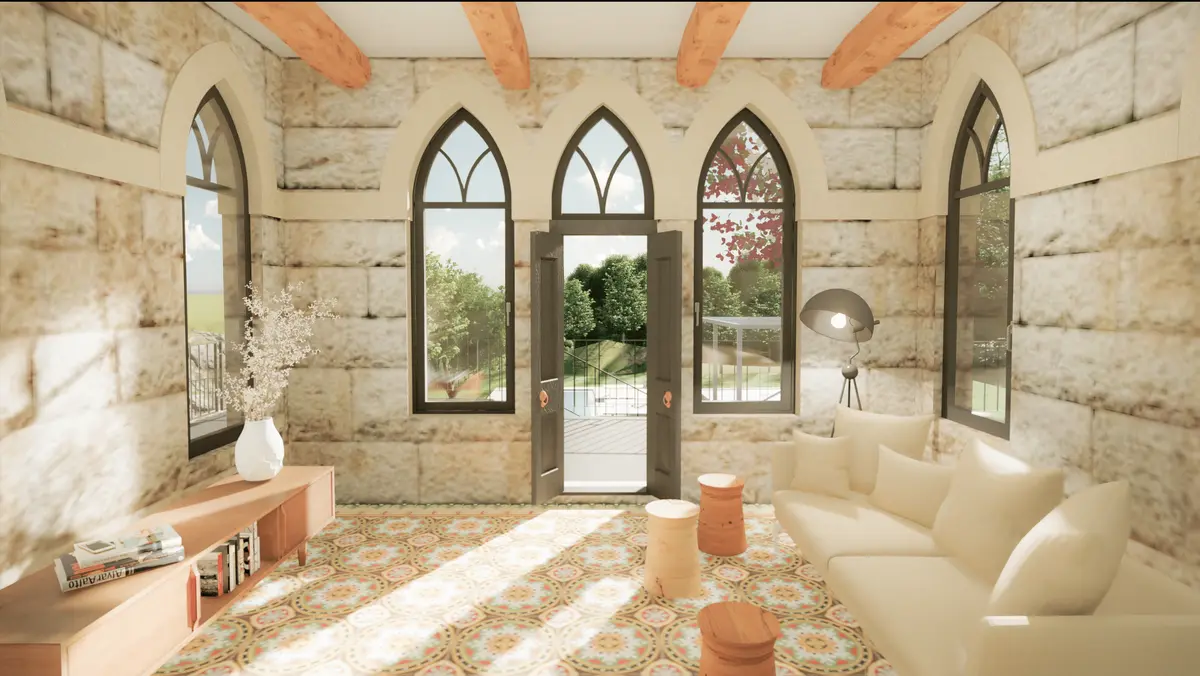
The beit (meaning “house”) movement is the most distinctive accommodation category in Lebanon — restored heritage stone houses, often deep in mountain villages, converted into small luxury retreats. These heritage mountain guesthouses are not hotels in any conventional sense. They’re worth planning a trip around.
20. Beit Trad — Kfar Aaqab
A sprawling stone mansion with mountain views, serving high-end Lebanese cuisine to overnight guests. Advance booking is essential — capacity is small and the property fills out on weekends.
- Location: Kfar Aaqab, Metn mountains
- Cost: from $280/night (often includes meals)
- Best for: Architecture- and food-focused travelers
- Time needed: 2–3 nights
21. Beit Douma — Batroun District
Beit Douma anchors the village of Douma, one of the best-preserved traditional villages in the country. Focus is on organic food sourced from the valley below and heritage preservation. Rooms are individually designed, stone walls throughout.
- Location: Douma village, Batroun district
- Cost: from $220/night
- Best for: Slow travel, food-focused stays
- Time needed: 2–4 nights
22. Bouyouti — Chouf Mountains
Bouyouti is an adults-only stone-cottage retreat in the Chouf, deliberately set up for silence — no kids, no conference groups, no pool parties. It’s the quietest accommodation in this guide.
- Location: Chouf Mountains
- Cost: from $240/night
- Best for: Couples, writing retreats, nature-focused travelers
- Time needed: 3–5 nights
Is it safe to stay in Lebanon hotels right now?
Not according to the U.S. State Department, which currently lists the country as Level 4 — Do Not Travel. Airstrikes, drone activity and rocket attacks have been reported across multiple governorates including parts of Beirut, U.S. Embassy consular services are suspended, and non-emergency U.S. government personnel have been ordered to depart. For the underlying question of whether Lebanon is safe for American tourists, this guide is a reference for when conditions change — not a green light.
Which areas are highest-risk?
The U.S. Embassy urges Americans to avoid and depart from several specific zones:
- Southern Lebanon (all areas south of the city of Saida): ongoing military activity despite the November 2024 cessation-of-hostilities arrangement.
- The Bekaa Valley, particularly near Baalbek.
- Beirut’s Dahiyeh southern suburbs.
- The Lebanon-Syria border region: clashes between Lebanese security forces and Syrian-based groups, plus airstrikes.
- Refugee settlements anywhere in the country.
Were the “safer” neighborhoods still safe before the current escalation?
Before the escalation, Greater Beirut’s central neighborhoods — Achrafieh, Downtown, Hamra, Badaro — and the coastal strip from Jounieh through Batroun to Byblos had operated as lower-risk tourist zones with heavy private security at major hotels and a regular police presence. That framing is less reliable now; airstrikes have affected parts of the capital itself. Any future booking should be made against the most current advisory, not the historical pattern.
How should travelers handle transportation?
Skip shared taxis (locally called service) and street-hailed cabs. Use rideshare apps — Uber and Bolt both operate — and select premium options, or pre-arrange a private driver through your hotel. Airport-style security at major hotels (metal detectors, vehicle inspections at the gate) should be read as functioning safety infrastructure, not a red flag.
Pro Tip: Agree on the fare in fresh USD before getting in any non-app car, and pay on arrival, not on departure from the hotel. Tipped drivers give better service on the way back.
How much does a Lebanon hotel stay actually cost?
A realistic Lebanon travel cost breakdown for a week, assuming conditions permit travel, looks roughly like this:
- Luxury (Phoenicia / Albergo / InterContinental Mzaar): $220–$280/night for the room, $80–$120/day for food and drink outside the hotel, $40–$60/day for transport. All-in: $2,500–$3,200/week per person.
- Mid-range (Royal Tulip / Smallville / Byblos Sur Mer): $140–$200/night, $50–$80/day for food, $25–$40/day for transport. All-in: $1,500–$2,000/week per person.
- Budget (HUG / Sodeco Suites / guesthouses): $35–$110/night, $25–$40/day for food (street food and local restaurants), $15–$25/day for transport. All-in: $700–$1,200/week per person.
Fuel-driven generator surcharges sometimes appear on the final bill at mid-range hotels — $5–$15/night. Ask on arrival whether generator costs are included in the quoted rate.
Before you book
TL;DR: Lebanon hotels can deliver genuinely exceptional stays — the Phoenicia’s pool deck, Albergo’s rooftop, a Beit Douma dinner on the terrace — but only when the broader security picture allows. At the current Level 4 advisory, the correct move for U.S. travelers is to plan, not book. When you do book, prioritize generator capacity, Starlink Wi-Fi, and a neighborhood matched to your trip, and carry fresh USD in new-design $100 bills.
What’s your situation — are you researching future travel, maintaining diaspora family ties, or tracking the hospitality scene from a distance? Drop a comment below.