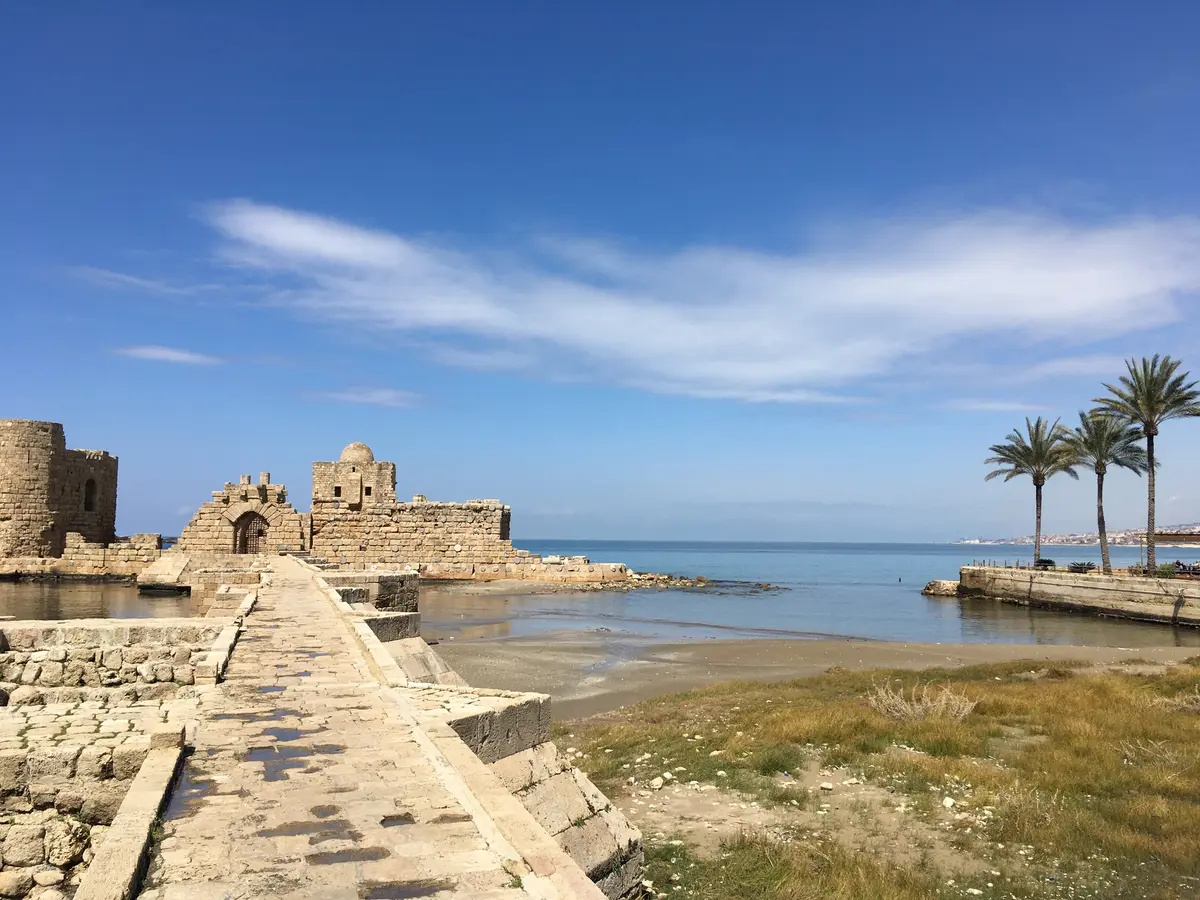
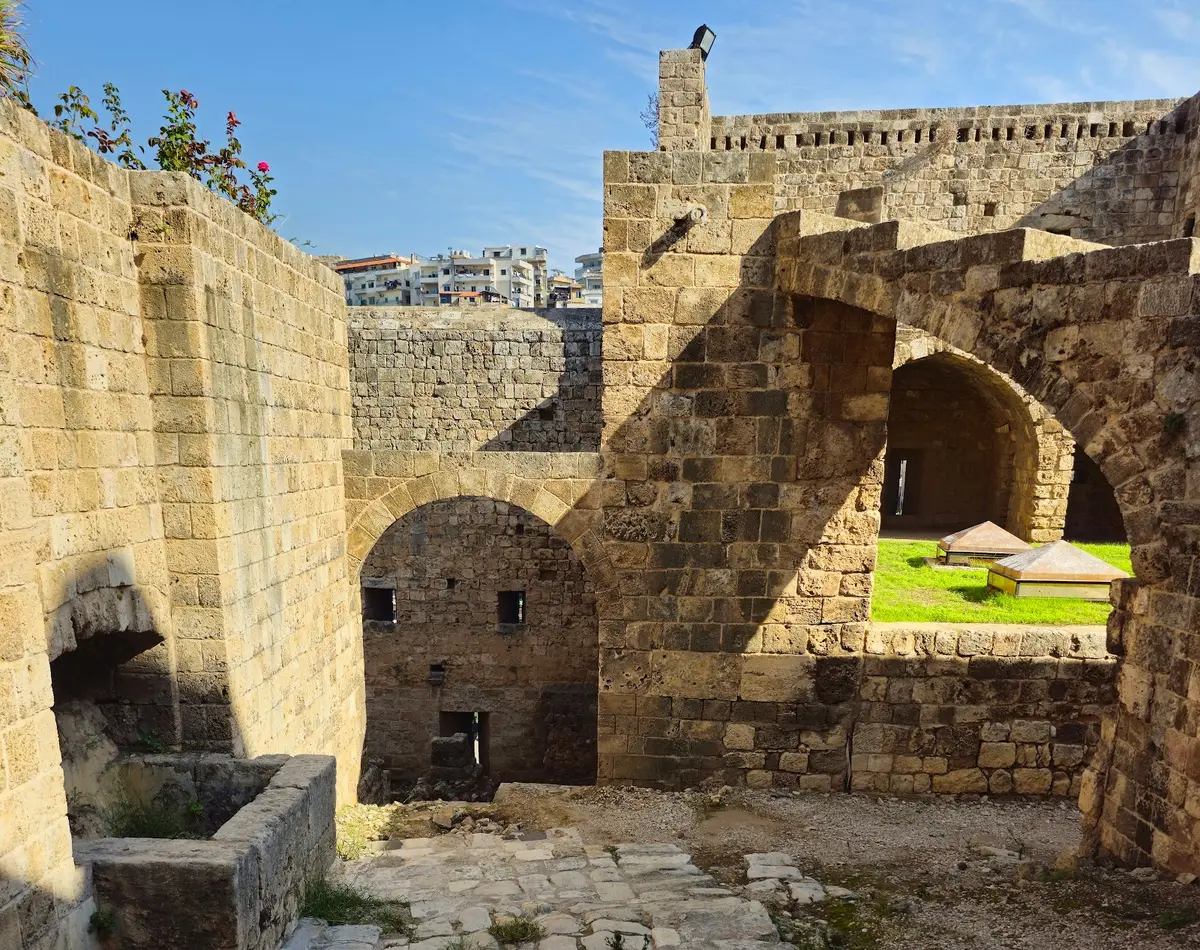
Lebanon is not a soft-landing destination. This 7 days in Lebanon itinerary gets you from Mar Mikhael’s bars to Roman ruins that outscale anything in mainland Italy, using a two-base strategy that keeps you out of the country’s punishing traffic — and it tells you plainly where the friction is, including the part most guides leave out.
Is it safe to follow this 7 days in Lebanon itinerary right now?
No — not at the moment. The US State Department’s Level 4 “Do Not Travel” advisory for Lebanon remains in effect, and the UK, Canada, and Australia advise against all travel. Airstrikes have hit Beirut’s southern suburbs, the Bekaa Valley, and the Baalbek-Hermel Governorate. Beirut airport is open but operating at a fraction of normal capacity. Treat this guide as a route plan for when conditions ease, not a green light for today.
Pro Tip: Before booking anything, check the US State Department Lebanon advisory and the UK FCDO page the same week you travel. Both update after every major security event. If either still shows Level 4 / advise against all travel, most travel insurance becomes void the moment you land.
Day 1 — Beirut arrival and Mar Mikhael’s nightlife
Your first day is about landing smoothly and letting the neighborhood pull you in. Beirut-Rafic Hariri International Airport is a chaotic arrivals hall with aggressive taxi touts working the curb. The single best move is pre-booking a private transfer through your hotel — the $25 spend returns you an hour of peace.
Where to stay: Baffa House in Mar Mikhael
Baffa House is a four-room guesthouse in a renovated 1940s home on a side street in Mar Mikhael. Your host Samer (a filmmaker) and his wife Jessica (a graphic designer) run it, and Samer’s mother Diva prepares breakfast — homemade preserves, local cheese, olives, and fresh juice on a jasmine-scented balcony. It ranks #1 of 42 B&Bs in Beirut on Tripadvisor for a reason: the whole thing feels like staying at a Lebanese family’s home, because it is one.
- Location: Mar Mikhael, a 10-minute walk to the main bar strip on Armenia Street
- Cost: from around $170/night, double room with breakfast
- Best for: Solo travelers and couples who want a personal host, not a hotel front desk
- Time needed: Use as your base for 3 nights (Days 1, 2, 7)
What to do with your first afternoon in Beirut
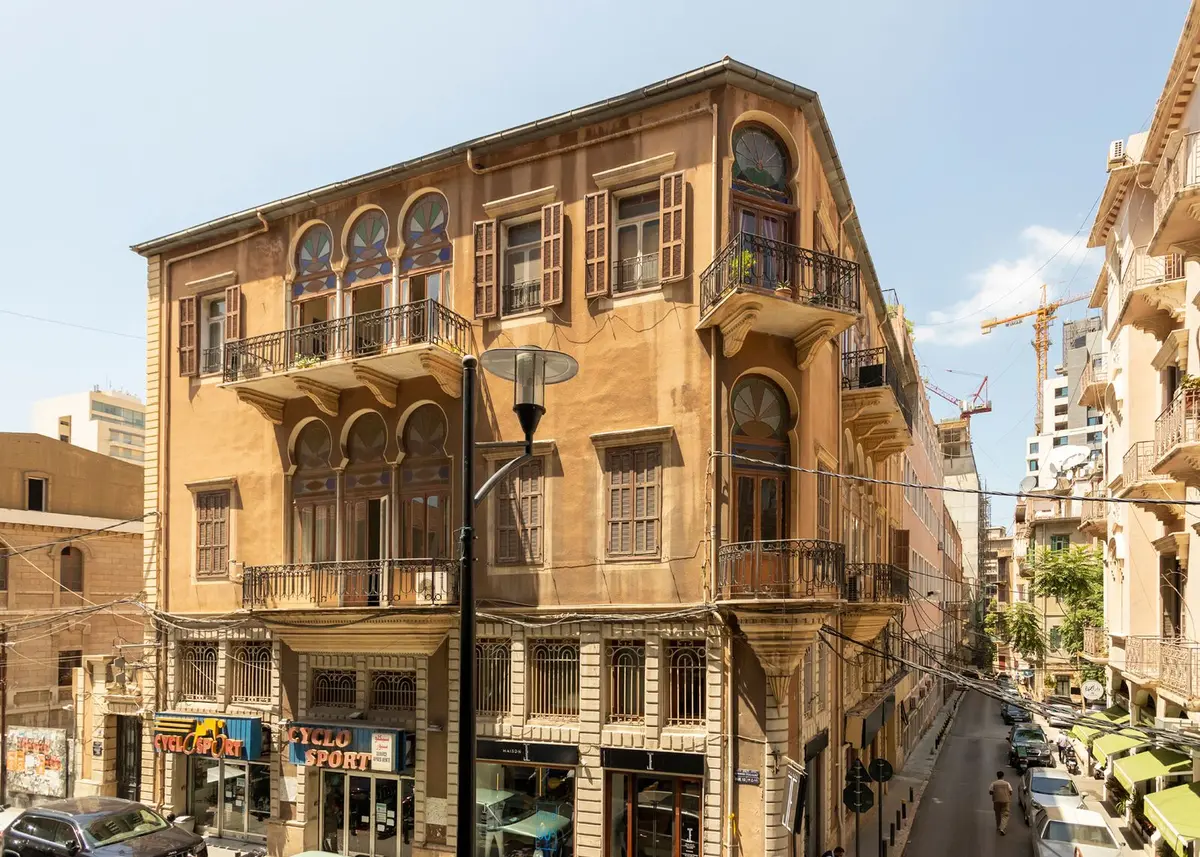
Walk the St. Nicolas Stairs — locally called the Escalier de l’Art — which climb from Gemmayzeh up to Sursock. Crumbling Ottoman villas sit next to concrete high-rises on the same block, which tells you more about 20th-century Beirut in ten minutes than any museum will. On the way back down Armenia Street, swap dollars for Lebanese pounds at any Sarraf (money changer) displaying an electronic rate board. Don’t do this at the airport — the rate is noticeably worse.
Pro Tip: Lebanon runs on a dual-currency cash system. Bring at least $500 in crisp, recent-series USD bills in $10s and $20s — any tear, crease, or pen mark and drivers and shopkeepers will reject them outright. There is no polite way around this.
Where to eat and drink in Mar Mikhael
For dinner, go to Baron, a modern Mediterranean spot on Rmeil where chef Athanasios Kargatzidis plates sharing dishes. The roasted cauliflower with tahini and pomegranate is the one to order, and the burnt cheesecake ended up on two of our plates before we asked for the bill.
- Location: Rmeil district, next door to Mar Mikhael
- Cost: $40–$60 per person with one cocktail
- Best for: Dinner you’d return to
- Time needed: 1.5–2 hours
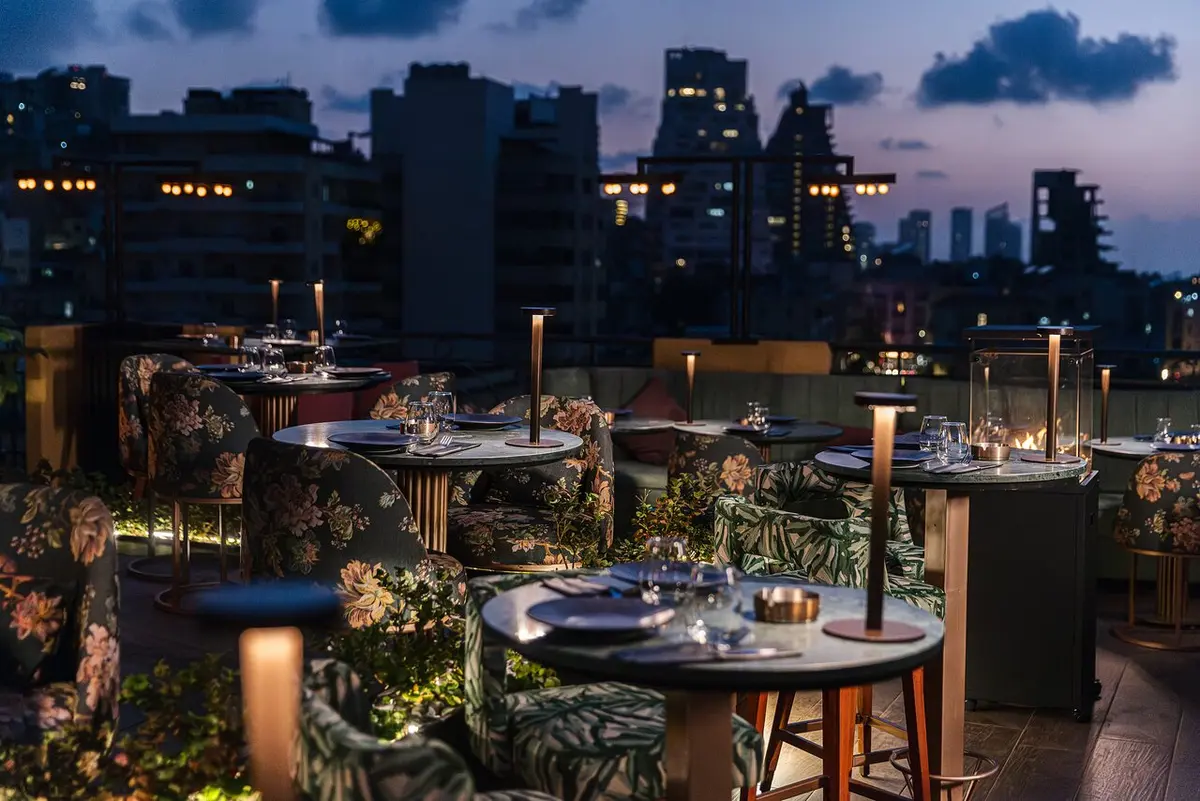
Afterwards, Dead End Paradise — the Asian-inflected tiki bar rebuilt on the site of the old Electric Bing Sutt after the August 2020 port explosion — is a ten-minute walk. The cocktails are more thought-through than the dive-bar interior suggests. If the crowd there is too much, Anise around the corner is the quieter drink.
- Location: Dead-end alley off Armenia Street, Mar Mikhael
- Cost: Cocktails $10–$14
- Best for: Late-night, music-forward crowd
- Time needed: 2 hours
Day 2 — Byblos and Phoenician history on the coast
Byblos (Jbeil) sits 25 miles (40 km) north of Beirut and claims to be one of the longest continuously inhabited cities on earth. It’s also where the Phoenician alphabet was developed — the script your Latin letters descend from, more or less. A private driver is the right call: $80–$100 for the day including Byblos, Batroun transfer, and highway tolls, with zero driving stress on your end.
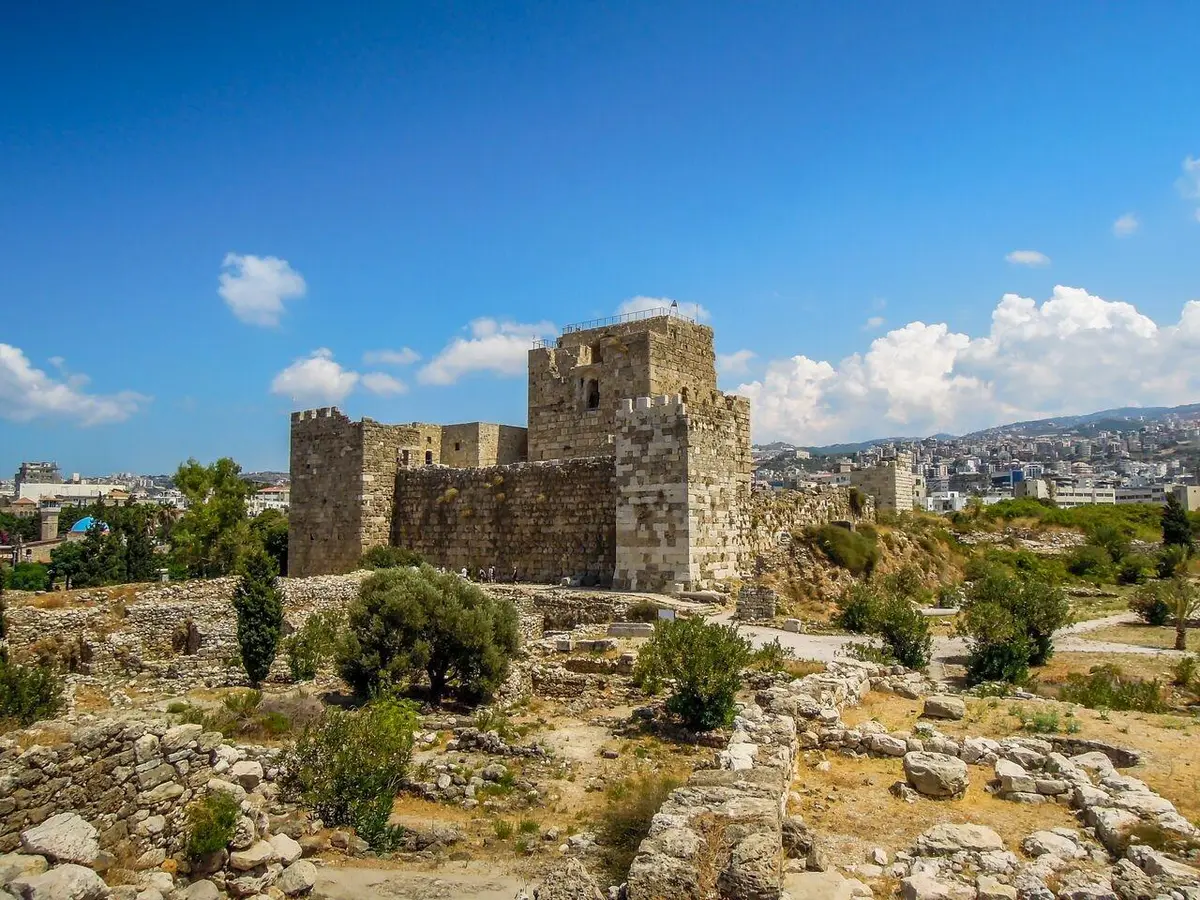
What’s actually inside Byblos Citadel?
The citadel is a visual layer-cake: Neolithic foundations, a Phoenician temple, Roman columns, and a Crusader-era keep stacked on the same hillside above the harbor. Climb the Crusader tower for the frame of the whole site against the Mediterranean. Allow 90 minutes — an hour is rushed, two is thorough.
- Location: Entrance at the western edge of the Byblos old town
- Cost: Entry is roughly $6 for foreigners, payable in cash
- Best for: Anyone who likes their history stratified
- Time needed: 90 minutes
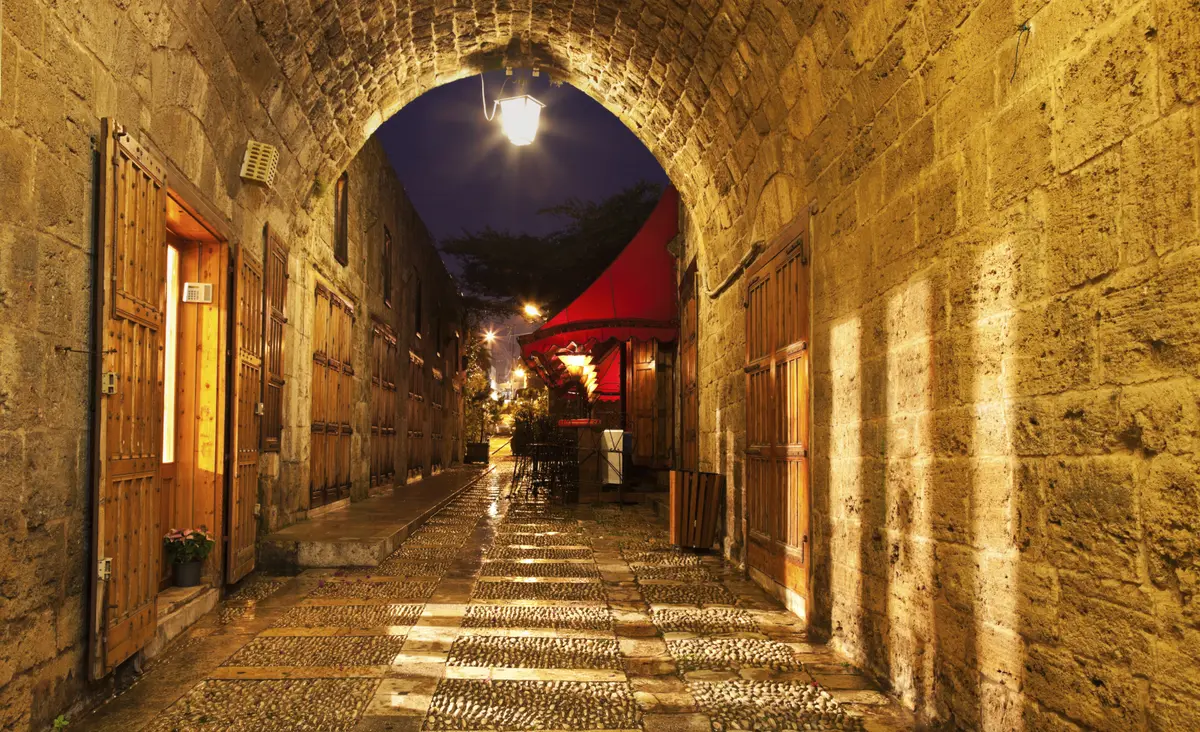
Where to eat in the Byblos souks (skip the harbor)
Skip the fish restaurants lining the old harbor — prices are 40% higher than two streets inland, and the food is middling. Walk up into the stone souks instead. Feniqia is the local pick: order the foukhara (slow-cooked meat in a clay pot) and the kishek, a cracked-wheat and fermented yogurt soup that sounds strange and tastes excellent. Adonai, a few doors up, is the backup when Feniqia is full.
- Location: Inside the Byblos stone souks, 5-minute walk from the citadel
- Cost: $25–$35 per person with mezze
- Best for: A long lunch with no tour groups
- Time needed: 90 minutes
Where to catch the sunset
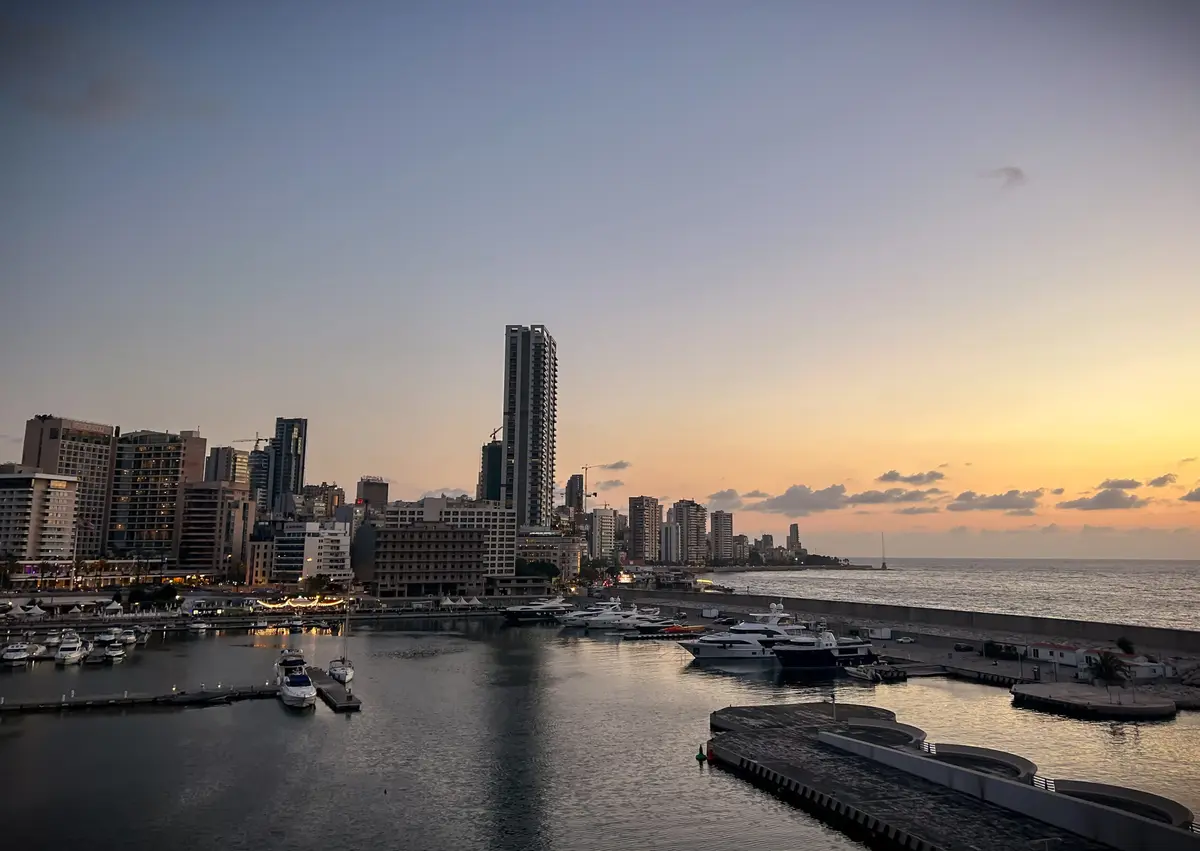
Kina Handcrafted Bar and Oasis are both open-air terraces hanging over the Mediterranean north of the old town. Kina edges it for the live music on weekends and for being slightly harder to find — you end up with a better crowd. Order the arak sour. Then, rather than retracing the hour back to Beirut through traffic, carry on 15 miles (24 km) north to Batroun for the next three nights.
Day 3 — Batroun’s beaches, sea wall, and lemonade
Batroun has gone from sleepy fishing town to the coastal weekend capital for Beirutis, and it earns its place in any 7 days in Lebanon itinerary. Start breakfast at Elie’s Yard in the old souk: order the zaatar manouche — thyme-and-olive-oil flatbread baked on a domed saj griddle — and a labneh one for the table. Rent a bike or an electric golf cart ($20–$30/day) and ride the waterfront. For a fuller rundown of things to do in Batroun, the beach strip and old souk are the anchor points.
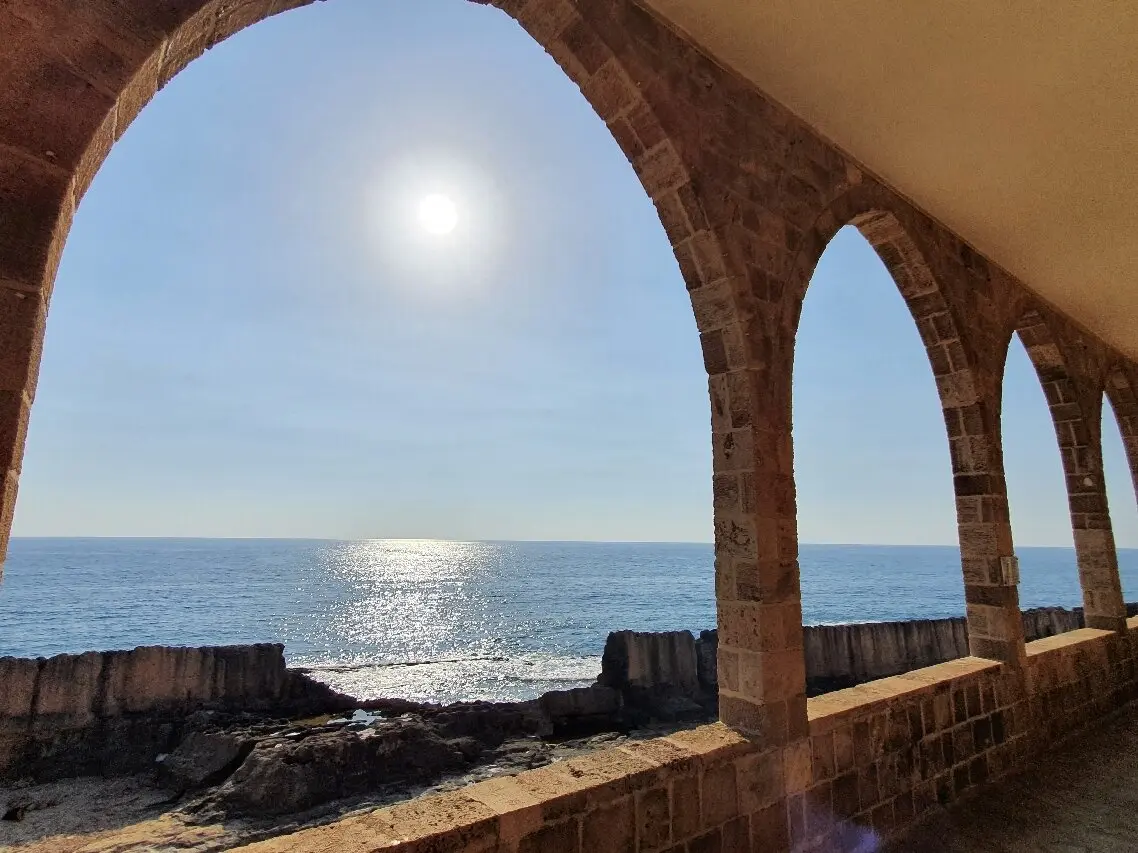
What’s the deal with the Phoenician Sea Wall?
It’s a 740-foot (225 m) natural sandstone reef reinforced by Phoenician masons around the first millennium BC to protect the harbor from westerlies. You can walk a section of it at low tide — the blocks are still visibly jointed. It’s the kind of ruin that would have a velvet rope around it in Europe; here it’s next to a parking lot.
Why Hilmi’s lemonade is worth a detour
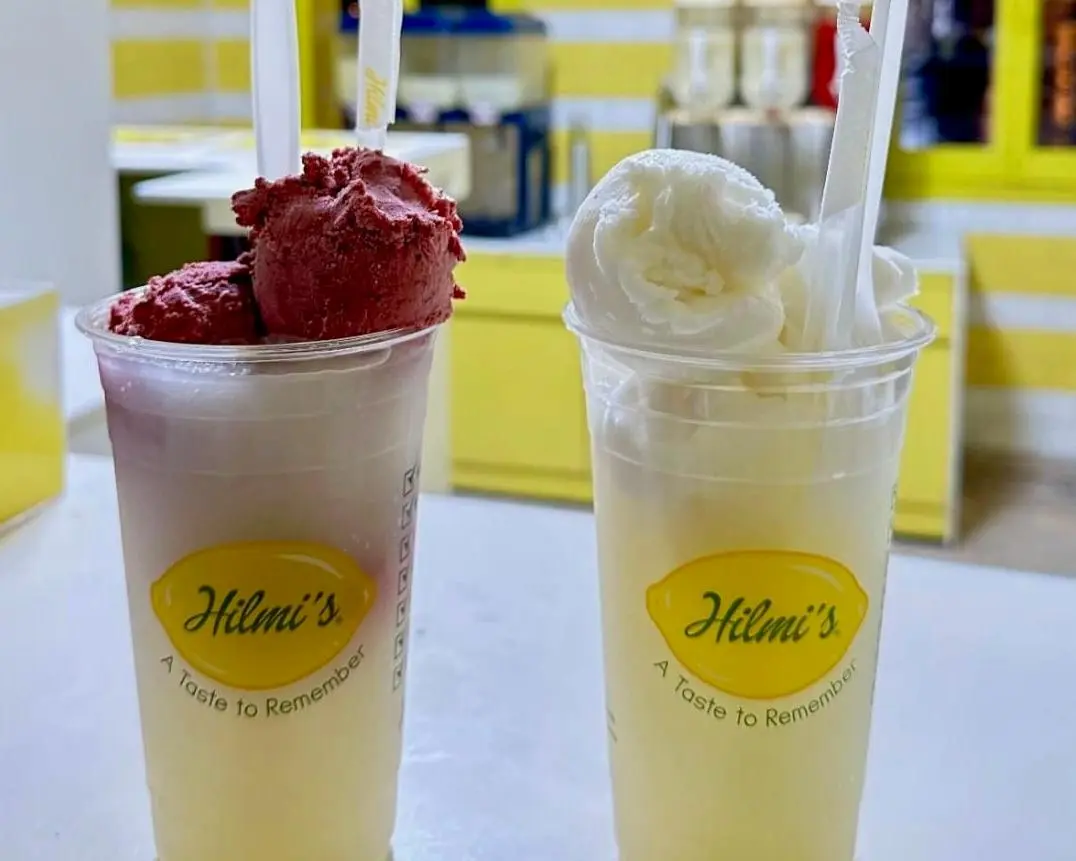
Hilmi’s has been making Batroun-style lemonade — zest macerated with sugar until the oils release, then blended — since 1957. It tastes nothing like American lemonade: creamier, bitter on the finish, and strong enough that one glass is plenty. The shop is essentially a museum to citrus. Go before lunch when the line is short.
- Location: Old souk, Batroun
- Cost: $3 per glass
- Best for: A 15-minute stop, not a sit-down
- Time needed: 20 minutes
Which Batroun beach club should you pick?
Three Batroun beach clubs worth comparing, each with a different crowd:
- Pierre & Friends — Beach bar 2 miles north of town, laid-back, seafood is legitimately good. Entry around $15 weekdays, $25 weekends. Best for groups.
- Butler’s Beach Club — Pool, sunbeds, table service, the upscale option. $30–$50 entry depending on day. Best for couples who want a pool day.
- Ray’s at Bahsa Beach — The local-family pick. No entry fee, food is solid, zero pretense. Best if you want to hear Lebanese spoken around you, not English.
Where to eat dinner in Batroun
Bolero is the sunset spot — a grass garden on the water, drinks priced fairly, and a crowd that’s lively without the Mykonos-style posturing. For dinner, Le Marin does seafood on the water (order the whole sea bream, grilled with lemon) and Bistr’eau plates more modern, smaller dishes if you’ve had enough mezze.
Stay at Beit Al Batroun, a limestone bed-and-breakfast on a quiet lane with vaulted ceilings, a pool, and the quietest mornings you’ll have all week.
- Location: 5-minute drive from central Batroun
- Cost: from around $140/night
- Best for: Couples who want a rural base
- Time needed: Use as your base for Days 3 and 4
Day 4 — The Qadisha Valley monasteries and the Cedars
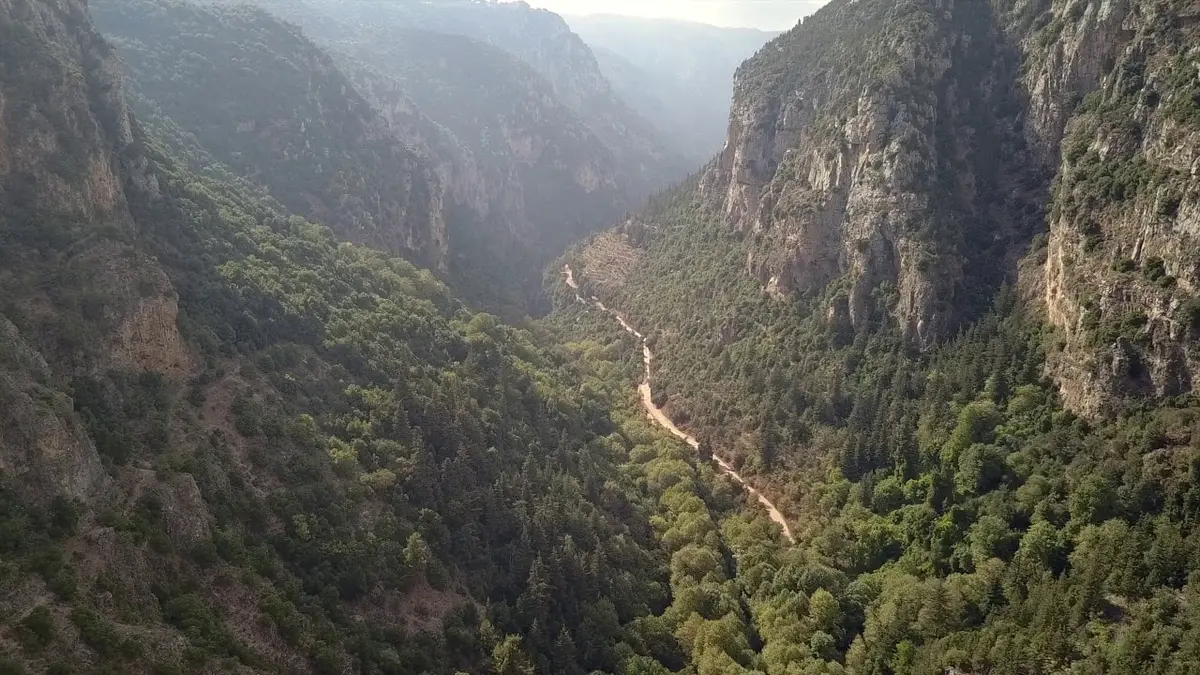
This is the day you trade the coast for the cold mountain air. The Qadisha Valley — the Holy Valley, UNESCO-listed — cuts through the northern mountains and sheltered Maronite monks from persecution for a thousand years. The drive from Batroun takes about an hour; hire a driver for the day because the switchbacks above 4,900 feet (1,500 m) are not the roads to learn Lebanese driving on.
What’s the best hike in the Qadisha Valley?
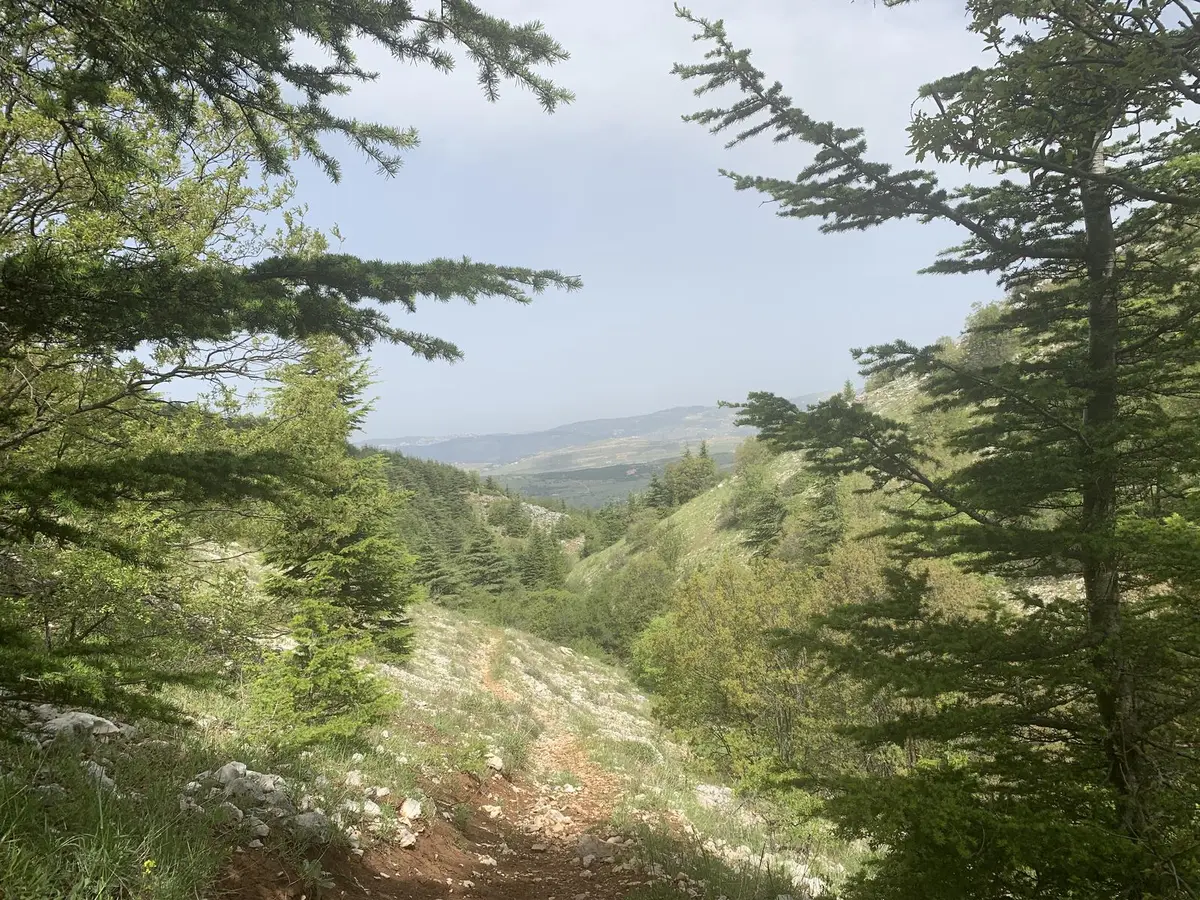
The experiential route is on foot: hiking the Qadisha Valley usually means starting at Hawqa village, descending to the Monastery of St. Marina, and continuing along the valley floor to Deir Qannoubin, which was the seat of the Maronite Patriarch from the 15th century until 1823. The frescoes inside the rock-hewn church are the payoff — faded, powerful, and usually you have them to yourself. It’s about 4 miles (6.5 km) one-way, moderate difficulty, and the ascent back out is the hard part. Wear actual trail shoes, not sneakers.
Pro Tip: If hiking down is fine but hiking back up isn’t, arrange for your driver to meet you at Deir Qannoubin via the access road from Blaouza — it’s standard practice and saves the climb.
For lunch, River Rock Restaurant in Bcharre is the mezze stop with a balcony over the waterfall and the valley below. Order the fattoush, the shanklish (aged sheep’s cheese rolled in zaatar), and the grilled trout. If the weather is hot and you’d rather be in the shade, Al Naher Restaurant sits directly by the river in the valley floor.
The Cedars of God, honestly
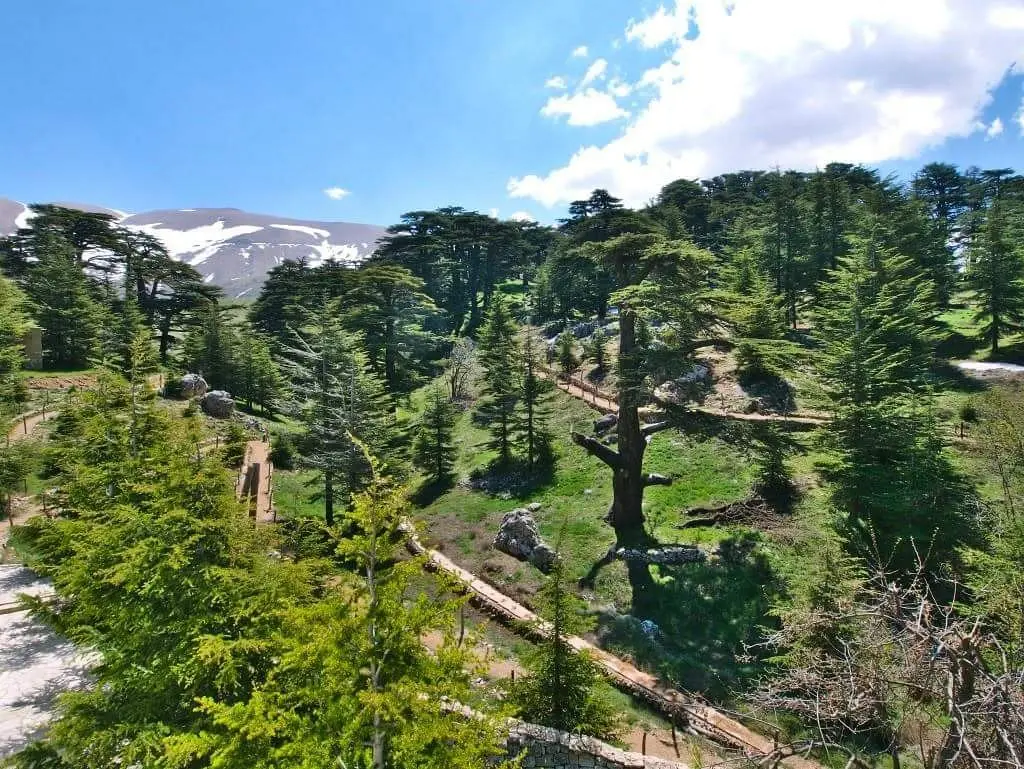
The Cedars of God reserve has fewer than 400 surviving cedars, some over 2,000 years old. It’s not a forest walk — it’s a grove, about 250 acres, and you’re done in 45 minutes. Treat it as a pilgrimage, not a hike. Pair it with the Gibran Museum in Bcharre (the tomb and paintings of Khalil Gibran, carved into the rock face) for real context on why these trees are on the Lebanese flag.
- Location: Above Bcharre at around 6,200 feet (1,900 m)
- Cost: Entry around $4
- Best for: A reflective stop, not a long hike
- Time needed: 1 hour including the museum
Day 5 — Baalbek’s Roman temples and Bekaa Valley wine
Baalbek is the most impressive Roman site in the Middle East and the most security-sensitive day of this 7 days in Lebanon itinerary. The Bekaa Valley is the heartland of Hezbollah and has taken significant Israeli airstrikes in recent operations. Travel with a private driver who knows the main highway and the current checkpoint situation — this is not a rental-car day.
Why Baalbek beats the Parthenon
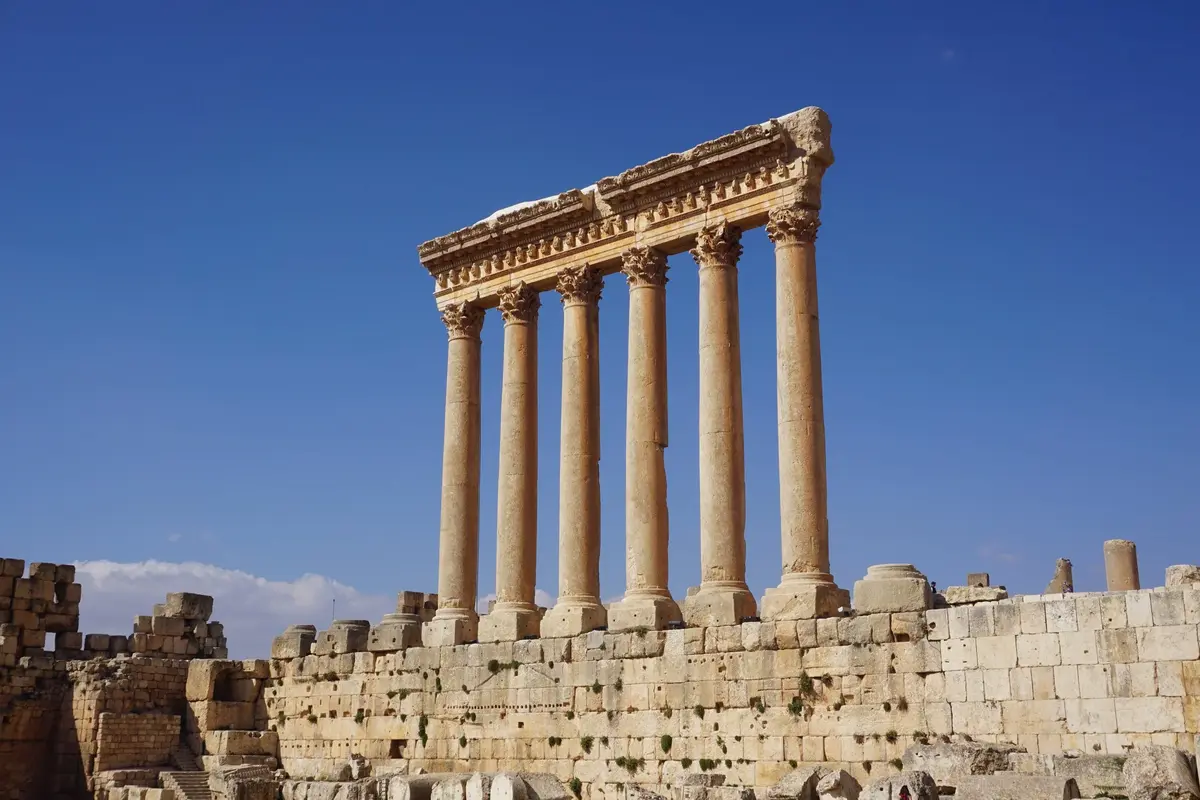
The Temple of Bacchus is better preserved than the Parthenon — not a guide-book exaggeration, a literal fact about standing columns and roof structure. The Temple of Jupiter has six of its original 54 columns still up, each 65 feet (20 m) tall. The Trilithon foundation stones below weigh roughly 800 tons apiece, and nobody has satisfactorily explained how they were moved. Hire a guide at the entrance for about $30 — the inscriptions are meaningless without one.
- Location: Central Baalbek, Bekaa Valley, 53 miles (85 km) northeast of Beirut
- Cost: Entry is roughly $11 for foreigners (1,000,000 LBP, paid in dollars)
- Best for: Arriving before 9 a.m. — tour buses hit at 10
- Time needed: 2 hours minimum
Where to eat the best sfiha in Lebanon
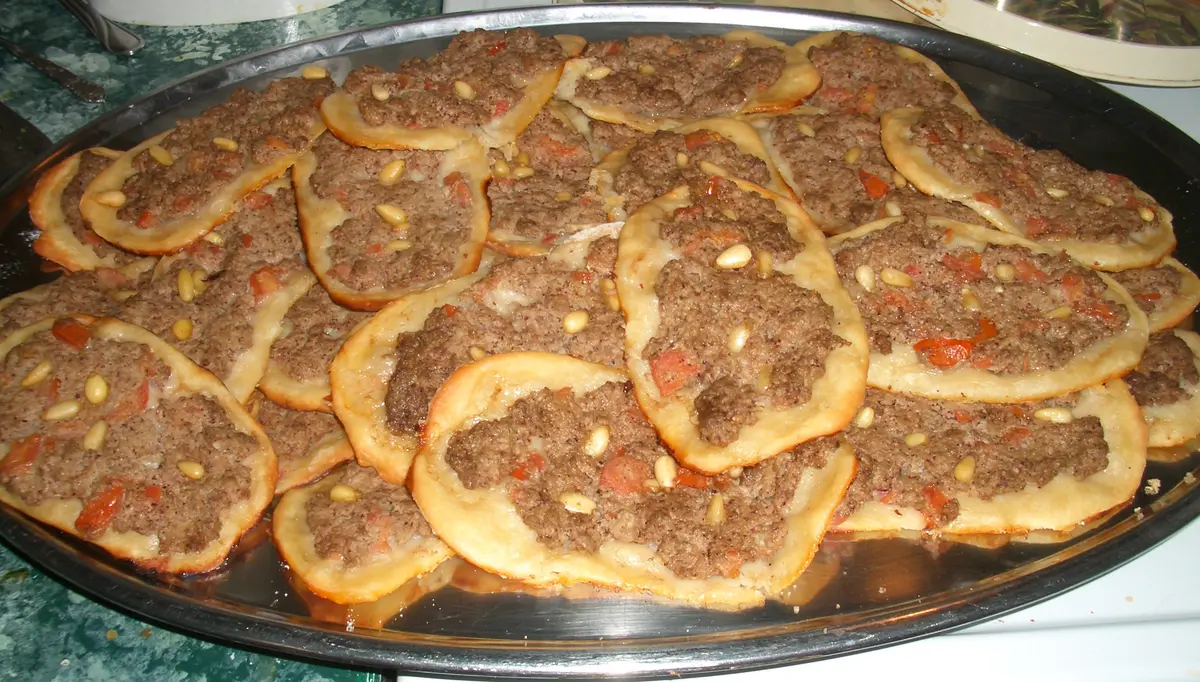
You don’t skip Lakkis Farm. They raise the lamb and bake sfiha Baalbakiyeh — thin, open-faced meat pies on stone, topped with tangy yogurt — in a wood-fired oven. Each pie is about four bites. You will eat eight of them. Everyone does. This is widely and correctly regarded as the best sfiha in the country.
- Location: Kfardebian road, just outside Baalbek
- Cost: Roughly $1.50 per sfiha, lunch for two under $20
- Best for: Lunch stop on the way back toward Beirut
- Time needed: 45 minutes
Which Bekaa Valley winery should you visit?
The Bekaa produces the bulk of Lebanese wine. Three wineries in the Bekaa Valley worth picking between:
- Château Ksara — Lebanon’s oldest winery, founded 1857. The tour takes you into 2 km of Roman-era caves at 52°F (11°C). Tastings around $10. Best for history.
- Domaine des Tourelles — Smaller, more serious winemaking. The Marquis des Beys red is the bottle to try. Best for actual wine people.
- Château Heritage — Family-run, less polished, warmer welcome. Best for a long lunch.
On the drive back west, detour to Ixsir in the Batroun mountains — it’s built under a restored stone farmhouse to protect the hillside and has been voted one of the world’s most beautiful wineries. Lunch on the terrace with the valley spread below is one of the better two hours you’ll have in Lebanon.
Return to Beirut that evening and check back into Baffa House, or book a Hamra hotel if you want a neighborhood change.
Day 6 — The Chouf mountains and Druze heritage
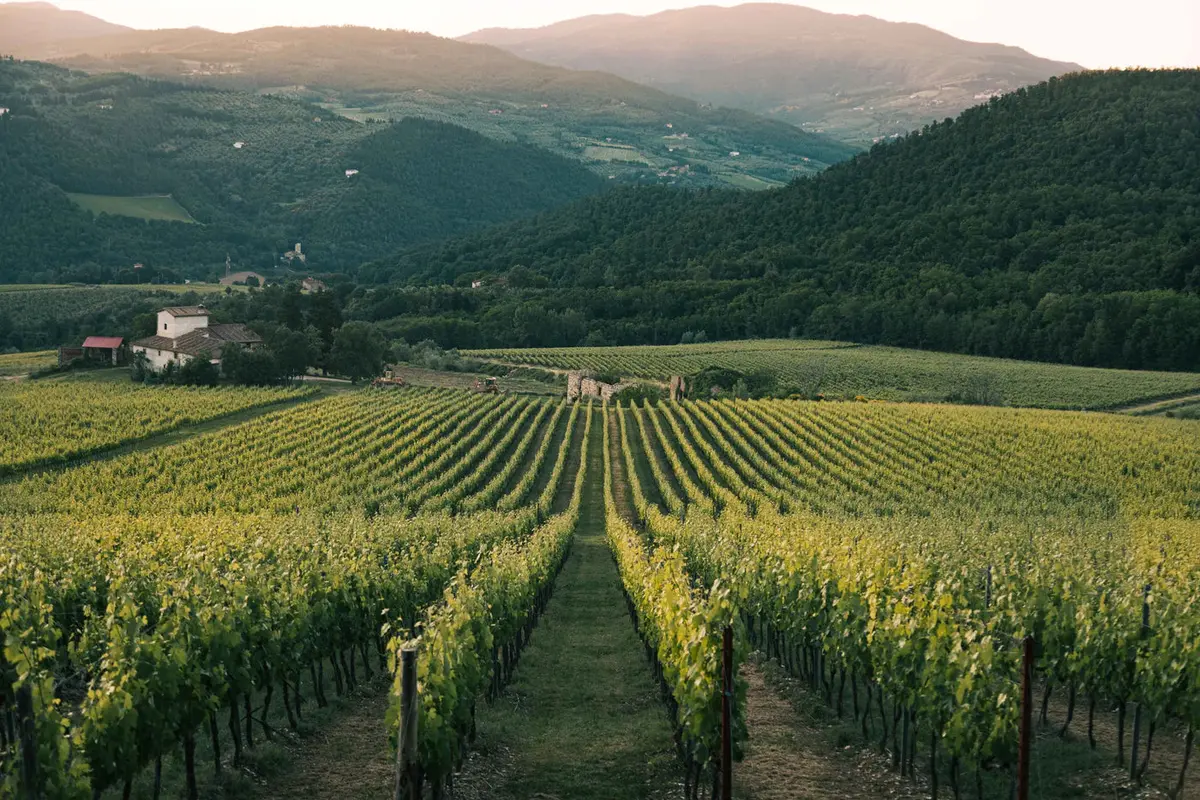
The Chouf region — south and east of Beirut — is quieter, greener, and culturally different from the Maronite north. It’s the heartland of the Druze community, and the pace is slower by design.
Why is Beiteddine Palace worth the drive?
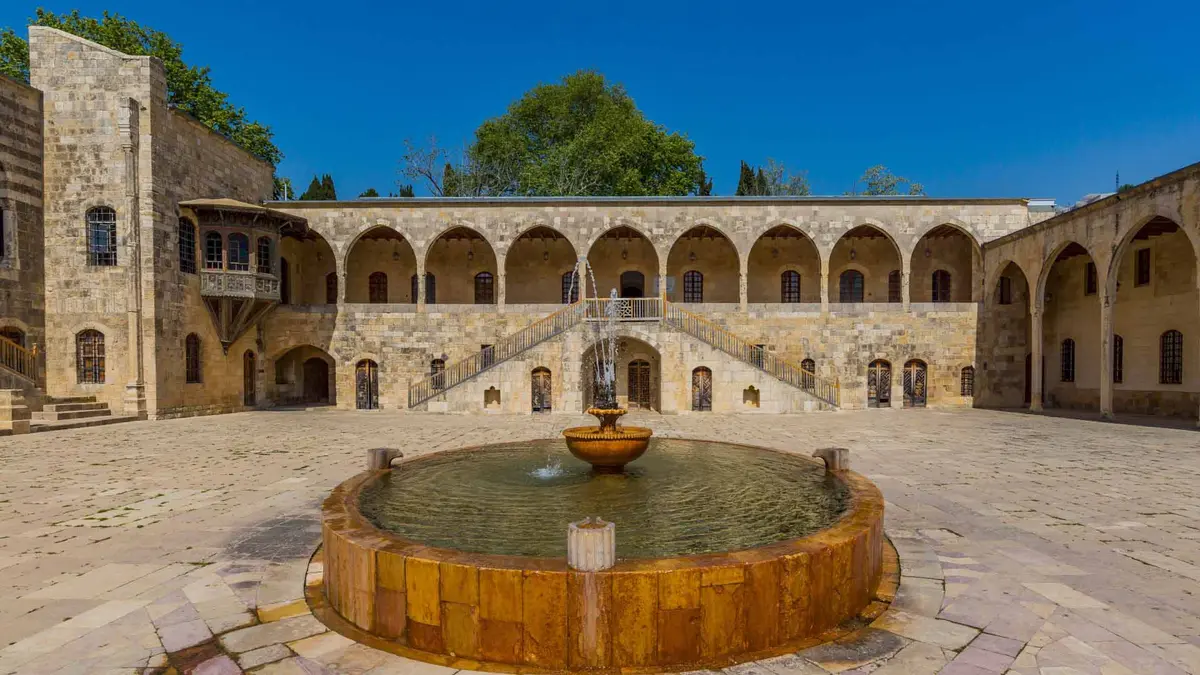
Beiteddine Palace was built over 30 years starting in 1788 by Emir Bashir Shihab II as his mountain court. The inner courtyards are tiled in some of the best Levantine mosaic work still in situ — whole 5th-century Byzantine floors lifted from nearby ruins and reinstalled here. The hammam and the harem quarters show the Ottoman-period domestic architecture better than any museum reconstruction.
- Location: Beiteddine village, Chouf district
- Cost: Entry around $10
- Best for: Architecture and mosaic enthusiasts
- Time needed: 1.5–2 hours
Continue 10 minutes to Deir al-Qamar, a preserved Ottoman village with a cobblestone main square. For lunch, Mir Amin Palace Hotel has the views; Beit El Qamar has better food at half the price.
Hiking the Shouf Biosphere Reserve
Enter the Shouf Biosphere Reserve — the largest in Lebanon — from the Barouk cedar forest gate. The cedars here are older and denser than the famous Cedars of God stand, and the trails are properly marked. On a clear day the panorama stretches east to the Bekaa and the snow line on Mount Lebanon. Allow 2–3 hours. Pack a layer — it’s 20°F (11°C) cooler than Beirut.
For your farewell dinner back in Beirut, book Em Sherif. The set mezze menu is the refined version of everything you’ve eaten all week — 30-plus small plates, served endlessly. It’s not cheap (~$90/person) and it’s the one splurge that delivers.
Day 7 — National Museum and departure
Why visit the National Museum before you fly?
Because the 15-minute documentary inside — about how the curator Emir Maurice Chehab sealed the Phoenician sarcophagi in concrete to protect them during the 1975–1990 Civil War — reframes everything you’ve seen all week. You’ll leave understanding what “resilience” actually means in the Lebanese context, not the tourist-brochure version. The collection itself includes some of the finest Phoenician sarcophagi anywhere.
- Location: Museum Square, on the old Green Line demarcation
- Cost: Entry around $5
- Best for: First thing in the morning
- Time needed: 2 hours including the film
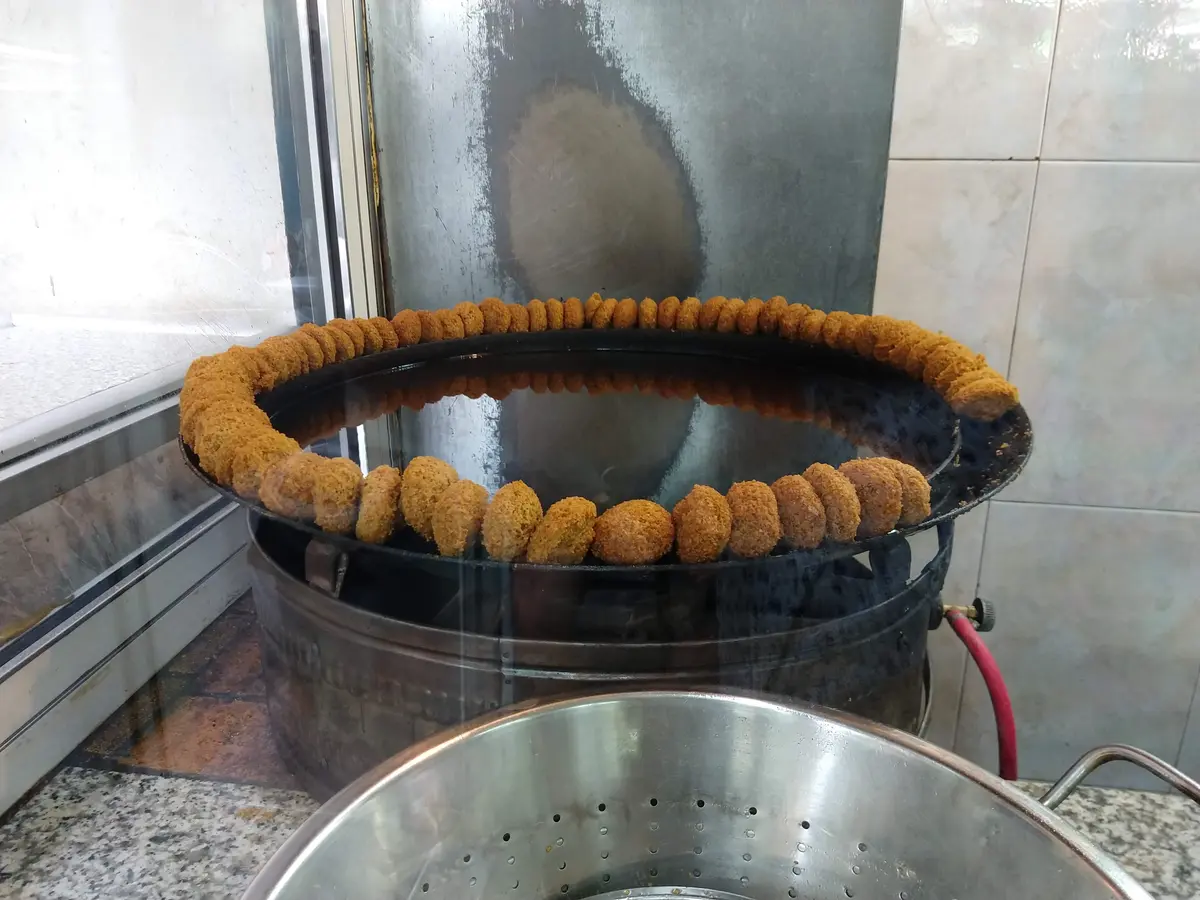
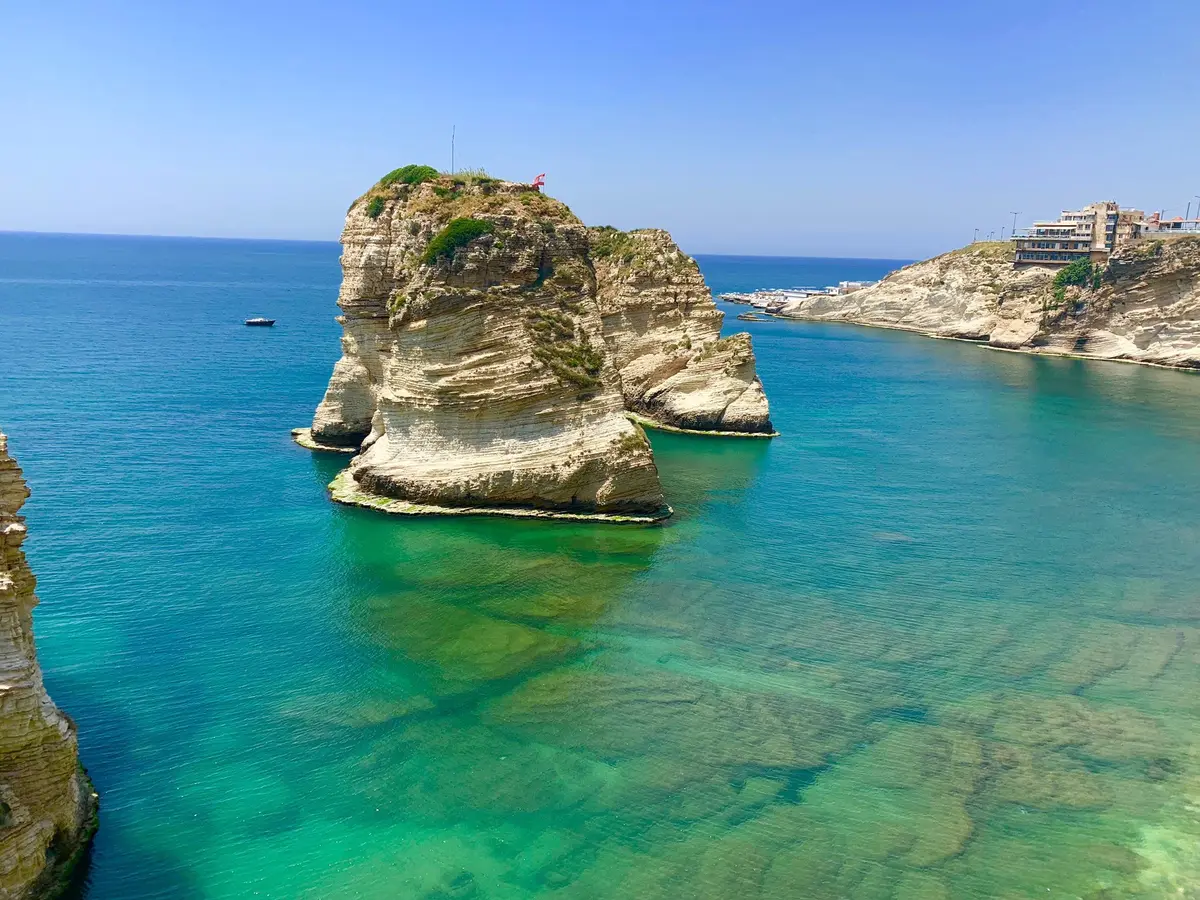
Afterward, drive to Raouche to see the Pigeon Rocks — two sea stacks offshore — and walk the Corniche if the weather holds. Through Hamra for the last of Beirut’s intellectual old-guard cafés. Final meal at Barbar on Spears Street: shawarma, falafel, knafeh for dessert, all for under $15. It is the authentic taste of Beirut street food and the right ending meal.
For souvenirs that aren’t airport junk, Orient 499 in Clemenceau stocks high-end artisanal textiles, ceramics, and jewelry made by Lebanese craftspeople. Boutiques in Saifi Village are the second option. Leave for the airport 3 hours before your flight — traffic on the airport road is unpredictable, and security screening has been heavier than usual.
How much does this 7 days in Lebanon itinerary actually cost?
Budget around $1,400–$1,900 per person for the week, excluding flights. That breaks down to roughly $120/night for accommodation, $50/day on food and drink, $80–$100/day for a private driver (split between two, that’s $40–$50 each), and about $100 in entry fees across all the sites. Upscale it with Butler’s Beach Club, Em Sherif, and boutique hotels and you’re at $2,800–$3,500.
How do you handle Lebanon’s Fresh Dollar cash economy?
Bring USD cash in small, crisp, recent-series bills — this is the critical logistics rule of any 7 days in Lebanon itinerary. Lebanon runs on a dual-currency system since the 2019 banking collapse: pre-crisis bank balances are frozen and nearly worthless, so the visible economy runs on physical dollars (“fresh dollars”) and Lebanese pounds at the market rate. Credit cards work at upscale hotels and restaurants, but everywhere else is cash.
- Bring at least $500 in small denominations for a week — more if you’re drinking and eating well
- Bills must be post-2013 series, uncreased, unmarked, un-taped
- Exchange to Lebanese pounds at a Sarraf (money changer) on arrival — $100 gets you a thick stack for small purchases
- Avoid the airport exchange counter — rates are 15–20% worse
How do you get online and get around?
Buy a local SIM for tourists from a Touch or Alfa store in Beirut, not at the airport — airport kiosks charge roughly double. A 20 GB tourist plan runs about $30 for two weeks and covers you nationwide. Touch has slightly better reception in the Qadisha Valley mountains; Alfa is marginally better in Beirut. An eSIM from Airalo is the plug-and-play alternative at around $40 for similar data — more expensive, no registration hassle.
For transport, self-driving is a bad idea for first-time visitors. Beirut traffic runs on body language and blinkers are decorative. Use Uber inside Beirut (always select cash as the payment method — card processing is unreliable), and hire a private driver for every intercity day. A full-day driver runs $80–$120 and, crucially, doubles as a fixer who knows which checkpoints are active, which roads are passable, and which restaurants are open. It’s the best money you’ll spend.
Before you book
TL;DR: A 7-day route of Beirut → Batroun (with Byblos, Qadisha, and Baalbek day trips) → Chouf → Beirut hits the most rewarding stops without wasting half your trip in traffic. Bring crisp USD cash, hire private drivers, skip Baalbek if the Bekaa is under advisory, and check the US and UK advisories the week you travel — not the month you book.
Lebanon rewards travelers who show up informed and pay attention. It punishes people who assume it works like other Mediterranean destinations. Every honest traveler I know who has done this route comes back changed — partly by the food, mostly by what the country teaches you about how cities keep functioning when nothing around them does.
What’s the one stop you’d add or cut from this route? Leave a comment below — particularly if you’ve been recently and have updates on which spots are open.