Lebanon sits under a Level 4 “Do Not Travel” advisory from the US State Department, yet women who do go describe it as one of the warmest and most socially liberal places in the region. Both things are true at the same time. These solo female travel Lebanon tips cut through the conflicting narratives and focus on what actually keeps you safe on the ground — which zones welcome you, which ones absolutely do not, how to carry money in a cash-only economy, and how to plan for an airport that can close without warning.
Is Lebanon safe for solo female travelers right now?
Lebanon is not uniformly dangerous, but it is unevenly dangerous, and that distinction matters. The coastal strip from Beirut north to Tripoli’s outskirts, plus the mountain regions around Bsharri and the Qadisha Valley, function with near-normal tourism. The south (below the city of Saida), the Beqaa Valley, Baalbek-Hermel, and the southern suburbs of Beirut (Dahiyeh) remain off-limits under Level 4 warnings, with ongoing military activity despite the November 2024 cessation of hostilities arrangement.
The practical split: women routinely walk Gemmayzeh at midnight with zero incident. The same women would not drive to Baalbek without a vetted driver, and would not set foot in Dahiyeh at all. Street harassment exists — staring, catcalls, the occasional follow-me-home attempt — but violent crime against tourists is rare compared to the pickpocketing you’d see in Barcelona or Rome.
Pro Tip: Check the US Embassy Beirut WhatsApp channel and the FCDO Lebanon page the morning you arrive and the morning you leave. Advisories can change zone boundaries within days, and what was fine last month may be a no-go this week.
The coastal safety bubble (where you’ll actually spend your time)
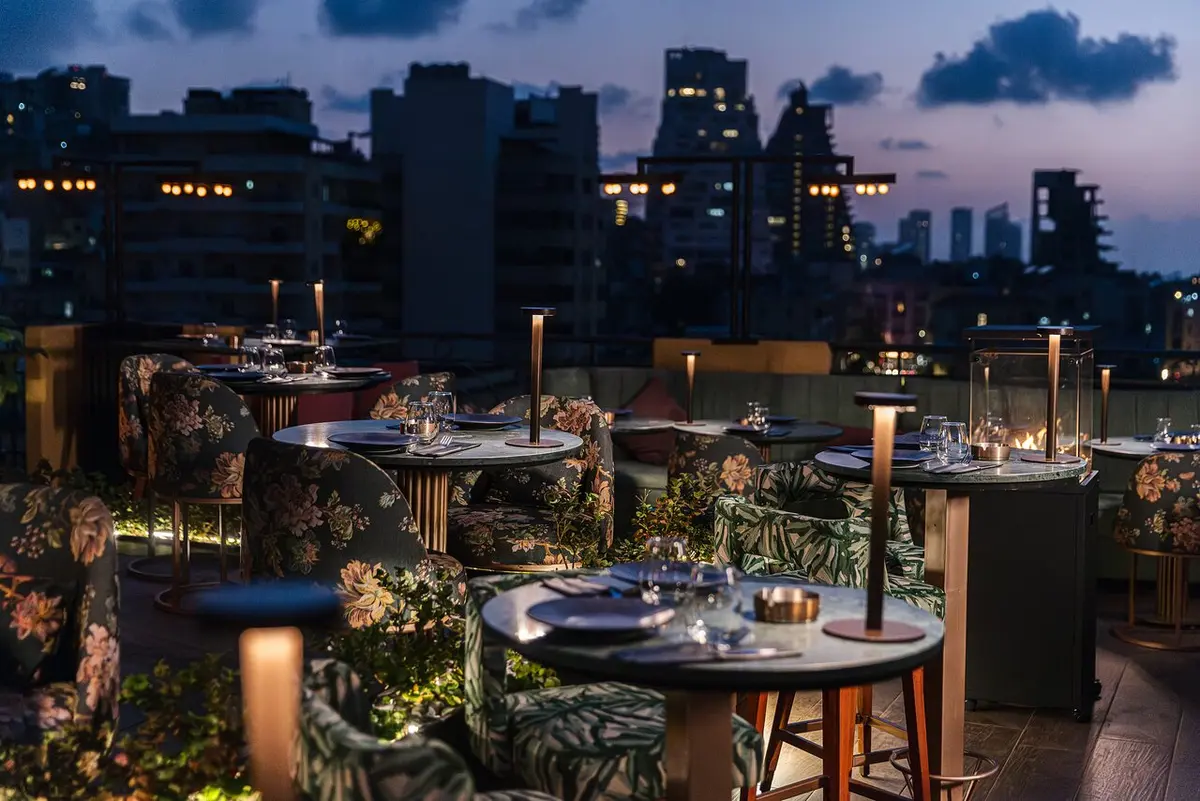
The corridor north of Beirut is where tourism still works. Jounieh, Byblos, and Batroun have functioning nightlife, beach clubs, and hotels that run generators 24/7. Christian-majority districts in and north of Beirut report generally calm conditions and visible police presence. In Beirut itself, Hamra, Gemmayzeh, Mar Mikhael, Achrafieh, and Badaro are where the bars, galleries, and third-wave coffee shops live — and where you’ll see women in crop tops at 2 a.m. on a weekend.
The friction points are infrastructural, not criminal: sudden road closures during protests, potholes that eat tires, and power cuts that plunge side streets into total darkness. Sidewalks are an optional concept. Walk with a phone flashlight after dark.
Zones to cut out of your itinerary entirely
- South Lebanon below Saida: Off-limits. The US Embassy strongly urges US citizens to avoid southern Lebanon and to depart if you are there; that is, all parts of Lebanon south of the city of Saida, to include inland areas.
- Dahiyeh (southern Beirut suburbs): High detention risk, photography strictly prohibited. Your rideshare may refuse the route entirely.
- Beqaa Valley (except guided day trips to Baalbek ruins): Active security concerns, frequent checkpoints.
- Tripoli city center: Sectarian flare-ups occur. Day visits with a trusted local guide are possible; solo exploration is not recommended.
- Lebanon-Syria border areas: Clashes and airstrikes have been reported. Stay 50+ km away.
- Palestinian refugee camps (Ain al-Hilweh, Shatila, etc.): Under militia control. Embassies forbid personnel from entering.
The airport problem nobody talks about enough
Beirut–Rafic Hariri International Airport sits about 5 miles (8 km) from downtown, but its access road skirts Dahiyeh — the one neighborhood most likely to see strikes during flare-ups. The airport remains open and there is availability on commercial carriers, however flights may be cancelled at any time.
You need a shelter-in-place plan. Overland exits through Syria are not a viable option for Western passport holders. Your contingency should be:
- Enough cash to cover 10-14 extra days of accommodation.
- A hotel in the safe coastal corridor (not anywhere near the airport road) where you can hole up.
- Enrollment in STEP (for US citizens) or the equivalent for your country.
- An airline with a flexible rebooking policy — Middle East Airlines is usually the last carrier flying when European airlines suspend routes.
How do you get travel insurance that actually covers Lebanon?
Most standard travel insurance policies are void the moment you land in a Level 4 country. You need a specialist war-risk insurance policy that explicitly covers passive war risk (meaning: you’re covered as an innocent bystander, not as a combatant or journalist). Without this, a $50,000 medical evacuation bill is on you.
Why your normal policy won’t work
Standard insurers (World Nomads, Allianz, credit card perks) include exclusions for countries under government “Do Not Travel” advisories and for any claim arising from acts of war or terrorism. Read the Description of Coverage — the war and terrorism exclusion is usually on page 2.
Specialist providers worth looking at
- Battleface (High Risk plan): Covers Level 4 destinations, includes passive war risk, and offers optional crisis response add-ons for kidnapping or security extraction.
- High Risk Voyager: Similar structure to Battleface, though residency restrictions may apply depending on your passport.
- IMG Patriot T.E.A.M.: Another specialist option worth comparing quotes with.
Confirm these items explicitly before purchase:
- Passive war risk: Included, not excluded.
- Medical evacuation limit: At least $500,000. Private security extraction during a crisis costs more than standard medevac.
- Policy triggers: Some policies void if your government upgrades the advisory after you book. Ask about the “advisory change” clause.
- Cancellation for security reasons: Covered if the airport closes.
Pro Tip: Buy insurance the same day you book flights, not the day before departure. Most policies require purchase before a security event occurs to cover it.
How does the cash economy actually work?
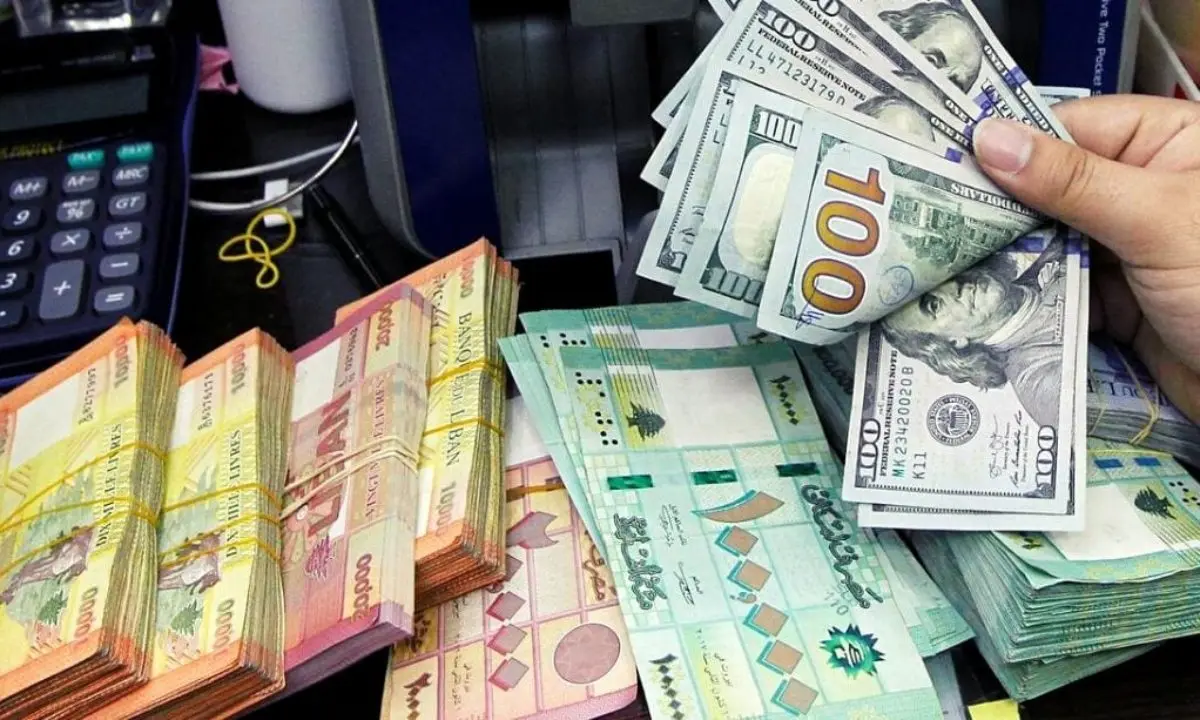
Lebanon runs on physical US dollars. Cash and “fresh dollar” credit cards are the most common payment methods, and the economy has been heavily dollarized since the 2019 banking collapse. Bring all your trip money in cash USD, plus a 20-25% emergency buffer.
The fresh dollar rule
“Fresh dollars” means physical USD notes — as opposed to “lollars,” which are the trapped dollars sitting in frozen Lebanese bank accounts at a dismal official rate. Vendors want fresh.
Practical rules for your cash:
- Condition: Crisp, clean, no tears, no ink stamps, no writing. A tiny corner fold can get a $100 rejected at a hotel desk.
- Series: New-series $100 bills (the ones with the blue 3D security ribbon) are preferred. Older-series small heads are often refused or discounted.
- Denominations: Bring a mix. Taxis and shops struggle to break $100s. Load up on $20s, $10s, and $5s.
- Volume: Travelers are required to announce the entered amount that exceeds fifteen thousand U.S. dollars or its equivalent in other foreign currencies at customs. Declare if you’re over; there’s no fee.
- Storage: Split your cash across two or three locations (money belt, hotel safe, hidden pouch in luggage).
What about cards and ATMs?
Skip ATMs. They often dispense lira at the dismal official rate, charge aggressive fees for USD withdrawals, or simply don’t work. International credit cards function at maybe 15% of venues — mostly upscale hotels and restaurants in Ashrafieh and Downtown — and even then, they convert at unfavorable rates. Keep a card as a backup only.
Western Union and OMT (its local partner) work reliably for emergency cash transfers. If you run out, a friend abroad can wire funds that you pick up in USD within hours.
Currency and exchange
The Lebanese pound trades around 89,500 LBP to 1 USD as of recent Central Bank data, though the parallel market fluctuates. Change small amounts at licensed money changers (“Sarrafs”) on Hamra Street or in Verdun — never at the airport, which offers the worst rate. Keep most of your stash in USD; use LBP only for small purchases (service taxis, street food, tips).
How much does a week in Lebanon actually cost?
Despite the economic crisis, Lebanon is not a budget destination for tourists. Dollarization means you pay near-European prices for tourist-facing services, even when locals around you are scraping by.
Realistic daily budget as a solo female traveler:
- Dorm bed in a reliable hostel (with generator): $20-35/night
- Private room in a mid-range Beirut hotel: $70-120/night
- Boutique hotel in Byblos or Batroun: $100-180/night
- Sit-down dinner with drinks in Mar Mikhael: $15-25
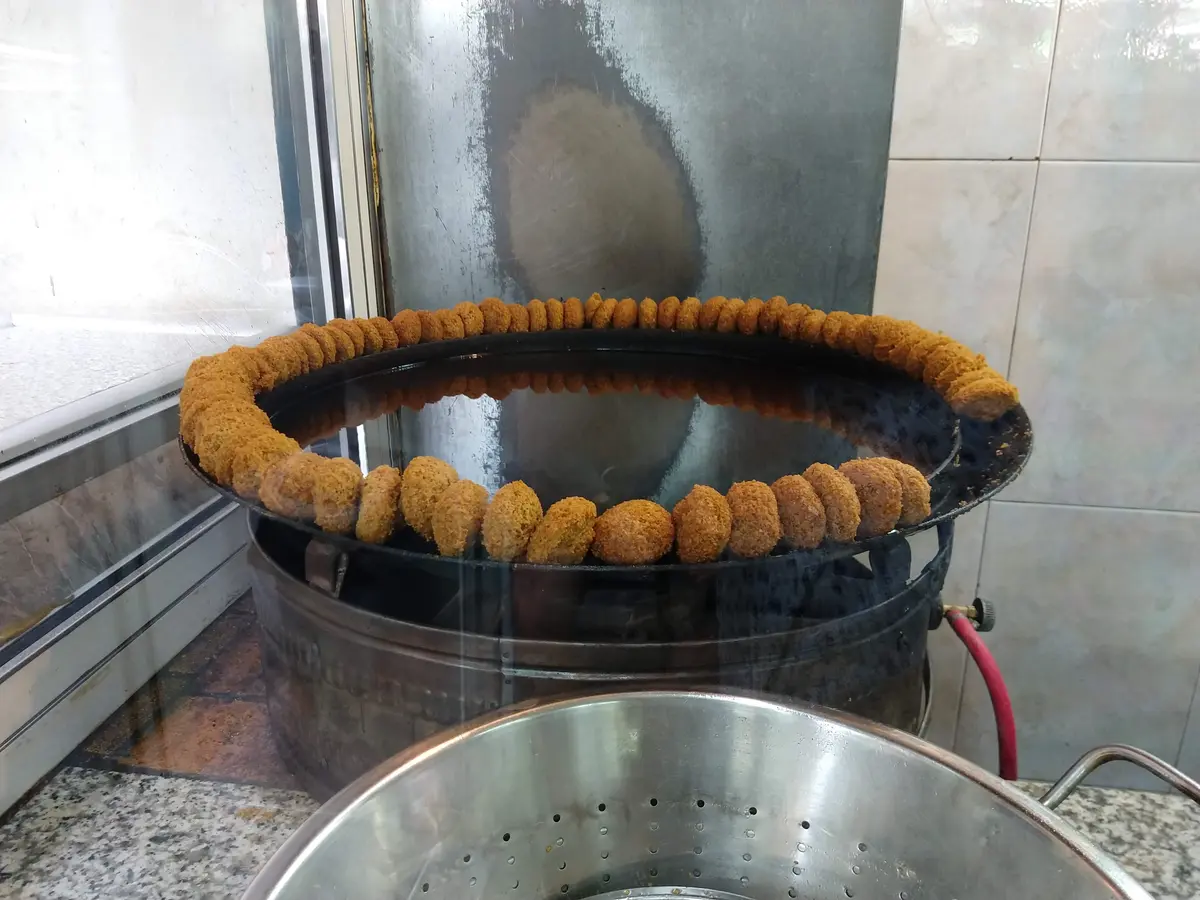
- Hostel breakfast or a manoushe from a bakery: $3-6
- Uber across central Beirut: $4-8
- Private driver for a day trip to Baalbek: $100-150
- Private driver to the Cedars or Qadisha Valley: $120-180
A solo traveler following a seven-day Lebanon itinerary split between Beirut and Batroun, eating mid-range meals and taking one guided day trip, should budget $900-1,300 in cash, plus the insurance premium. Single supplements on organized tours are rarely discounted, so solo travel runs 15-25% more per day than couple travel.
What should you wear, and how do you handle harassment?
The dress code in Lebanon shifts radically by neighborhood. Get this right and you’ll blend in; get it wrong and you’ll either be stared at relentlessly or get an earful from a shopkeeper.
Dress code by zone
- Gemmayzeh, Mar Mikhael, Achrafieh, Hamra, Byblos, Batroun: Fully Westernized. Crop tops, shorts, mini skirts, strappy dresses — all normal. Beach clubs in Batroun and Jiyeh have bikinis, cocktails, and DJs. Nightlife dress code leans London/Berlin.
- Tripoli, Baalbek, Saida, most Beqaa towns: Modest. Cover shoulders and knees, long trousers or midi skirts, no plunging necklines. A light scarf over the shoulders works.
- Any mosque or religious site: Headscarf, long sleeves, ankle-length bottoms. Most major mosques (including Mohammad Al-Amin in downtown Beirut) lend robes at the entrance.
Carry a lightweight scarf in your daypack. It doubles as a mosque cover, a “please stop staring” signal in conservative areas, and a wrap on cold AC-blasted bus rides.
Handling street attention
Harassment reads as staring and verbal catcalls rather than physical contact. Walk with purpose, keep headphones in if you want to disengage, and don’t feel obligated to respond to strangers. “La, shukran” (no, thanks) delivered flatly works better than a smile. Asian and Black travelers occasionally face a specific bias — being mistaken for migrant domestic workers, who are often treated poorly under the kafala system. It’s frustrating and classist; it rarely escalates to danger.
Pro Tip: If a man won’t leave you alone, step into the nearest cafe or hotel lobby and ask staff to help. Lebanese hospitality culture takes this very seriously, and they will intervene.
Where should you stay as a solo female traveler in Beirut?
The most important hotel amenity in Lebanon is not a rooftop pool or a spa — it’s a generator that actually runs during the 18+ hours of daily power cuts. Vet this before you book. Ask directly: “How many hours per day of generator power, and is AC included on the generator circuit?”
Hostels with community and security
Hamra Urban Gardens (HUG)
A hybrid hotel-hostel in the heart of Hamra, with a small rooftop pool, a gym, female-only dorm options, and 24/7 reception. It leans more boutique-hotel than backpacker, which suits solo women who want social energy without the full-on party-hostel vibe. Staff book reliable transport.
- Location: Hamra, walking distance to AUB and Bliss Street
- Cost: Dorms from $25/night, private rooms from $75/night
- Best for: Solo women who want social connections plus private bathroom options
- Time needed: 3-4 nights as a Beirut base
Hostel Beirut
In Geitawi, a quiet residential neighborhood within walking distance of Mar Mikhael’s bars. The community vibe is real — travelers eat breakfast together and compare notes on drivers and day trips. Staff know the logistics cold.
- Location: Geitawi, Ashrafieh
- Cost: Dorms from $20/night, private rooms from $55/night
- Best for: Budget solo travelers who want local knowledge
- Time needed: 3-5 nights
Private hotels for peace and quiet
Three O Nine Hotel
A small Hamra hotel that gets consistent praise from solo women for safety, cleanliness, and staff who’ll arrange vetted drivers on request.
- Location: Hamra
- Cost: Private rooms from $80/night
- Best for: Solo travelers who prefer privacy over hostel socializing
- Time needed: Full Beirut stay
The Grand Meshmosh Hotel
Perched at the top of the St. Nicolas stairs in Gemmayzeh, Meshmosh mixes private rooms and boutique dorms in a character-heavy old Beiruti building. The location puts you one flight of stairs from the best bar strip in the city.
- Location: Gemmayzeh
- Cost: Private rooms from $90/night
- Best for: Travelers who want to fall out of a bar and into bed
- Time needed: 2-4 nights
How do you get around Lebanon safely?
Lebanon has no passenger rail, so every journey is by road. Your transport choice matters more for safety than for cost.
Intercity buses
The Connexion/OCFTC bus lines running from Charles Helou Station and Cola Roundabout to Byblos, Batroun, and Tripoli are the cheap, safe, scheduled option. Buses are air-conditioned, cost $2-5 per leg, and avoid the chaos of service taxis. This is the default for north-coast day trips.
Service (shared) taxis
The red-plated old Mercedes service taxis run fixed routes and charge about 150,000-200,000 LBP ($2-3) per seat. They’re cheap and authentic, but drivers will occasionally try to “convert” your ride into a private taxi at five times the price. Confirm “servees” (service) before getting in, state your destination, and hand over exact change. Skip them at night and when carrying luggage.
Uber in Beirut
Uber operates in Beirut 24/7 and is the default for solo women moving around the city. One critical update: as of May, 2025, you only have the option to use cash in the Uber app in Lebanon. Set your payment method to cash before booking, carry small USD or LBP bills, and agree on the fare shown in the app — drivers occasionally ask for more on arrival, which you can decline.
Allo Taxi is a reputable local alternative. Call ahead, fixed pricing, professional drivers, slightly more expensive than Uber.
Private drivers for out-of-town trips
For Baalbek, Anjar, the Cedars, or Qadisha Valley, hire a private driver or join a small-group tour. Public transport to the Beqaa is unreliable, and a driver gives you an exit strategy if the security picture shifts mid-day. Expect $100-180 for a full day depending on destination. Hostel and hotel front desks typically have a shortlist of drivers they trust.
Pro Tip: Screenshot your driver’s license plate and share your location with a friend before long trips. Cell service is solid on main highways but drops in the Qadisha gorge and around Baalbek.
Best destinations for solo female travelers in Lebanon
Beirut — base camp
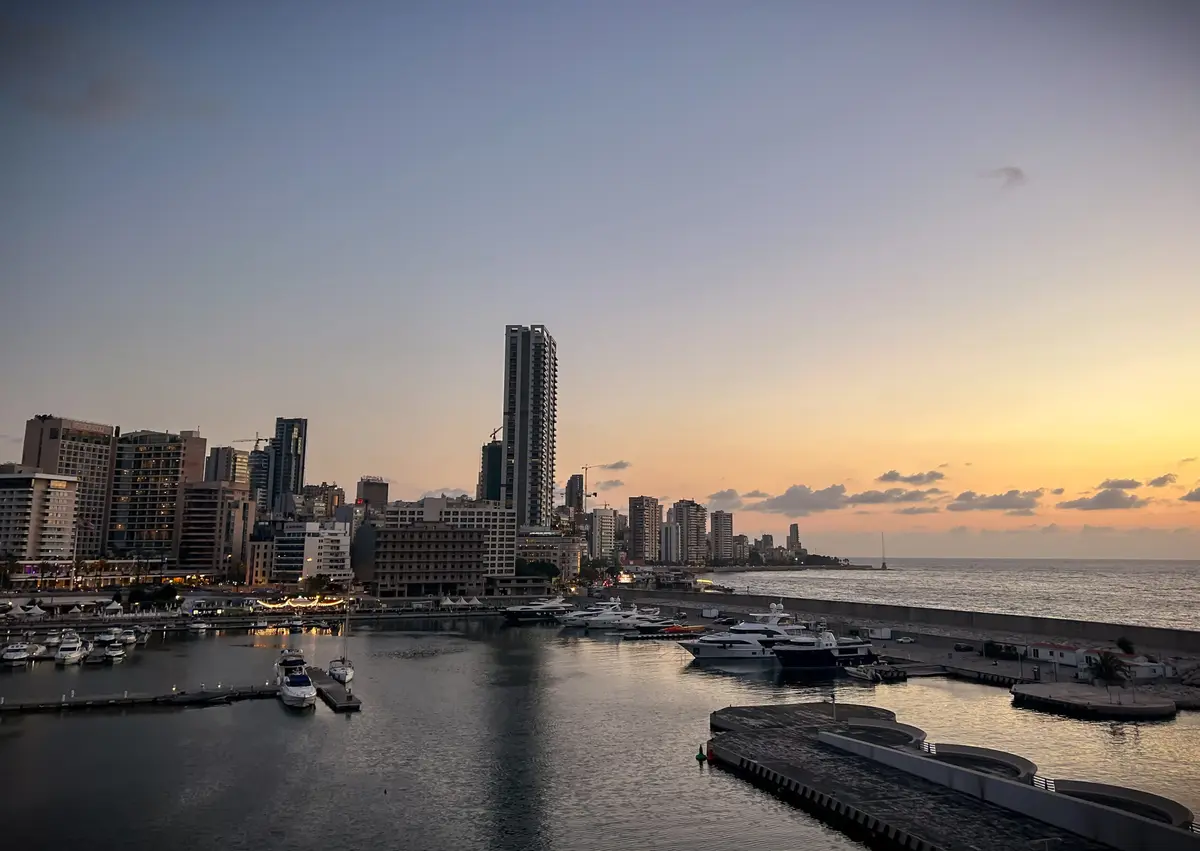
The Corniche at sunset for the view of Raouche Rocks, the National Museum for 5,000 years of Phoenician and Roman history, Sursock Museum for contemporary art, and the Armenian quarter of Bourj Hammoud for the best food in the city (ideally with a local guide who knows the manti joints). Do not photograph military checkpoints or soldiers anywhere — this is the fastest way to get detained.
Byblos (Jbeil) — the postcard
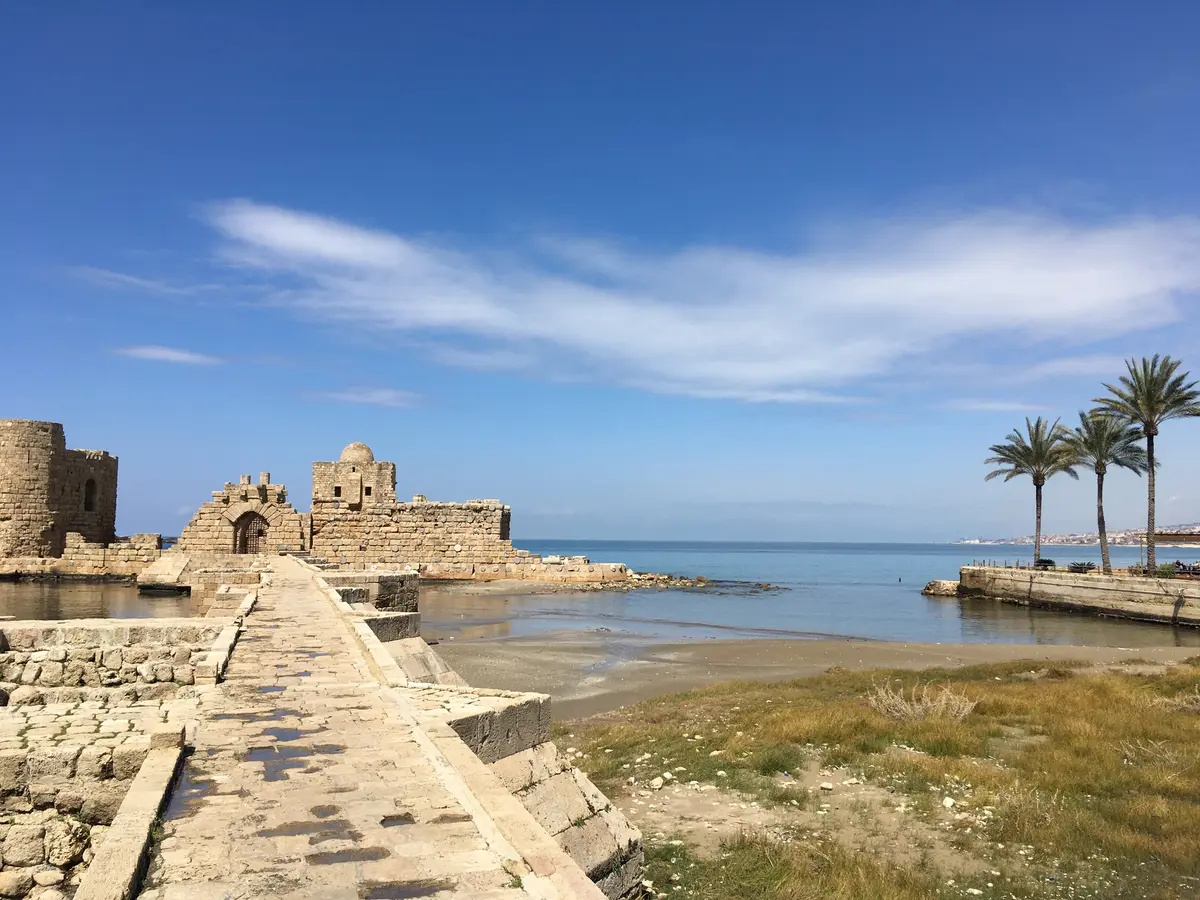
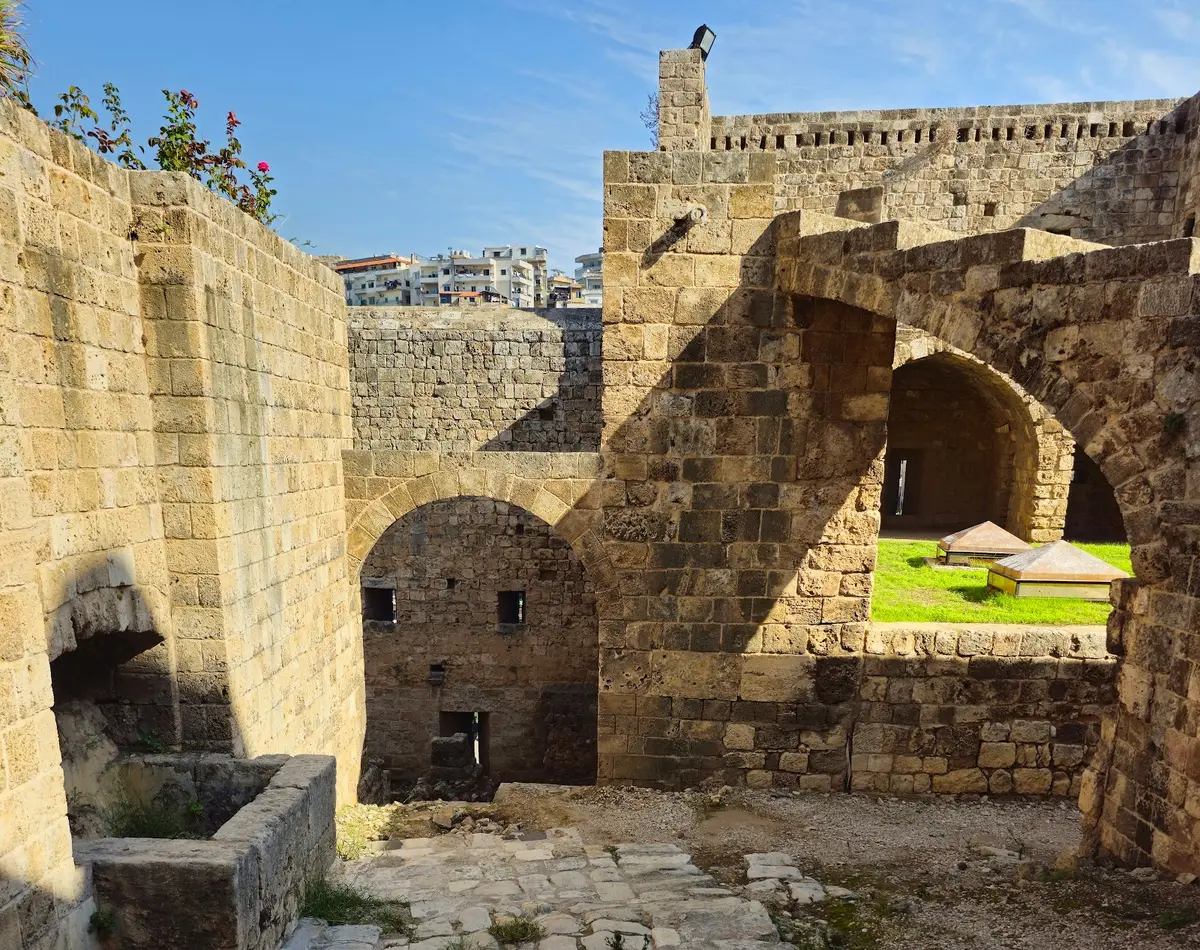
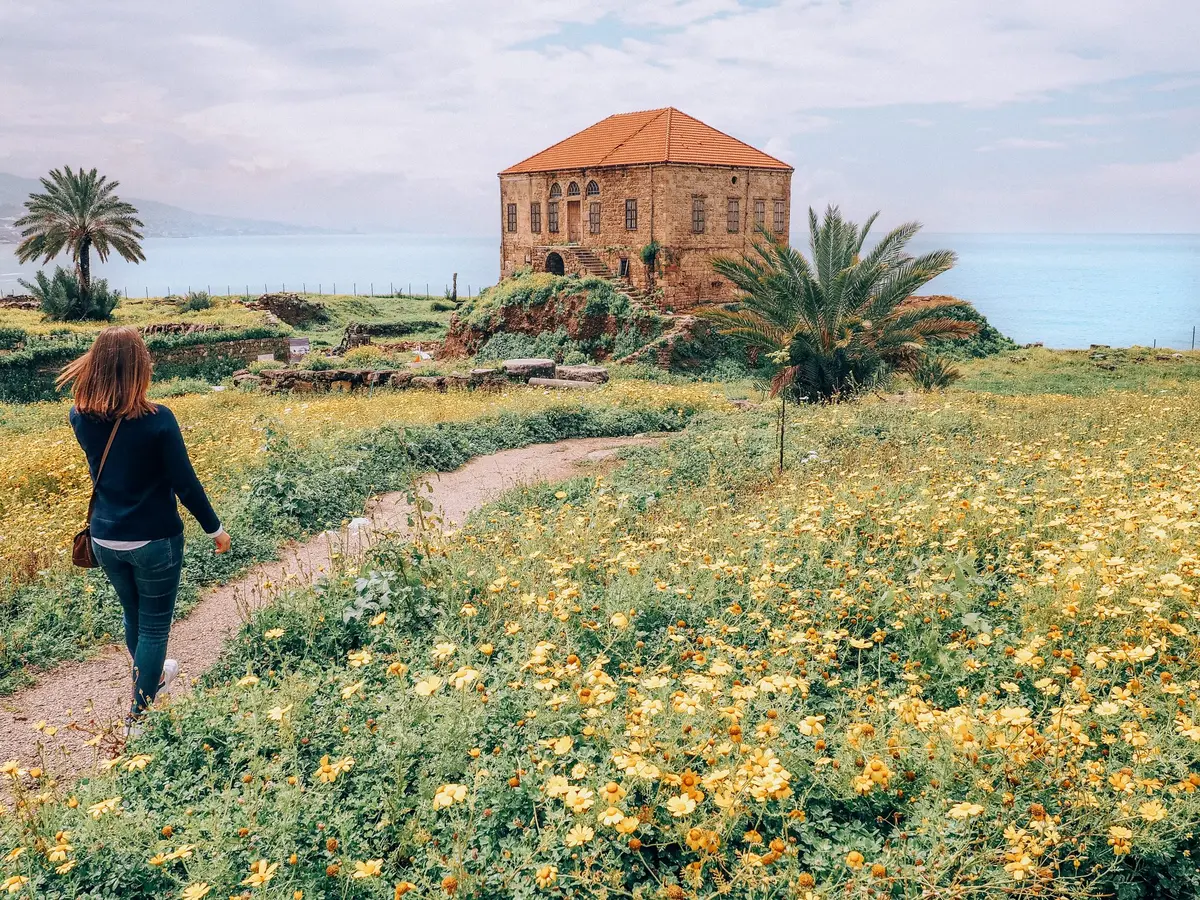
Byblos is one of the oldest continuously inhabited cities on earth. The crusader castle, the Phoenician ruins, and a small harbor lined with fish restaurants. Souks are tourist-friendly and easily walkable in half a day. Good for a day trip or an overnight.
Batroun — the capital of cool
A 90-minute bus ride north of Beirut. Lemonade stands (Hilmi’s is the famous one), beach clubs, and a nightlife scene that operates as if the crisis is happening to someone else. Many solo women call it their favorite base outside Beirut. The old Phoenician sea wall and St. Stephen’s Cathedral are worth an hour; the beach clubs and things to do in Batroun are worth a full day.
Baalbek — worth the risk for the ruins
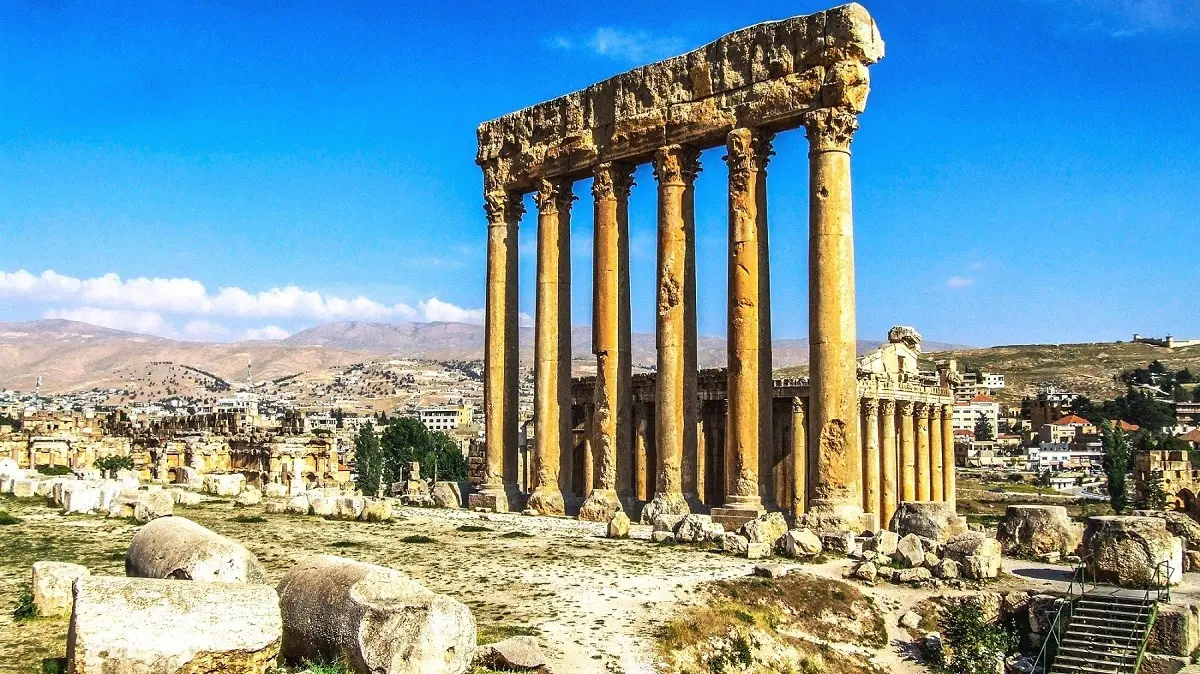
The Temple of Bacchus is arguably the best-preserved Roman temple in the world, and the site is vast enough to spend four hours on. The calculated risk: Baalbek sits in the Beqaa, which has seen sporadic strikes. Go only as a daytrip with a trusted driver, check advisories the morning of, skip the modern city, and leave by 4 p.m.
Jeita Grotto — completely safe
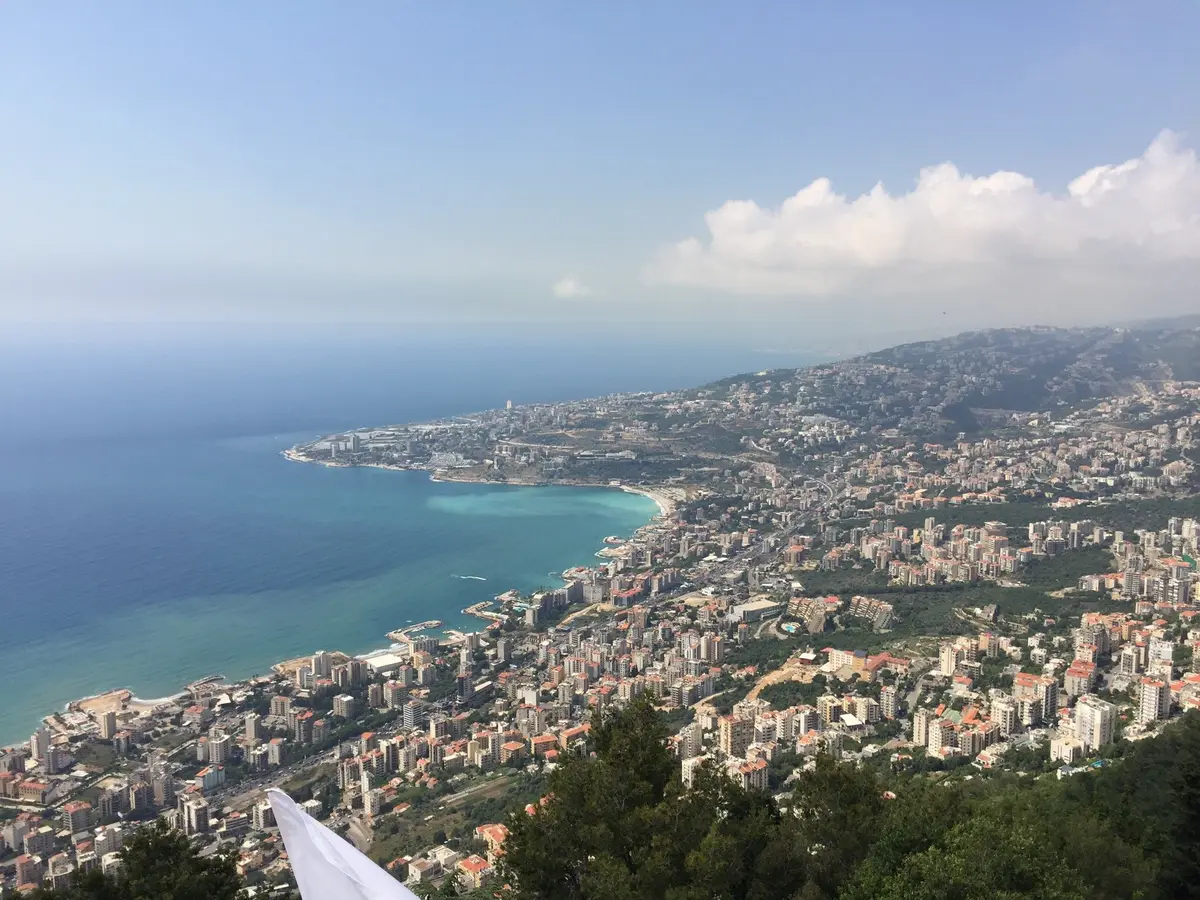
Jeita Grotto is a massive two-level limestone cave system 30 minutes north of Beirut. A small boat ride through the lower cavern, walking galleries above. No photography allowed inside. Pair with a stop in Harissa (cable car up to the Lady of Lebanon statue, straight-line views across the bay to Jounieh).
Qadisha Valley and the Cedars — the mountain escape
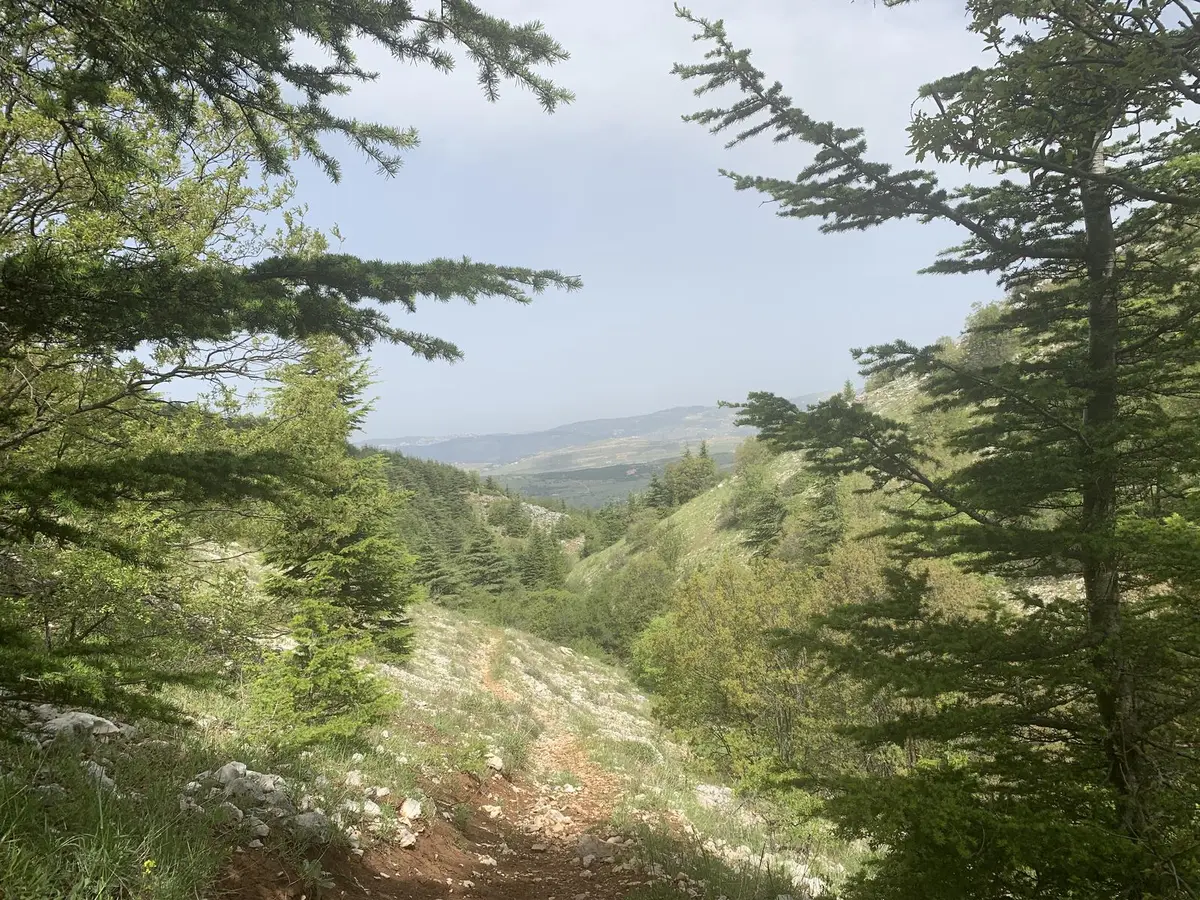
Maronite monasteries carved into cliff faces, hiking trails through the Qadisha Valley (a UNESCO-listed gorge), and the last remaining ancient cedars of Lebanon at the top. Cooler climate even in summer — 65-75°F (18-24°C) at altitude. Requires a private driver or a rental car; no reliable public transport.
How do you stay connected with reliable data?
Your phone is your lifeline — for Uber, maps, emergency contacts, and advisory updates. Assume you’ll have no internet unless you plan for it.
eSIM vs local SIM
- eSIM (easiest): Airalo, Holafly, and Nomad all sell Lebanon eSIM data packages. Activate before landing. Typical cost: $10-20 for 5-10 GB over 7-14 days.
- Physical SIM (cheaper per GB): Alfa or Touch. Requires a visit to an official store with your passport. $15-25 for a local number with 10+ GB. Worth it for stays over two weeks.
VPN and connectivity habits
Install a reputable VPN (ProtonVPN, NordVPN, Mullvad) before you land. Some news sites and communication apps face intermittent blocks, and you’ll want secure browsing on hotel Wi-Fi.
Power cuts are daily — plan for them
State electricity provides a few hours per day at best. Even hotels with generators cycle power during the handover between state grid and generator, which can drop Wi-Fi for 5-10 minutes at a time. Carry a 20,000 mAh power bank minimum. Never leave your hotel on less than 50% battery. A second battery pack for overnight day trips is not paranoid — it’s basic.
The bottom line
TL;DR: Solo female travel in Lebanon works if you stay in the coastal safety corridor (Beirut north to Batroun, plus mountain areas), buy a specialist war-risk insurance policy before you book, carry 100% of your budget in crisp post-2013 USD cash, and have a shelter-in-place plan for airport closures. The reward is some of the best food, nightlife, and human warmth in the region. The risk is political and localized, not the pervasive street crime of some destinations — but it’s real enough that casual tourism is the wrong frame. Treat it as calculated-risk travel, prepare accordingly, and respect every zone boundary.
Have you traveled to Lebanon recently, or are you weighing a trip? Which of these logistics worries you most — the insurance, the cash rule, or the zone map?