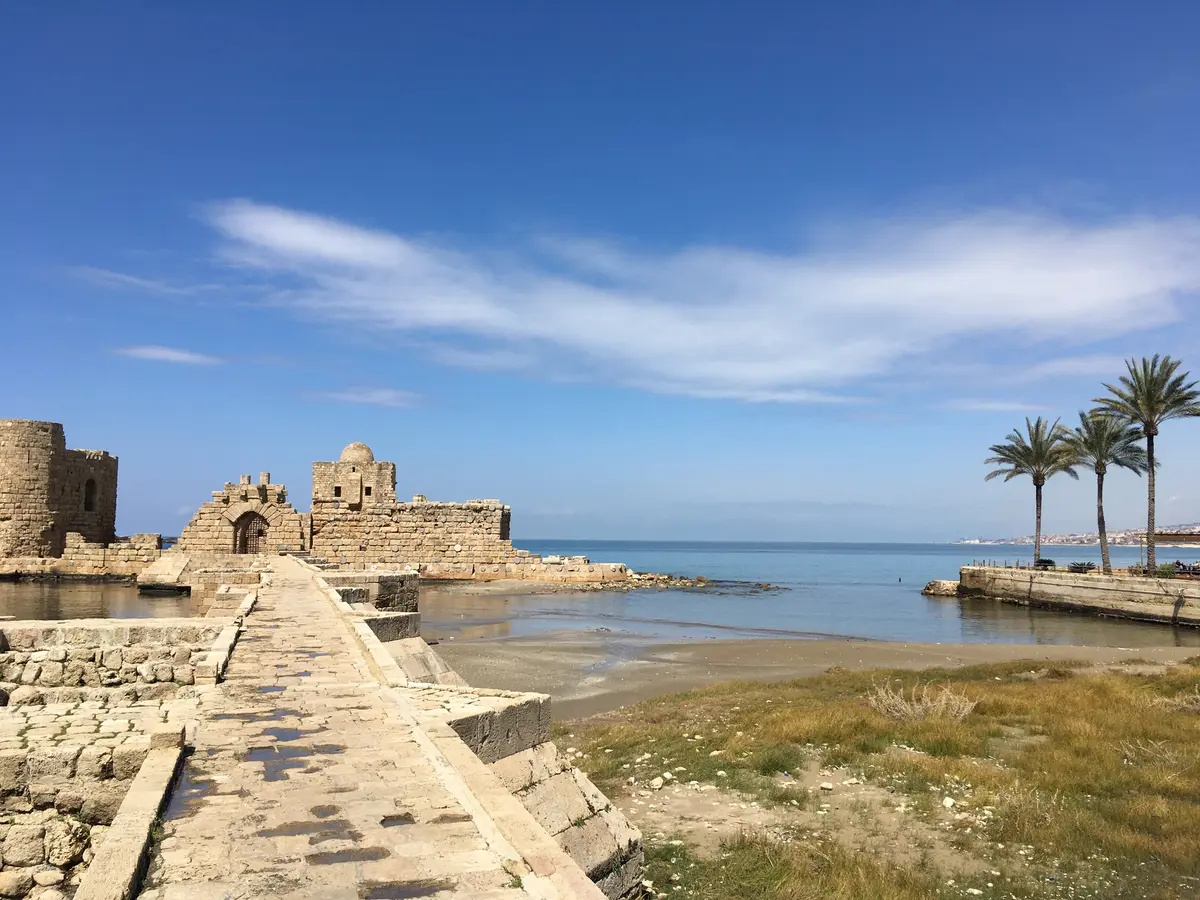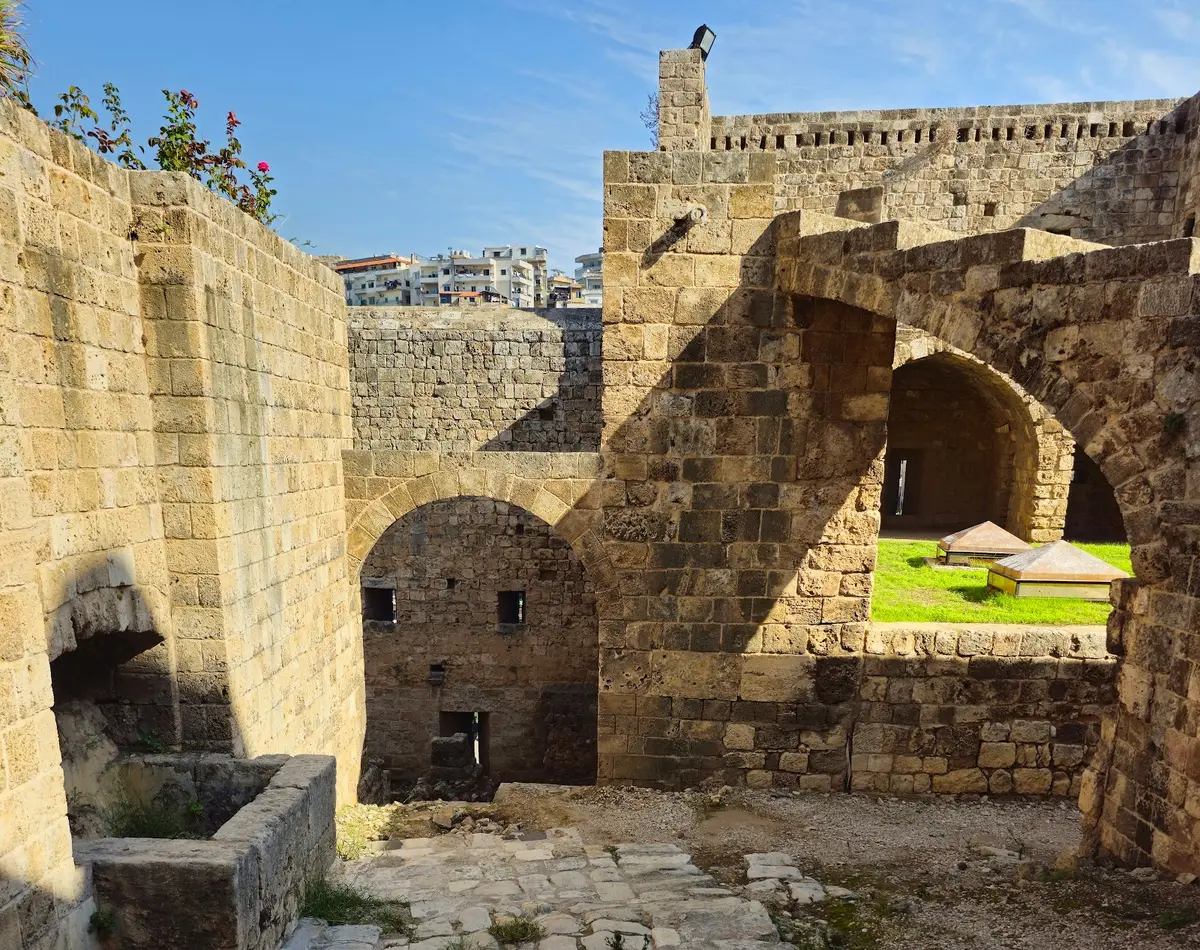
Lebanon is the strangest value equation in the Mediterranean: dystopian for locals earning a collapsed currency, a genuine bargain for anyone showing up with crisp US cash. If you handle the mechanics right, a mezze feast costs less than an airport sandwich in Chicago. Get them wrong and a dinner can hit your card at an exchange rate that will physically hurt.
How much does a week in Lebanon actually cost?
A mid-range traveler paying in US cash should budget $90-$140 per day in Lebanon: around $60-$90 for a hotel with 24-hour generator power, $20-$35 on food across street stands and sit-down restaurants, and $15-$25 on shared taxis and entry fees. Flights from the US ($800-$1,500 round-trip) and specialized insurance are the two big line items outside that daily number.
Add a private driver for a day trip to Baalbek and the Bekaa Valley and you are looking at $80-$120 for the car on top. Go full luxury in a beachfront hotel in Byblos and the daily number crosses $300 fast.
Pro Tip: Build your whole budget in physical USD before you fly. Every dollar you plan to spend on a card should be treated as a 10-20% more expensive dollar.
What is the “fresh dollar” economy and why does it matter?
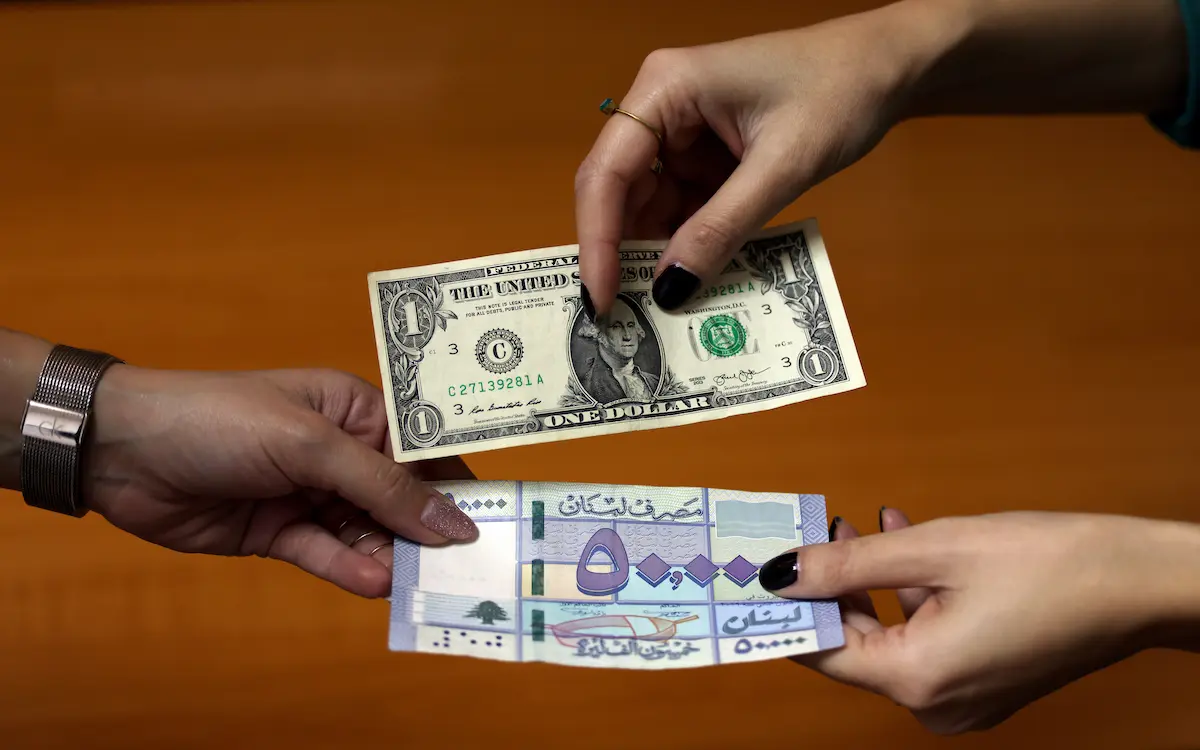
A “fresh dollar” is a physical US banknote or a wire you can withdraw as cash — as opposed to the “lollars” (electronic dollars) stuck in Lebanese banks at punitive haircuts. Tourists pay in fresh dollars. Merchants love you for it. The Lebanese pound trades around 89,500 LBP to $1, a rate that has been roughly stable after collapsing from the old peg of 1,507.
You will see prices quoted three ways in the same day: in USD on hotel invoices, in LBP on a manoushe stand’s chalkboard, in a mix on a mid-range restaurant menu. Carry a mental conversion of 100,000 LBP ≈ $1.10 and you will not get lost.
- Bring: clean, post-2013 US bills, mixed denominations ($1, $5, $10, $20, $50, $100)
- Avoid: torn, marked, or pre-2013 notes — moneychangers and shops reject them
- Target: roughly $100 per day in cash, per person, for a mid-range trip
The credit card trap that has cost travelers hundreds
Never hand your card to a merchant pricing in LBP unless you have confirmed — out loud, before ordering — which rate they use. Some point-of-sale terminals still charge at a legacy official rate that effectively triples your bill. A $40 dinner can hit your statement at $120.
Upscale hotels and dollarized restaurants are generally safe because they bill in USD directly. Everywhere else: ask. If the answer is anything other than “market rate” or “sayrafa rate,” pay cash.
How do you actually get cash in a country where ATMs barely work?
Skip Lebanese ATMs. International cards either get rejected outright or work intermittently with 4-5% fees and low daily limits. The workaround almost every long-term traveler and NGO worker uses is Western Union through OMT, the money transfer network with hundreds of branches nationwide.
- Method: Send money to yourself via the Western Union app while still abroad (or from your hotel Wi-Fi)
- Pickup: Any OMT branch — they are on almost every commercial street
- Fee: Typically 1-3% depending on amount, no exchange hit
- Payout: Fresh USD cash, handed over in an envelope
Pro Tip: Do a small test send of $100 on your first day to confirm the process works with your ID and phone number before you try a bigger transfer.
Is Lebanon expensive to fly to from the US?
There are no direct flights between the US and Beirut, so every routing goes through Europe, Istanbul, or the Gulf. Economy round-trip fares typically run $800-$1,500. Istanbul via Turkish Airlines is usually the cheapest combined with the shortest layover. Paris (Air France), Frankfurt (Lufthansa), Dubai (Emirates), and Doha (Qatar) are the main alternatives.
- Cheapest months: October, early November, and March — fares occasionally drop to $770
- Peak spike: July-August, when the Lebanese diaspora flies home; tickets routinely cross $2,000
- Second spike: Christmas and New Year, similar pricing
- Reliable in turbulence: Middle East Airlines (MEA), which keeps flying when European carriers suspend service
- Flying time: Roughly 13-16 hours with a layover from US East Coast
Middle East Airlines is the carrier to watch. During the periods when European airlines suspend Beirut service over security concerns, MEA has historically kept routes open — sometimes the only way in or out for days at a stretch.
Do you really need a special travel insurance policy?
Yes, and this is not a line item to shop cheap. Standard US travel insurance policies exclude countries under Level 4 “Do Not Travel” advisories, and the US State Department maintains that advisory for Lebanon — with an ordered departure of non-emergency government personnel still in effect and active security alerts about airstrikes, drones, and rocket activity, especially in southern Lebanon, the Beqaa, and parts of Beirut.
- What you need: a high-risk war-zone policy for Lebanon that explicitly covers conflict-zone incidents
- Providers to check: Global Rescue, battleface, World Nomads Explorer Plus (case-by-case)
- Typical cost: $8-$20 per day, often 3-5x a standard European policy
- Non-negotiable inclusion: medical evacuation — the local healthcare system has great doctors but severe supply shortages, and hospitals require upfront cash from foreigners
US citizens still receive a free 30-day visa on arrival at Beirut’s Rafic Hariri International Airport, so there is zero visa cost to factor in. The catch: any Israeli stamp, visa, or even a family name flagged as Israeli/Jewish can get you refused entry or detained.
Pro Tip: Photograph every page of your passport before you fly. If it gets held at immigration, copies speed up the follow-up dramatically.
Why are Lebanese hotels more expensive than you would expect?
The state electrical grid provides only a few hours of power daily, so every hotel runs diesel generators 22+ hours a day. Diesel is priced in USD at global rates. That single fact creates a price floor — no Lebanese hotel can offer the $15 backpacker rooms you find in Turkey or Jordan while still running 24/7 AC and hot water.
Budget: $25-$50 per night
Hostels and budget guesthouses keep rates low by turning generators off during midday and late at night. You will get hours without Wi-Fi, AC, or hot water. For a short stay in cool months this is workable. In August, it is miserable.
Mid-range: $60-$110 per night
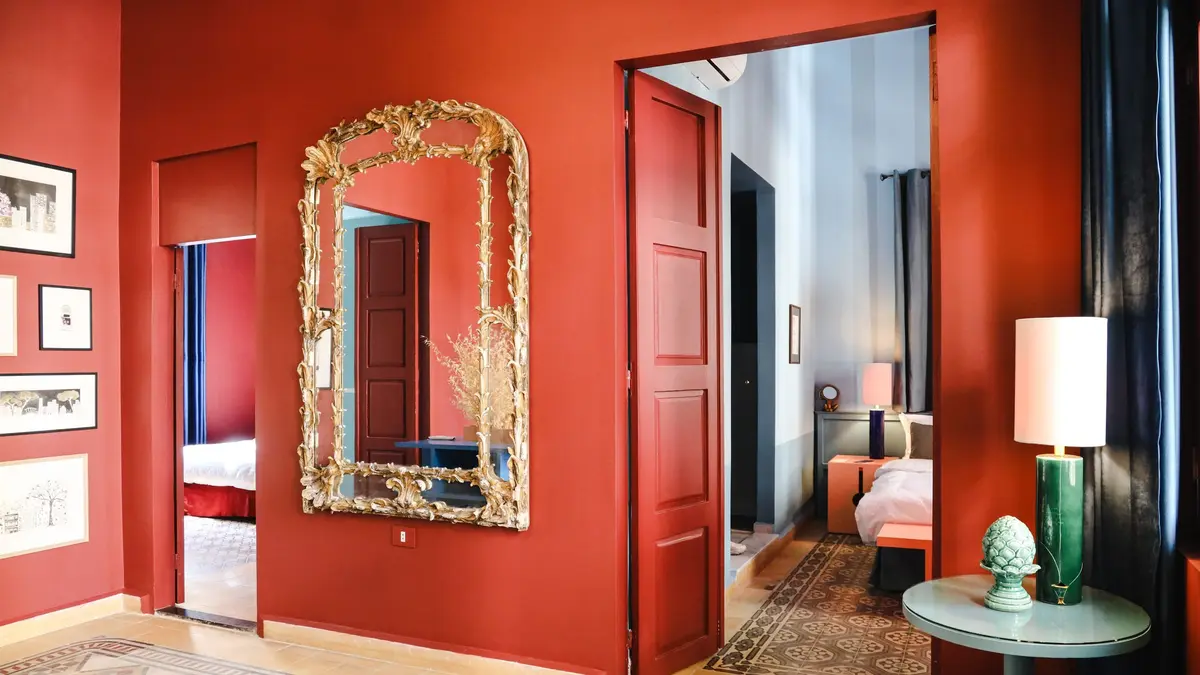
This is the sweet spot. Properties in Hamra (the capital’s most budget-friendly neighborhood for hotels), Mar Mikhael, or Gemmayzeh guarantee 24/7 generator coverage, working AC, reliable internet, and a breakfast worth eating. If you are deciding where to stay in Beirut, start here — this tier delivers the best ratio of comfort to cost.
Luxury: $200-$500+ per night
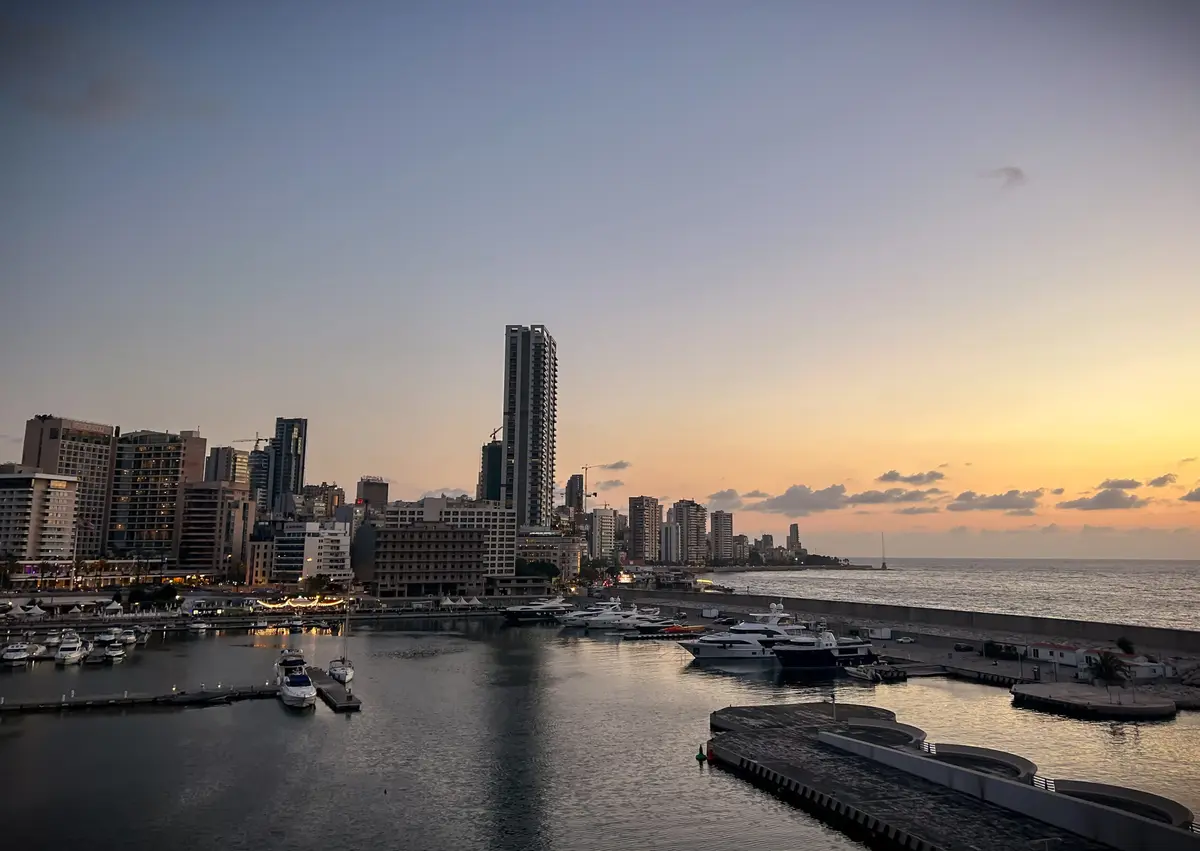
Full redundant power, no interruptions, prices that match Paris or Rome. Phoenicia, Le Gray, and the Four Seasons if they are operating for your dates.
Regional pricing
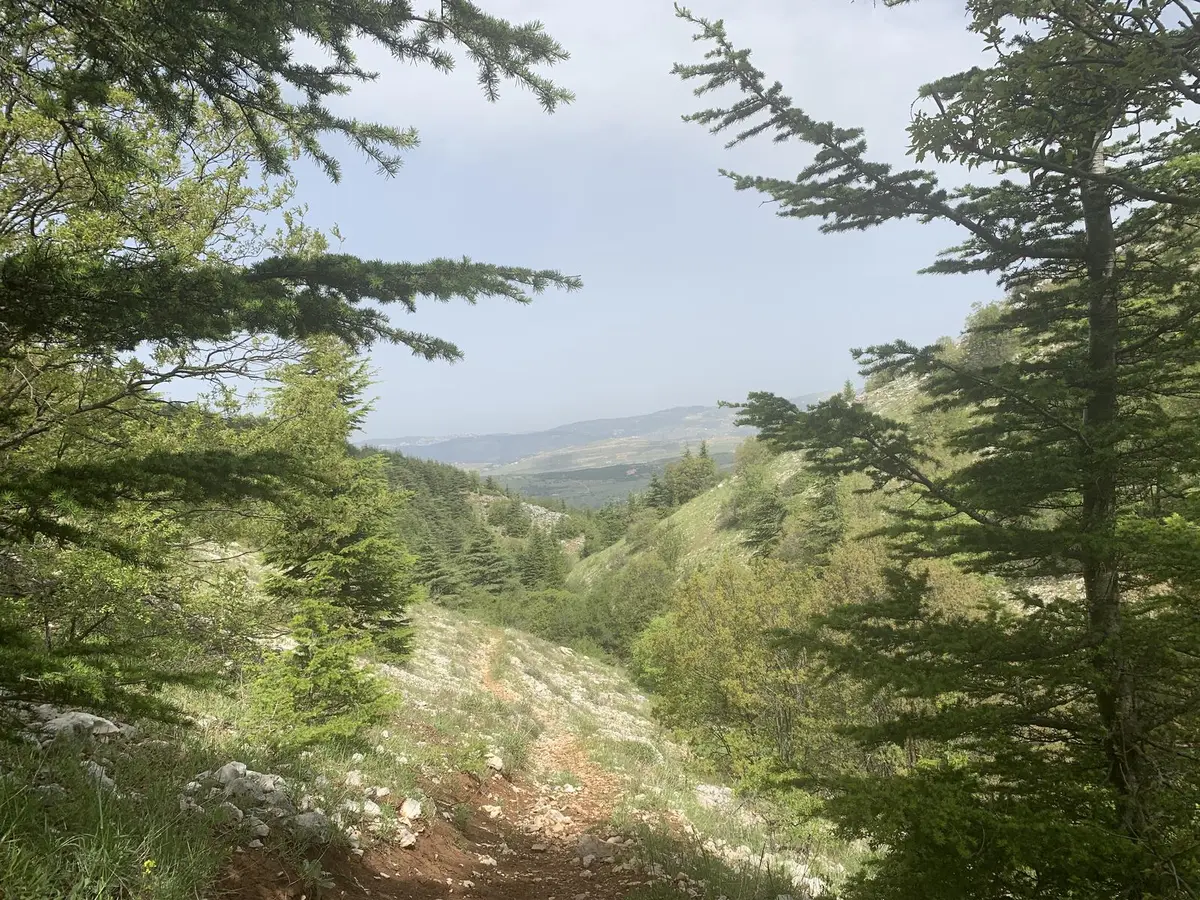
Coastal summer towns like Jbeil (Byblos) and Batroun rival Greek islands in peak season, with simple studios jumping to $180+ a night. Mountain regions stay a much better deal — guesthouses in Lebanese mountains in Bcharré, Ehden, or the Chouf typically charge $40-$70 including a breakfast of labneh, zaatar, olives, and fresh bread from a wood oven.
How much does it cost to get around Lebanon?
Public transport in the Western sense does not exist — no scheduled buses, no metro, no trains. What works instead is a chaotic but cheap network of shared taxis, informal minivans, private drivers, and ride apps. Costs stay low once you learn the rules.
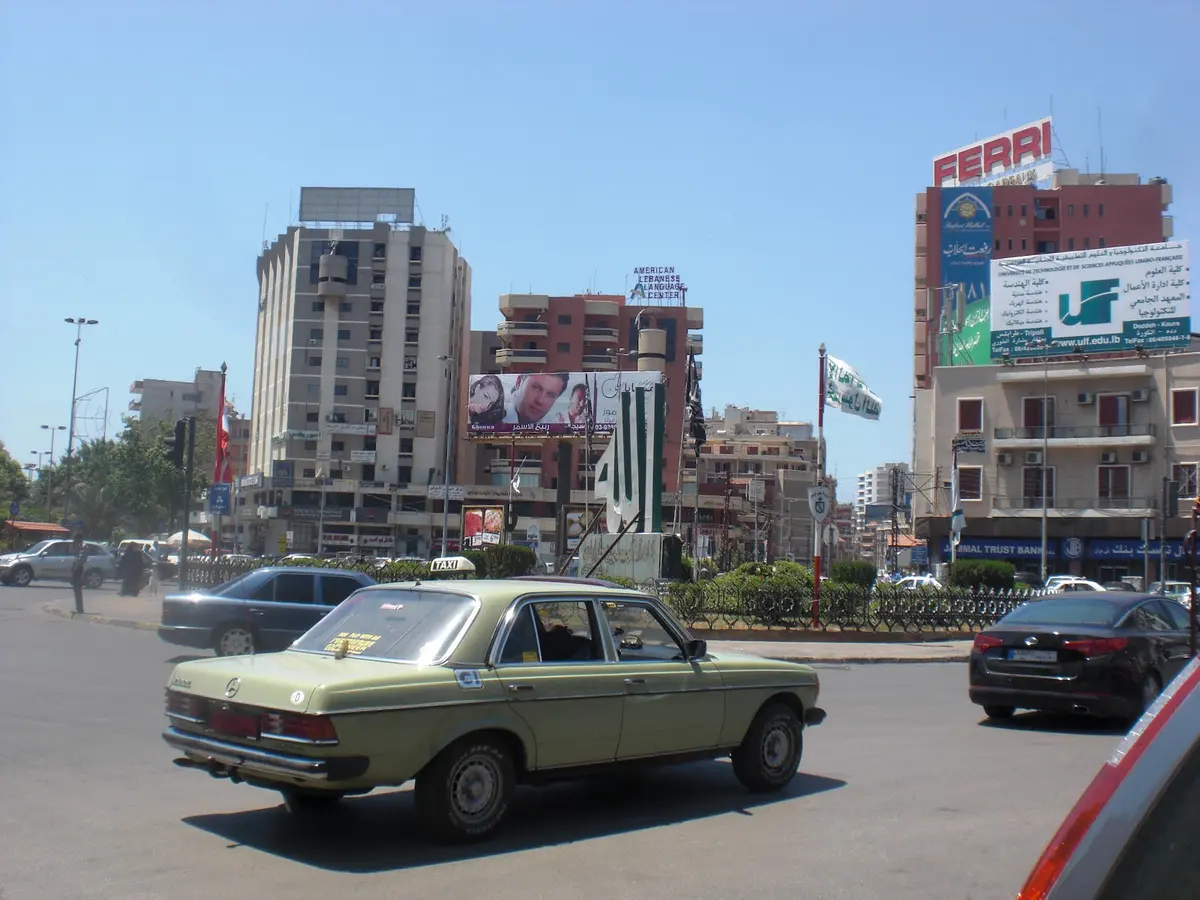
The “service” taxi system
These are old sedans with red license plates that pick up multiple passengers going the same direction. You flag one down, state your destination, and pay at the end.
- Standard “service” fare: 150,000-200,000 LBP (~$1.70-$2.20) per person, per hop within Beirut
- “Taxi” (private, you alone): 4x a service fare — confirm the price before you get in
- Cash only: carry small LBP bills; drivers will not break a $50
Drivers test foreigners. Say “service, bi-kam?” (“shared, how much?”) and they know you have done this before.
Uber/Bolt vs. service taxis
Apps like Uber, Bolt, and local Careem operate in Beirut. Fares are higher than service taxis — usually $4-$8 for a cross-city ride — but you get a metered price, no bargaining, and a GPS trail. For first-time visitors, comparing Uber in Lebanon vs taxi usually favors the app for short trips under $5 worth of friction.
Minivans between cities
Informal 12-seat minivans run from Cola and Charles Helou stations in Beirut.
- Beirut to Byblos: ~$2
- Beirut to Tripoli: ~$3
- Beirut to Baalbek: $5-$6
- Beirut to Tyre: ~$3
- Schedule: they leave when full, not on a clock
Private drivers (the smart splurge)
For day trips covering multiple stops — wineries, Roman ruins, cedars — a full-day private driver runs $80-$150 depending on distance and car. Split between two to four travelers this is one of the best value moves in the country. You get a local who knows which roads are currently open, which checkpoints to avoid, and which wineries waive the tasting fee if you buy a bottle.
Renting a car
Technically possible, practically a bad idea unless you are an aggressive defensive driver. Lane markings are decorative. Expect about $35-$60 a day plus the near-certainty of a scrape. Check driving in Lebanon advice first. For most travelers, the extra $30/day for a driver is cheap insurance.
Is Lebanon expensive for food? (Short answer: no.)
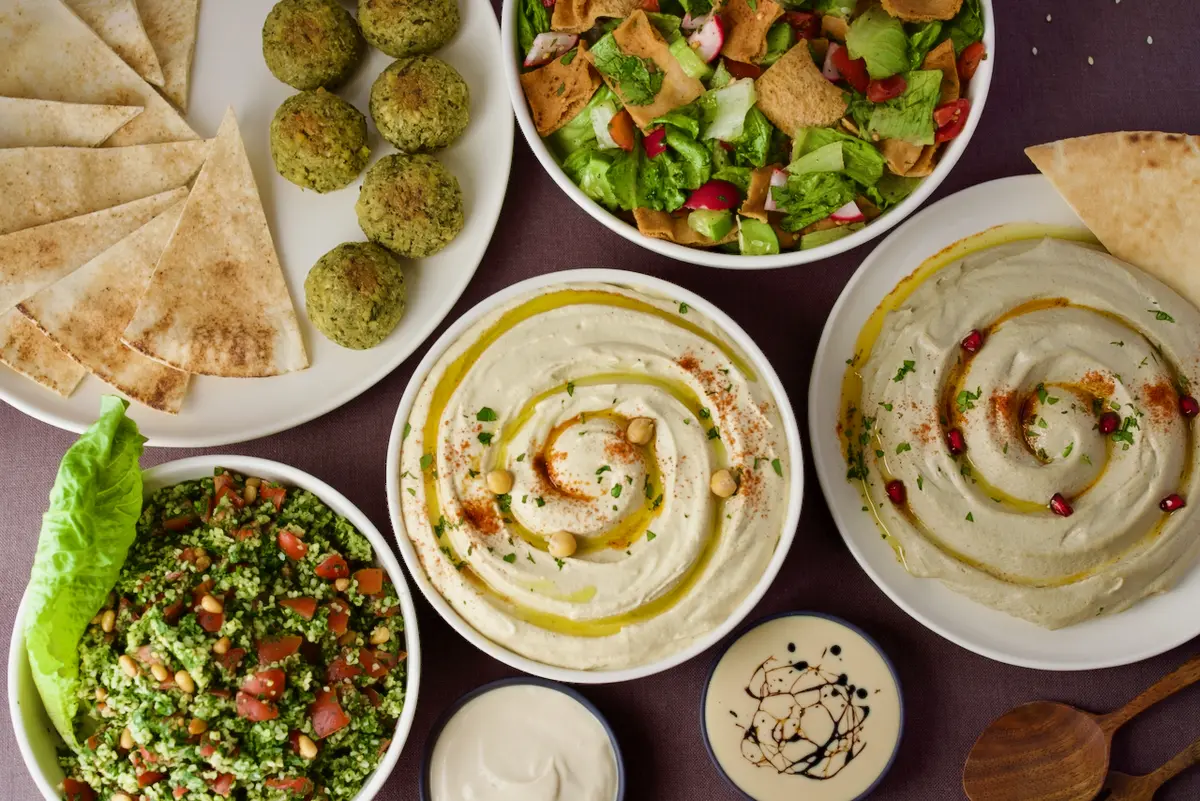
Food is where the “is Lebanon expensive” question gets its most emphatic answer. Currency collapse crushed local-input food prices while the culinary standard stayed brutally high. You will eat better here, for less, than anywhere else on the Mediterranean.
- Zaatar manoushe (breakfast flatbread): 30,000-50,000 LBP (~$0.35-$0.55)
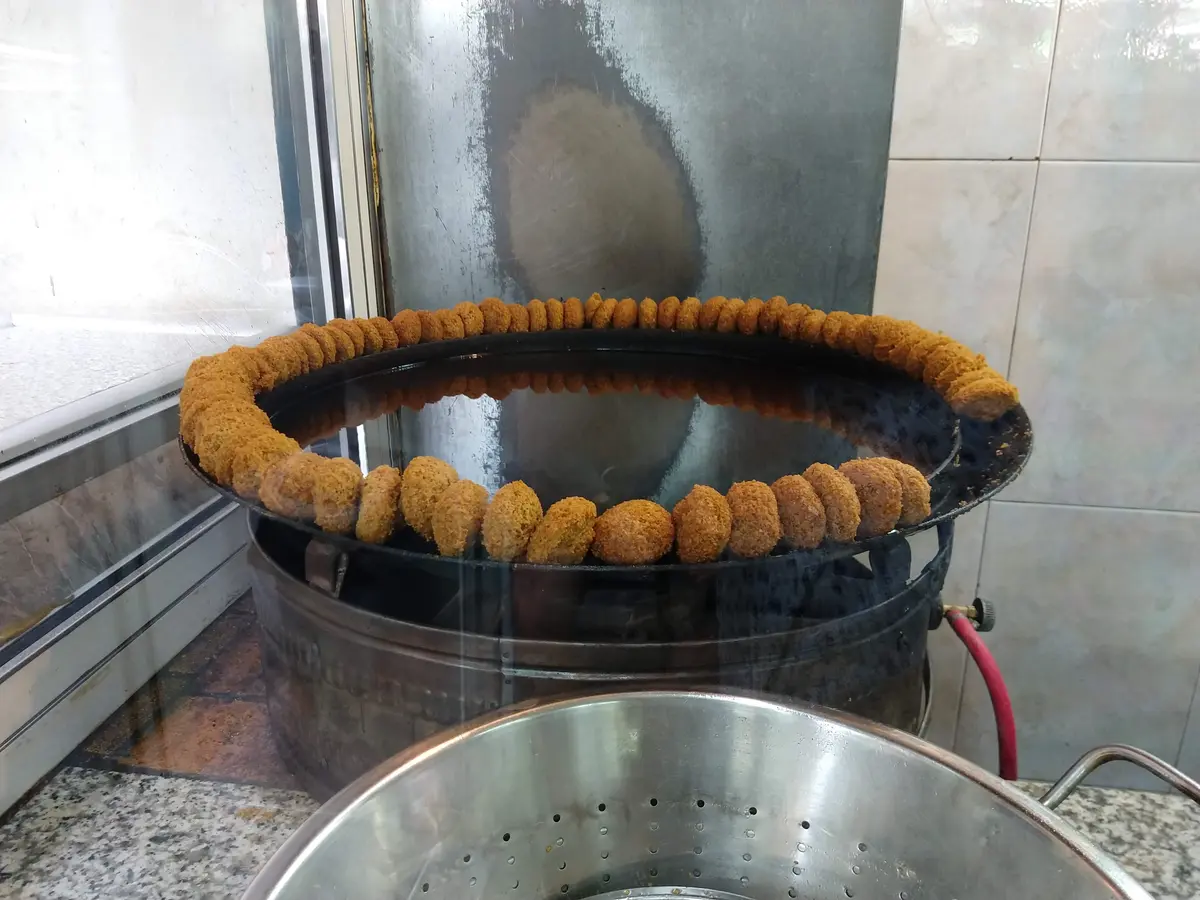
- Falafel sandwich, stuffed: 80,000-120,000 LBP (~$0.90-$1.35) at Sahyoun in Bab Idriss or Falafel Freiha in Burj Hammoud
- Shawarma wrap: 150,000-250,000 LBP (~$1.70-$2.80)
- Full mezze spread for two with drinks at a reputable neighborhood place like Em Sherif Café or Liza: $35-$55 total
- High-end dinner at Baron, Motto, or Mayrig: $60-$90 per person with Lebanon wine
- Local beer (Almaza, 500ml): $2-$4 at a bar, under $1 at a corner shop
- Cocktails in Mar Mikhael: $8-$12, with widespread 6-8 p.m. happy hours halving that
On my last visit the bill for four people at a classic mezze restaurant in Mar Mikhael — hummus, moutabal, kibbeh nayyeh, fattoush, two grilled mains, a bottle of Massaya rosé, Turkish coffees — came to $72 total. The equivalent dinner in any Mediterranean capital in Europe is $200 minimum.
Pro Tip: Order one fewer dish than the waiter recommends. Lebanese hospitality ensures you will still leave unable to stand.
The contrarian take on Beirut nightlife
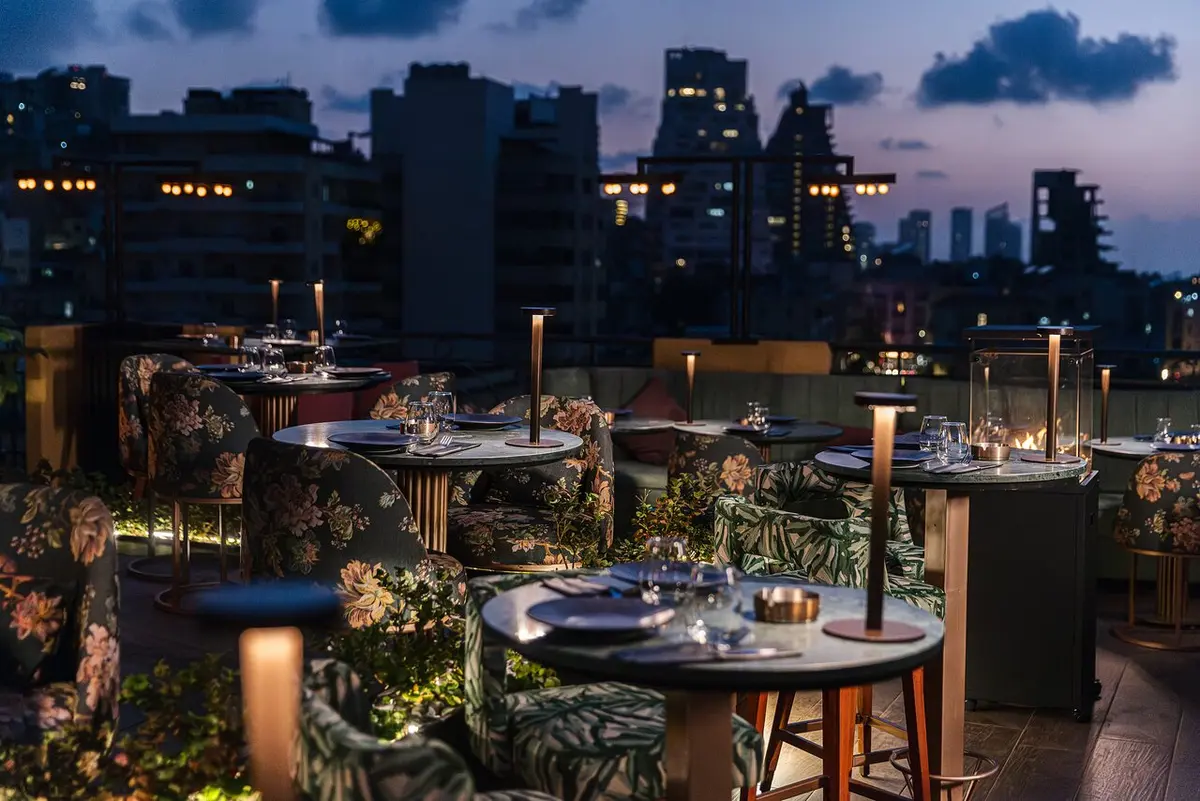
Skip the Skybar-style rooftops where a gin and tonic is $20 and the crowd is 80% diaspora showing off. The better night is bar-hopping Armenia Street in Mar Mikhael — Anise, Dictateur, Central Station — where the drinks are half the price and the conversations are local.
How much do Lebanon’s main attractions actually cost?
For the caliber of sites you access, entry fees are almost embarrassingly low.
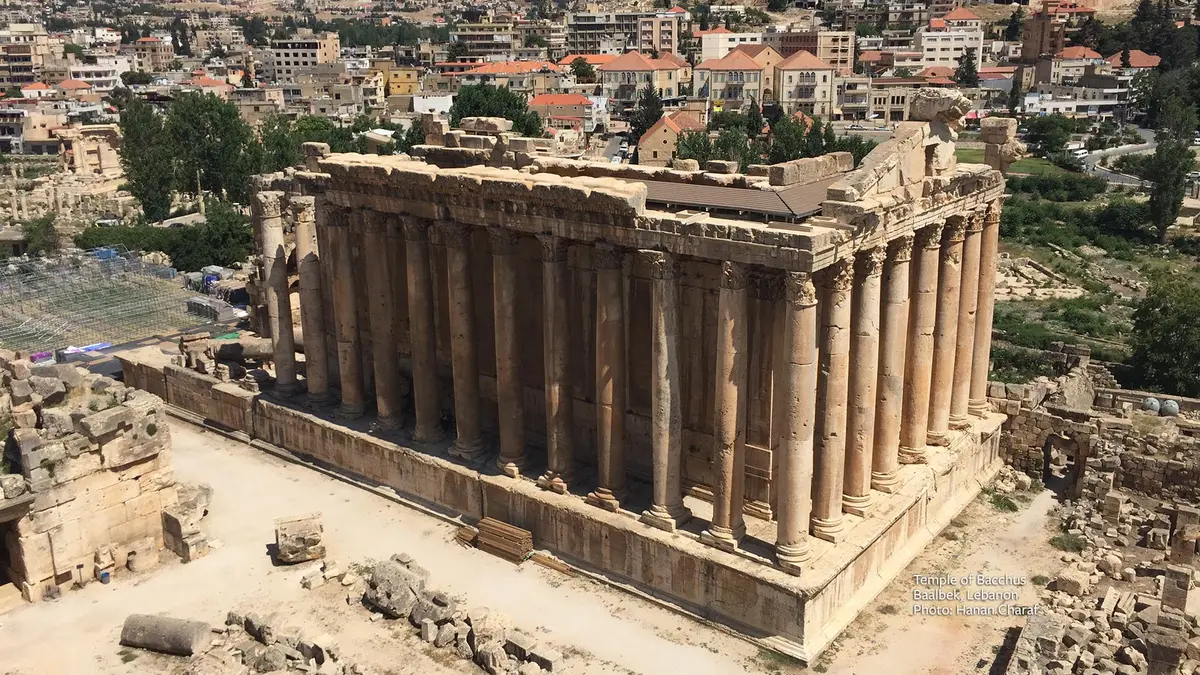
- Baalbek Roman ruins (UNESCO): 1,000,000 LBP (~$11) for foreigners. Guide at the entrance: $20-$25 for a small group
- Anjar Umayyad ruins (UNESCO): ~$5
- Byblos archaeological site: ~$8
- Tyre Roman ruins (UNESCO): ~$4
- Jeita Grotto (upper and lower caves with cable car and boat): ~$12
- Our Lady of Lebanon (Harissa): cable car from Jounieh ~$8 round-trip
- Wine tasting at Bekaa Valley wineries: standard flight $5-$10 at Chateau Ksara, Domaine des Tourelles, Château Musar; full tour with lunch $30-$45
- Beach club day pass: $15-$80 depending on whether it is Batroun or a luxury club in Jounieh
- Ski lift pass at Mzaar Kfardebian: ~$45-$60 weekday, about a third of Alps pricing
Entry to magnificent Roman ruins at Baalbek for $11 is the single best archaeology-dollar deal in the Mediterranean. Petra costs $75. The Forum in Rome costs $22 and you share it with 30,000 other tourists. Baalbek on a Tuesday morning: you might have the Temple of Bacchus to yourself.
Day trips to wineries in the Bekaa Valley run $80-$150 per person all-in with a driver, tastings, and a proper lunch — a third of Napa.
Pro Tip: Go to Baalbek on a weekday morning. Tour buses from Beirut do not arrive until around 11 a.m., so the first two hours at the site are quiet.
Is Lebanon expensive for digital nomads?
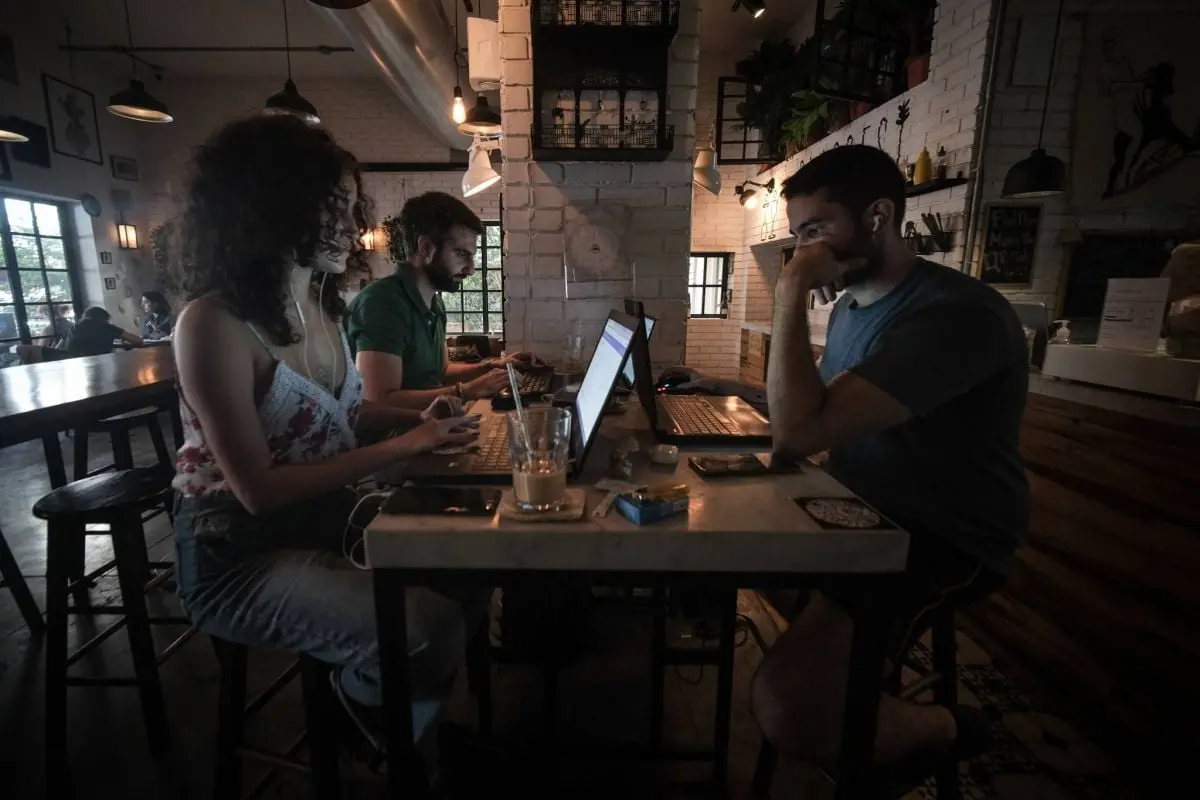
If you are planning to work from Lebanon, expect a specific infrastructure tax that other “affordable” destinations do not have. Hotel Wi-Fi drops every time the generator switches over, which happens two to four times a day. You cannot run a normal remote job on it.
Connectivity costs
- Tourist SIM (Alfa or Touch, 30 days): $20-$35 with 15-30 GB data
- Top-ups: plan on one or two during a two-week stay
- eSIM option: Airalo, Holafly, and others run $10-$25 for 30 days — pick the best eSIM for Lebanon travel before arrival if you want to skip the airport SIM counter
Coworking spaces
The reliable move is a paid coworking space with fiber and full generator redundancy. In Beirut, options include AltCity (Hamra), Coworking +961, and Le Bridge.
- Hot desk day rate: $15-$25
- Monthly unlimited pass: $120-$180
- What you actually get: fiber internet that survives power switches, air conditioning, coffee, a place to take calls without a generator roaring through the wall
For any stay longer than a week where you need to deliver work, the monthly pass pays for itself in a single missed Zoom call avoided.
What safety costs should you factor into your budget?
Safety in Lebanon is partly physical and partly financial. Both cost real money to manage properly.
The US State Department maintains a Level 4 “Do Not Travel” advisory for the entire country, with specific “Do Not Travel, Depart If You Are There” zones covering all of southern Lebanon (south of Saida), the Syrian border, and Palestinian refugee camps. The US Embassy has issued repeated security alerts about airstrikes, drones, and rocket activity affecting the south, the Beqaa Valley, and parts of Beirut. Routine consular services have been suspended. Read the current advisory before you book anything, and read is Lebanon safe for American tourists for a fuller breakdown of where the actual risk concentrates.
Budget-level impact of that reality
- Private driver as “safety tax”: $80-$150 per day buys you a local who knows which roads are open, which checkpoints are tense, and when to turn around
- Skipping the south: Tyre and the southern coast are beautiful but currently off-limits per the advisory. The opportunity cost is real — plan around Baalbek, the Chouf, Byblos, Tripoli, Bcharré instead
- Cash emergency fund: Carry at least $300 above your planned spend, hidden separately, for any situation requiring quick exit (taxi to the airport, hospital deposit, extra hotel night if flights suspend)
- Hospital deposits: Private hospitals demand $500-$2,000 upfront in cash before admitting foreign patients, even with insurance. Your policy reimburses you later — you still have to front the money
- Tipping as solidarity: In a crisis economy, 10-15% at restaurants and $2-$5 for drivers and hotel staff goes a long way. Tipping etiquette in Lebanon matters more here than almost anywhere else
The bottom line on whether Lebanon is expensive
TL;DR: Lebanon is not “cheap” — diesel prices set a floor that stops hotels and transport from bottoming out — but for a US traveler paying in fresh dollars, it delivers the best experience-per-dollar ratio on the Mediterranean. Budget $90-$140 per day plus $800-$1,500 in flights and $8-$20 per day in specialized insurance, carry physical USD, and you unlock world-class food, Roman ruins without crowds, and Bekaa wineries at a third of Napa pricing.
Lebanon rewards travelers who prepare. It punishes the ones who show up with a single credit card and no plan. For the broader picture beyond the cost question, our full Lebanon travel guide walks through itineraries, regions, and logistics end-to-end.
What is the single most surprising thing you have heard about traveling in Lebanon — and are you factoring the current advisory into your planning? Drop your thoughts in the comments.