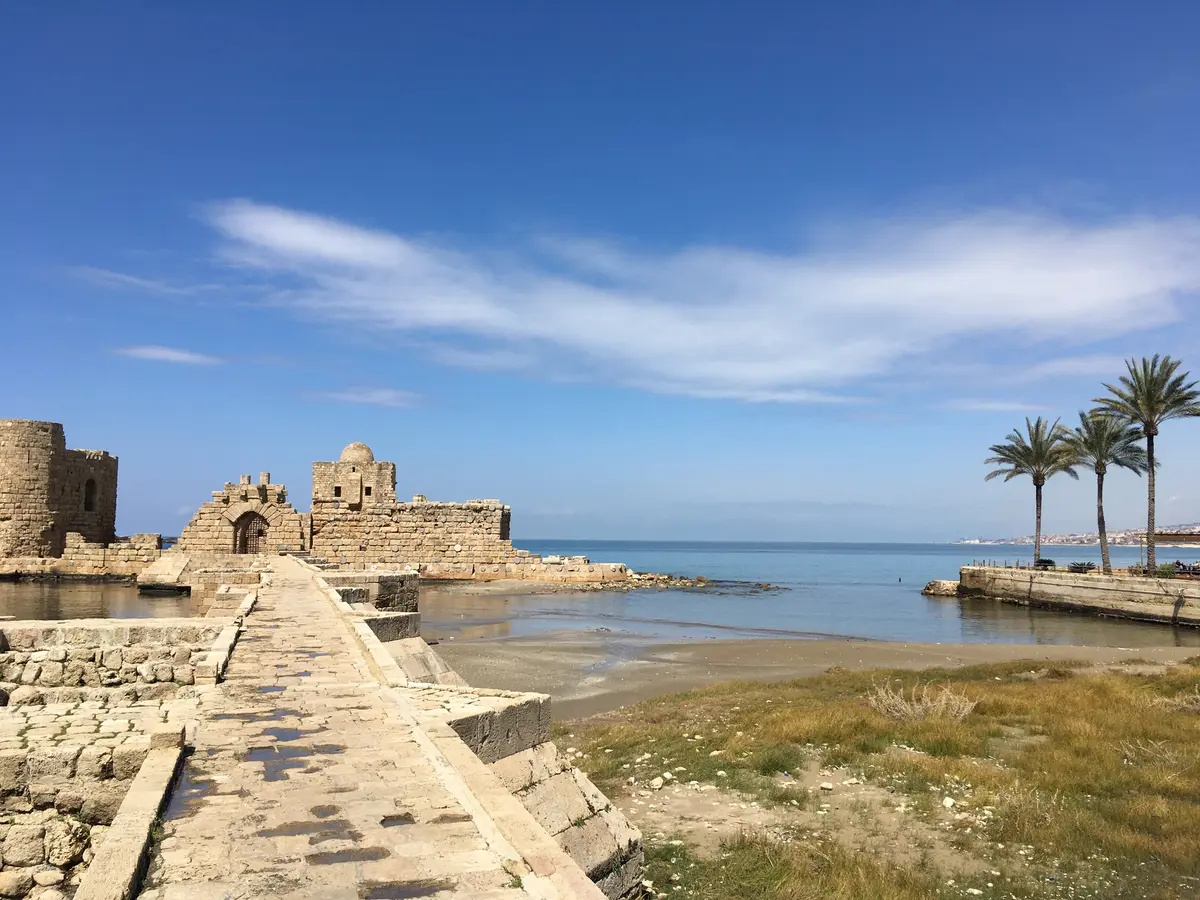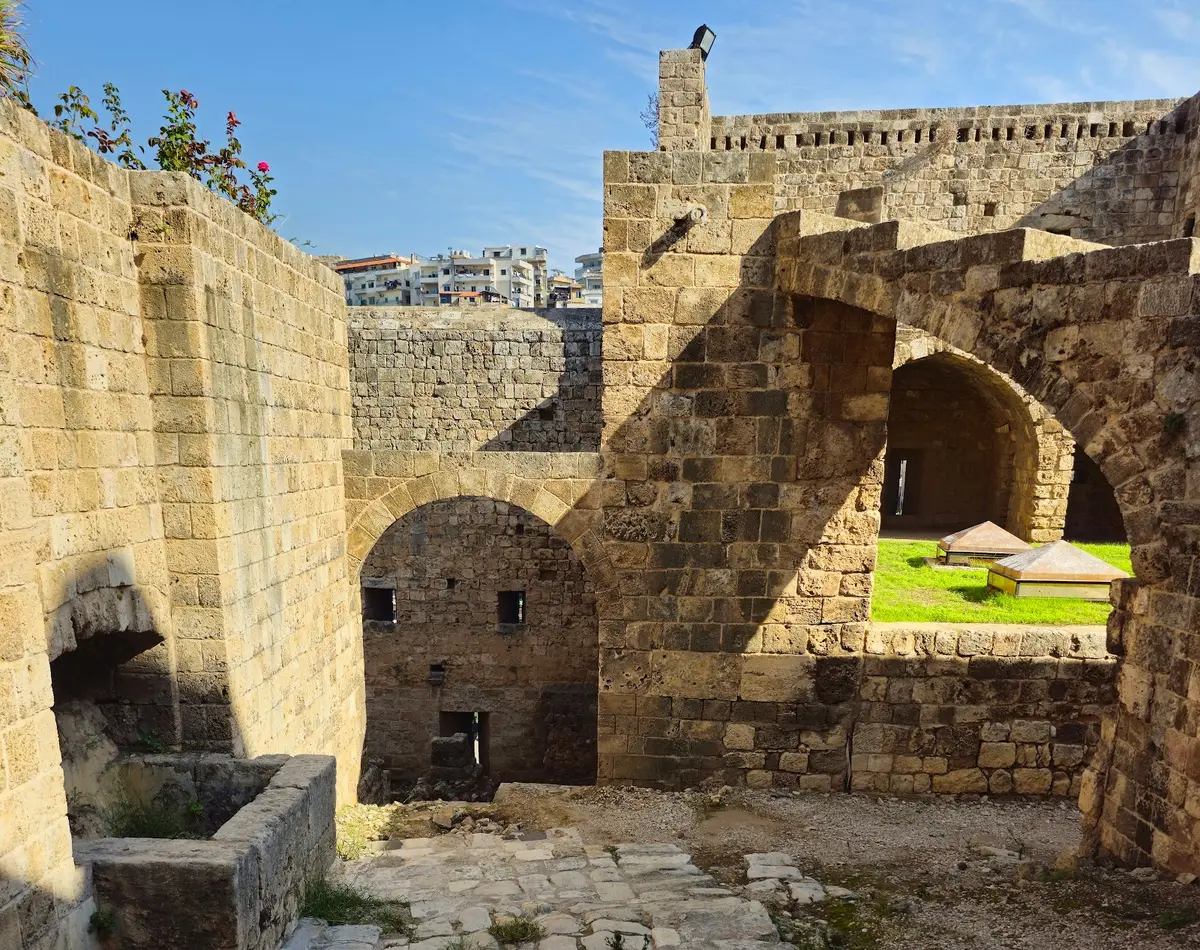
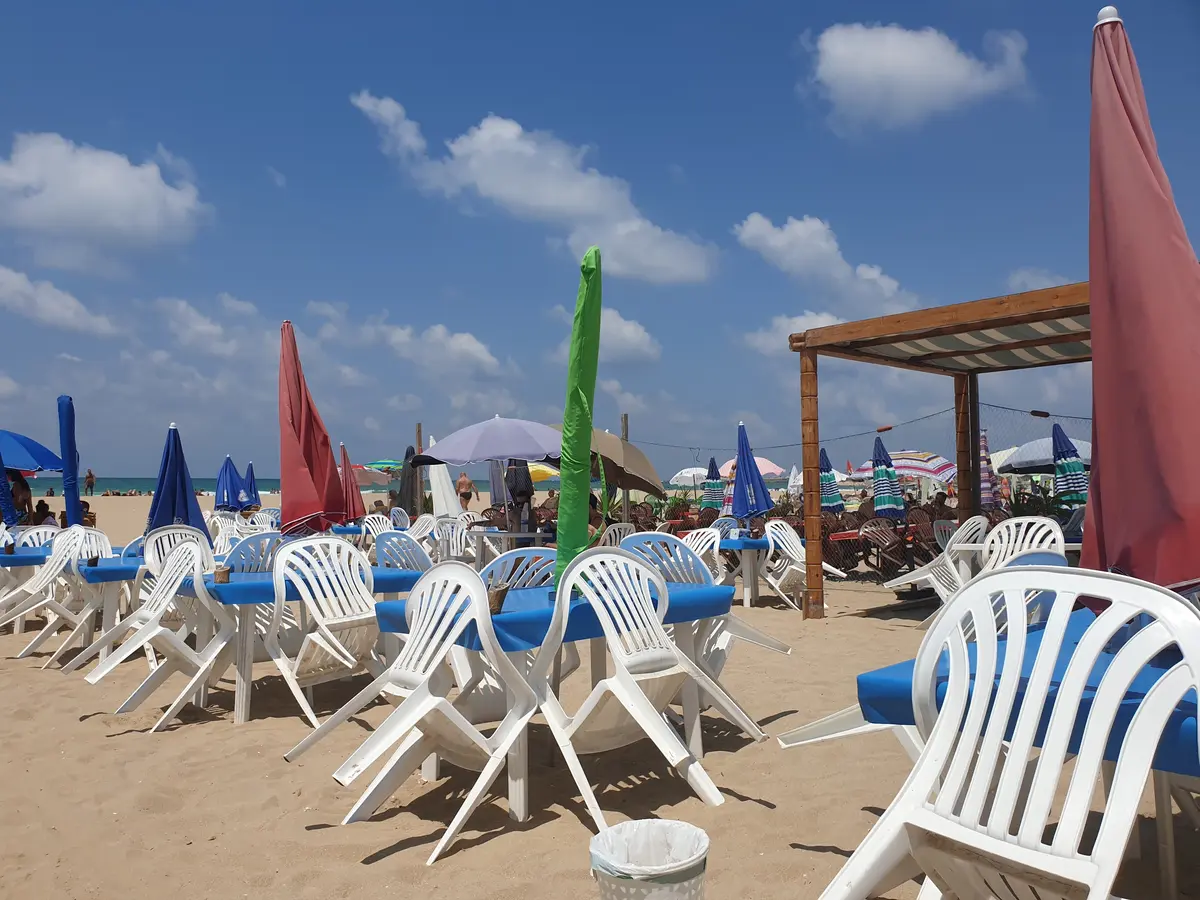
Tyre Lebanon beaches are the best public coastline in the country — fine sand, shallow turquoise water, wooden shacks serving fresh bizri with cold local beer, and submerged Phoenician ruins you can snorkel for free. This guide covers what makes the southern and rocky northern shores different, where to eat and stay, and the one thing every US reader needs to read first.
Is it safe for US travelers to visit Tyre right now?
No. The US State Department keeps Lebanon at a Level 4 “Do Not Travel” advisory and specifically directs US citizens to avoid — and depart from — all of Lebanon south of Saida, which includes Tyre. Since the November 2024 cessation of hostilities, military activity has continued in southern Lebanon, and the US Embassy in Beirut has issued security alerts reporting airstrikes, drones, and rocket attacks, particularly in the south.
This matters in practical terms:
- All routine US consular services in Beirut have been suspended.
- The US Embassy has stated it has limited ability to assist Americans in Lebanon.
- Travel insurance almost always voids coverage in Level 4 zones.
- Most US-based tour operators will not run trips to southern Lebanon right now, and some Beirut drivers refuse fares south of Saida.
Pro Tip: If you are determined to go anyway, enroll in the Smart Traveler Enrollment Program (STEP) before leaving, register your trip with next of kin, travel with a local fixer rather than solo, and keep your passport on you at all times. Do not rely on the US government for evacuation.
The rest of this guide is written for the day the south reopens to normal tourism — and for dual nationals, aid workers, and expats on the ground who already know the terrain. Everything below assumes conditions that allow travel.
Why are Tyre’s beaches different from the rest of Lebanon’s coast?
Tyre is the only Lebanese city with long, free, public sand. Batroun and Byblos up north are beautiful but rocky, and most of the usable shoreline is privatized into beach clubs charging $25-50 per chair. Tyre inverts that model: the Tyre Coast Nature Reserve protects 380 hectares (940 acres) of continuous sand where entry is free and you only pay for food, drinks, and a lounger if you want one.
The geography is also unusual. Tyre sits on a tombolo — a former island fused to the mainland by a sandbar Alexander the Great built in 332 BC — so the city has two completely different coastlines:
- South side: 1.8 miles (2.9 km) of flat sand facing southwest, with water so shallow you can walk 160 feet (50 m) offshore and still stand waist-deep.
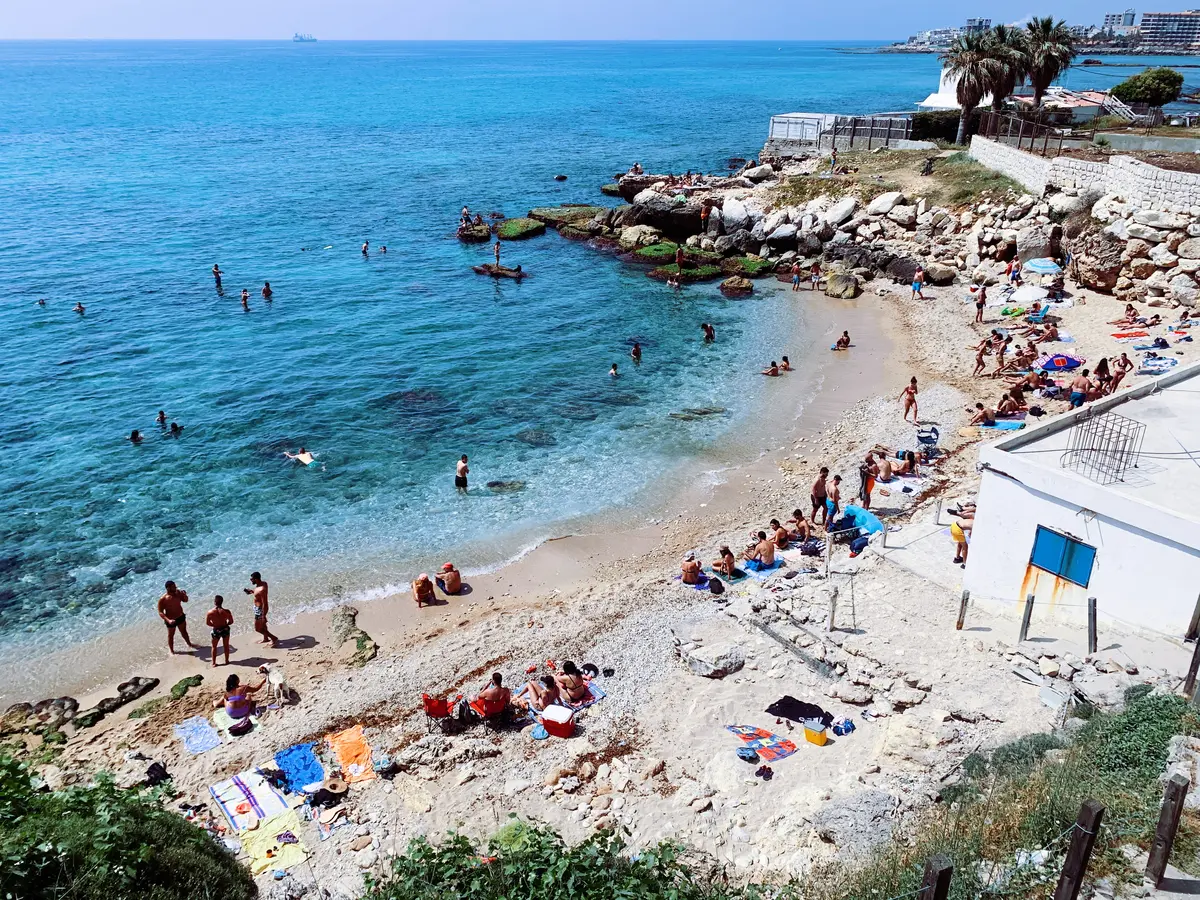
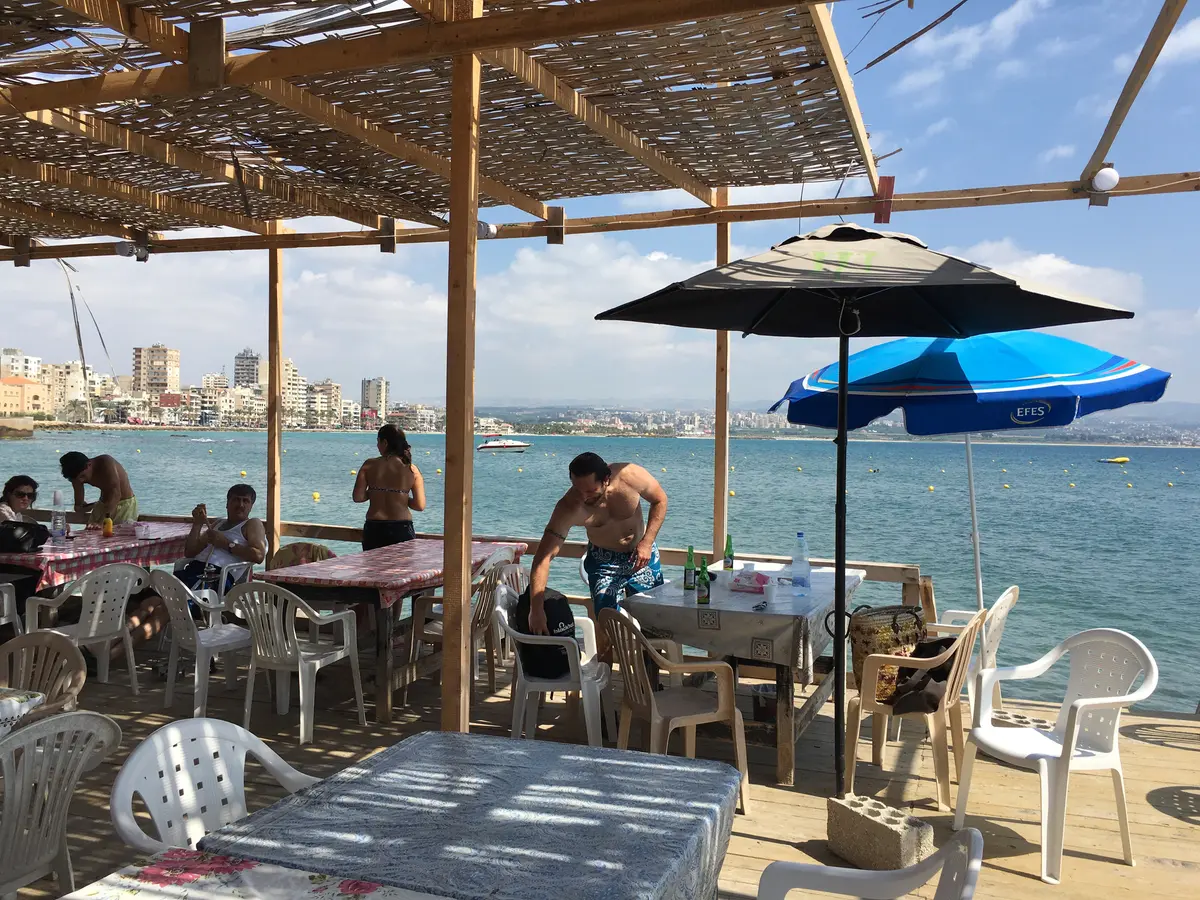
- North and west sides: jagged sandstone ledges, sea caves, 10-foot (3 m) drop-offs into deep blue, and wooden restaurant decks bolted over the rocks.
The scene is low-key in a way Beirut’s coast is not. You will see expat families, UNIFIL peacekeepers in civvies, and teenagers from Sidon on day trips — not club promoters or yachts. Local beer (Almaza, 961), Arak, and cocktails are openly served despite Tyre being in a Shia-majority region, one of the quirks of the city’s mixed Christian-Muslim makeup.
What can you do at the Tyre Coast Nature Reserve?
The reserve is a 2.2-mile (3.5 km) stretch split into a public beach zone (roughly 900 m of kiosks and loungers) and a conservation zone (another 900 m, no services, protected for nesting sea turtles). You walk in from the southern end of the city corniche — entry is free, and you can stay all day if you order a drink somewhere.
The shallow gradient is the headline feature. Families with young kids come here specifically because you can put a toddler 100 feet from shore and the water is still at their thigh. Expect up to 20,000 visitors on a hot Sunday in August, so weekday mornings are dramatically quieter.
Cloud 59 — the barefoot anchor of the beach
Header translation: this is the wooden bar everyone talks about, at the far southern end of the kiosk strip before the conservation zone starts. Dalia Farran has run it for over a decade. Colorful mismatched tables, straw-roofed huts, hammocks, reggaeton and Fairuz on rotation, about 80 tables sprawling into the sand. On a peak summer day the capacity stretches to around 2,000.
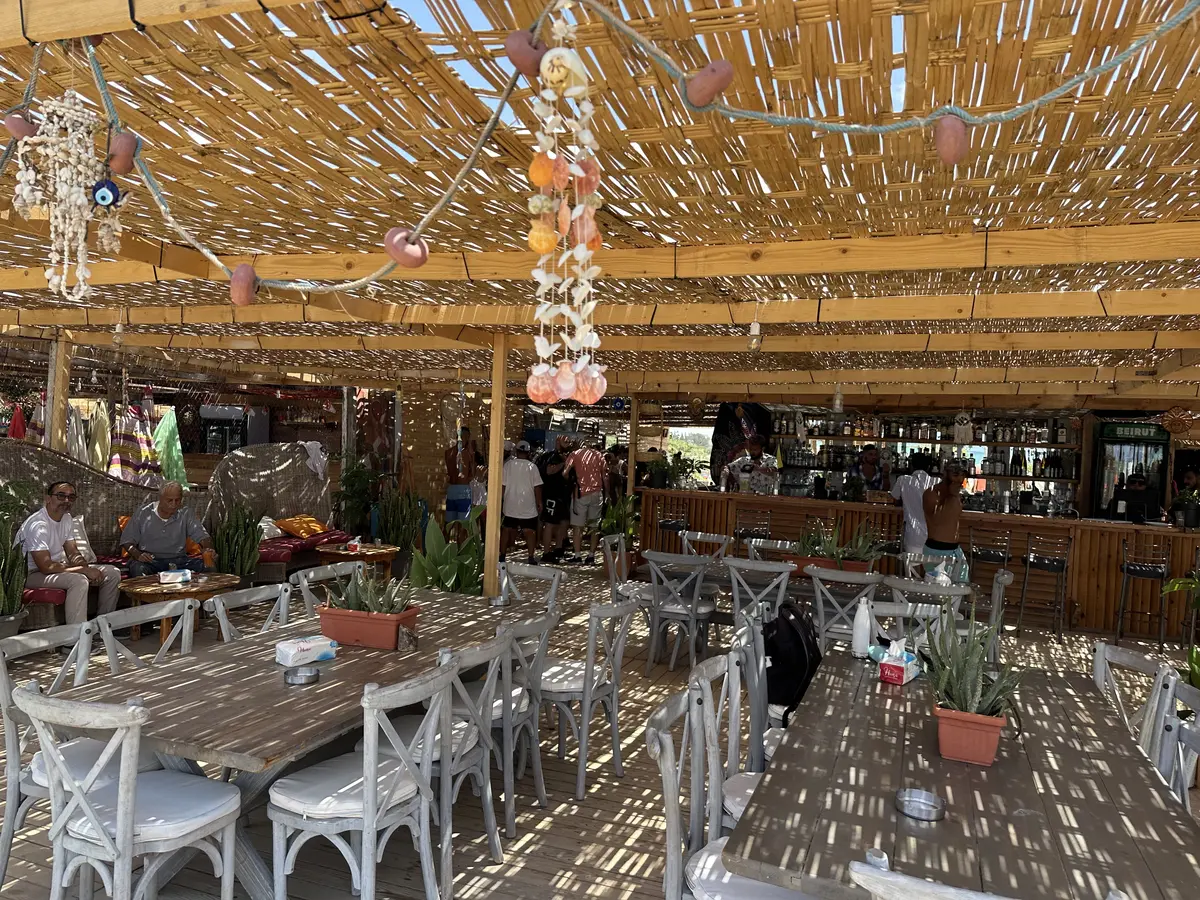
The food is honest, not ambitious: a plate of fried bizri (tiny whitebait you eat head-and-all with a squeeze of lemon) and batata harra (spicy potatoes with coriander and garlic) is what to order. Fish is priced by weight. Drinks are the stronger suit — cold Almaza, Arak with ice water, decent mojitos. Tripadvisor reviewers consistently rate the vibe above the kitchen, and that matches my read: come for the setting, not a gastronomic pilgrimage.
- Location: Southern end of Tyre Public Beach, inside the Tyre Coast Nature Reserve
- Cost: Minimum spend around $10-15/person weekday, $15-25 weekend; a full lunch with drinks runs $25-40/person
- Best for: Groups, couples, and solo travelers who want a laptop-free beach day
- Time needed: Half day minimum — most people arrive around 11 a.m. and stay until sunset
- Season: Typically early June through late September
Pro Tip: Reserve a table on weekends through their Instagram (@cloud.59) — walk-ins get the far edges where the music is loudest and the service slowest. Bring cash in small USD bills; card machines are unreliable.
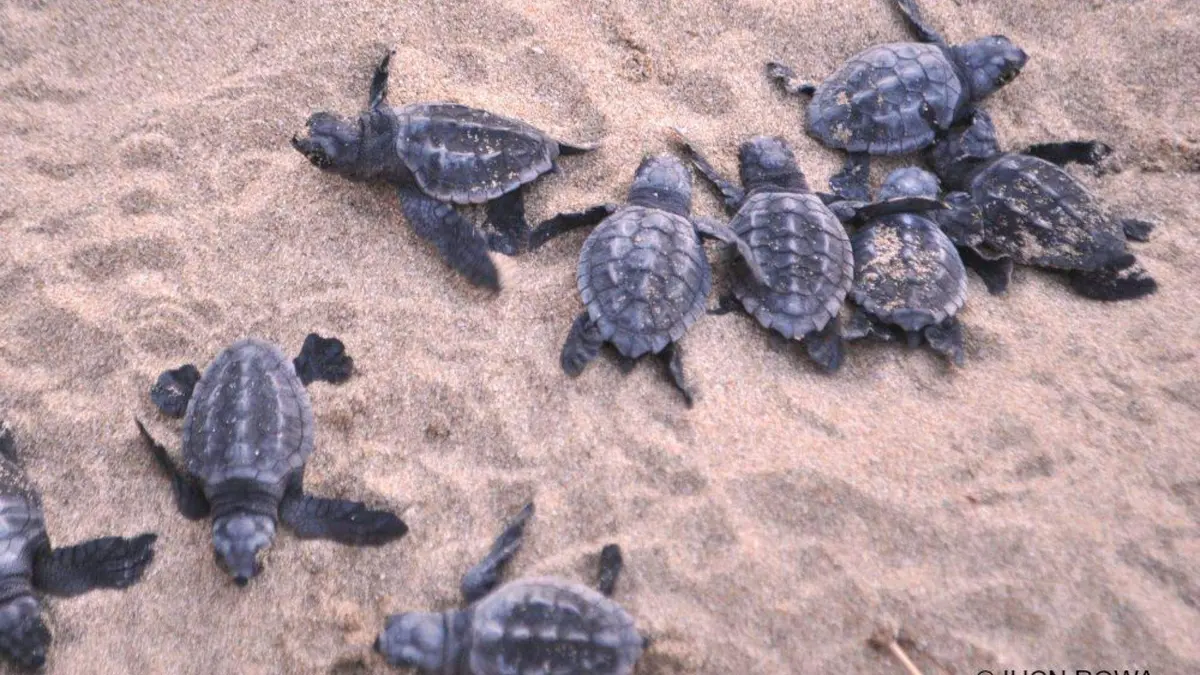
Sea turtles and why you shouldn’t walk south at night
The southern tip of the reserve is a nesting beach for both Loggerhead and Green sea turtles. Nesting runs roughly May through July, hatching August through October. After dark, access to the conservation zone is restricted because artificial light disorients hatchlings and sends them inland instead of toward the sea. Do not bring a flashlight down the beach after sunset in nesting season.
The other reason to walk south: freshwater reeds growing directly on the sand where artesian wells from the Ras El Ain springs push fresh water up through the dunes and into the Mediterranean. The brackish mix is rare in the eastern Mediterranean and worth the 20-minute walk from the Rest House hotel.
What makes the rocky northern coast worth visiting?
The northern and western shores of the peninsula are where Tyre stops feeling like a beach town and starts feeling like an archaeological site you can swim inside. Sandstone ledges drop straight into 10-15 feet (3-5 m) of clear water, restaurants are built on wooden platforms cantilevered over the rocks, and the submerged remains of the ancient Egyptian harbor sit under your fins.
Snorkeling the submerged Phoenician harbor
Most of the underwater ruins sit in just 3 to 10 feet (1 to 3 m) of water with visibility that regularly runs 30-50 feet (9-15 m). You will swim over:
- The remains of the ancient mole breakwater, a long line of squared stone blocks.
- Rectangular rock-cut quarries where limestone was hewn for city construction.
- Fallen granite columns — probably originally shipped from Aswan — lying on the seabed at odd angles.
Marked buoys guide snorkelers to the main features. Some restaurants (Al Jamal among them) rent masks and fins; a few Beirut-based dive operators run guided snorkel tours with historical narration when conditions allow.
Pro Tip: Water shoes are not optional on the rocky coast — sea urchins live in every crevice, and the exit ladders are slippery with algae. A pair of cheap reef shoes from a Beirut sporting-goods store ($10-15) will save your vacation.
Al Jamal — lunch that turns into sunset
Al Jamal is the defining experience of the rocky coast: a timber-deck restaurant built directly over the waves, with ladders welded to the platform edges so you can climb down, swim in deep blue for twenty minutes, come back up, and order another mezze round. The format encourages a 1 p.m. arrival and an 8 p.m. departure. The food is fresh and priced by weight, the wine list is short and mostly Lebanese (Ksara, Massaya, Ixsir), and yes — service can be sluggish on a packed Saturday. That is the trade-off for dining literally above the Mediterranean.
- Location: Al-Mina side of the peninsula, near the Christian Quarter and the modern fishing harbor
- Cost: $40-70/person for a full meal with wine; half that for mezze and drinks only
- Best for: Couples, long lunches, and anyone who wants to swim between courses
- Time needed: 4-6 hours — this is not a quick meal
- Good to know: Bring swim gear, a towel, and underwater camera if you have one
What else is worth seeing in Tyre beyond the beach?
Tyre has been a UNESCO World Heritage Site since 1984, and the two archaeological sites inside the city are genuinely under-visited compared to Baalbek or Byblos. You can pair either one with a beach day without feeling rushed.
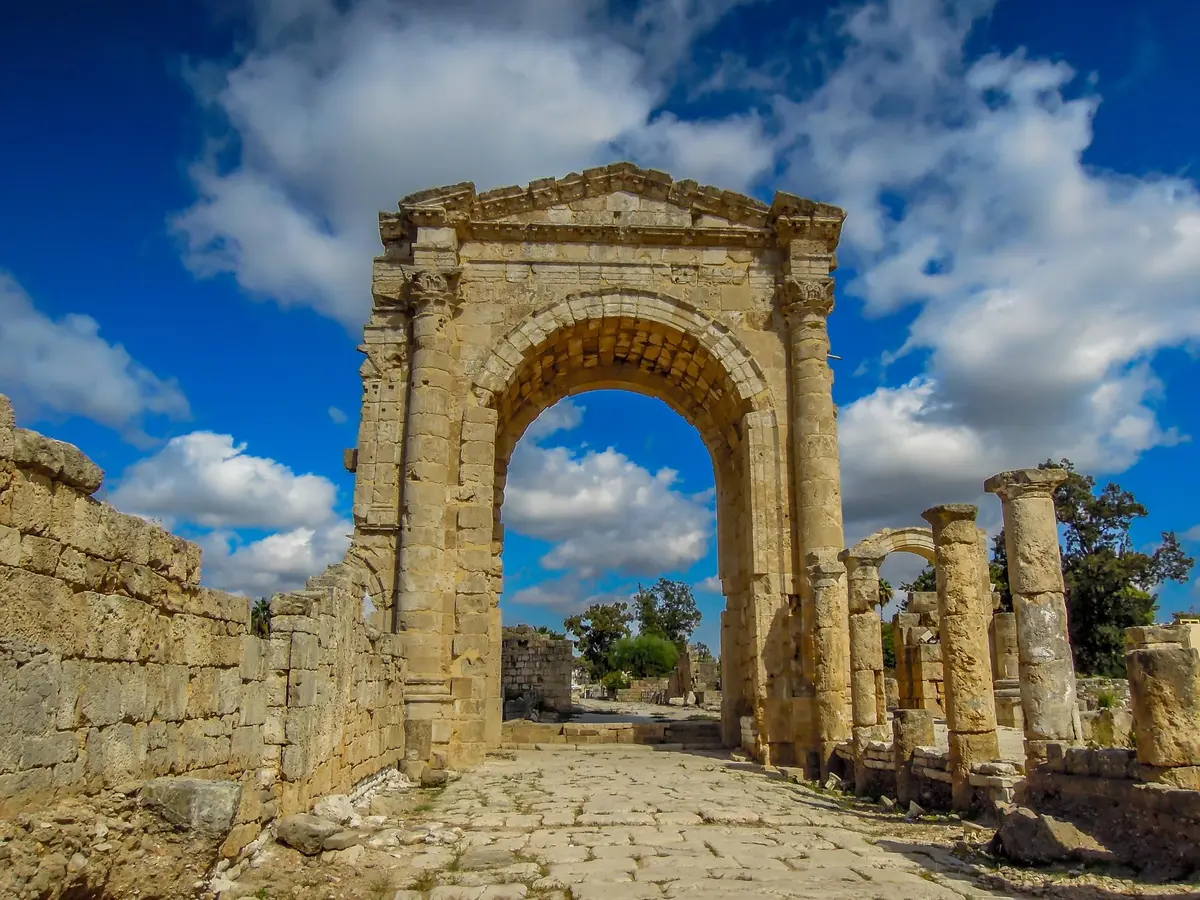
The Al-Bass site, about a 10-minute drive inland from the corniche, contains the largest Roman Hippodrome ever built (U-shaped, roughly 1,476 feet / 450 m long), a monumental Triumphal Arch still standing astride the original Roman road, and a substantial necropolis with decorated sarcophagi. Entry runs around $5-7 for adults. Mornings are empty; most tour buses only arrive after 11 a.m.
The Al-Mina “city site,” walking distance from the rocky restaurants, is more atmospheric: preserved mosaic streets, Roman bath complexes, and colonnaded avenues that dead-end at the modern fishing port where wooden boats painted blue and red bob next to 2,000-year-old columns. Allow an hour, more if you linger.
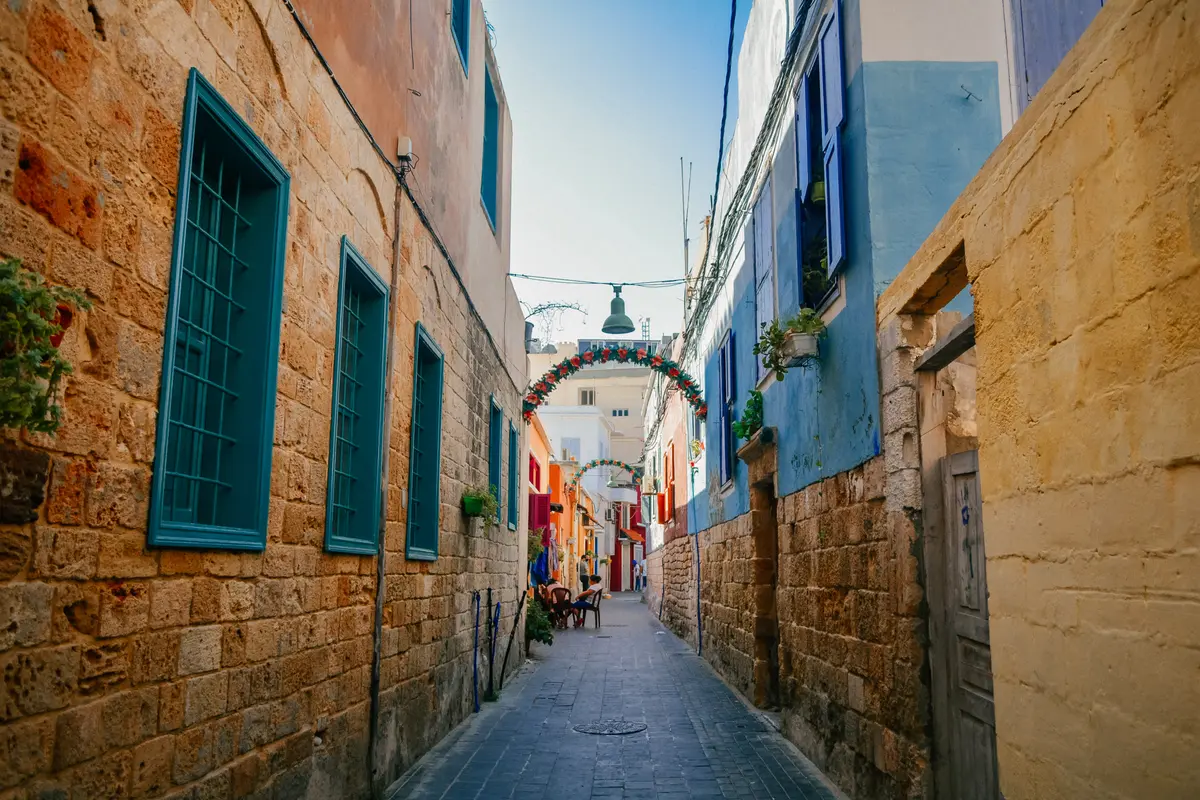
The Christian Quarter in the old town is the most photogenic few blocks in southern Lebanon: Ottoman-era stone houses with blue shutters, climbing bougainvillea, and narrow lanes that occasionally spit you out at the harbor. A handful of boutique hotels occupy restored heritage buildings here.
Where should you eat and drink in Tyre?
Tyre eats better than its size suggests, mostly because the fishing fleet lands its catch every morning at the Al-Mina harbor. The short version:
- Mahfouz (Old Souk): Breakfast institution. Order the Fatayel — marinated beef tenderloin grilled and stuffed into pita with tarator (sesame) sauce. Around $4-6, and worth the walk across the souk.
- Cloud 59 (Public Beach): Covered above. Sandy beach crowd, mezze and cold beer.
- Al Jamal (Al-Mina rocks): Covered above. Premium seafood, swim between courses.
- Le Phénicien (Harbor): The city’s fine-dining staple, right on the fishing harbor. Mains $18-30, best for a sit-down dinner when you’re not in a swimsuit.
- Harbor corniche carts: Boiled corn, lupini beans (tirmis), and grilled corn-on-the-cob for under $2 each. Cash only.
Pro Tip: If you want to eat sayadieh (spiced fish and rice) the way Tyre does it, order it at Le Phénicien and call a day ahead — it’s a slow-cook dish that isn’t always on the daily menu.
How do you get to Tyre from Beirut?
The drive is 50 miles (80 km) south on the coastal highway (M1), and it takes 1.5 to 2 hours in normal traffic — longer on Friday afternoons and Sunday evenings when the south empties back toward Beirut. You will pass through Lebanese Army checkpoints where a passport is usually all you need to show.
Four transport options, ranked by comfort:
- Private taxi / hotel transfer: $60-90 one way. Air-conditioned, door-to-door, the driver waits or returns later. Easiest for first-timers.
- Service taxi (shared sedan): $15-20 per seat from Cola Intersection in Beirut. Faster than the bus, cramped, leaves when full.
- Connexion Bus: $3-5 one way. Modern AC coaches, fixed schedule, departs from Charles Helou or Cola depending on the line. Best value for solo budget travelers.
- Public van: $2-3 one way. No AC, erratic stops, not recommended unless you speak Arabic and have time to spare.
Whichever you pick, leave Beirut before 9 a.m. heading south and before 4 p.m. heading back on Sundays. The return bottleneck through Sidon can add an hour to any trip.
Where should you stay in Tyre?
Accommodation is thin relative to demand, so book two to four weeks ahead for summer weekends. Three categories to consider:
- Rest House Tyre (beachfront resort): The only full-scale resort, with pools, lawns, private sand, and on-site security. Reliable if uninspired. Doubles from around $120-180/night in season.
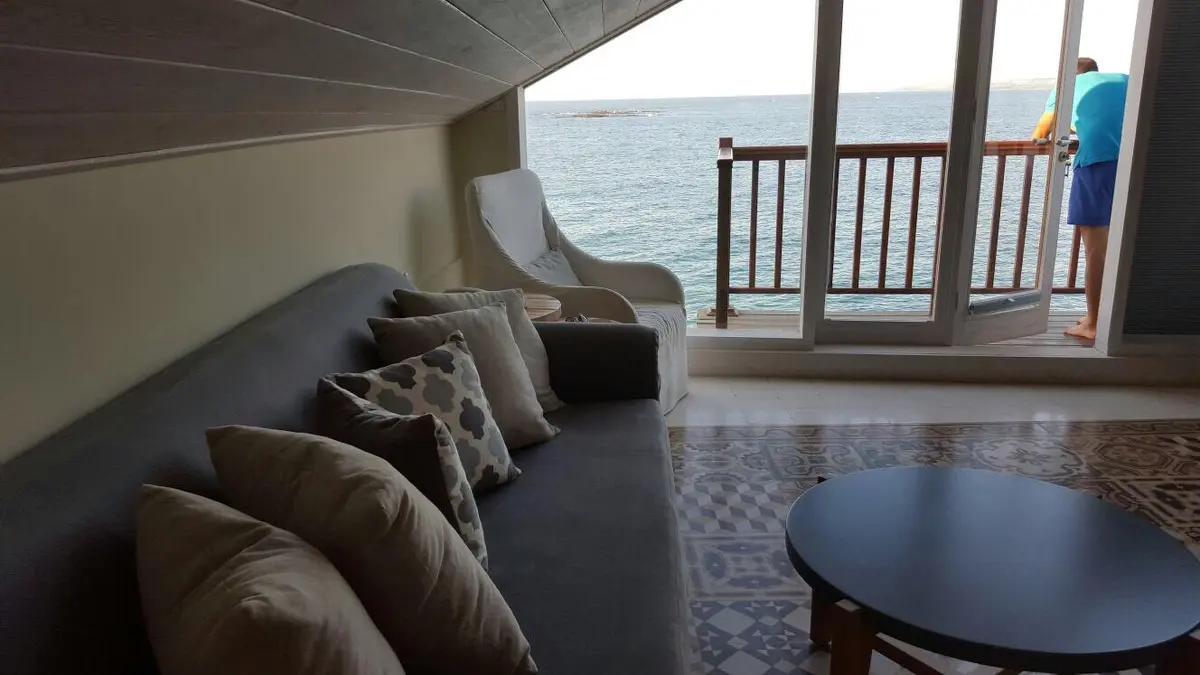
- Boutique heritage hotels in the Christian Quarter: Dar Alma (waterfront, small, Instagram-famous) and Dar Camelia (courtyard, quieter) both restore Ottoman-era houses. Doubles $100-160. Book far ahead — each has under 10 rooms.
- Short-term rentals: Airbnbs along the corniche and in the old town run $50-100/night, often with kitchens and multiple bedrooms. Best value for families and groups of 4+.
Pro Tip: Confirm with the host whether the building has a backup generator and how many hours of municipal power you’ll actually get. Lebanon’s grid delivers only 2-4 hours of state electricity a day in most areas, and generator schedules vary building to building.
What practical details should US travelers know?
Money, dress, packing, and timing — the short version every first-time visitor needs.
Currency: The economy runs on US dollars. Hotel rates, restaurant menus, and most tourist-facing prices are quoted in USD. Bring crisp, clean bills ($20s and $50s work best); torn, marked, or pre-2013 notes are frequently rejected. ATMs are unreliable — pull cash in Beirut before heading south, and assume nothing outside the Rest House takes cards.
Dress code: On the sand and on the rocks, bikinis, one-pieces, and swim shorts are standard and uncontroversial. Walking through the old souk, visiting Al-Bass, or eating at a non-beach restaurant, cover shoulders and knees — a light linen shirt and shorts to the knee is plenty. Nothing about Tyre requires a headscarf, but the mixed population means you’ll see both hijab and tank tops on the same corniche bench.
Packing essentials:
- Water shoes for the rocky coast (non-negotiable)
- Reef-safe sunscreen (the sun here is stronger than Miami by a meaningful margin)
- A Lebanese SIM card from Alfa or Touch at Beirut airport — roaming is expensive and patchy
- Cash belt for USD; card-only travelers will struggle
- A power bank — you will hit dead outlets at some point
Weather by month:
- May: 75-85°F (24-29°C), water at 72°F (22°C), quiet and pleasant
- June–July: 82-92°F (28-33°C), water 77-82°F (25-28°C), nesting turtles on the south beach
- August: 85-95°F (29-35°C), occasionally 100°F+ (38°C+), peak crowds
- September: Like July in reverse — warm water, thinning crowds, best overall month
- October–April: Off-season; most kiosks closed, rocky-side restaurants scale back
The bottom line
TL;DR: Tyre Lebanon beaches are objectively the best stretch of public sand among Lebanon’s beaches — free sandy shores at the Tyre Coast Nature Reserve, cheap seafood at Cloud 59, underwater Phoenician ruins you can snorkel over, and a medieval Christian Quarter next door. But the US State Department maintains a Level 4 “Do Not Travel” advisory for all of southern Lebanon as of early 2026, and there is no responsible way to tell a US tourist to go right now. Bookmark this guide for when the advisory lifts.
The three things that separate Tyre from any other Mediterranean beach town — shallow public sand, submerged archaeology, and prices a third of what Beirut charges — are not going anywhere. The moment the south is green-lit again, this is the first Lebanese destination worth flying for, and the priority update for our broader Lebanon travel guide.
Have you been to Tyre before the conflict, or are you holding a trip for when things settle? Tell me in the comments what you want the next update of this guide to cover.