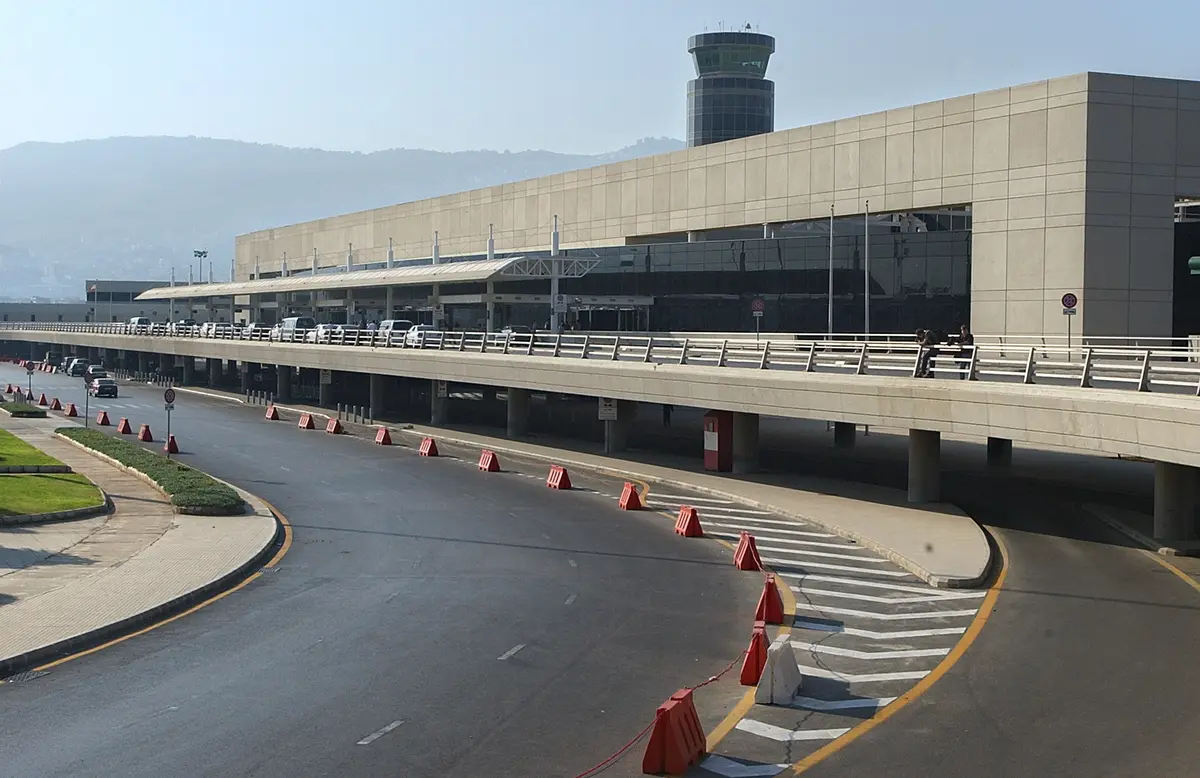
Beirut Rafic Hariri International Airport (BEY) is a dollarized, cash-first arrivals hall where the friction starts before your bag hits the carousel. A smooth Beirut airport transfer comes down to three decisions made before you land: your SIM, your cash, and your ride. Get those right and you’re in Hamra in 20 minutes.
Is there a fixed price for a taxi from Beirut airport?
Yes. Lebanon’s Ministry of Public Works and Transport introduced a unified fixed-tariff system for official White Taxis at BEY, with rates posted on QR code signs in the arrivals hall and at the taxi stand. Rates start at $18 to central Beirut (Hamra, Achrafieh), $26–$30 to Jounieh, $43 to Byblos, and up to $60 to Tyre or Tripoli. Treat the posted rate as your ceiling.
Enforcement is inconsistent. Some drivers still test passengers by quoting higher fares and citing “night hours” or “traffic” as the reason. The meter exists but is almost never used. Agree on the exact dollar amount through the window before any luggage touches the trunk — see the scam section below for why this matters.
Pro Tip: Screenshot the QR code rates on your phone while you wait for bags. Showing a driver the official Ministry tariff on your screen shuts down 90% of overcharge attempts without an argument.
How do you get internet at Beirut airport on arrival?
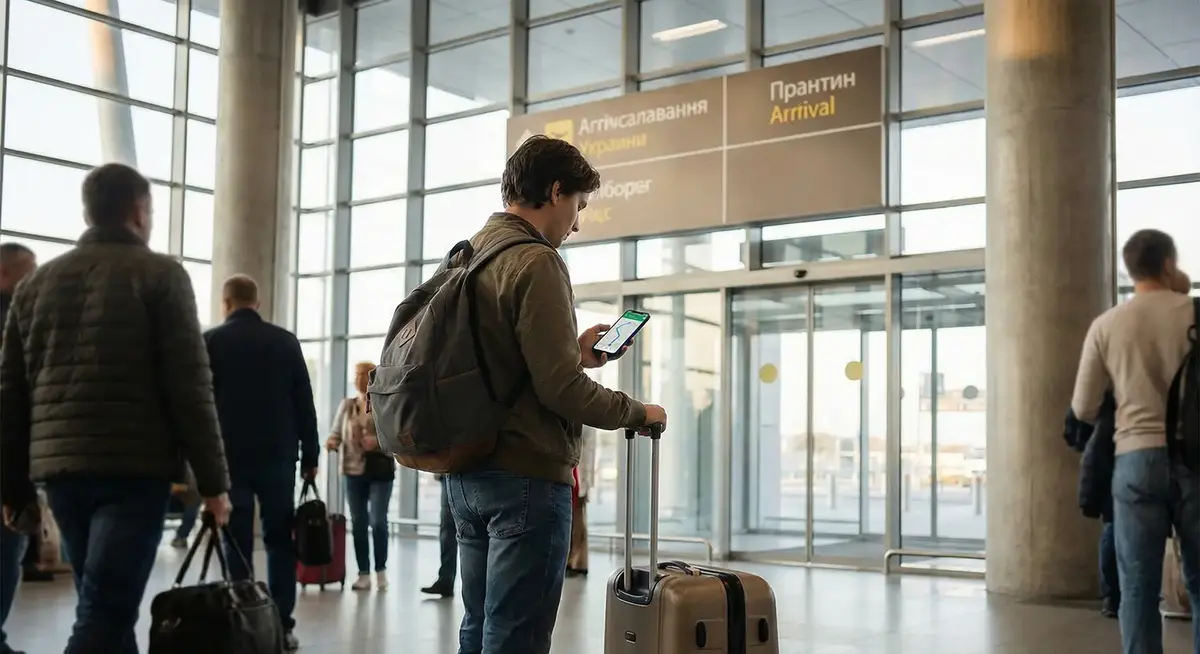
The reliable answer is to activate a Lebanon eSIM before you fly — Airalo, SimLocal, or Holafly all sell Lebanon plans that connect to Touch or Alfa’s network the moment you land. The free airport WiFi (BRHIA-Free) works on paper but collapses during peak arrivals and cuts out at the pickup curb. Skip the CityFone SIM kiosks inside arrivals; they charge premium rates for the same packages that cost half as much at official Touch or Alfa stores in the city.
BRHIA-Free gives you 30 to 60 minutes of access in theory. In practice it dies whenever a widebody lands — which is the exact moment you need it to message a driver.
Why an eSIM is the right call for Beirut
Activate an eSIM before boarding. Airalo, SimLocal, and Holafly all sell Lebanon plans that attach to Touch or Alfa’s network, and your phone switches on with data the second you touch down.
- What you get: Data the moment wheels hit the runway
- Why it matters: You can message your hotel, open Uber, or pull up the tariff QR code before you even clear immigration
- Cost: Roughly $10–$20 for 5–10 GB on most providers, cheaper than an airport kiosk SIM
- Requirement: Your phone must be eSIM-compatible and carrier-unlocked
Pro Tip: Set the eSIM as your data line but keep your home SIM active for SMS. Lebanese bank authentication codes, some rideshare logins, and certain hotel bookings still text your primary number.
Do you need cash for Beirut airport, and how much?
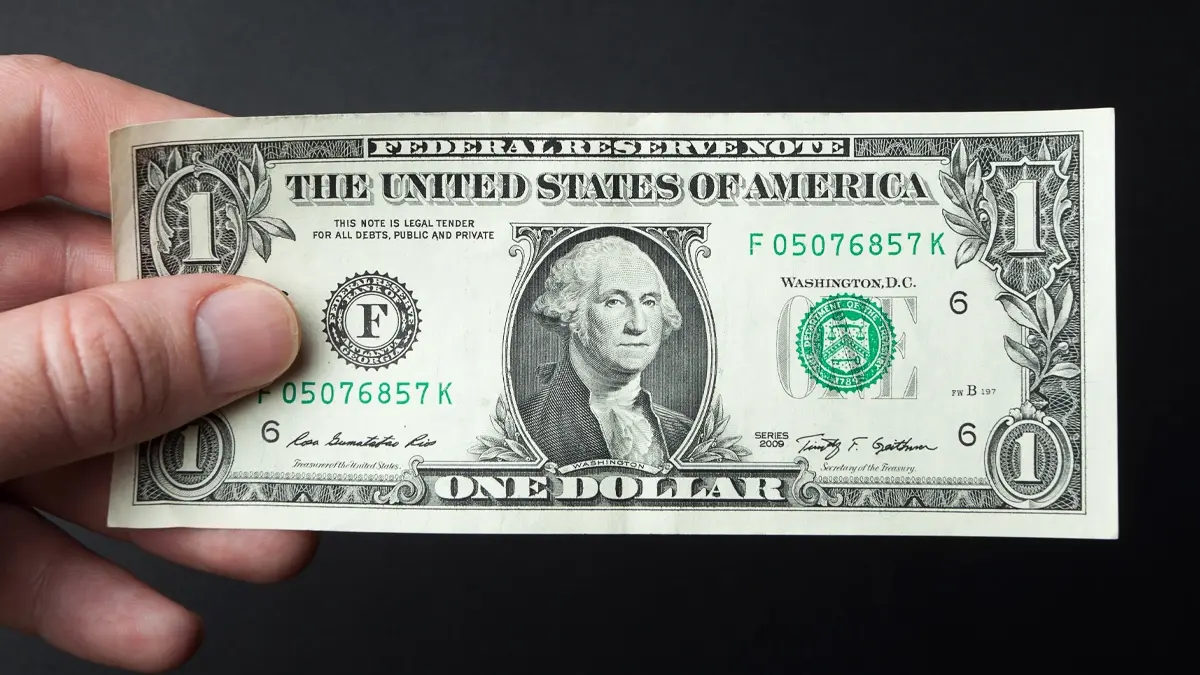
Yes — bring $200 to $300 in small US dollar bills ($1s, $5s, $10s, $20s) for your first 24 hours. Lebanon’s currency system runs on USD, nearly every vendor and taxi is paid in cash, and airport ATMs are unreliable — often empty, and when they dispense Lebanese Lira it’s at an off-market rate. Card terminals exist at chain hotels and some restaurants but are rare in taxis.
The “no change” problem is the real one. I watched a traveler hand a $50 bill for a $20 ride, hear “no change” from the driver, and walk away $30 poorer. If you have the $20 in hand, that conversation never happens.
- Recommended starter cash: $200–$300 in small bills for your first 24 hours
- Highest-value denominations: $1s and $5s for taxi change and tips
- What to avoid: $100 bills at the airport — no one wants to break them
- Backup: A Wise or Revolut card for when you do find a working terminal
What are the best private transfer companies from Beirut airport?
For first-time visitors, a pre-booked private transfer is the lowest-friction option. You pay a small premium over a negotiated White Taxi, and in exchange you get a fixed price, an English-speaking driver, flight tracking, and a meet-and-greet at the customs exit with your name on a sign. For a jet-lagged arrival in a cash-only, dollarized country, that accountability is worth the $5–$10 extra.
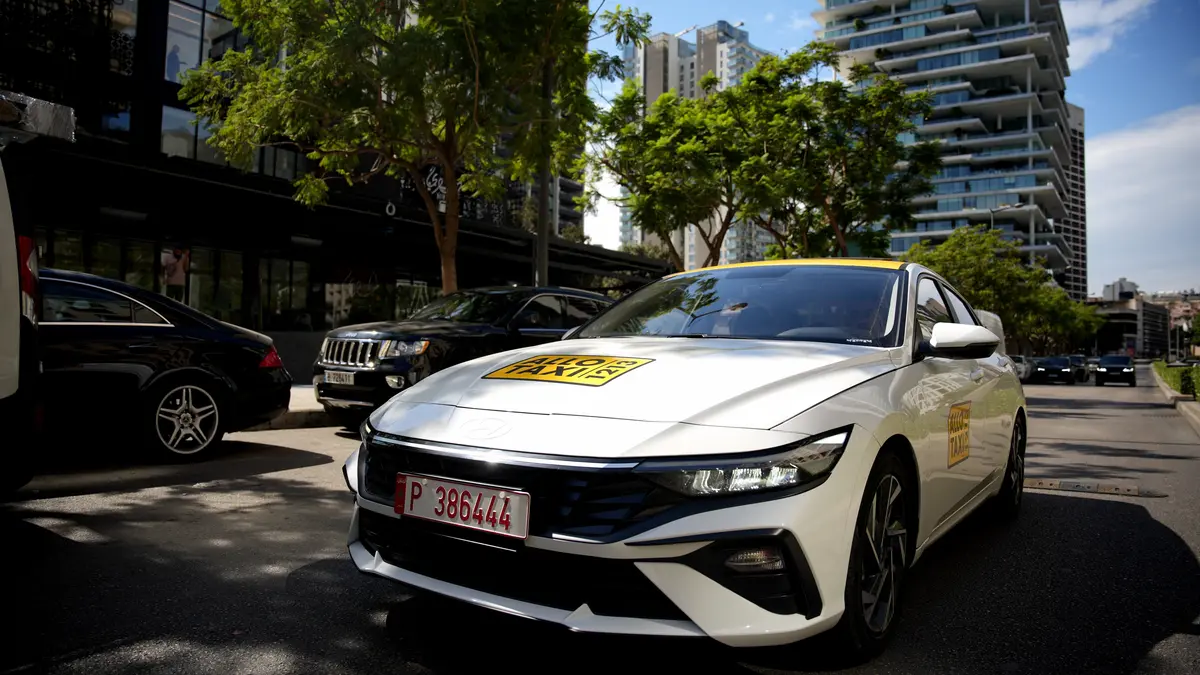
Allo Taxi
Corporate-run fleet with a centralized dispatcher, uniformed drivers, and a mix of modern sedans and hybrids. Their Meet & Greet package puts a driver at the customs exit holding a sign with your name. Good middle-ground choice — more reliable than a random White Taxi, less expensive than the executive tier.
- Location: Pickup at customs exit (Meet & Greet) or Arrivals curb
- Cost: Around $20–$25 to central Beirut
- Best for: First-time visitors who want hand-holding without paying executive prices
- Time from BEY to Hamra: 20 minutes off-peak, 40+ in rush hour
Charlie Taxi
Positioned as the executive option. English-speaking drivers trained in defensive driving, late-model black sedans, and the go-to service for corporate travelers, diplomats, and NGOs rotating through the Four Seasons and the Phoenicia. You pay for it.
- Location: Arrivals curb pickup, Meet & Greet available
- Cost: Around $30–$40 to central Beirut
- Best for: Business travelers, anyone arriving late at night, risk-averse first-timers
- Time from BEY to Hamra: 20 minutes off-peak
Welcome Pickups
The tourist-facing option. Drivers lean into the local-host role — they’ll answer your questions about neighborhoods, restaurants, and currency exchange on the ride in. Flights are tracked automatically, so a delayed arrival doesn’t mean a lost driver. Fixed price paid in advance through the app.
- Location: Meet & Greet at customs exit standard
- Cost: Around $22–$30 to central Beirut (fixed, pre-paid)
- Best for: Travelers who want a fare locked in before they fly
- Time from BEY to Hamra: 20 minutes off-peak
CTaxi
Digital-first, distance-based pricing published upfront on their browser-based platform — no app install required. Transparent about their airport pickup surcharge, which I appreciate. Fleet quality varies more than the executive options.
- Location: Arrivals curb or Departures-level pickup
- Cost: Around $18–$25 to central Beirut
- Best for: Budget-conscious travelers who want transparency without executive pricing
- Time from BEY to Hamra: 20 minutes off-peak
Pro Tip: Book with Meet & Greet the first time even if it costs $5 more. After a 12-hour flight, the difference between spotting your driver at the customs exit versus hunting him down at a chaotic arrivals curb is worth it.
How do Uber and Bolt work at Beirut airport?
Uber and Bolt both operate in Beirut and have largely replaced street-hailed taxis for locals. InDrive is the third app in circulation. Careem pulled out of Lebanon during the economic crisis and is no longer an option. For an airport pickup, you need to know one local workaround that nobody tells you in advance.
Use the Departures level for pickup, not Arrivals
Drivers will instruct you to take the elevator one level up to Departures and meet them at the drop-off curb. This is universal practice — they do it to avoid parking fees and slow lanes on the Arrivals side. If you stand at Arrivals waiting for your Uber, you’ll wait 15 minutes and get a cancellation.
Choosing the right ride tier
- UberX: Standard sedan. Quality ranges from pristine to “this car has seen things.” Cheapest option.
- UberXL / Uber Comfort: Larger vehicle, worth it for airport runs since standard taxi trunks are often full of a spare tire and the driver’s tools.
- Bolt: Typically 10–20% cheaper than Uber but with older vehicles. Select “Bolt Comfort” or “XL” if functioning AC in summer matters to you.
- InDrive: You name your price and drivers accept or counter. Works if you know the route and the fair rate; terrible if you don’t.
Pro Tip: On Uber and Bolt in Lebanon, drivers frequently call or message you before accepting to “confirm the price” — a workaround to negotiate above the app estimate. If the driver tries this, decline and request another. A legitimate fare won’t require side negotiation.
Should you take a shared service taxi from Beirut airport?
No. The service (pronounced “ser-VEES”) — Beirut’s shared taxi system where you split a car with other passengers for around $2–$3 per seat — is excellent once you’re in the city, but it’s the wrong choice for an airport arrival. Service taxis can’t access the arrivals curb, there’s no luggage space, and catching one means rolling bags across active traffic on the Airport Highway. Save the service for after you’ve checked in.
To catch one from BEY, you’d have to walk out to the main road and flag down a passing car that may or may not be going your direction. Service cars pool passengers and won’t depart until full. Standing roadside with suitcases in the southern suburbs — especially at night — is exactly the visibility profile you don’t want.
Where are you headed, and what should it actually cost?
From BEY, expect $15–$20 and 20 minutes to reach Hamra or downtown Beirut, $18–$25 to Achrafieh, $26–$35 to Jounieh, $40–$50 to Byblos, and up to $60 for Tyre or Tripoli. These ranges combine the official Ministry tariff with typical private-transfer markups. Add 40%+ to travel time if you land during rush hour — traffic through the Cola intersection is reliably awful between 7–10 a.m. and 4–7 p.m.
- Hamra (cultural hub, most hotels): $15–$20 official White Taxi, 20 minutes off-peak, expect 40+ minutes if you hit the Cola intersection during rush hour
- Downtown / Beirut Central District: $18–$22, 20–25 minutes, generally smoother traffic
- Achrafieh / Mar Mikhael / Gemmayzeh: $18–$25, 25–30 minutes, cross-town traffic through narrow streets
- Jounieh (coastal north): $26–$35, 40–60 minutes, only one coastal highway so congestion is guaranteed at peak hours
- Byblos: $40–$50, 60–75 minutes
- Tyre or Tripoli: Up to $60, 90+ minutes each direction
The 8-km airport road to downtown was resurfaced and re-signed after damage from the recent conflict, so the drive in is smoother than it was a couple of years ago. Lighting along the route has also been upgraded.
Pro Tip: If you land after 10 p.m., add 30% to every time estimate above — but subtract 15% from traffic times. Roads clear out late, but arrivals hall processing slows down with fewer immigration officers on duty.

How do you avoid getting scammed at Beirut airport?
Most BEY scams are the same two tricks in different costumes. The airport area sits in Beirut’s southern suburbs and you’ll pass Lebanese Army checkpoints on the way in — those are routine security stops, not scams. The real risks are at the taxi stand and in the first 100 yards outside arrivals.
The currency switcheroo
A driver quotes “twenty” for the ride. You assume he means 20,000 Lira (roughly $0.22 at current rates). At the destination, he says the price is $20 USD and refuses to leave until you pay. This trick works because Lebanon quotes prices in both currencies casually, often in the same sentence.
Kill it by stating the full phrase out loud: “Twenty US dollars, agreed?” Get a yes before the doors close. If the driver hedges or says “same thing,” get out and find another car.
The hostage trunk
The driver loads your suitcases before you settle on a price. Once the trunk is shut, you’ve lost your negotiating power — walking away means abandoning your luggage. The driver then doubles the fare, knowing you’ll pay.
Always negotiate through the passenger window before any bag moves. If the driver insists on loading first, that’s your signal to pick a different car.
Aggressive touts inside the terminal
Men approaching you between baggage claim and the exit offering “taxi, taxi, best price” are unregistered solicitors — real licensed taxis stay at the official stand outside. Do not follow anyone into the parking lot. If you booked a private transfer, your driver will be holding a sign with your name at the customs exit, not wandering the arrivals hall.
Planning your return: how early should you arrive at BEY for departure?
Arrive three hours before departure, especially for morning flights. BEY has multiple security layers including baggage screening before you can enter the check-in hall, and morning peak backs up fast. Private cars and taxis drop passengers at the Departures-level curb, same as the Uber pickup hack on arrival.
The duty-free section is solid — spirits, Lebanese wine, cedar-themed everything, and a decent perfume selection. This is where those $1 and $5 bills find a home if you want to burn through remaining cash rather than converting back.
- International flights (mornings): Arrive 3 hours early
- International flights (afternoon/evening): 2.5 hours is usually enough
- Check-in closes: Typically 45 minutes before departure
- Security screening: Two checkpoints — building entry and gate — so build in buffer
The bottom line
TL;DR: Activate an eSIM before you fly, land with $200–$300 in small USD bills, and either pre-book a private transfer (Allo Taxi, Welcome Pickups, CTaxi, or Charlie Taxi) or take an official White Taxi at the posted Ministry tariff — $18 to central Beirut. Uber and Bolt work but require Departures-level pickup. Skip the service taxis and skip the airport SIM kiosks. Everything else is noise. For the bigger picture beyond the airport run, our full Lebanon travel guide covers every region, season, and logistics question.
What’s your biggest concern about landing in Beirut — the taxi negotiation, the cash logistics, or something else entirely? Drop it in the comments and I’ll tell you what to expect.