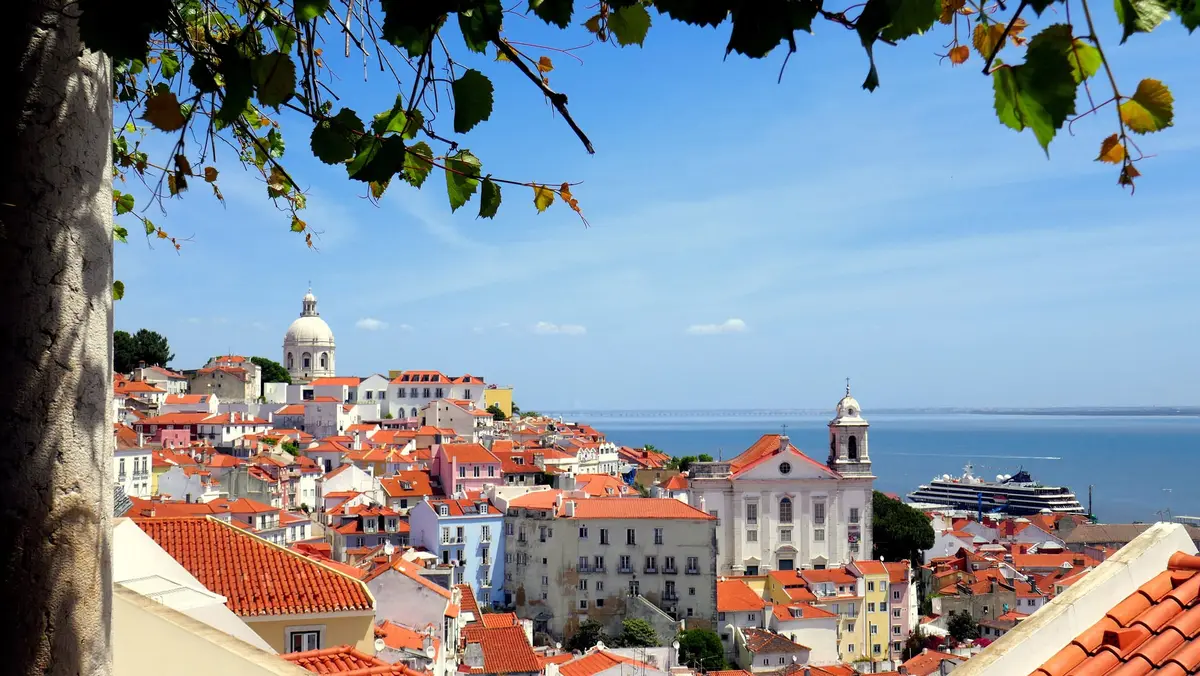
The best things to buy in Portugal aren’t in the souvenir shops near the Alfama tram stops. From hand-painted azulejos still made using 18th-century techniques to tinned fish that improves with age in the can, Portuguese crafts tell actual stories. This guide cuts through the tourist-grade copies to find the real thing — and exactly where to get it.
What makes an authentic Portuguese azulejo worth buying?
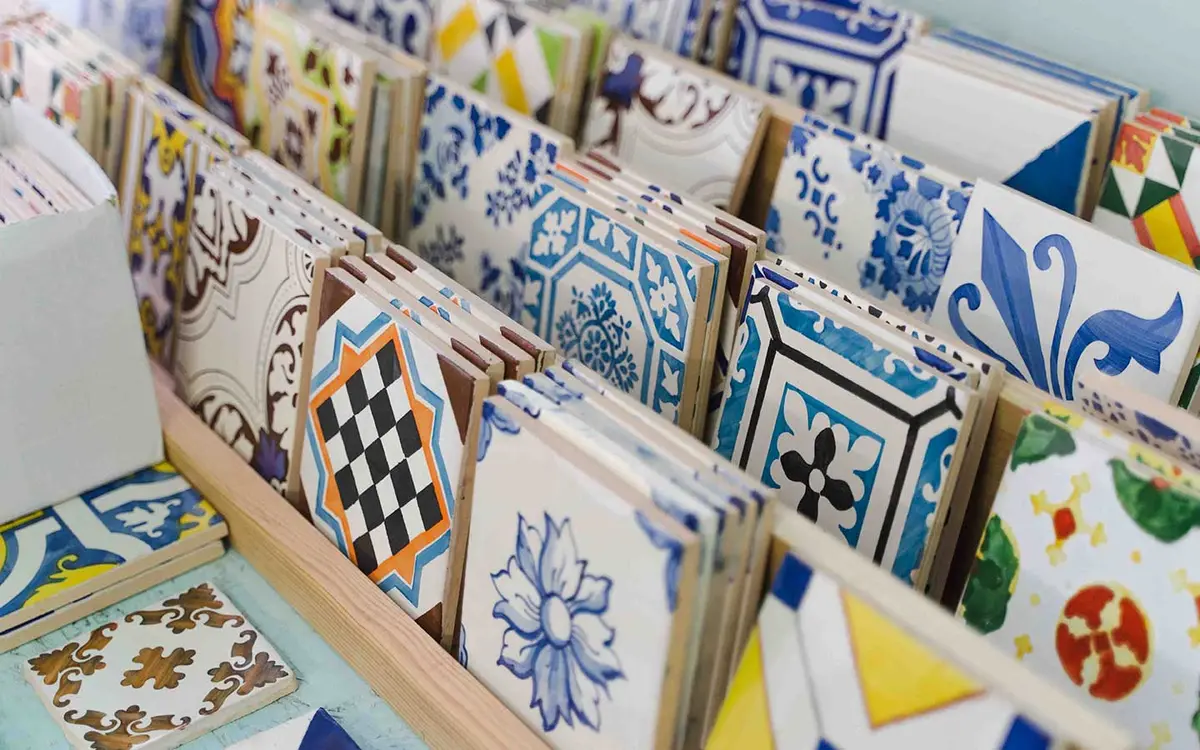
Authentic Portuguese azulejos fall into three categories: antique originals (15th to 19th century), discontinued factory stock, and contemporary hand-painted reproductions. Each carries a different price, ethical weight, and travel practicality. The right choice depends on your budget and what story you want the tile to tell when it’s hanging on your wall at home.
Solar Antiques — certified provenance, Príncipe Real
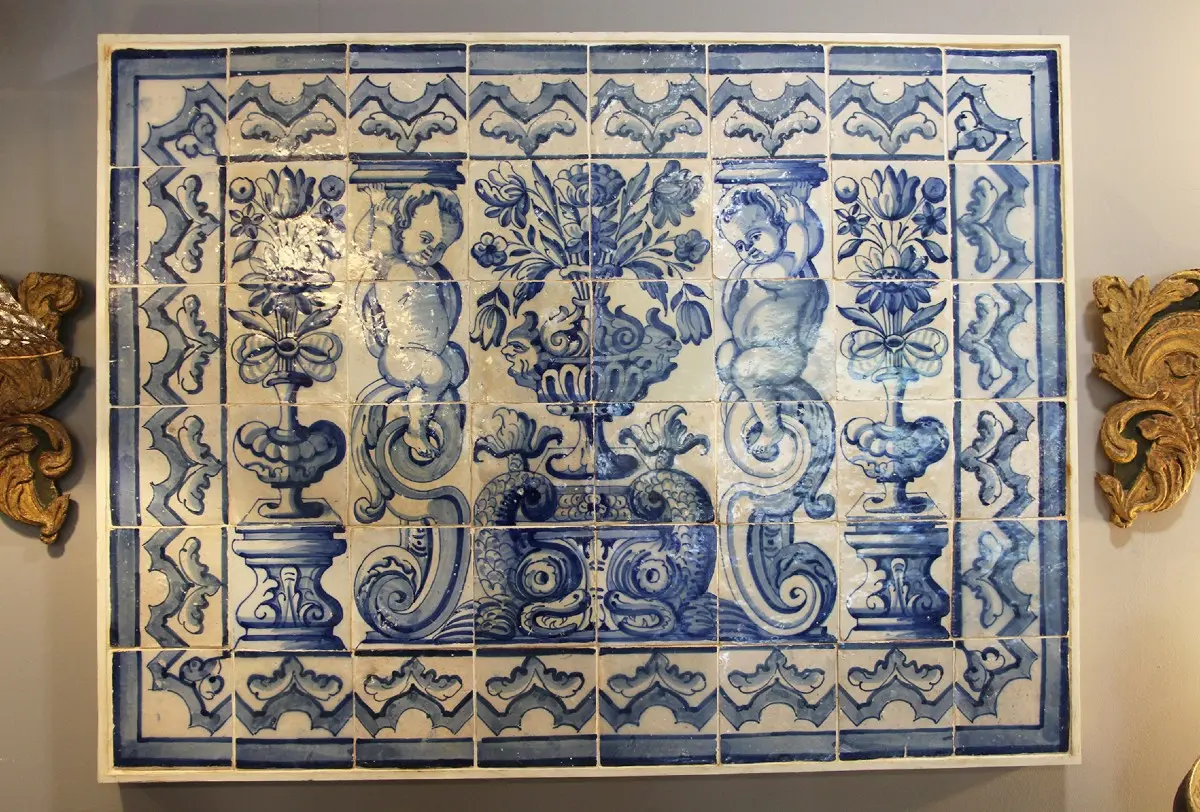
The black market problem surrounding antique azulejos is real. Thieves chisel tiles off historic building facades across Lisbon — it is cultural theft, and you do not want any part of it. Solar Antiques operates like a gallery: the owner, now a third-generation tile dealer, maintains detailed provenance records for every piece. You’ll find everything from single geometric tiles to complete baroque azulejo panels depicting hunting scenes or religious imagery.
On my last visit, the owner spent 20 minutes explaining the origin of a single blue-and-white panel — the kind of transaction that simply does not happen in a souvenir shop. Individual 19th-century tiles start around €35 (~$40); rare 17th-century baroque panels command several hundred euros and up.
- Location: Rua Dom Pedro V 70, Príncipe Real, Lisbon
- Cost: from ~€35 (~$40) per tile; rare panels from €500+ (~$575+)
- Best for: Serious collectors; travelers who want museum-grade documentation
- Visit time: Allow 30-45 minutes
Pro Tip: Solar Antiques closes on Saturdays in July and August, on top of its standard Sunday closure. Visit on a Tuesday or Wednesday morning when the shop is quietest and the owner has time to walk you through provenance properly.
XVIII – Azulejo & Faiança — watch the artisans paint, Alfama
Near Miradouro de Santa Luzia in Alfama, XVIII specializes in faithful 18th-century reproductions. The real authentication is in the shop itself: artisans work at benches visible from the sales floor. You watch the “handmade” claim happening in real time rather than reading it on a label.
- Location: Near Miradouro de Santa Luzia, Alfama, Lisbon
- Cost: ~€15-€40 (~$17-$46) per tile
- Best for: Travelers who want the 18th-century aesthetic without antique pricing or ethical ambiguity
- Visit time: 20-30 minutes
Viúva Lamego — a working factory, not a showroom
Founded in 1849 and still producing today, Viúva Lamego bridges historical production techniques with contemporary architecture — the factory has collaborated with internationally recognized architects and continues to push the design language forward. The tiles are technically precise and genuinely handcrafted, though the aesthetic leans toward the modern end of the traditional spectrum. If you want something unmistakably Portuguese but designed in this era, this is the source.
- Location: Calçada do Intendente 25, Intendente, Lisbon
- Cost: ~€20-€80+ (~$23-$92+) depending on size and complexity
- Best for: Buyers who want living craftsmanship over reproduction or antique
- Visit time: 30-45 minutes
What Portuguese ceramics are worth bringing home?
Two ceramic traditions stand apart: Bordallo Pinheiro’s naturalistic tableware, cast from actual vegetable and animal molds, and the geometric Coimbra style rooted in 17th-century Moorish influences. Both are used daily in Portuguese homes, widely available across the country, and distinct enough that no one back home will mistake them for Italian or Spanish work.
Bordallo Pinheiro — the swallow and the cabbage leaf
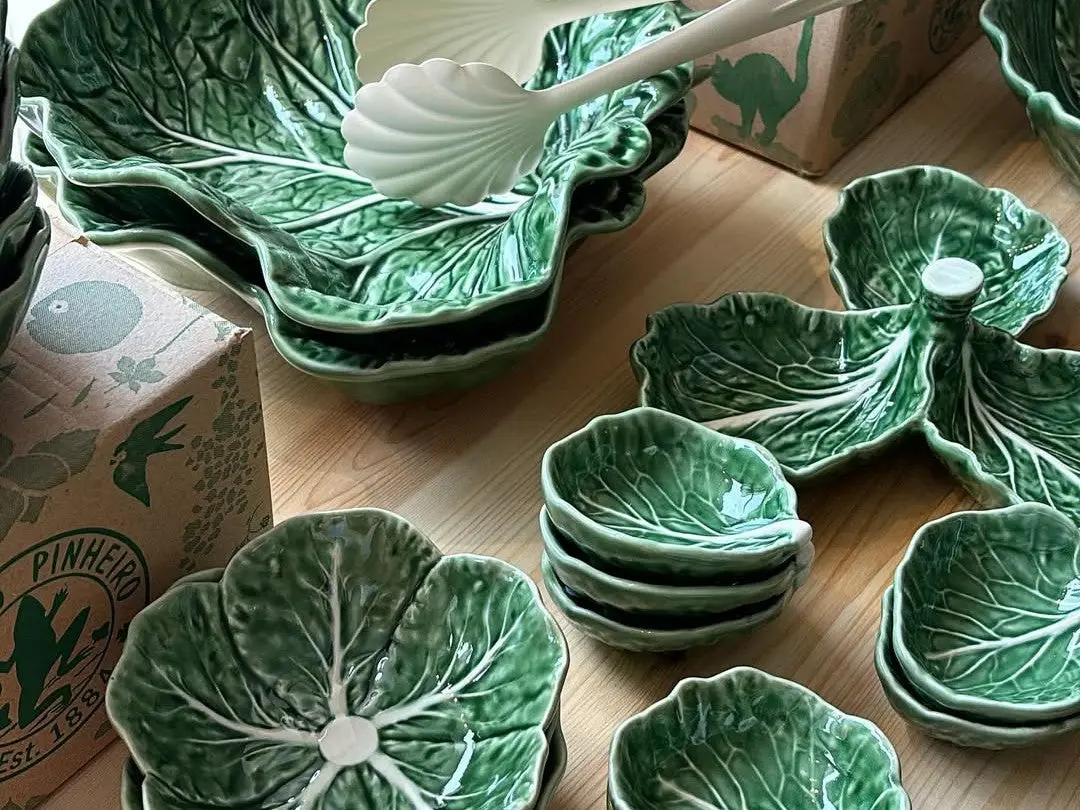
Bordallo Pinheiro’s cabbage-leaf bowls and plates are cast from actual vegetable molds — run your finger along the underside and you can feel the veining in the glaze. His ceramic swallows (andorinhas) represent family and loyalty because the birds return to the same nest every year, a tangible embodiment of saudade. The designs are popular enough that cheap plastic knockoffs now circulate in tourist shops; the real thing is heavier, shows visible hand-painting variation between pieces, and carries the Bordallo Pinheiro mark stamped on the base.
- Location: Bordallo Pinheiro flagship, Largo do Intendente Pina Manique, Lisbon; also stocked at A Vida Portuguesa
- Cost: plates from ~€30 (~$35); serving dishes from ~€60-€100+ (~$69-$115+)
- Best for: Table enthusiasts; anyone who wants a piece that sees daily use
- Visit time: 20-30 minutes
Pro Tip: Buy directly at the Bordallo Pinheiro flagship or A Vida Portuguesa rather than in souvenir shops. The pricing is similar but the selection includes limited runs that don’t reach smaller retailers, and you won’t spend ten minutes verifying whether the piece is genuine.
Coimbra ceramics — the geometric style from central Portugal
Coimbra ceramics use yellows, greens, and ochres rather than the standard blue-and-white palette, with intricate geometric patterns rooted in 17th-century Moorish influences. Deer and hares appear frequently, painted with fine-line detail that takes time to study. They tend to be less saturated in tourist shops than Bordallo Pinheiro pieces — which makes them a stronger conversation piece at the dinner table.
How do you spot quality Portuguese cork?
Portugal produces roughly half the world’s cork supply, and most of what you’ll find near the tourist tram stops is low-grade agglomerate — cork dust pressed together with adhesive that cracks within months. Quality cork leather feels warm, pliable, and slightly suede-like, close to the texture of a thick chamois cloth. Look for the APCOR certification seal or source labeling from Alentejo’s Montado forest system before you buy.
The process of harvesting cork is one of the better environmental stories in materials manufacturing. Cork oak bark is stripped every nine years without harming the tree, and the regrowth cycle captures more carbon than unharvested trees would. But not all cork is equal, and the souvenir shops are full of the bad kind.
The cheap wallets stacked in souvenir windows are low-grade agglomerate: cork dust pressed together with adhesive. Quality cork leather feels warm, pliable, and slightly suede-like — close to the texture of a thick chamois cloth. If it’s stiff out of the bag, if visible compressed granules show through the surface, put it back.
The weight difference is immediately noticeable: quality cork handbags weigh almost nothing, which makes them practical for daily use long after you’ve unpacked.
- What to buy: Handbags, wallets, and laptop sleeves (naturally water-resistant and hypoallergenic); cork yoga mats (superior grip when wet); cork sneakers with better shock absorption than most synthetic soles
- How to verify quality: APCOR seal or Alentejo/Montado source labeling; material should feel pliable and warm, not brittle
- Price range for genuine pieces: ~€40-€150+ (~$46-$173+) for bags and wallets
Pro Tip: Skip the cork keychains and fridge magnets entirely. The margin on tourist-grade agglomerate is high, the quality is consistently poor, and the items don’t last. Spend the same money on a single quality wallet and it will still look good in five years.
What is Portuguese filigree and how do you authenticate it?
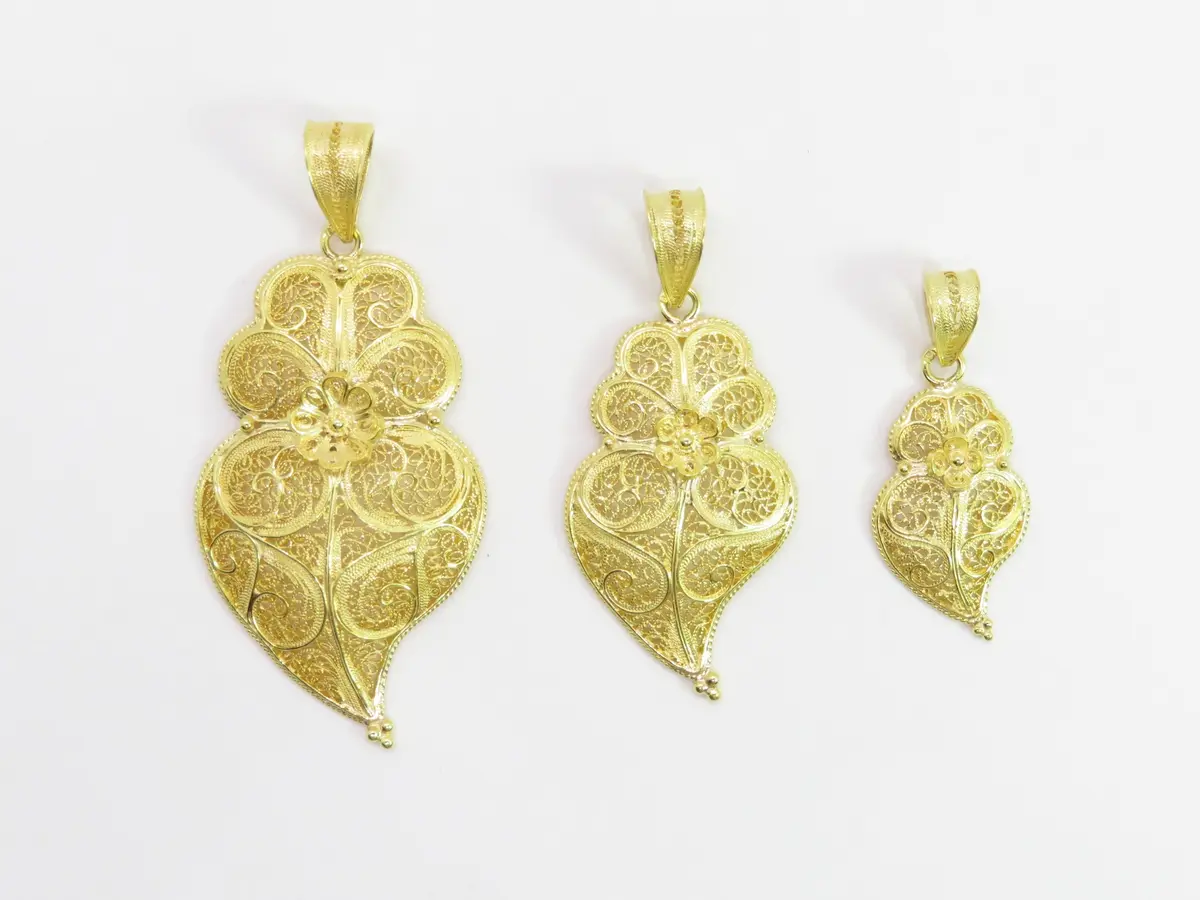
Portuguese filigree — particularly the Coração de Viana (Heart of Viana) originating from the Minho region — is heirloom jewelry made by twisting and soldering fine threads of gold or silver into open lace-like patterns. Traditional Portuguese gold is 19.2 karats (80% purity), higher than the standard 18k sold across most of Europe, giving it a distinctive deep, warm yellow tone that reads differently from Italian or French gold jewelry. Authenticating it takes ten seconds: hold the piece to the light.
Authentic filigree is genuinely open-work — you can see through the lace because the twisted wires are distinct and individually spaced. Industrial copies are cast in molds; the wires appear merged, the piece looks solid rather than airy, and it feels clunky for its size.
With gold at elevated prices, many artisans now produce sterling silver filigree dipped in 24k gold. These are a practical middle ground — the workmanship is identical, the visual result is very close, and the price is substantially lower.
- Where to buy: Specialized jewelers in Viana do Castelo (the regional center for this craft); curated Lisbon shops in Príncipe Real
- Cost: Sterling silver with gold dip from ~€60-€120 (~$69-$138); solid 19.2k gold from €300+ (~$345+)
- Best for: Commemorative gifts, travelers wanting a wearable piece of regional heritage
Which Portuguese textiles are actually worth buying?
Two textiles justify suitcase space: Burel, a boiled pure wool from the Serra da Estrela mountains that is practically indestructible, and authenticated Madeira embroidery or Peniche lace, both protected designations that come with verifiable certification seals. Anything without the relevant seal is an import, regardless of what the label says.
Burel — the shepherd’s wool, now made into bags and coats
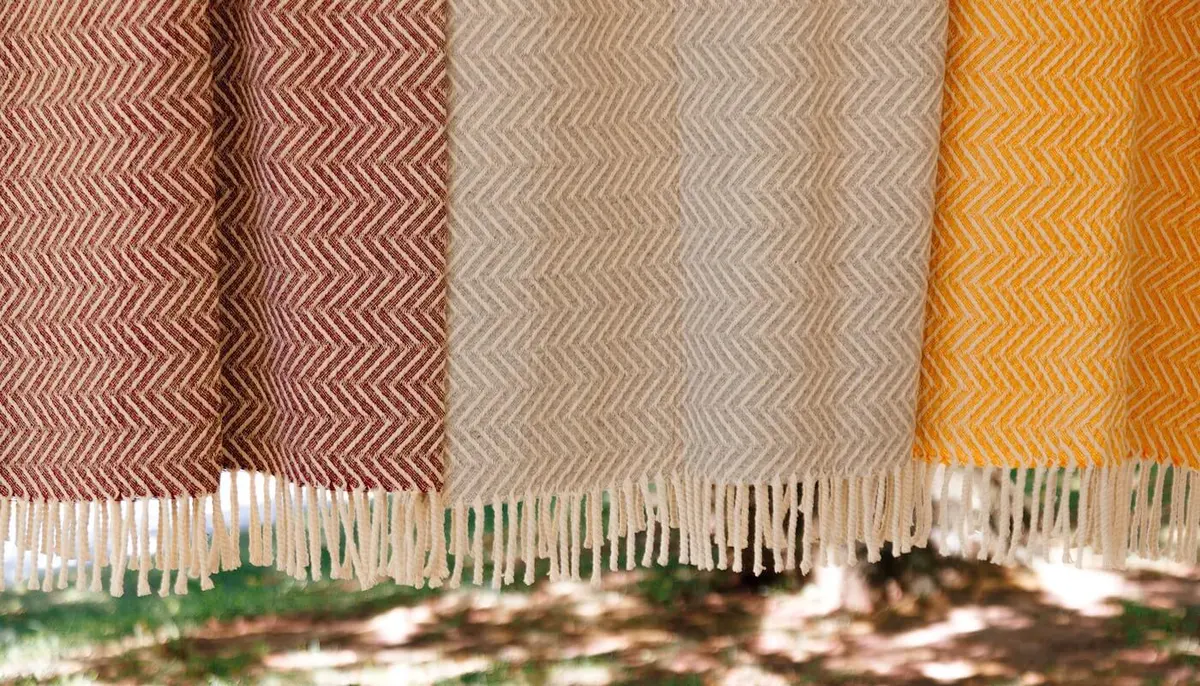
Burel is 100% pure wool that is felted and boiled until it becomes dense, water-resistant, and fire-retardant. Shepherds in the Serra da Estrela mountains used it for centuries in heavy capes; the Burel Factory in Manteigas revived the tradition and now produces it in a range of colors for bags, jackets, acoustic panels, and home goods.
It is practically indestructible. A Burel bag will absorb daily punishment that destroys a canvas tote in a season. The drawbacks are straightforward: it is genuinely heavy in a suitcase, and the fabric is stiff when new. It softens and becomes more supple with the first few months of use — the break-in period is real but worth it.
- Where to buy: Burel Factory stores in Manteigas or the Lisbon concept store
- Cost: Bags from ~€80-€200+ (~$92-$230+)
- Best for: Travelers who want a functional purchase rather than a decorative souvenir
Madeira embroidery and Peniche lace — check for the holographic seal
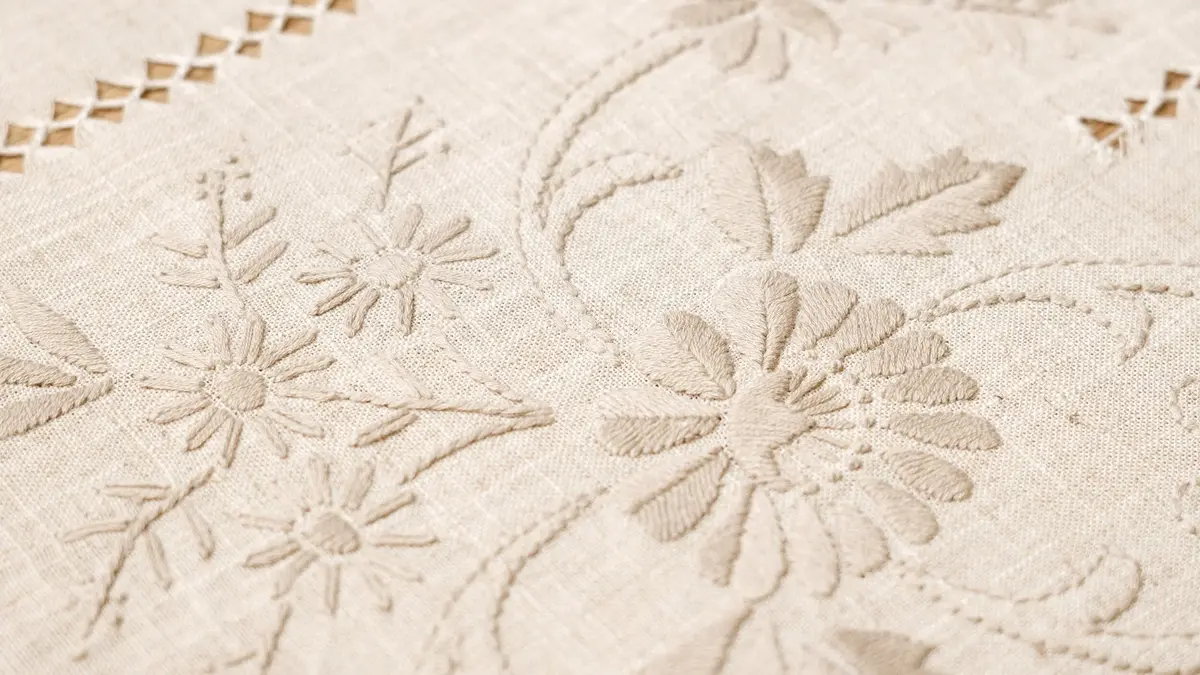
Bordado Madeira is a protected designation: every authentic piece is handmade on Madeira island and inspected by the Institute of Wine, Embroidery and Handicrafts of Madeira (IVBAM). Without the holographic IVBAM seal attached to the piece, you are looking at an import regardless of what the label says.
Peniche bobbin lace — Renda de Bilros — is made using a cushion and dozens of wooden bobbins that cross and recross to form intricate white net patterns. Shops like Príncipe Real Enxovais in Lisbon carry a good selection. Ask to see it being made before you buy — the process is hypnotic, and watching it removes any doubt about what you’re paying for.
Is tinned fish from Portugal actually worth buying?
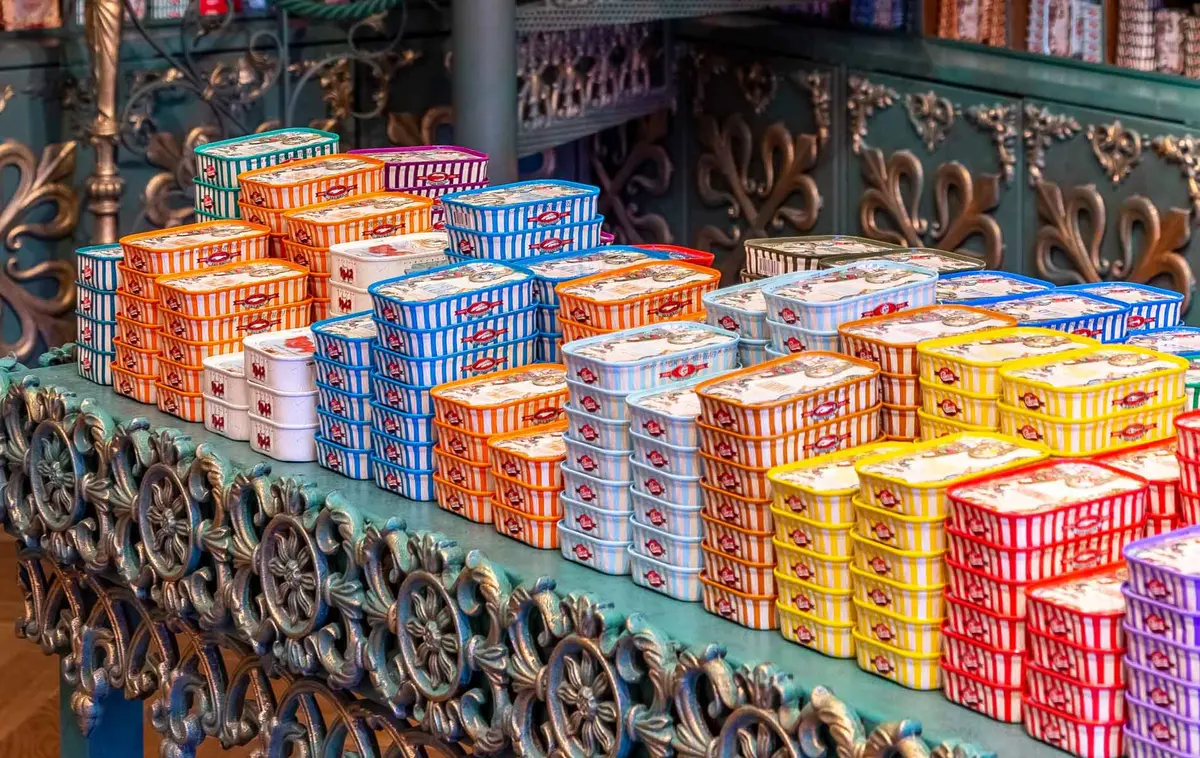
It is — but the best Portuguese canned fish is not emergency food. The industry preserves sardines and tuna at peak freshness using high-quality olive oil, and high-grade sardines improve with age. The oil permeates the bones over months and years, softening texture and deepening flavor. A well-aged tin of Portuguese sardines is a genuinely different product from anything on a supermarket shelf back home.
Three categories worth prioritizing:
- Ventresca: Tuna belly, prized for its fat content and silky texture — the most sought-after can in any serious shop
- Sardine roe: A caviar-like preparation that surprises people who expected canned fish
- Stuffed squid: Often packed in spicy ragout; a complete appetizer straight from the tin
Conserveira de Lisboa — the original shop
Conserveira de Lisboa has been operating since 1930. The shopkeepers wrap your tins in brown paper and string with practiced speed, a theatrical efficiency that makes the purchase feel like an event. The shop’s interior hasn’t changed materially since it opened — the original counter, shelving, and office fixtures are all still in place.
- Location: Rua dos Bacalhoeiros 34, Baixa, Lisbon
- Cost: Tins from ~€3-€15 (~$3.50-$17)
- Best for: Serious food buyers, anyone wanting a genuine piece of old Lisbon commercial life
- Visit time: 15-20 minutes
Pro Tip: Ask the shopkeeper what’s oldest in stock. The vintage system is real — sardines from two or three years back are genuinely better: more complex, less sharp. If they have older stock visible behind the counter, ask about it.
Mundo Fantástico da Sardinha Portuguesa — commemorative tins as gifts
The Mundo Fantástico da Sardinha Portuguesa shops lean more tourist-forward but carry tins printed with commemorative years, which make useful personalized gifts. If you’re buying for someone who wants the story as much as the sardine, these shops deliver it.
What else belongs in your Portugal pantry?
Olive oil, Azorean tea, Port wine, and Ginjinha cherry liqueur are the strongest edible things to buy in Portugal. Each is either unavailable outside the country at comparable quality, significantly cheaper than in export markets, or both. The oil and tea in particular rarely make it far from their source regions in the form you’ll find them locally.
Portuguese olive oil consistently outperforms its Italian counterparts in blind tastings but gets overshadowed by marketing. Look for oils from Galega olives (sweet and fruity) or Cobrançosa (grassy, peppery) with acidity below 0.5%. Buy in tin cans (latas) rather than glass — they’re lighter, won’t shatter in checked luggage, and block light better than any bottle.
São Miguel island in the Azores hosts Europe’s only commercial tea plantations: Gorreana and Porto Formoso. The oceanic climate and absence of natural pests means the tea grows without pesticides or fungicides. Gorreana’s Orange Pekoe is the most accessible starting point; their Hysson green tea is a harder find worth seeking out. Both travel well and start conversations.
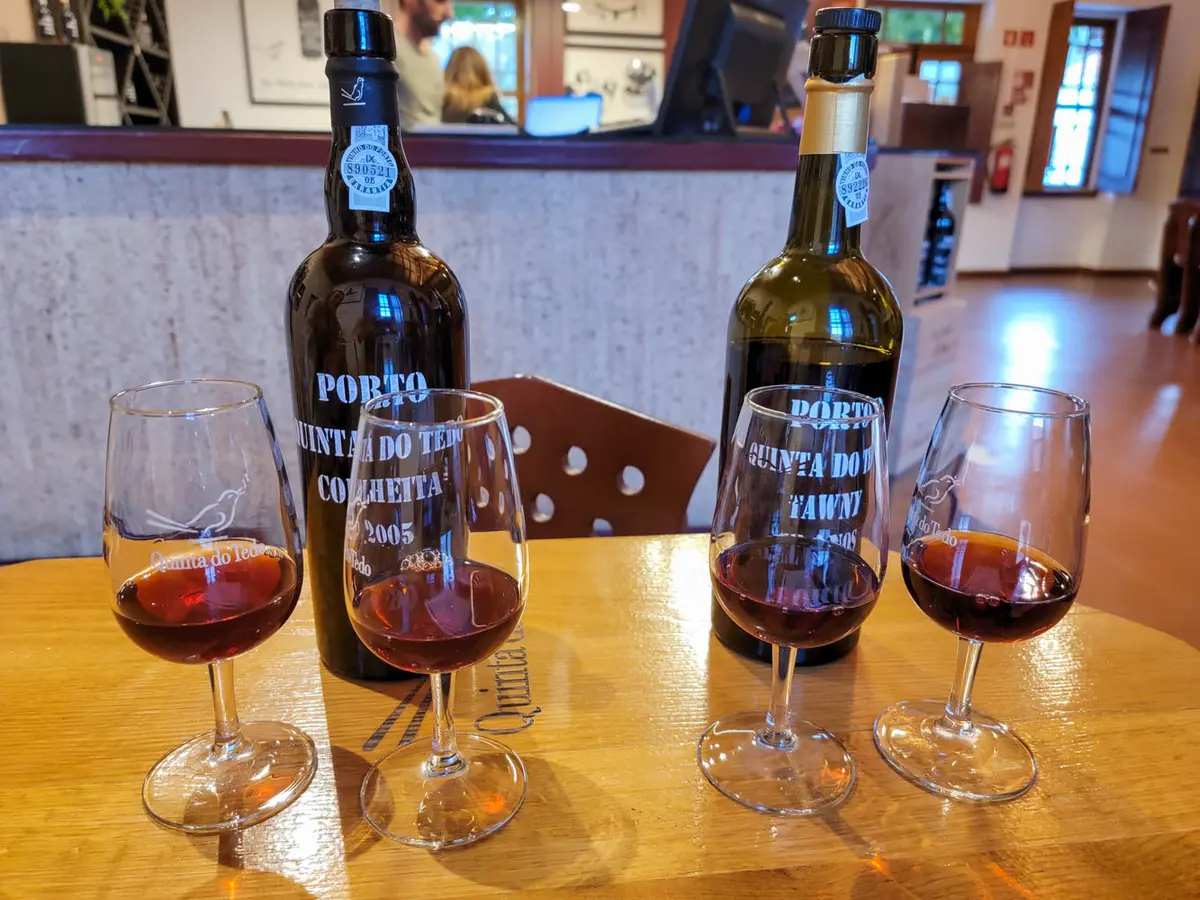
For wine: Port is the obvious headline, and the lodges in Vila Nova de Gaia across the river from Porto remain the best place to buy. A 20-year Tawny is a more interesting purchase than standard Ruby — barrel-aged nutty complexity at prices you won’t see outside Portugal. Vinho Verde from Minho is slightly effervescent, low in alcohol, and brutally food-friendly. Ginjinha — sweet cherry liqueur — is sold in small bottles and in single-serving chocolate cups around Lisbon; the “com elas” (with the fruit inside) version is the traditional choice.
Where should you shop for authentic Portuguese souvenirs?
Three Lisbon destinations consolidate the best of craft shopping in Lisbon without requiring you to hunt down individual artisan workshops. A Vida Portuguesa stocks exclusively Portuguese-made products. Embaixada is a converted palace with independent fashion and design. LX Factory runs a Sunday market in a repurposed industrial complex in Alcântara — arrive before noon.
- A Vida Portuguesa: Stocks exclusively Portuguese-made products — Claus Porto soaps, Bordallo Pinheiro ceramics, Confiança perfumes, traditional stationery, Azorean tea. The Chiado location is the original; the Intendente store has more floor space.
- Embaixada: A neo-Moorish palace in Príncipe Real converted into a gallery-shopping hybrid with independent Portuguese fashion and design labels. Worth visiting even if you don’t buy.
- LX Factory: An industrial complex in Alcântara turned weekend market. Sunday is the main market day; arrive before noon before the food stalls dominate the foot traffic and the craft vendors start packing up.
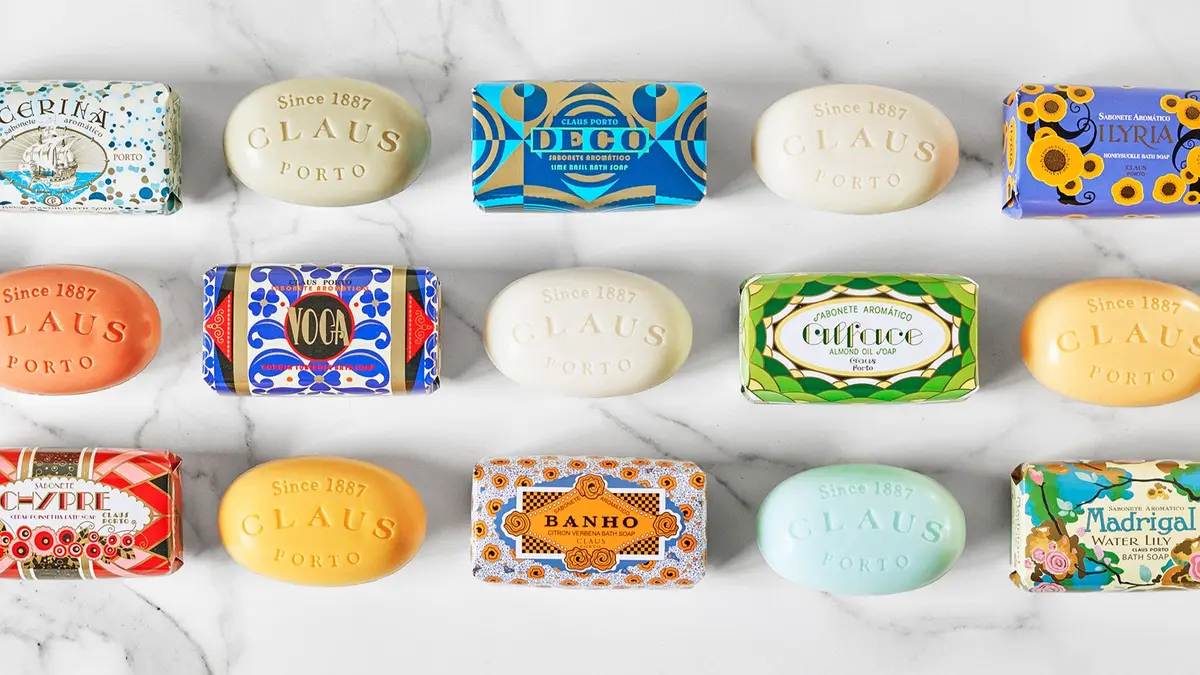
Soaps that outlast the trip
Claus Porto has been making soap since 1887. Their bars are milled seven times — they won’t crack or dissolve into mush, and the scent holds until the last sliver. The Art Deco and Art Nouveau packaging is as considered as the soap itself. Other heritage brands like Ach Brito and Confiança offer comparable quality at slightly lower prices (around €10-€15 / ~$12-$17 per bar). Castelbel in Porto focuses on floral home fragrances rather than bath soap.
Portuguese fashion and footwear
Portugal manufactures high-end shoes and clothing for major European luxury brands — the production quality is there, and local labels are now selling it under their own names. Carlos Santos produces hand-welted dress shoes at a significant discount compared to English or Italian equivalents of the same construction quality. La Paz (Porto-based) makes workwear-influenced casual clothing that travels well. Ernest W. Baker produces Portuguese-made shirts that compare directly to English shirtmakers at lower prices.
- Best for footwear: Carlos Santos for formal; Ambitious for casual
- Best for fashion: La Paz, Ernest W. Baker, and the independent labels inside Embaixada
How do you get your Portugal purchases home?
The two main practical issues are claiming your VAT refund — worth pursuing on ceramic, jewelry, or cork purchases over €50 at a single store — and the logistics of shipping breakable or heavy items without a shattered tile arriving in your living room. Port wine cellars handle their own international shipping; for everything else, packing strategy matters more than airline anxiety.
Claiming the VAT refund at the airport
Non-EU residents can claim a VAT refund on purchases of €50 or more (before tax) in a single store on the same day. Portugal’s standard VAT rate is 23%, making the potential refund meaningful on ceramics, jewelry, or cork goods. Request a Tax-Free form at checkout (bring your passport), then validate it at the e-TaxFree kiosks at Lisbon, Porto, or Faro airports before your flight. A green confirmation means your form is processed; a red light means you need to present the physical items to a customs officer at the desk.
Pro Tip: Keep all purchased goods unused and accessible — in a carry-on or at the top of your checked bag — through the airport. Customs occasionally inspects items, and any sign of use before validation can void the refund entirely.
Shipping wine, tiles and heavy ceramics
Carrying wine cases or large ceramic panels in checked luggage is risky and rarely worth the anxiety. Most major Port wine cellars in Vila Nova de Gaia — Taylor’s, Graham’s, Sandeman — have integrated shipping services that handle customs documentation for the US. For mixed parcels, Mail Boxes Etc. locations in Lisbon and Porto professionally pack and ship internationally.
If you’re packing yourself: use Wineskins for individual wine bottles in checked bags. Place ceramics at the center of the suitcase, surrounded by clothing on all sides. Burel wool, if you’ve bought it, is an excellent natural buffer layer — dense enough to absorb impact without adding meaningful weight.
The bottom line
TL;DR: The best things to buy in Portugal reward a small amount of research. For tiles, buy from shops with provenance records or from certified contemporary artisans — not from street markets where origins are unknown. For cork, feel the material before you pay: quality cork leather is warm and pliable, not brittle. For filigree, hold the piece up to the light; if you can’t see through the lace pattern, it’s cast rather than handmade.
Most of what makes Portuguese crafts worth the price is the same thing that makes them hard to fake at scale: they take time. That’s also what makes them last.
What’s the one thing you bought in Portugal that you’d go back just to buy again?