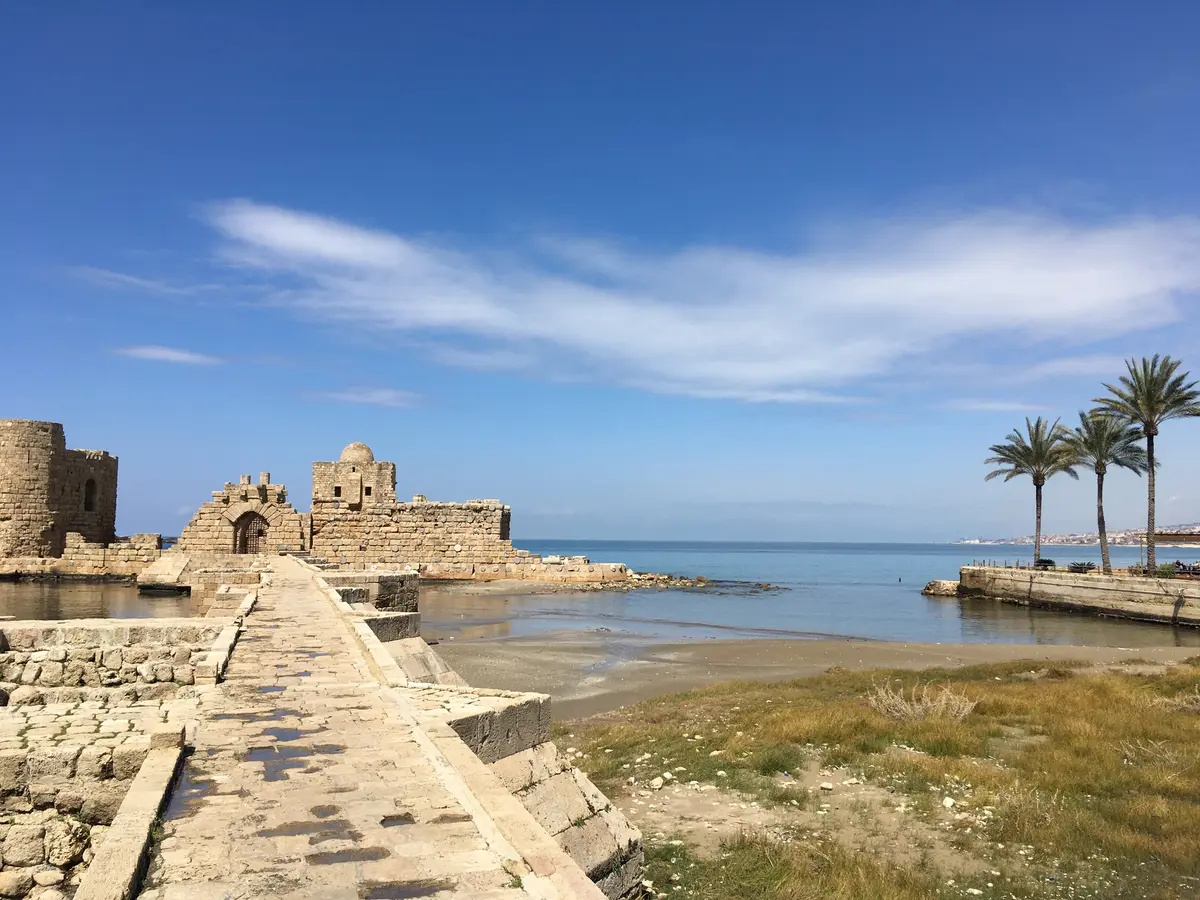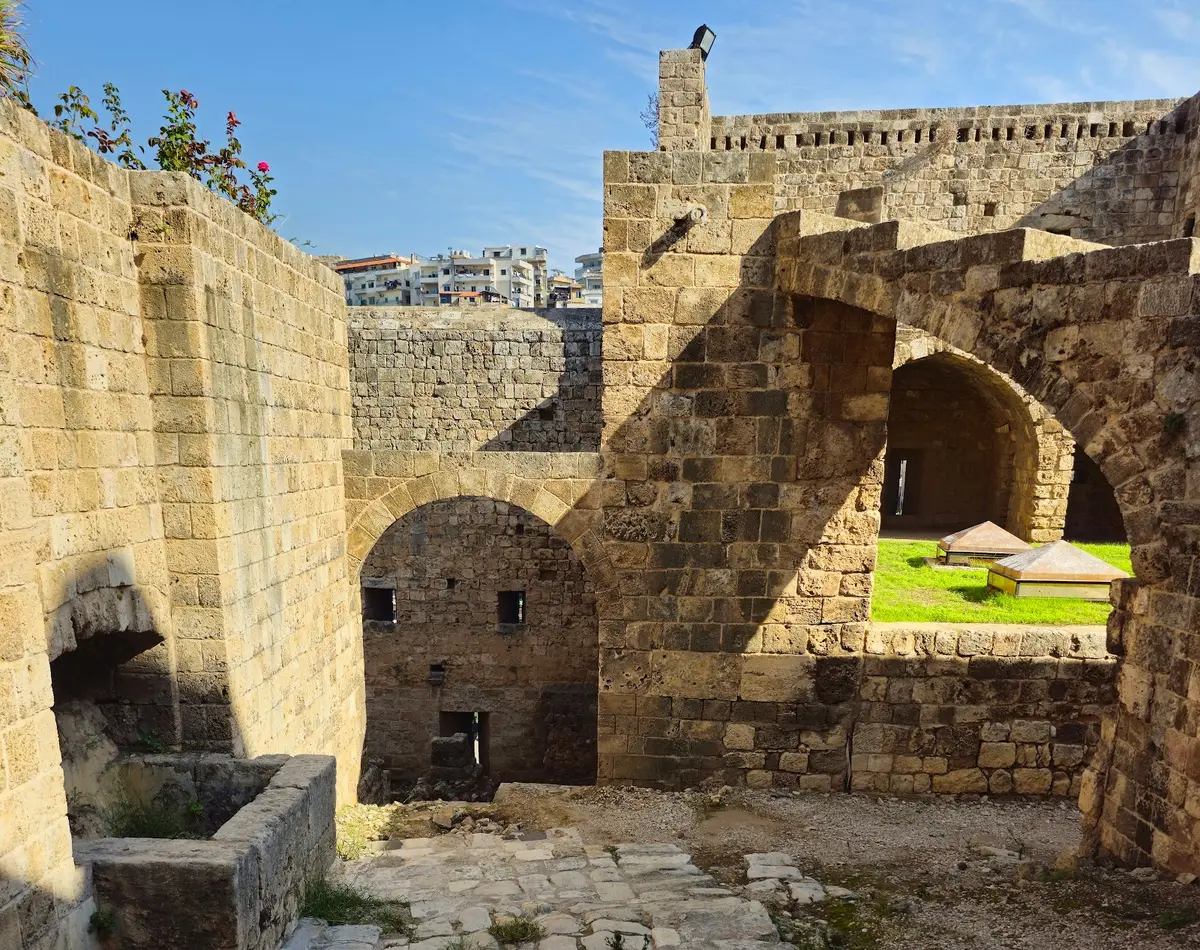
Hiking in Lebanon is the country’s most underrated argument against its headlines. In a strip of land roughly the size of Connecticut, you can climb from sea-level orchards to 10,000-foot peaks, sleep in a 200-year-old stone guesthouse, and stand under cedars that were already ancient when Rome was founded. This guide covers the five best trail systems, the logistics, and the safety reality.
Pro Tip: Before booking anything, read the safety section at the bottom. The U.S. State Department currently lists Lebanon as Level 4 — Do Not Travel. That affects insurance, flights, and your exit plan. Nothing in this guide works around that.
Qadisha Valley: the UNESCO gorge every serious hiker starts with
Qadisha translates to “Holy Valley,” and it’s the spiritual core of hiking in Lebanon. The UNESCO-listed gorge sheltered Maronite hermits for over a thousand years, and the monasteries carved into its cliff faces are still reachable only on foot. This is where you come for trails that feel like pilgrimages.
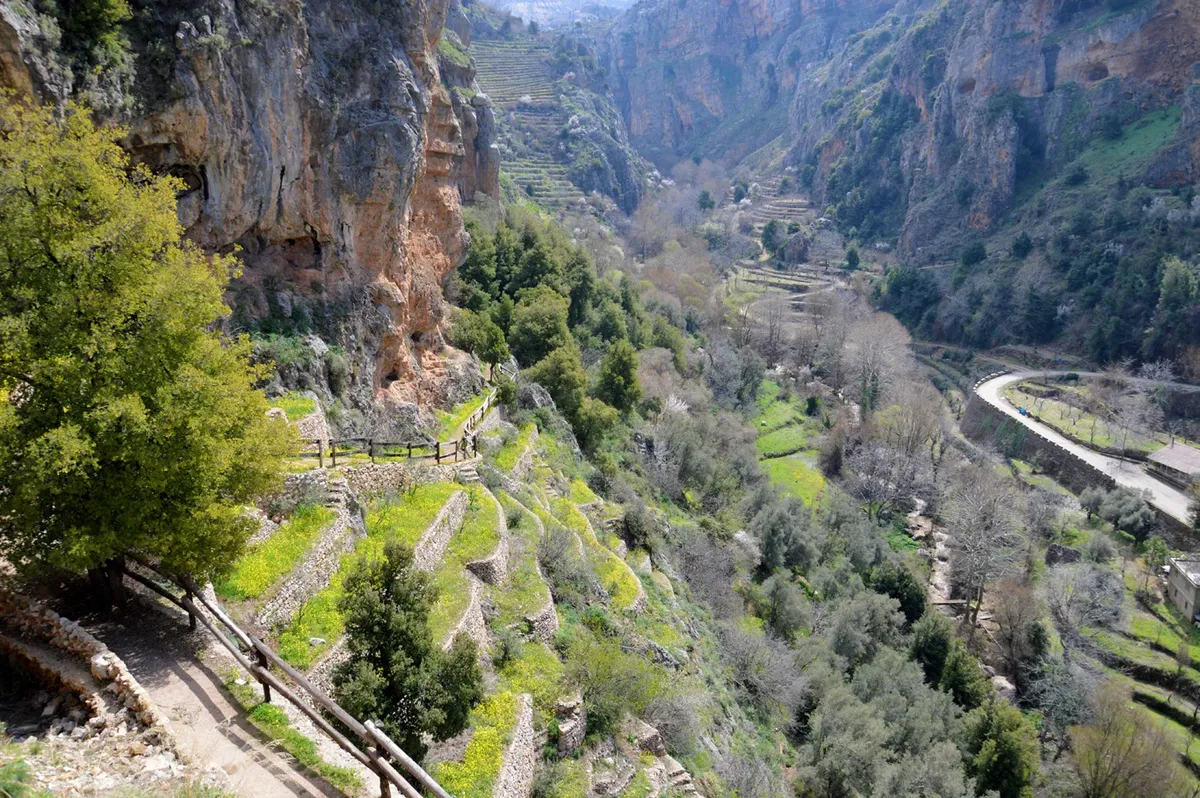
What the Bcharre descent actually feels like
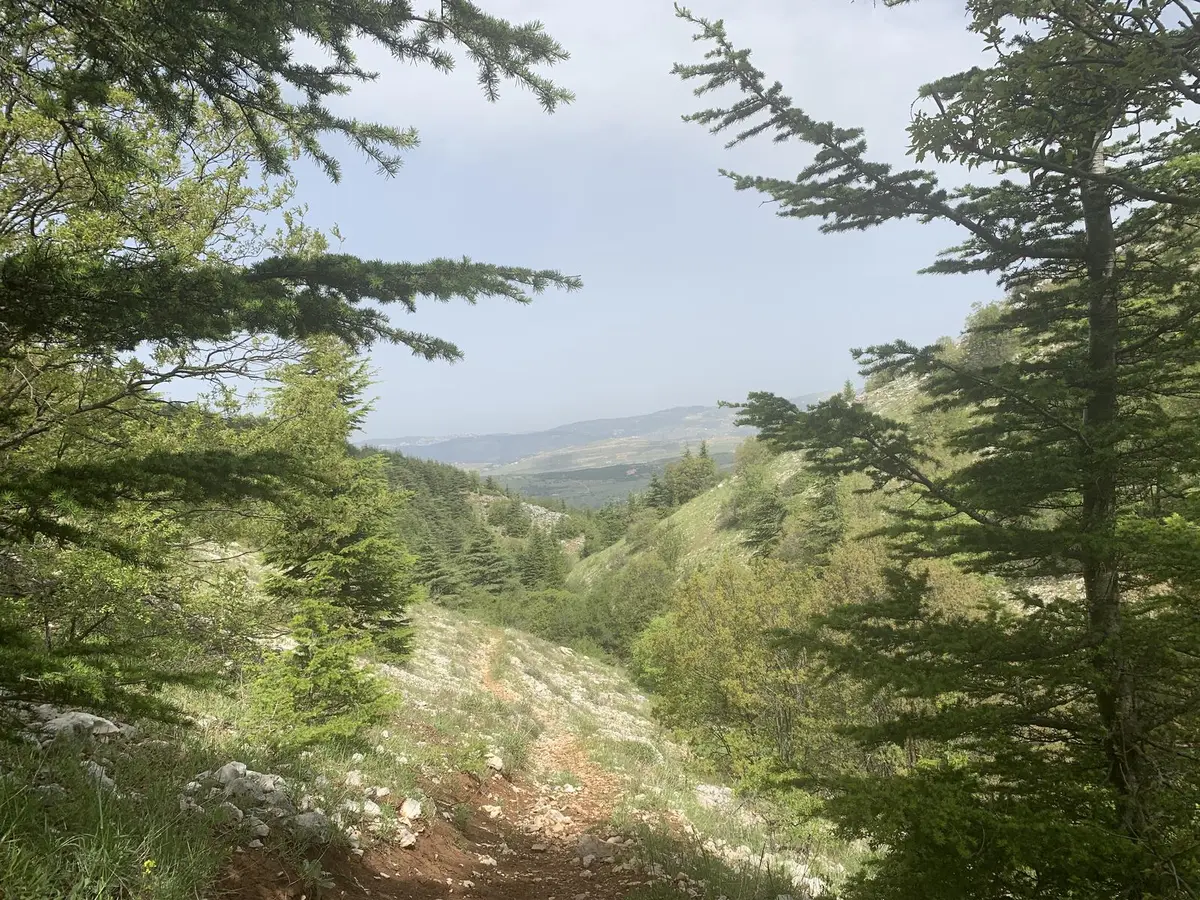
The standard route through the Qadisha Valley starts in Bcharre, elevation roughly 4,900 feet (1,500 m), and drops around 1,600 feet (490 m) into the valley. The trail zig-zags past apple orchards through orange-hued rock, and sections in spring are overgrown with waist-high grass that soaks your pants by 9 a.m. You cross two small streams on stepping stones. By the time the village above you looks the size of a postage stamp, you’ll understand why monks chose this place to disappear.
Honest friction point: the hike back up is the problem, not the hike down. Budget 90 minutes for the descent and 2.5 hours for the return, and do the return before 2 p.m. in summer — the south-facing wall bakes.
Mar Elisha, Deir Qannoubine, and the Cedars of God
- Monastery of Mar Elisha — rock-hewn, now a small museum
- Deir Qannoubine — still a working convent, reachable on foot only
- Cedars of God, Bsharri — a short drive from the valley rim, home to some of the oldest surviving Lebanese cedars
- Gibran Khalil Gibran Museum — in Bcharre, worth an hour if the weather turns
Where to stay near Qadisha Valley
- Location: Bcharre or Hasroun, valley rim
- Cost: $50-100 per night
- Best for: Hikers who want the trailhead on their doorstep
- Time needed: 2 nights minimum
Villa Chamoun in Hasroun is a restored 1960s family home. Dar Qadisha is smaller, cozier, and the host’s homemade apricot jam is the reason half the guestbook exists. Both sit in the same price bracket as most guesthouses in the Lebanese mountains.
Qadisha Valley quick stats
- Best months: April to October, with May being peak wildflower season
- Difficulty: Moderate to difficult (the return climb is the filter)
- Elevation gain: ~1,600 feet (490 m)
- Time needed: Full day, or 2 days to reach Deir Qannoubine comfortably
What makes the Shouf Biosphere Reserve worth a full day?
The Shouf Biosphere Reserve is the largest nature reserve in the country and protects three separate cedar forests: Maasser el-Shouf, Barouk, and Ain Zhalta-Bmahray. Over 500 plant species grow here, and the panoramic ridge trails look west to the Mediterranean. For most visitors, this is the easier, higher-reward introduction to Lebanese mountain hiking.
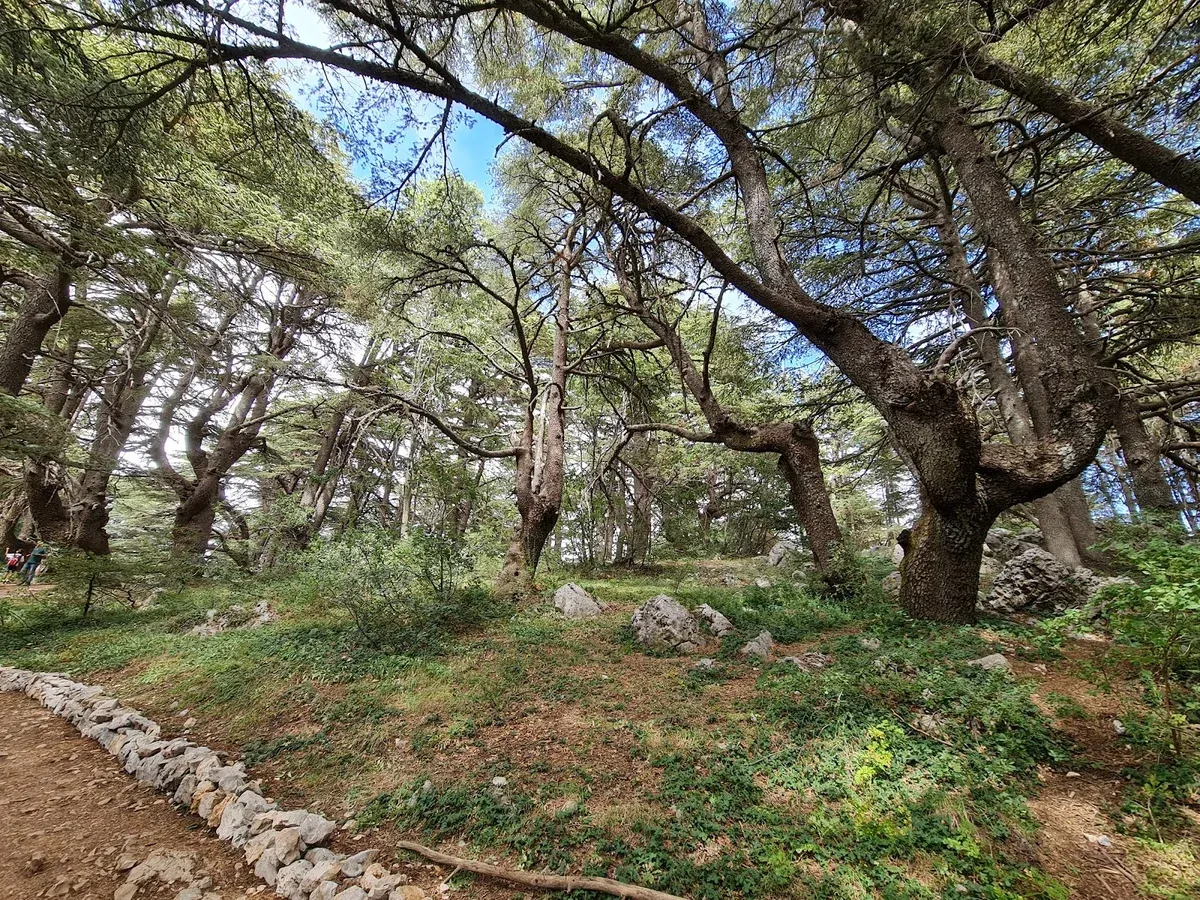
The Barouk panoramic loop — the 6 km trail to start with
The Barouk cedar forest loop runs about 3.7 miles (6 km) along a ridge at roughly 6,200 feet (1,900 m), and the grade is gentle enough for anyone in reasonable shape. The air at that elevation is notably colder than Beirut — pack a light jacket even in July. On clear mornings, you can see the coastline from certain switchbacks. On hazy afternoons, you see nothing, which is the second reason to start early.
Contrarian take: skip the Cedars of God in Bsharri if you’re short on time and come here instead. Barouk’s cedar stands are less famous, less crowded, and you can actually walk among the trees on marked paths — something Bsharri’s fenced-off grove doesn’t allow.
What lives in the Shouf
- Cedars up to 2,000 years old
- Mountain gazelles, reintroduced to the reserve
- Golden eagles and short-toed snake eagles on the ridges
- Over 500 plant species, including wild orchids in late April
Where to stay around the Shouf
- Location: Deir el Qamar or near Maaser Beiteddine
- Cost: $60-120 per night
- Best for: Couples, families, first-time Lebanon hikers
- Time needed: 1-2 nights
Beyt El-Jabal in Deir el Qamar is a solid village-center option. The Bouyouti estate near Maaser Beiteddine rents stone cottages and sits 10 minutes from Beiteddine Palace, which is worth the detour even if you don’t normally do palaces.
Shouf quick stats
- Best months: April to October; reserve is open year-round but snow closes high trails December to March
- Difficulty: Easy to difficult (loops cater to both)
- Entrance fee: ~$7 per adult
- Time needed: Half day for the panoramic loop, full day for Barouk-to-Niha
Is the Lebanon Mountain Trail worth hiking end-to-end?
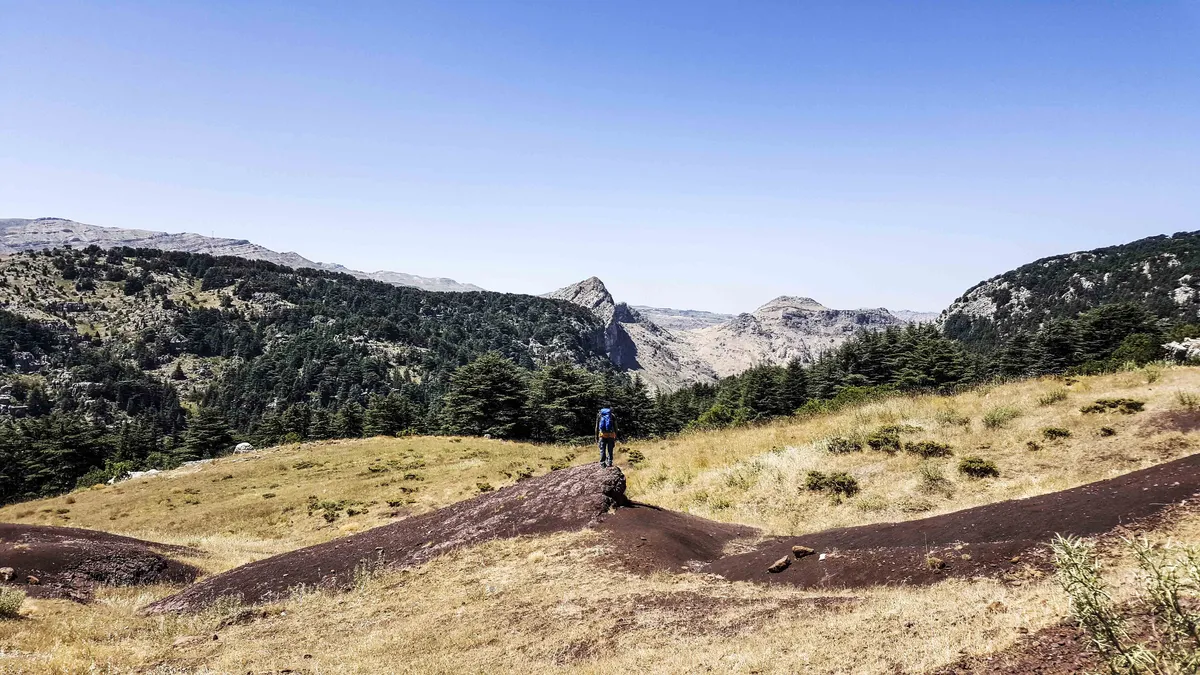
The Lebanon Mountain Trail (LMT) runs 292 miles (470 km) from Andqet in the north to Marjaayoun in the south, split into 27 one-day sections, each ending in a village with a guesthouse. Thru-hiking takes 30-35 days. Most people should not attempt the full trail — hike 3 to 7 sections in a region that interests you and sleep in a different village each night.
The village-to-village model is the point
The trail follows ancient donkey paths and goat tracks stitched together by the LMT Association into a waymarked route. The brilliance isn’t the scenery alone — it’s the structure. Every day ends at a home-cooked dinner in someone’s guesthouse, and the daily elevation profiles are designed around that end point, not an arbitrary mileage target.
Pro Tip: The northern sections from Qobayat through Ehden and down into Qadisha are the strongest 4-day stretch on the whole trail. The southern sections past the Litani River are currently off-limits — see the safety section.
Sections to prioritize
- Sections 1-4 (Andqet to Ehden): high forest, northern cedars, fewer tourists
- Sections 5-7 (Ehden to Bcharre): drops into Qadisha Valley
- Sections 16-19 (Shouf region): cedar forests and ridge walking
- Avoid Sections 23-27: the southern trail runs toward the Litani River and the zone the State Department classifies as Level 4 enhanced risk
Planning your LMT sections
- Cost: $60-90 per night in guesthouses, $30-50 per day for food
- Best for: Serious hikers who want cultural immersion, not a wilderness experience
- Time needed: 4-7 days for a meaningful section hike
- Guide: Strongly recommended — the LMT Association can connect you with certified local guides who handle luggage transfer and village logistics
Jabal Moussa: the biosphere reserve you can do as a day trip from Beirut
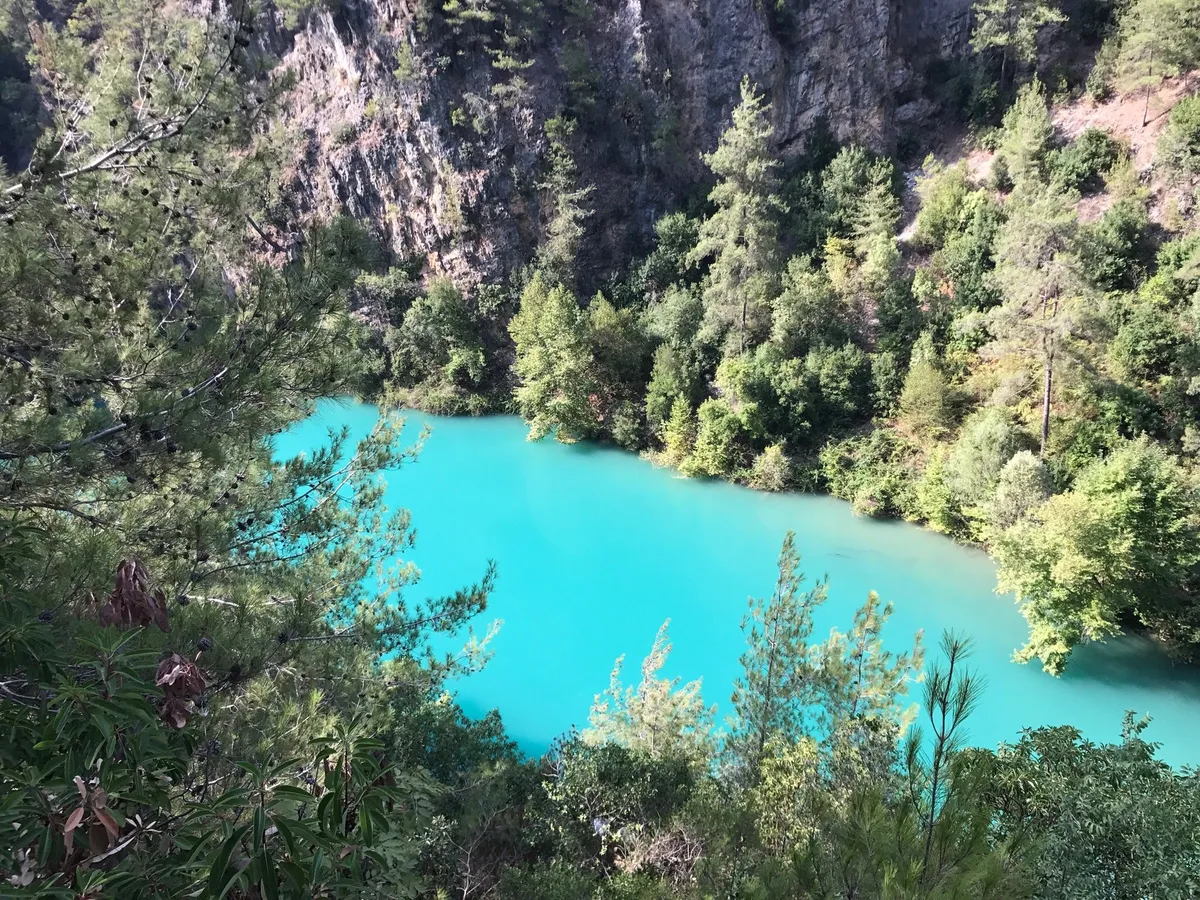
Jabal Moussa is about 90 minutes from Beirut and delivers a Roman-era historic site, a swimmable lake, and a genuine mountain hike in one loop. It’s the best single-day option for anyone based in the capital.
The Chouwen Lake trail
The Chouwen trail drops into the Adonis Valley and reaches a natural lake where locals swim from late May through September. The water is glacier-cold even in August — 60°F (16°C) is a reasonable estimate. The descent takes about 90 minutes; the climb back takes two hours and punishes anyone who skipped leg day.
Along the route, you’ll pass carved rock inscriptions commissioned by the Roman Emperor Hadrian in AD 130. They’re easy to miss if you’re not looking — the biggest is waist-high, weathered, and sits about 30 feet off the main path on Section 3.
What you’ll see at Jabal Moussa
- Hadrian’s inscriptions marking ancient Roman forest-management boundaries
- Endemic Lebanese wildflowers (peak: late March to early June)
- Chouwen Lake, swimmable May through September
- The Adonis Valley — the river the Greeks named for the dying god
Jabal Moussa quick stats
- Location: Adonis Valley, 90 minutes north of Beirut by car
- Cost: ~$5 entrance, $50-90/night for nearby guesthouses
- Best for: Day-hikers based in Beirut, families with teens
- Time needed: Full day trip from Beirut; overnight optional
Horsh Ehden and Qurnat as Sawda: Lebanon’s highest peak
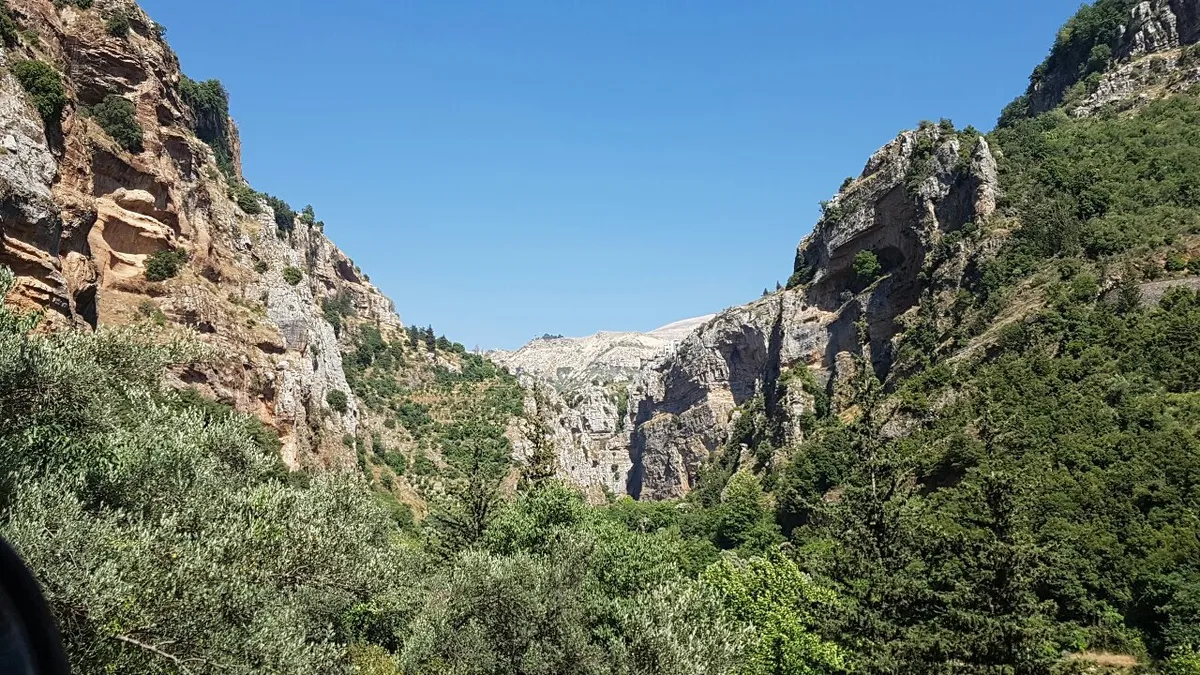
Horsh Ehden Nature Reserve protects one of the most biodiverse forest blocks in the eastern Mediterranean — Lebanese cedar, Cilician fir, Greek juniper, and wild apple all grow together here, and the high trails connect to Qurnat as Sawda at 10,131 feet (3,088 m), the tallest peak in the country.
The summit attempt is not a casual day hike
Qurnat as Sawda is technically non-technical — no ropes, no scrambling — but the final approach crosses loose scree above the tree line and catches weather that can change in under an hour. Start from the trailhead at 5 a.m. in summer. Turn around if clouds build by 10. Two hikers die on this peak every few years, usually from exposure after getting caught in afternoon thunderstorms.
Horsh Ehden quick stats
- Location: Ehden town, northern Lebanon
- Cost: $60-100/night for guesthouses in Ehden
- Best for: Experienced hikers, summit-baggers
- Time needed: 2-3 nights (one for acclimatization, one for the summit, one buffer)
- Peak elevation: 10,131 feet (3,088 m)
Ehden’s old quarter is one of the prettiest mountain towns in the country, and the restaurants around the central square serve the best kibbeh nayyeh north of Zahle.
Is it actually safe to go hiking in Lebanon right now?
No — not by any official standard. The current safety picture for American tourists puts Lebanon at Level 4: Do Not Travel, citing crime, terrorism, kidnapping, unexploded ordnance, and risk of armed conflict. The department ordered the departure of non-emergency embassy personnel, and routine consular services in Beirut are suspended. Certain zones carry enhanced Level 4 warnings.
Zones to avoid entirely
- All of southern Lebanon south of the city of Saida (includes Marjaayoun and LMT Sections 24-27)
- The entire Lebanon-Syria border region
- The Bekaa Valley
- Beirut’s Dahieh suburb
- All Palestinian refugee settlements
What this means practically
- Most U.S.-based travel insurance for Lebanon policies will not cover travel to Level 4 countries. Check your policy before paying for anything non-refundable.
- The embassy cannot guarantee emergency evacuation. Flights from Beirut airport have been suspended on short notice multiple times.
- Guided group hikes with a reputable operator (LMT Association, Vamos Todos, Lebanon Mountain Trail guides) add a layer of local judgment that solo hiking does not.
- Mountain regions covered in this guide — Qadisha, Shouf, Jabal Moussa, Horsh Ehden — are not in the enhanced-risk zones, but the overall advisory still applies.
Pro Tip: Enroll in the State Department’s STEP program before you fly. It’s free, takes 5 minutes, and it’s the only way the embassy can reach you if flights get suspended.
How do you actually get around?
Lebanon has no real public transport network for trailheads. Three options, ranked by how most hikers solve the problem:
- Private driver for multi-day trips: ~$150-250/day, worth it if you’re hitting 2-3 regions
- Rental car in Lebanon: ~$40-70/day, but mountain roads are narrow, poorly signed, and shared with aggressive drivers
- Shared taxis from Beirut: cheapest, unreliable, not recommended for anyone on a schedule
All international flights arrive at Beirut-Rafic Hariri International Airport (BEY).
What should you pack for Lebanese mountain hiking?
- Layering system — temperatures on ridges run 15-25°F cooler than Beirut
- Moisture-wicking shirts, long hiking pants (wildflower fields in spring hide stinging nettles)
- Light rain shell April through June and October through November
- Hiking poles — non-negotiable for the Qadisha descent
- 2 liters water minimum per person per day
- Sun hat and SPF 50+ (the sun at elevation is stronger than the temperature suggests)
- Offline maps (Gaia GPS or Maps.me — cell coverage dies above 5,500 feet)
- Local SIM card with data — an eSIM for Lebanon travel is the fastest way to get connected on arrival
What will hiking in Lebanon actually cost?
Day-to-day spending on a hiking trip tracks closely with Lebanon’s broader travel costs, though mountain guesthouses run slightly below Beirut prices.
- Budget: $50-80/day (guesthouse dorm, self-catered breakfast, shared transport)
- Mid-range: $100-180/day (private guesthouse room, two meals out, occasional driver)
- Guided multi-day hikes: $180-280/day all-inclusive (guesthouse, meals, transfers, guide)
The bottom line on hiking in Lebanon
TL;DR: The hiking here is genuinely among the best in the eastern Mediterranean — Qadisha, the Shouf cedars, Jabal Moussa, and the LMT’s village-to-village structure are world-class. The catch is not the trails. It’s that the country is currently under a Level 4 Do Not Travel advisory with real implications for insurance and emergency support. Go informed, go guided, stay north of the Litani, and skip the border zones entirely. For broader trip planning beyond the trails, our Lebanon travel guide covers cities, logistics, and cultural context.
Which trail would you tackle first — the Qadisha descent or a 4-day LMT section through the northern cedars? Let me know in the comments.