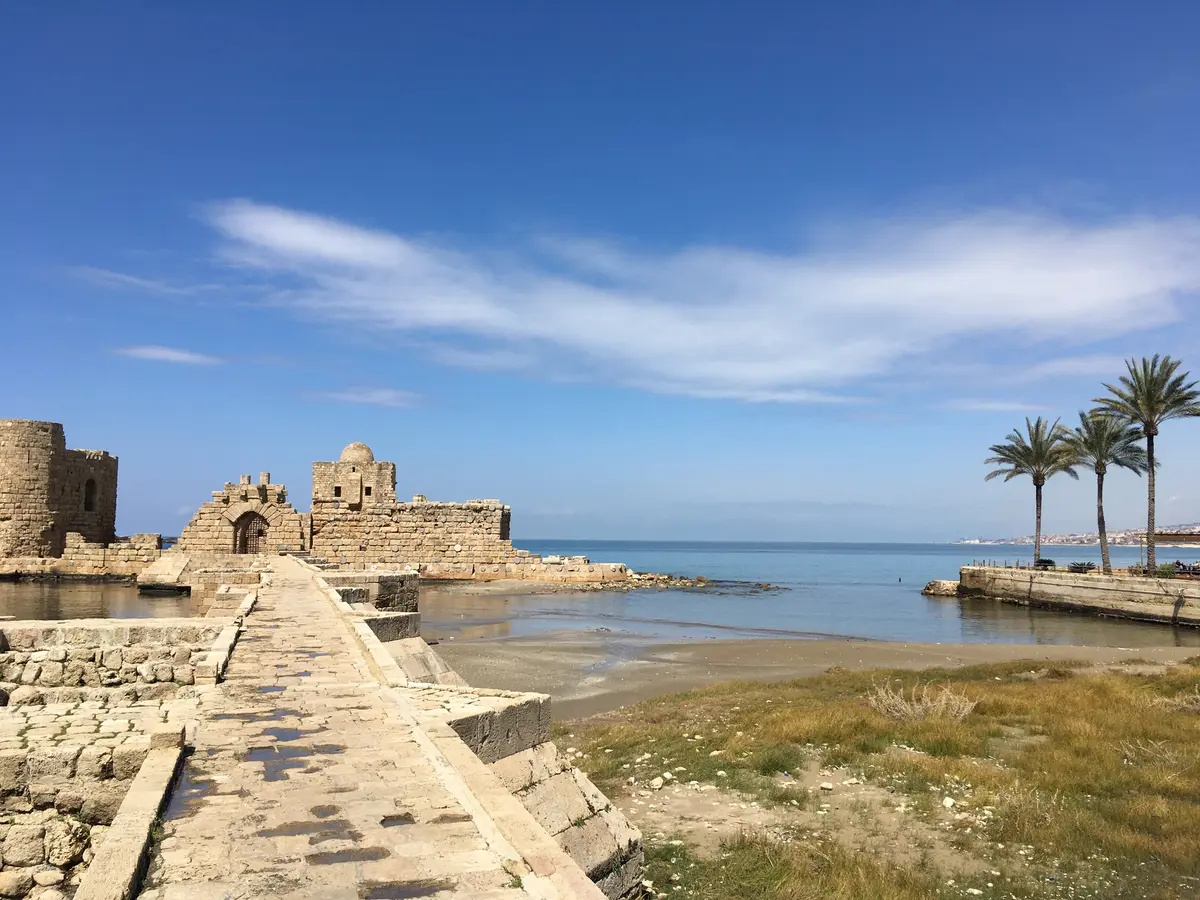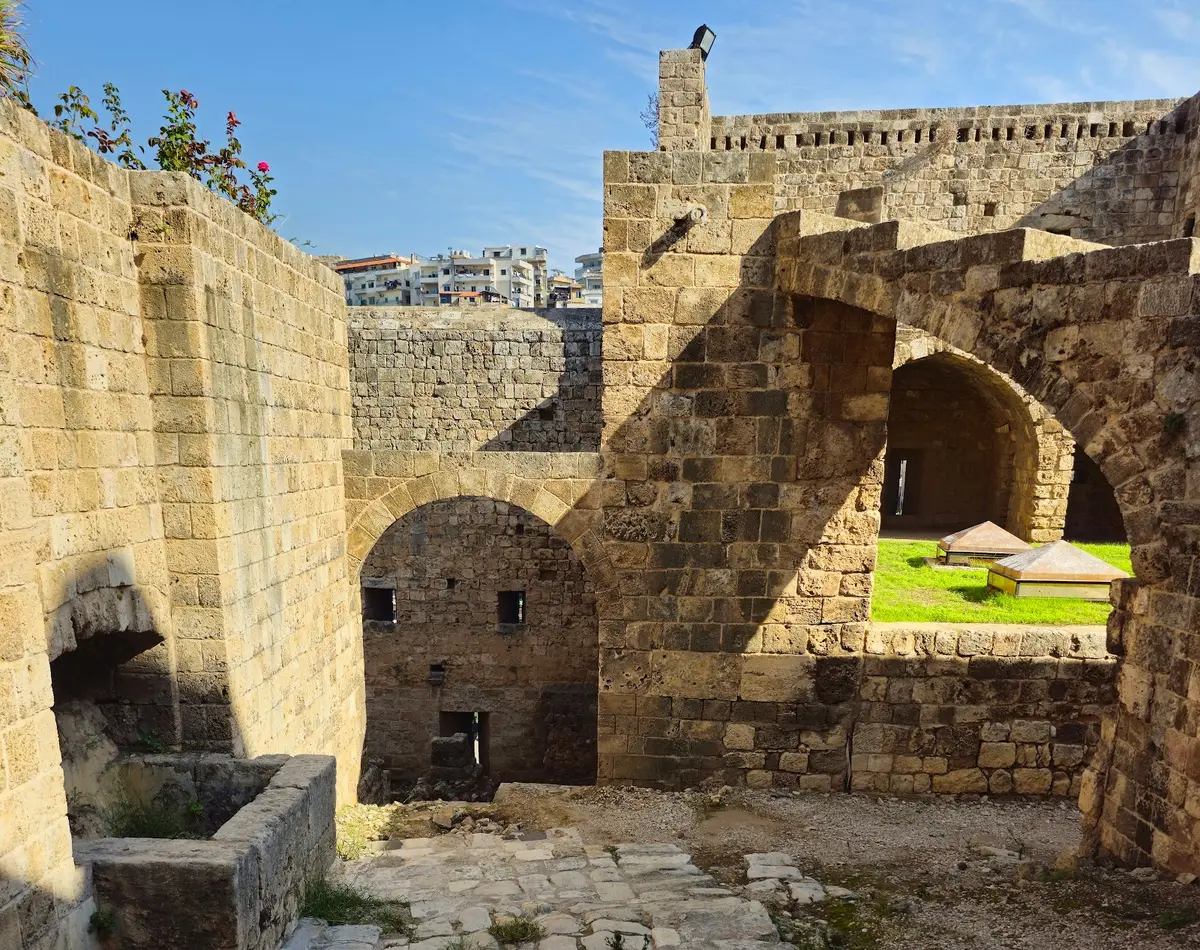
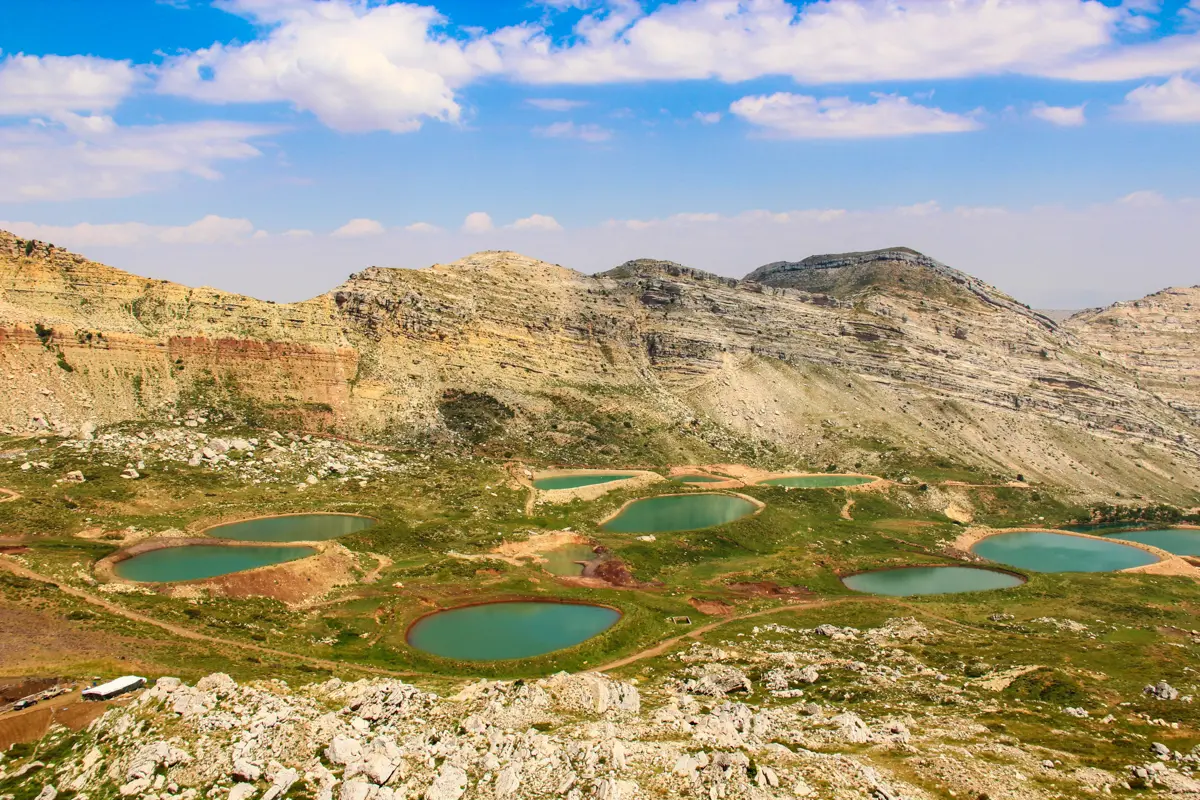
You can ski powder above the Cedars in the morning and swim in the Mediterranean by 4 p.m. — Lebanon is the only country in the Arab world where that math works on the same day. This guide breaks down Lebanon weather by month — the timing companion to our broader Lebanon travel guide — with the festivals, harvests, and friction points that actually shape a trip.
Safety note before you read on: As of April 2026, the US State Department classifies Lebanon as Level 4 — Do Not Travel — and the UK FCDO advises against all travel to large parts of the country, including the south, the Bekaa, Baalbek-Hermel, and Tripoli. A November 2024 cessation of hostilities arrangement is in place but has not held cleanly, with periodic strikes in the south. Several governments have ordered non-essential personnel to depart. Treat the rest of this guide as planning intel, not a green light.
Should you actually travel to Lebanon right now?
Most Western governments — the US, UK, Canada, Australia — currently advise against all travel to Lebanon, citing the risk of armed conflict, terrorism, kidnapping, and unexploded ordnance. Per the current safety picture for American tourists, the southern border, the Bekaa, Baalbek-Hermel, Tripoli, and Beirut’s southern suburbs carry the highest warnings. Travel insurance is typically void where governments advise against travel.
If you go anyway — Lebanese diaspora visiting family, journalists, NGO workers — the practical baseline is: avoid the south of Saida, the Syria border, and any infrastructure linked to security or energy. Keep your departure plan flexible because Beirut airspace can close at short notice. Verify festival schedules and ski lifts independently before you book.
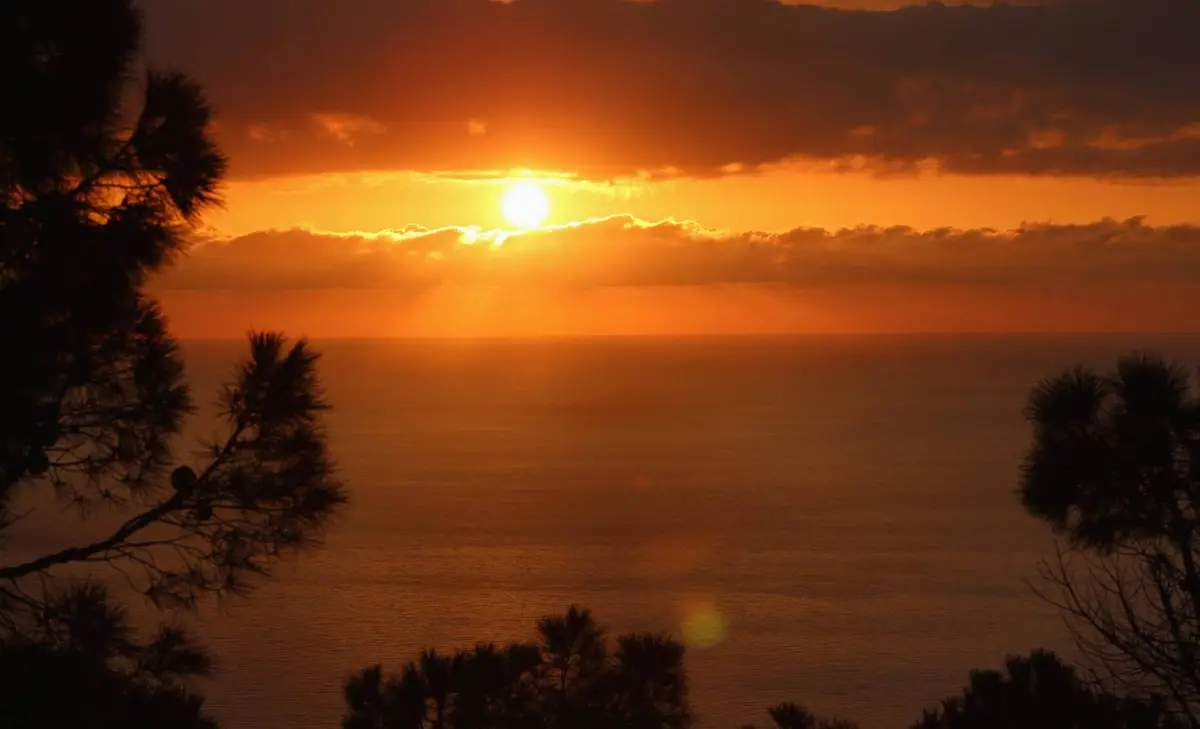
What makes Lebanon’s weather so unpredictable?
Lebanon packs four seasons and three distinct climate zones into an area smaller than Connecticut. Altitude, not latitude, dictates everything — coastal Beirut can sit at 63°F (17°C) and rain on a January day while the Cedars 60 miles (95 km) inland are at 4°F (-15°C) and buried in snow. Lebanon’s two parallel mountain ranges create rain shadows and microclimates that change every 20 minutes of driving.
Three climate zones in one tiny country
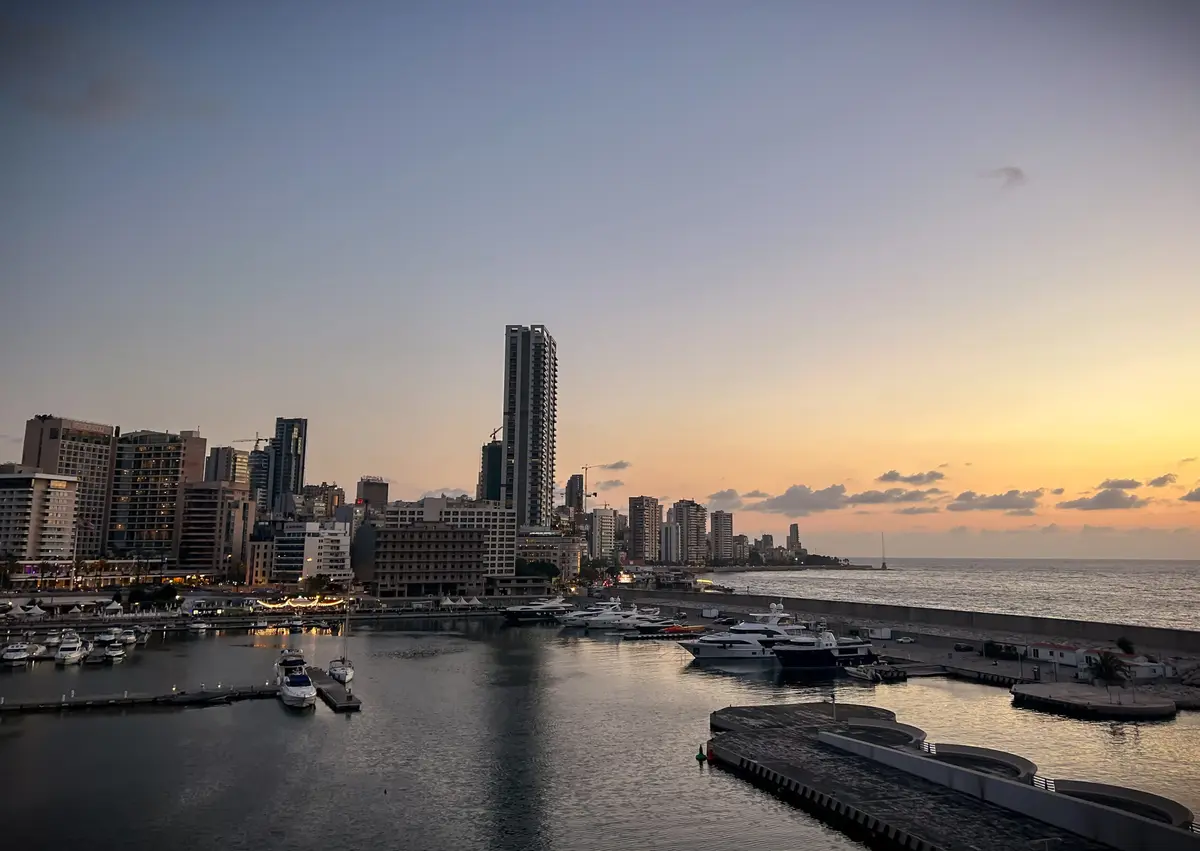
- The coastal strip (Beirut, Tripoli, Tyre, Batroun): humid subtropical. Summers are sticky because Mount Lebanon traps the sea’s evaporation against the coast — locals call it the “sauna effect,” and 86°F (30°C) by the water feels closer to 95°F (35°C). Winters stay mild and almost never freeze, but storms barrel in off the Mediterranean.
- The Mount Lebanon range: these mountains rise from sea level to over 9,840 feet (3,000 m) within 20 miles (32 km), stripping clouds of their moisture. This is why Faraya can have a meter of snow on the same day Beirut is in shorts.
- The Bekaa Valley: sits in the rain shadow between Mount Lebanon and the Anti-Lebanon range. Continental extremes here — scorching dry summers, biting dry winters. Less rain than the coast, but snow still hits because of the altitude.
Two wind patterns to plan around
The Khamsin: hot, sandy winds from the deserts, mostly March through May. They can spike daytime temperatures by 15–20°F (8–11°C) in a few hours and turn the sky a brown-yellow with dust. Air-quality apps go orange.
The northern winter winds in the Bekaa: fierce, dry, and brutal. They drop temperatures below freezing even when the sun is shining, and they’re the reason Zahle in January feels colder than Beirut in February despite being 30 miles (48 km) apart.
January in Lebanon — deep winter and prime ski season
January is the coldest, wettest month of the Lebanon weather calendar. The coast gets thunderstorms heavy enough to flood Beirut’s underpasses, while the high mountains are locked in snow. It is the prime month for Lebanese ski culture — locals start lining up at Mzaar at 7:30 a.m. on weekends.
| Region | Avg High | Avg Low | Conditions |
|---|---|---|---|
| Beirut | 63°F (17°C) | 52°F (11°C) | Rainy, cloudy |
| Zahle | 52°F (11°C) | 36°F (2°C) | Cold, frost risk |
| Cedars | 39°F (4°C) | 25°F (-4°C) | Heavy snow |
Beirut in January is moody — café culture peaks because everyone retreats indoors. This is when to do the National Museum of Beirut without lines and when Hamra’s wine bars feel actually local instead of touristed. In the mountains, Mzaar Kfardebian and the Cedars are fully operational on real powder, not the slush you get later in spring.
Pro Tip: Police checkpoints will turn you back from the mountain roads above 1,500 m without snow chains or 4WD. Buy or rent chains in Beirut before you drive up — you won’t find them on the mountain.
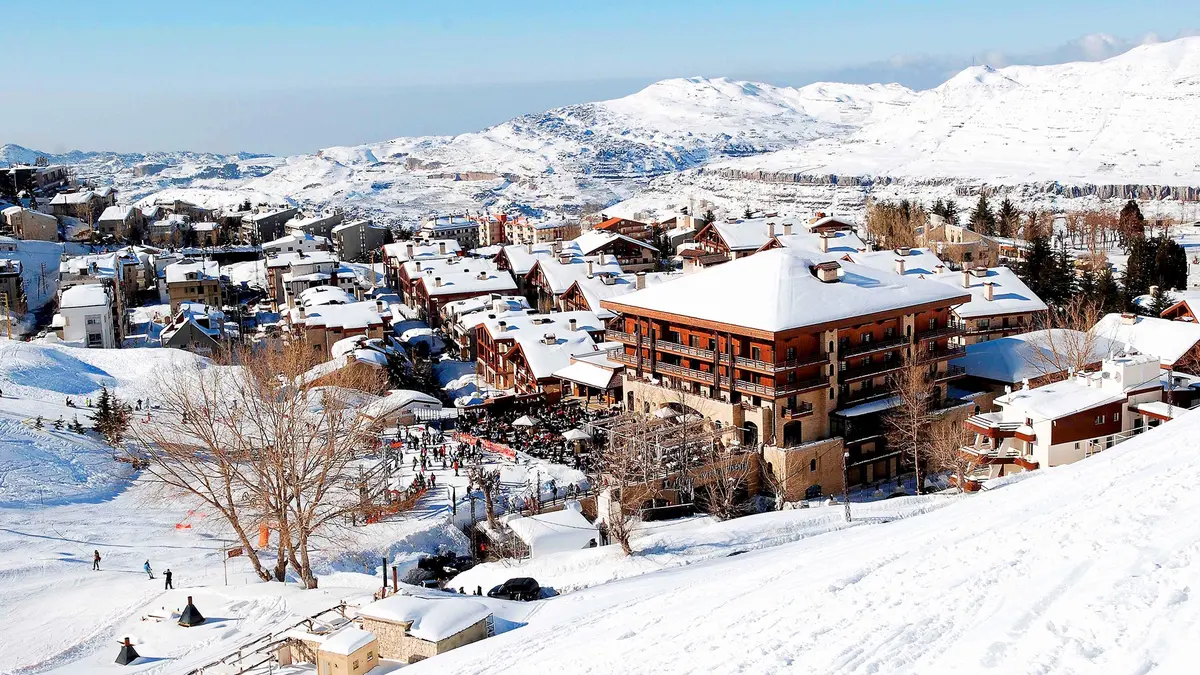
February in Lebanon — peak snow and the Al Bustan Festival
February matches January for cold but the days are visibly longer. Snow depth in the high mountains usually peaks now, which is why serious skiers prefer it to January — the base is established, the avalanche risk is more predictable, and weather windows are slightly more reliable.
- Beirut: highs around 64°F (18°C), still stormy
- Zahle: highs around 54°F (12°C), high frost risk overnight
- The Cedars: maximum snow base of the season
Culturally, this is when the Al Bustan International Festival runs — five weeks of chamber music, opera, and dance at the hotel of the same name in Beit Mery, north of Beirut. It has been Lebanon’s premier classical music event since 1994 and is the rare wintertime cultural anchor that draws an international audience. The full Cedars Lebanon experience is also at its visual peak in February — the ancient cedar grove blanketed in snow is a different photograph than what you’ll get any other month.
March in Lebanon — the volatile shoulder season
March is the wildest card on the Lebanon weather calendar. One week brings a cold snap with fresh snow above 1,800 m (5,905 ft); the next, a Khamsin pushes Beirut into the high 70s°F. Pack like you’re going to two countries.
| Region | Avg High | Avg Low | Conditions |
|---|---|---|---|
| Beirut | 68°F (20°C) | 55°F (13°C) | Rapid warming |
| Zahle | 59°F (15°C) | 39°F (4°C) | Thaw begins |
| Cedars | 43°F (6°C) | 28°F (-2°C) | Spring skiing |
Mornings on the slopes are slushy but fun and lift queues evaporate. Lower altitudes explode with greenery and the wildflower season starts in the Chouf and Akkar.
A note on Ramadan: it follows the lunar calendar and shifts forward about 11 days each year. When it lands in spring, alcohol service in Muslim-majority neighborhoods is restricted from sunrise to sunset, but coastal Christian areas (Achrafieh in Beirut, Jounieh, Byblos) operate normally. Iftar dinners at Beirut’s bigger hotels are worth booking — the Movenpick and Phoenicia run seriously good ones. See a dedicated Ramadan in Lebanon guide for restaurant-by-restaurant nuance.
April in Lebanon — hiking weather and holy week
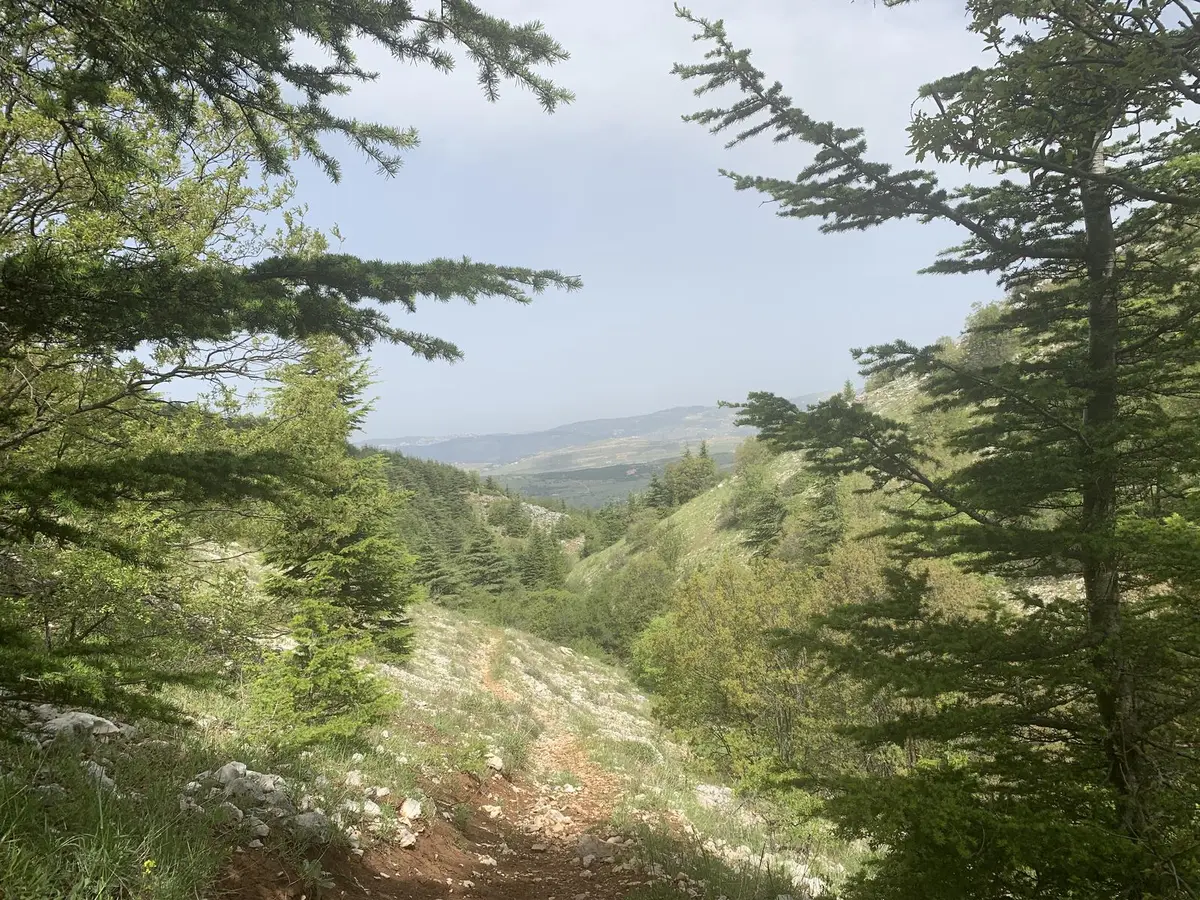
April is the best month of the year for nature in Lebanon, full stop. The rains taper, visibility is exceptional, and the snowmelt feeds the gorges and waterfalls — Baatara and Afqa thunder in a way they don’t the rest of the year. This is the month to plan a serious hiking trip.
- Beirut: highs around 73°F (23°C), reliably t-shirt weather by midday
- Zahle: highs around 68°F (20°C) with cool nights in the 40s°F
- The Cedars: snow line retreats above 2,000 m (6,562 ft)
The Lebanon Mountain Trail Association traditionally runs its end-to-end Thru-Hike in April to track the wildflower bloom up the country, from Marjayoun in the south to Andqet in the north. You don’t need to do the full 290 miles (470 km) — most people pick a one- or two-day section. April also covers Orthodox Easter most years, when villages like Bcharre and Zahle hold candle processions worth planning a weekend around.
Pro Tip: Skip the famous Jeita Grotto in April — the post-snowmelt water level often closes the lower (boat) gallery, and the upper gallery alone isn’t worth the entry price. Visit between July and October instead.
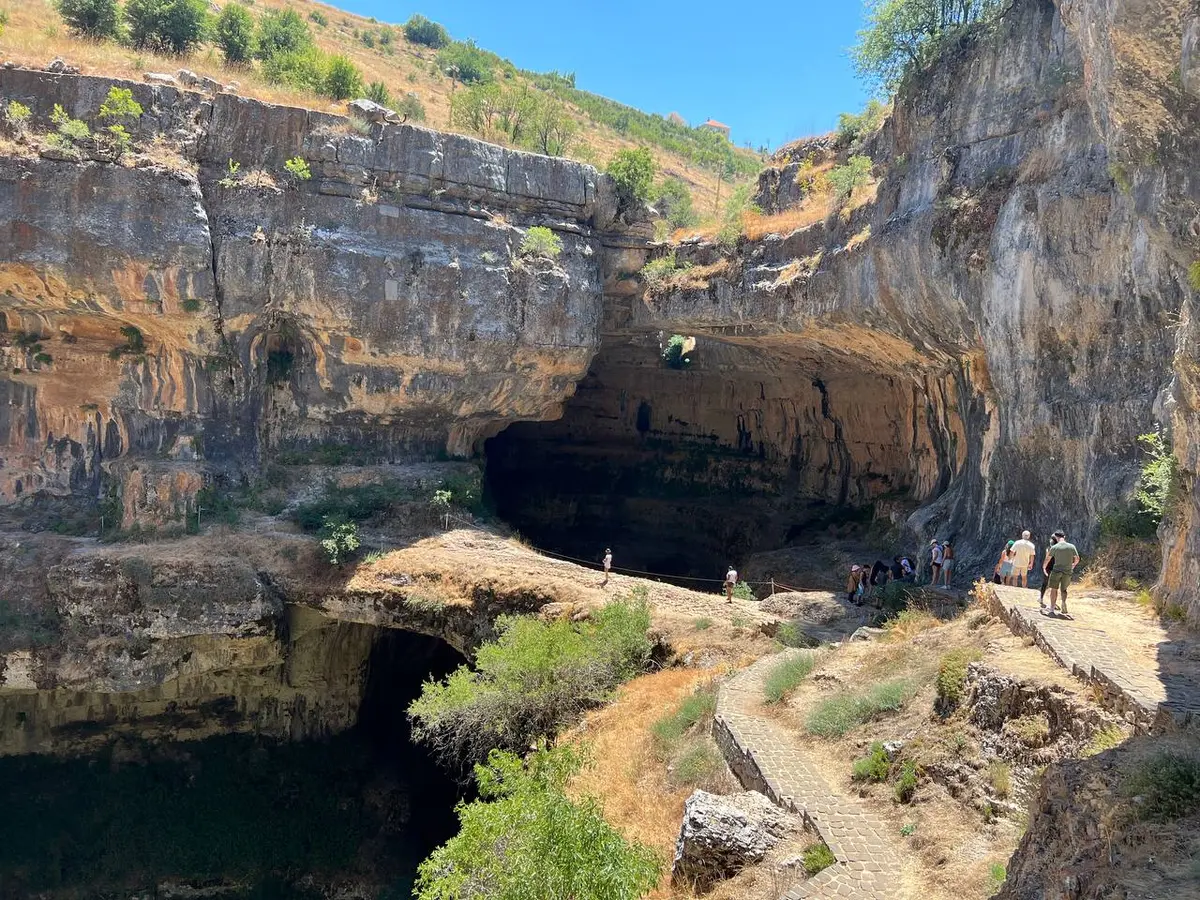
May in Lebanon — the golden month before the humidity
May is arguably the most comfortable month of the year. The coast is warm but not yet humid, the mountains are green, and rain is rare enough that you can plan around it. Beach clubs along the northern coast officially open, even if the water is still brisk.
| Region | Avg High | Avg Low | Conditions |
|---|---|---|---|
| Beirut | 77°F (25°C) | 64°F (18°C) | Beach season starts |
| Zahle | 77°F (25°C) | 52°F (11°C) | Dry warmth |
| Cedars | 61°F (16°C) | 43°F (6°C) | Green slopes |
The best beach clubs in Batroun open their doors but you’ll have most of the lounger to yourself before high season — go now if you want photos without 200 strangers in them. In the Bekaa Valley, the Damask rose harvest runs through May, and small distilleries around Qsarnaba and Ablah open for visits where you can watch the rose-water pots run. It’s a 60-second walk from car to copper still — not the polished version of agritourism you get in Provence.
June in Lebanon — summer arrives without the sticky air
Summer officially lands. Coastal humidity starts creeping up but the heat is still mostly dry. June is the best month for high-altitude hiking because the snow has cleared from peaks above 2,500 m (8,200 ft) but the trails haven’t baked yet.
- Beirut: highs around 82°F (28°C), humidity climbing
- Zahle: highs around 84°F (29°C), dry heat
- The Cedars: 70°F (21°C) days, perfect for summit attempts
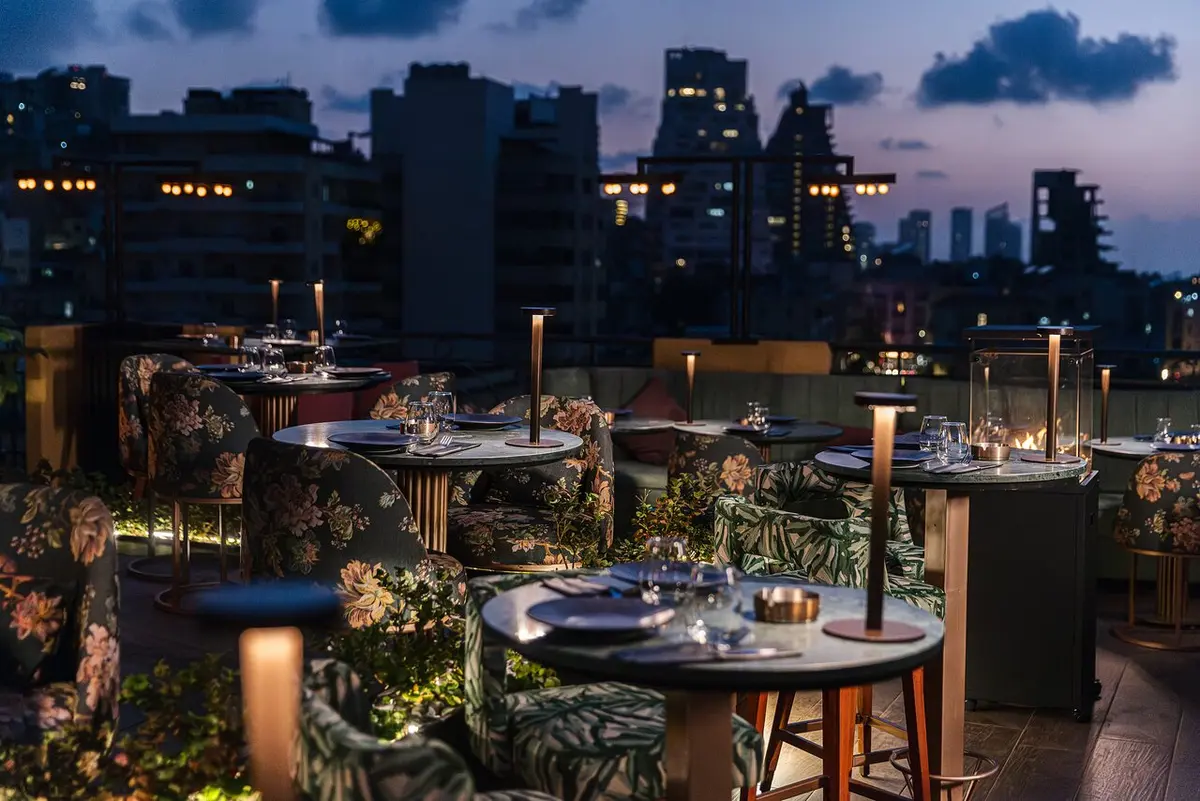
The village of Hammana holds its Cherry Festival in June — orchards open to the public for picking, and the village square fills with stalls. Qurnat as Sawda, Lebanon’s highest peak at 10,131 ft (3,088 m), becomes accessible without crampons. Beirut’s nightlife shifts outdoors to the rooftops in Mar Mikhael and Gemmayze; Iris and The Grand Factory are the names worth knowing.
July in Lebanon — high season and the festival circuit
Heat and humidity define July. The coast becomes physically uncomfortable — that “sauna effect” the locals warned about is real — but the mountains stay 15–20°F cooler, which is why every Beiruti family that can afford it has a summer house above 1,000 m (3,280 ft).
| Region | Avg High | Avg Low | Conditions |
|---|---|---|---|
| Beirut | 86°F (30°C) | 75°F (24°C) | Very humid |
| Zahle | 90°F (32°C) | 59°F (15°C) | Hot, dry |
| Cedars | 72°F (22°C) | 52°F (11°C) | Cool nights |
This is also festival month. The Baalbeck International Festival — running since 1956 in the Roman temples of the Bekaa — typically programs the back half of July through early August, with opera, classical, and contemporary acts on the steps of the Temple of Bacchus. The Beiteddine Art Festival runs concurrently inside the 19th-century palace in the Chouf and is the more accessible drive from Beirut. See the dedicated Baalbeck International Festival guide for ticketing and how to handle the long drive home after a midnight set.
Pro Tip: Baalbek itself sits inside the FCDO “advise against all travel” zone. People still attend festival nights, but the safer logistical play is hiring a driver who does the route routinely, going for the show, and coming straight back to Beirut the same night. Don’t sleep in Baalbek.
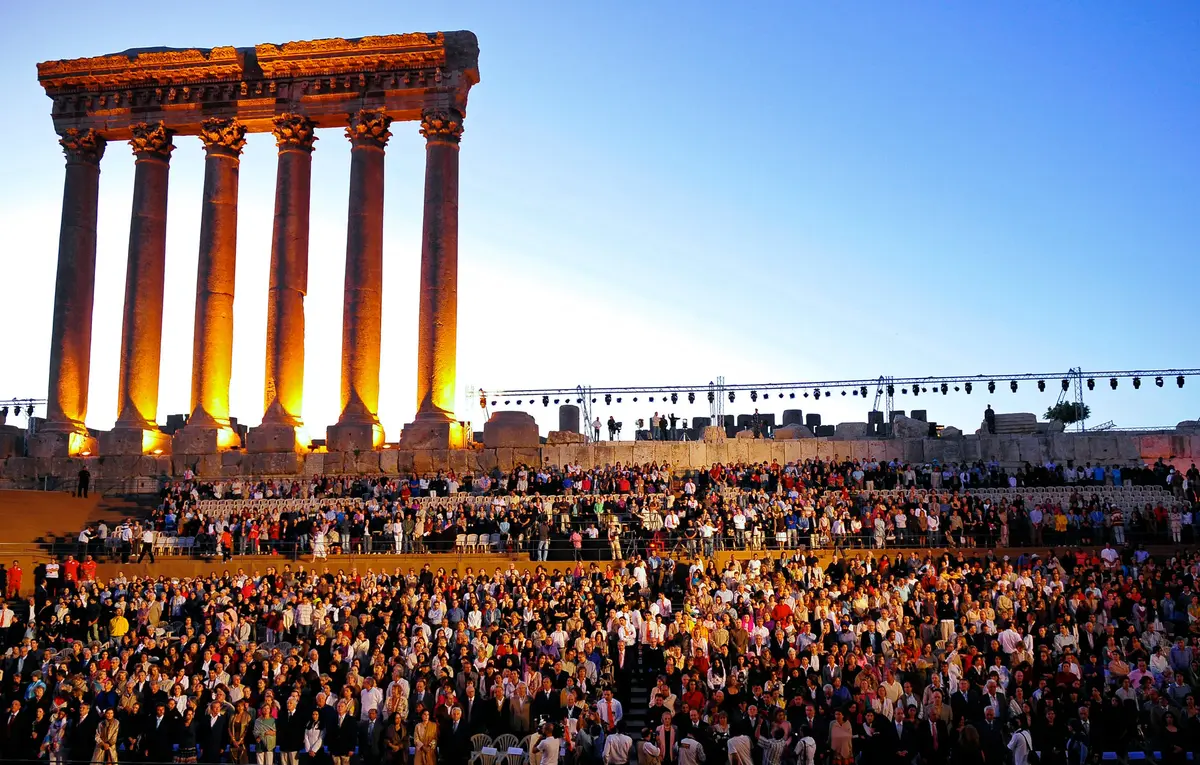
August in Lebanon — peak heat and Mediterranean warmth
August is the hottest month. The sea hits bath-water temperature, around 82°F (28°C), and the coastal humidity is at its worst — anyone who has the option leaves Beirut for the mountains.
- Beirut: highs around 88°F (31°C), peak humidity
- Zahle: highs often top 95°F (35°C), dry
- The Cedars: 73°F (23°C) — the country’s natural escape
Eid al-Sayydeh (the Assumption of Mary) on August 15 is the biggest summer holiday in Christian villages — fireworks, processions, and packed restaurants in Harissa, Bcharre, and Ehden. If you want a quieter beach week, look at Tyre instead of the northern coast — the Phoenician ruins are walkable from the public beach, and lodging is dramatically cheaper than Batroun.
September in Lebanon — the harvest and the relief
The break in Lebanon’s weather usually arrives around September 15. Humidity drops, evenings cool down, and locals will tell you September is the real best beach month — water still warm from August, air finally breathable, beaches empty after Lebanese schools restart.
| Region | Avg High | Avg Low | Conditions |
|---|---|---|---|
| Beirut | 86°F (30°C) | 75°F (24°C) | Humidity drops |
| Zahle | 84°F (29°C) | 55°F (13°C) | Vintage time |
| Cedars | 68°F (20°C) | 48°F (9°C) | Chilly nights |
September is the peak month for Bekaa Valley wineries — the harvest (vendange) is in full swing and most of the major estates run tours and meals. Chateau Ksara, Chateau Kefraya, and Domaine des Tourelles are the household names; Massaya and IXSIR are the more design-forward modern picks. Most are reachable on a long day trip from Beirut.
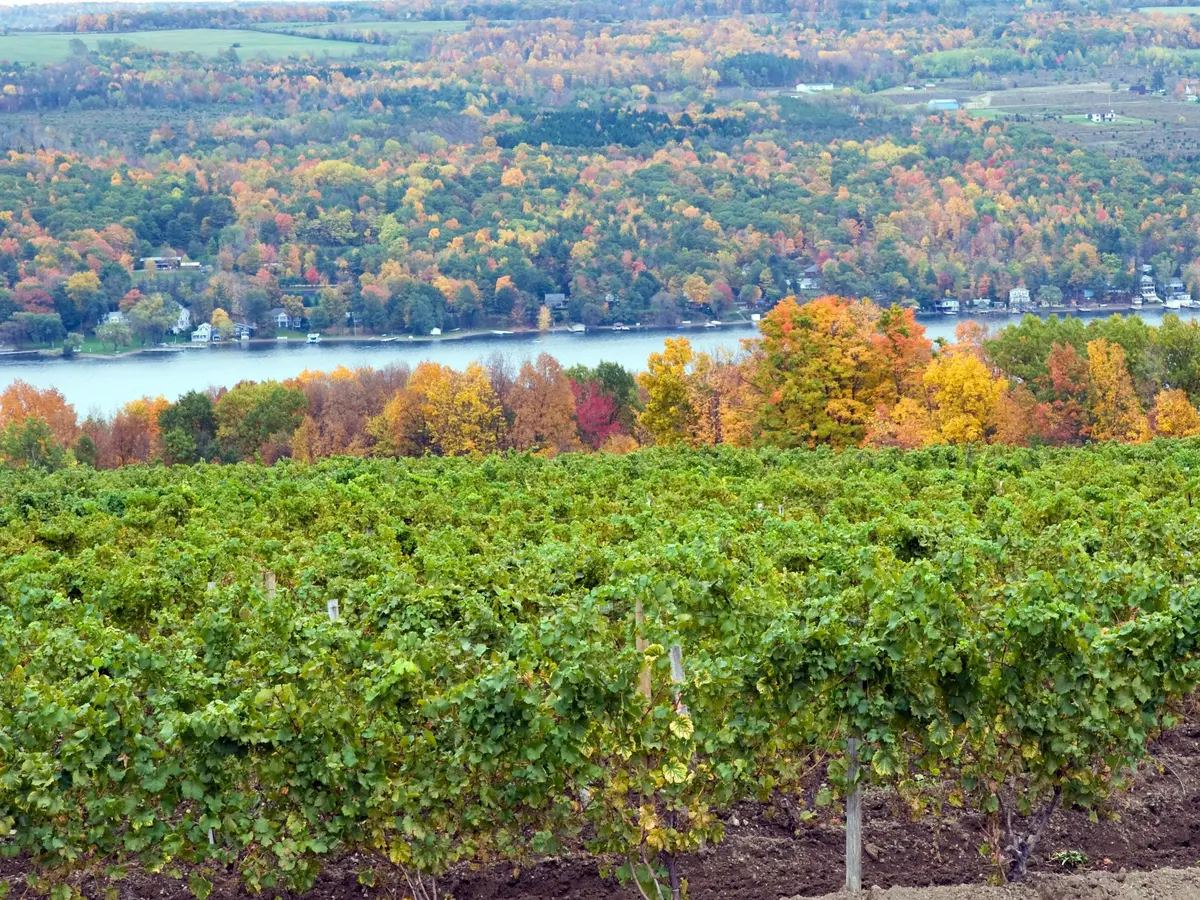
October in Lebanon — the second spring
October brings the first rains, which locals call shtweh — they wash the summer dust off the trees and the landscape turns green almost overnight. This is the second-best month after April for serious hiking, with crisper air and exceptional photographic visibility.
- Beirut: highs around 82°F (28°C), rain returns by mid-month
- Zahle: highs around 77°F (25°C), cooling fast
- The Cedars: highs around 61°F (16°C), first dustings of snow possible late month
The olive harvest is the defining cultural event of autumn — families rent presses, neighbors swap labor, and you can buy fresh-pressed oil in 5-liter tins straight off the press in any village in the Koura, Akkar, or Chouf. Hiking Qadisha Valley in October — the UNESCO-listed gorge below Bcharre — is one of the genuinely great walks in the eastern Mediterranean: monasteries cut into cliff faces, the Cedars of God grove at the top, and almost no other foreign hikers.
November in Lebanon — autumn colors and storm risk
November is a true transition month. You can have beach weather one afternoon and a flood-grade storm 36 hours later. Pack accordingly — a swimsuit and a real rain jacket.
| Region | Avg High | Avg Low | Conditions |
|---|---|---|---|
| Beirut | 73°F (23°C) | 61°F (16°C) | Wet |
| Zahle | 66°F (19°C) | 45°F (7°C) | Jacket needed |
| Cedars | 52°F (11°C) | 34°F (1°C) | Early snow |
The Barouk Cedar Forest hiking trails are at their visual peak in November — gold, russet, and dark green stacked together. Independence Day on November 22 brings parades and traffic closures around downtown Beirut and the Ministry of Defense in Yarze; plan around it rather than through it.
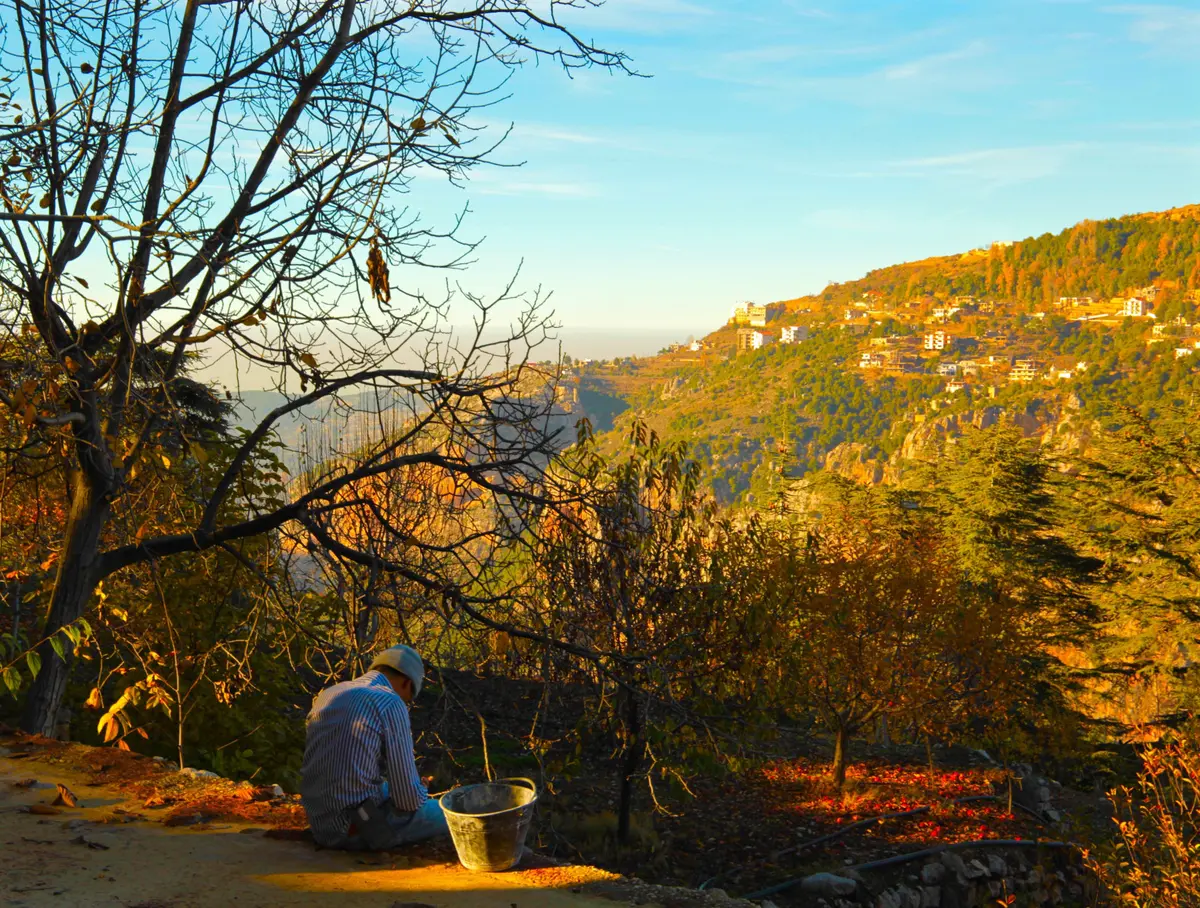
December in Lebanon — festive chill and ski season starts
Winter settles in. Storms come through every 7–10 days, and snow starts accumulating above 5,900 ft (1,800 m). If the conditions cooperate, ski resorts open mid-to-late December — but the season’s reliability has slipped over the past few years and an opening on December 15 is now optimistic, not guaranteed.
- Beirut: highs around 66°F (19°C), stormy
- Zahle: highs around 55°F (13°C), cold
- The Cedars: skiing potential, conditions-dependent
The country celebrates Christmas hard. Byblos hosts a market with a tree on the harbor that has become its own destination — go on a weekday evening to skip the crush. For the full Christmas in Lebanon experience, drive up to Harissa for the lights, then back down to Jounieh for dinner. New Year’s Eve in Beirut sells out the major rooftops weeks in advance — book by mid-November or accept a quieter night.
Where can you actually ski in Lebanon?
Lebanon has three operational ski areas — Mzaar Kfardebian, the Cedars (Al Arz), and Laqlouq — all open-air, all served by chair lifts, and all roughly 1.5 to 2 hours from Beirut by car. Mzaar is the largest and most developed; the Cedars is the highest and most scenic; Laqlouq is small, family-friendly, and best for snowshoeing. Real season is January through March.
Mzaar Kfardebian — the biggest, closest to Beirut
The largest resort in the Middle East on paper, with lifts running between 6,070 ft (1,850 m) and 8,087 ft (2,465 m). Beirut to base is about 90 minutes when the road is clear. Reality check: only a fraction of the marketed 80 km of pistes typically operates, lift status is inconsistent, and the management’s reputation among regular skiers has slipped — checking webcams and social channels the morning of is non-negotiable. See the Mzaar Kfardebian Lebanon guide for current conditions and which lifts to prioritize.
The Cedars (Al Arz) — higher and more dramatic
A longer, more scenic drive (about 2.5 hours from Beirut) but a higher base elevation, a longer season, and the unbeatable visual context of the ancient cedar grove just below the lifts. Lift infrastructure is older and less polished than Mzaar’s; intermediate skiers will find the terrain limited but the setting is the country’s best. Pair it with a stay in Bcharre, not on the mountain.
Laqlouq — small, low, family-oriented
Lower altitude (around 5,250 ft / 1,600 m), smaller terrain, and snow that disappears earlier in the spring. Best used for beginners, kids, and snowshoeing rather than serious skiing. The drive from Byblos is short (about 45 minutes) which makes it the easy day-trip option.
What logistics do you need to plan for?
Three friction points dominate any Lebanon trip regardless of the month: electricity, driving conditions, and cash. The economic crisis that began in 2019 reshaped all three, and what worked in pre-crisis travel guides no longer applies.
The electricity reality
The state grid (Électricité du Liban, EDL) provides only one to three hours per day on average across most of the country. Everything else runs on private diesel generator subscriptions (“ishtirak”) that buildings and neighborhoods organize. Hotels with reliable 24-hour power are advertising it as a feature, not assuming it. In summer, AC load means generator hours can still be rationed even at the better hotels; in winter, fuel prices spike heating costs in mountain accommodation. Confirm the generator situation in writing before you book and read up on electricity in Lebanon for tourists for the full picture.
Driving and road safety
It is technically illegal to drive on mountain roads during snow without chains or a 4WD. The first October rain turns highways genuinely dangerous because months of accumulated oil and dust come up to the surface. The Dahr el Baidar pass between Mount Lebanon and the Bekaa is notorious for fog and accidents. Traffic lights work only when the grid is on, which means at night they’re often dark — every intersection becomes a negotiation. Road-deaths-per-capita figures put Lebanon among the worst in the Middle East. Read a current driving in Lebanon primer before you rent.
Cash, dollars and the currency situation
The Lebanese pound (LBP) collapsed from a fixed rate of 1,507 to the dollar to roughly 89,500 to the dollar — a loss of more than 95% of its value. The economy is now functionally dollarized: hotels, ski lifts, restaurants, and tour operators quote and accept US dollars directly. Bring physical USD in clean, undamaged bills (cashiers reject any with tears or marks) and break larger notes into a mix of $1, $5, $10, and $20 — change is hard to get for anything bigger. Most international cards work poorly or not at all, and the banking sector has effectively trapped depositors’ pre-crisis dollars (“lollars”) at punitive conversion rates. Pull whatever cash you’ll need before you arrive, and read the dedicated Lebanon currency guide before you fly.
The bottom line on timing your Lebanon trip
TL;DR: For skiing, aim for February — peak base, best lift reliability. For hiking, April is the best month, with October as a strong second. For festivals and warm-water beaches without the worst humidity, target the second half of September. Avoid August on the coast unless you actively enjoy 88°F (31°C) at 80% humidity. And before any of it: re-verify your government’s current travel advisory and your insurance coverage — a country at Level 4 is not a normal trip planning exercise.
What’s pulling you toward Lebanon — skiing the Cedars, the Baalbeck festival, family roots, food? Drop a comment with what you’re trying to time and I’ll point you at the month that fits.