Christmas in Lebanon is a contradiction. You can ski above 6,500 feet in the morning, eat fish by the Mediterranean at sunset, sit through a Maronite midnight mass, and end the night on a Mar Mikhael rooftop. This guide covers what’s worth your time, what to skip, and the safety reality you need to weigh first.
Should you actually visit Lebanon for Christmas right now?
The honest answer: most Western governments say no — and our standalone read on whether Lebanon is safe for American tourists covers the same picture outside the holiday lens. The U.S. State Department holds Lebanon at Level 4 “Do Not Travel” due to crime, terrorism, civil unrest, kidnapping, unexploded landmines, and the risk of armed conflict, with travel restrictions still in force after non-emergency embassy staff were ordered out. The UK, Canada, and Australia issue similar warnings.
The reality on the ground inside the Christmas tourist circuit — Mount Lebanon, Jounieh, Byblos, Batroun, and East Beirut — is more nuanced than the blanket advisory suggests. Military activity has continued in southern Lebanon and near the Syrian border, and U.S. citizens are urged to avoid all parts of Lebanon south of the city of Saida and the Syrian border zone. Beirut’s southern suburbs (Dahieh) remain off-limits, with several airstrike-evacuation orders in recent months.
Travel insurance for Lebanon generally won’t cover you against government advisories. If you go anyway — most Western visitors over the holidays are diaspora — read the rest of this guide as practical reality, not encouragement. Check the latest advisory from your government before you book.
Pro Tip: Enroll in your home country’s traveler program (STEP for U.S. citizens) before you fly, and screenshot the U.S. Embassy WhatsApp channel for Lebanon. Embassy alerts are the fastest way to know when something has happened in a specific Beirut neighborhood.
What makes Christmas in Lebanon different from anywhere else?
Christmas in Lebanon runs on a different frequency than the commercial Western version. The celebrations sit on Maronite Christian roots from the early centuries of the faith, layered over French Mandate habits and a national taste for a party regardless of the news cycle. The result is louder, more communal, and far less precious than a European Christmas market.
The geography also makes it strange in a useful way. The mountain spine sits high enough for snow when the year cooperates, while the coast holds a mild Mediterranean winter that’s good for evening walking — about 60°F (16°C) along the Beirut corniche in late December. You can plan a single day around both ends.
The participation is national rather than purely Christian. Families of all faiths walk the markets and turn up for the tree-lighting ceremonies in Byblos, Batroun, and Beirut. The reverence for Jesus (Isa) as a prophet in Islam is part of the reason, but mostly it’s a social default — people show up because the lights are on and the food is good.
How does Lebanon’s currency and electricity reality affect your trip?
Two practical systems collapsed during the financial crisis and never recovered: the banking sector and the national grid. The economy is heavily dollarized — bring fresh U.S. cash; cards rarely work outside upscale hotels. State electricity runs only one to three hours a day, so any accommodation must have a 24/7 generator or solar backup.
The Lebanese lira has stabilized at roughly 89,000 LBP against the US dollar, but most prices outside government fees are quoted and paid in U.S. dollars. International cards work at upper-tier hotels and a handful of restaurants, and almost nowhere else. Bring the cash you need.
Crisp bills only. Notes printed before 2013, or anything with a tear or pen mark, are routinely refused by vendors and even some hotels. Bring a stack of small bills — singles, fives, tens, twenties — for taxis, valets, and markets. Save the hundreds for hotel bills.
State electricity is an afterthought, and handling daily power cuts becomes part of the trip planning. The gap is filled by diesel generators on private subscriptions, plus a fast-growing solar-and-battery sector. Tourist hotels handle this invisibly. If you’re booking an apartment or guesthouse, the listing must explicitly say “24/7 generator” or “solar with battery backup” — otherwise you’ll lose internet, heat, and elevators for hours at a time.
Pro Tip: Buy a Touch or Alfa SIM at the airport on arrival, not in town. Mobile data is reliable in Beirut, Jounieh, Byblos, and Batroun, but it gets patchy in the mountains during winter storms — download offline maps for Mzaar, Faraya, and the Cedars before you leave the coast.
Real costs to plan around:
- Rental car: $45-$50/day for a Kia Picanto or similar; $80-$120 for an SUV
- Gasoline: roughly $1.13-$1.32 per liter ($4.30-$5.00 per gallon)
- Casual dining: $10-$20 per person
- Christmas Eve dinner at a top restaurant: $80-$150+ per person
- Mid-range hotel: $100-$180/night
- Generator backup at an Airbnb (if not included): $50-$100/week extra
What are the deep cultural traditions of a Lebanese Christmas?
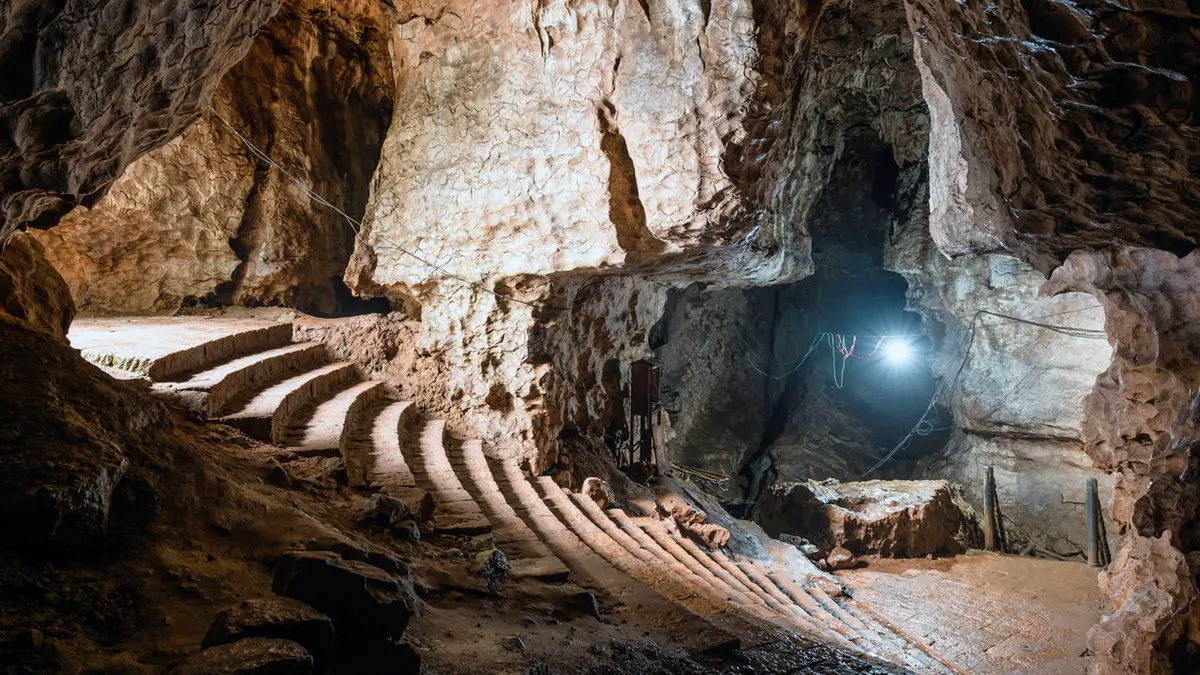
A Lebanese Christmas isn’t a transplanted Western holiday with a Mediterranean accent. It runs on its own calendar and its own symbols. The Maghura nativity scene matters more than the tree, and Maronite tradition places the birth in a cave rather than a stable — fitting the geography of the Holy Valley (Qadisha) where early Christians actually sheltered.
The Barbara seeds tradition
The season effectively starts on December 4 with the Feast of Saint Barbara. Families plant wheat, lentils, chickpeas, and beans on damp cotton wool. By December 25 the seeds have sprouted into pale green shoots, which get arranged around the nativity to symbolize life pushing through winter. If you stay with a Lebanese family — common for diaspora visits — you’ll see them on the kitchen counter the whole month.
The Maronite Novena
The nine evenings before Christmas feature the Christmas Novena (Ziyyah), one of the Lebanese festivals most worth timing your visit around. The services are heavy with incense and built around ancient Syriac-Maronite chants — Arsal Allah (God Sent His Only Son) is the sonic signature of the season, and once you’ve heard it you’ll recognize it anywhere. Mountain churches in villages like Ehden and Bcharre fill up; the atmosphere is solemn but communal, not formal in a Western Catholic way.
What should you eat during Christmas in Lebanon?
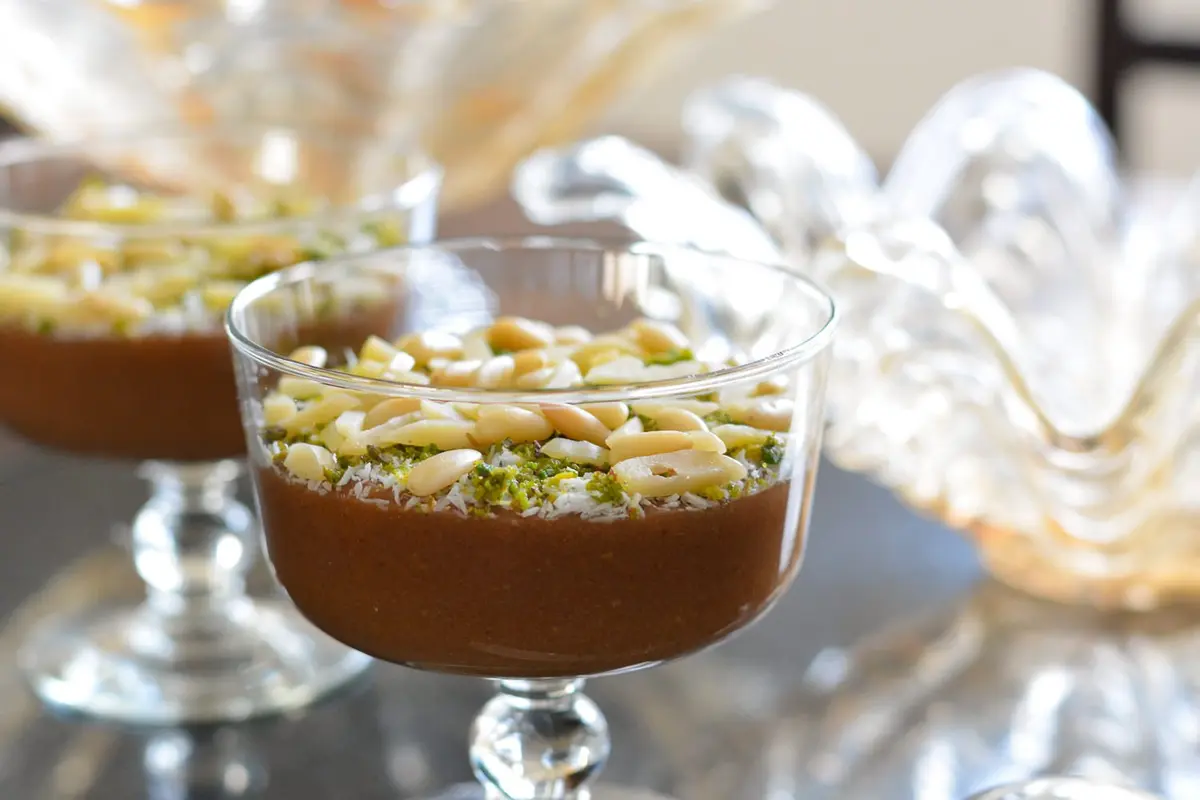
If a Western Christmas smells of pine and cinnamon, a Lebanese one smells of meghli — a rice pudding spiced with caraway, cinnamon, and anise, cooked down to a deep brown and topped with desiccated coconut (the snow) and soaked nuts. Hospitals serve it to celebrate births, and households serve it from Saint Barbara’s day through New Year’s.
Pro Tip: Authentic meghli requires close to an hour of continuous stirring, which is why almost no one outside Lebanese grandmothers makes it from scratch. Buy yours from Hallab 1881 in Tripoli or Douaihy — both have Beirut branches and ship the day’s batch in the morning.
The main event is Le Réveillon, the Christmas Eve dinner — a hybrid table that pulls from the broader Lebanese culinary tradition and adds a French finish:
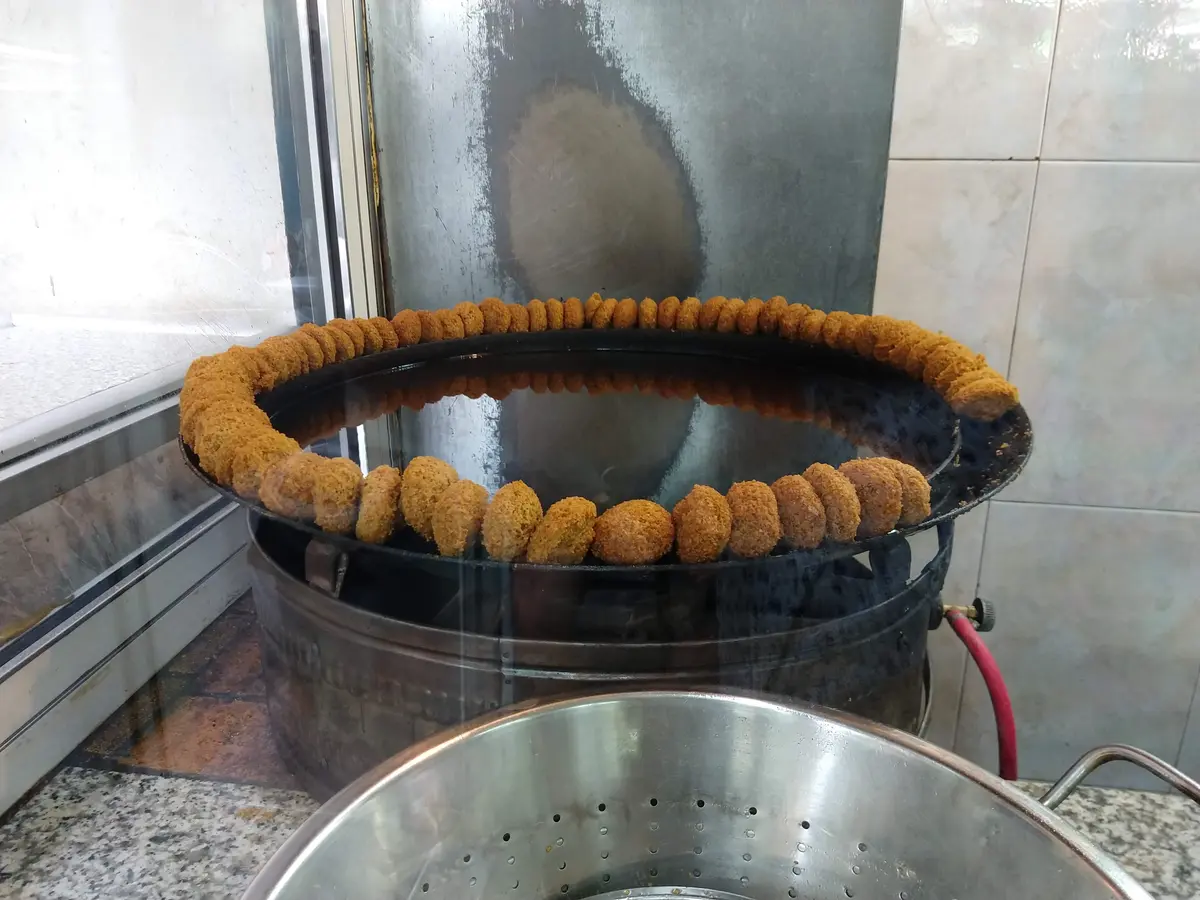
- The foundation: mezze — kibbeh balls, sambousek (meat pies), warak enab (vine leaves), tabbouleh, hummus, moutabbal
- The centerpiece: roast turkey, but stuffed with spiced rice, ground meat, pine nuts, and chestnuts — not bread
- The French touch: a bûche de Noël on every table, with Beirut pastry chefs competing on which one looks more like a sculpture than a cake
Where to book for Christmas Eve
Reservations close 4-6 weeks out for the headline restaurants. These are still operating and worth the spend.
Em Sherif — the maximalist Lebanese benchmark
The reference point for high-end Lebanese fine dining. The set menu sends out a procession of 40-plus mezze plates without you having to choose, which is the right way to do it the first time. The Achrafieh townhouse setting is louder than you’d expect for a luxury room — that’s the point.
- Location: Achrafieh, Beirut
- Cost: $100-$150 per person for the Christmas Eve set menu
- Best for: First-time visitors who want the maximalist Lebanese experience
- Time needed: 3 hours minimum
Chez Maguy — the fish shack on the rocks
A small fish restaurant on the rocks south of Batroun’s old port, with the Mediterranean breaking 20 feet from your table. The menu is whatever came in that morning, grilled simply with lemon and olive oil. Skip it if the wind is up — there’s no real shelter on the windward side.
- Location: South of Batroun old port (follow the signs from the main road)
- Cost: $40-$70 per person
- Best for: Couples and seafood obsessives
- Time needed: 2 hours, plus a coastal walk after
Feniqia — the souk hide-out in Byblos
Tucked inside the old souk; survives the tourist gauntlet by being honest. The Feniqia burger is the off-script order locals send you toward.
- Location: Byblos old souk
- Cost: $25-$45 per person
- Best for: A long lunch after the citadel
- Time needed: 90 minutes
The Grill (Four Seasons Beirut)
Western-style steakhouse with a Mediterranean view. The room is quiet and the wine list is the deepest in the country — the move if you want to mark Christmas without a 40-plate marathon.
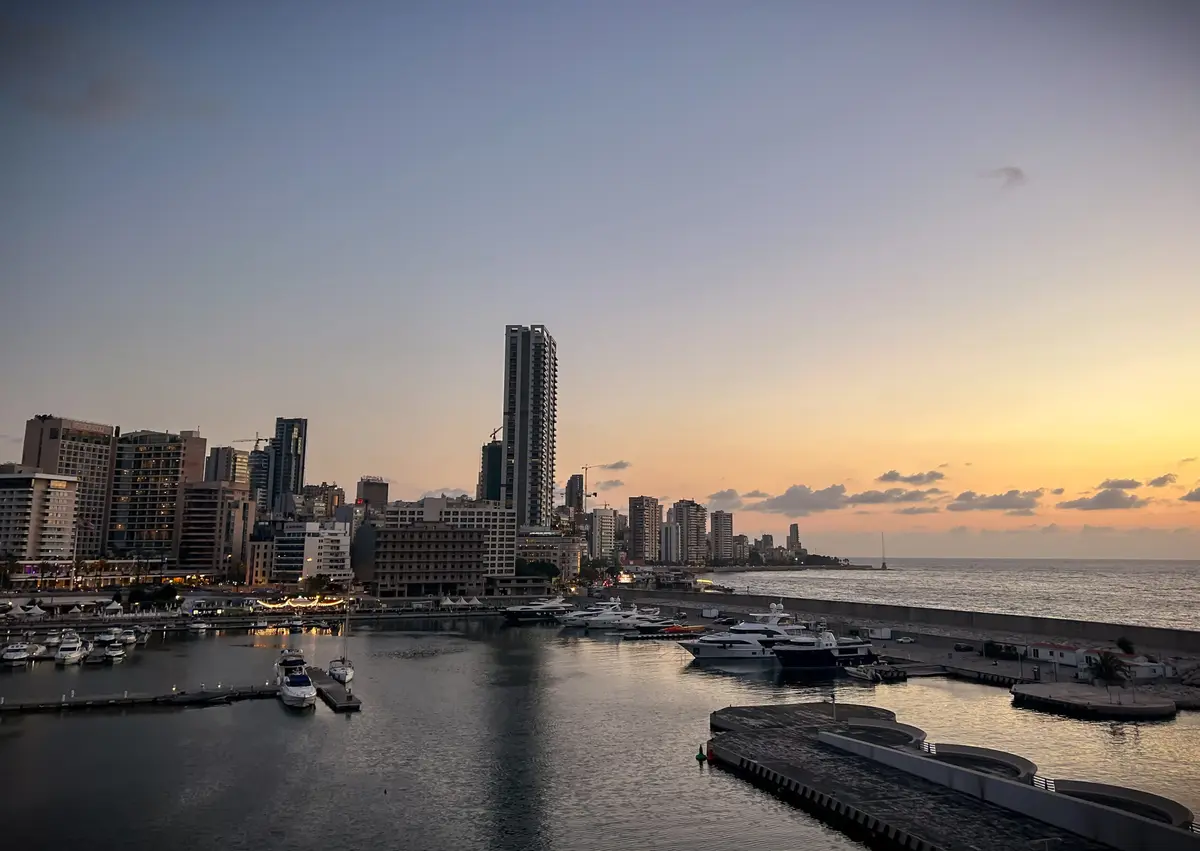
- Location: Four Seasons, Beirut Marina
- Cost: $90-$160 per person
- Best for: Couples wanting a calm, formal dinner
- Time needed: 2.5 hours
Is Byblos worth visiting at Christmas?
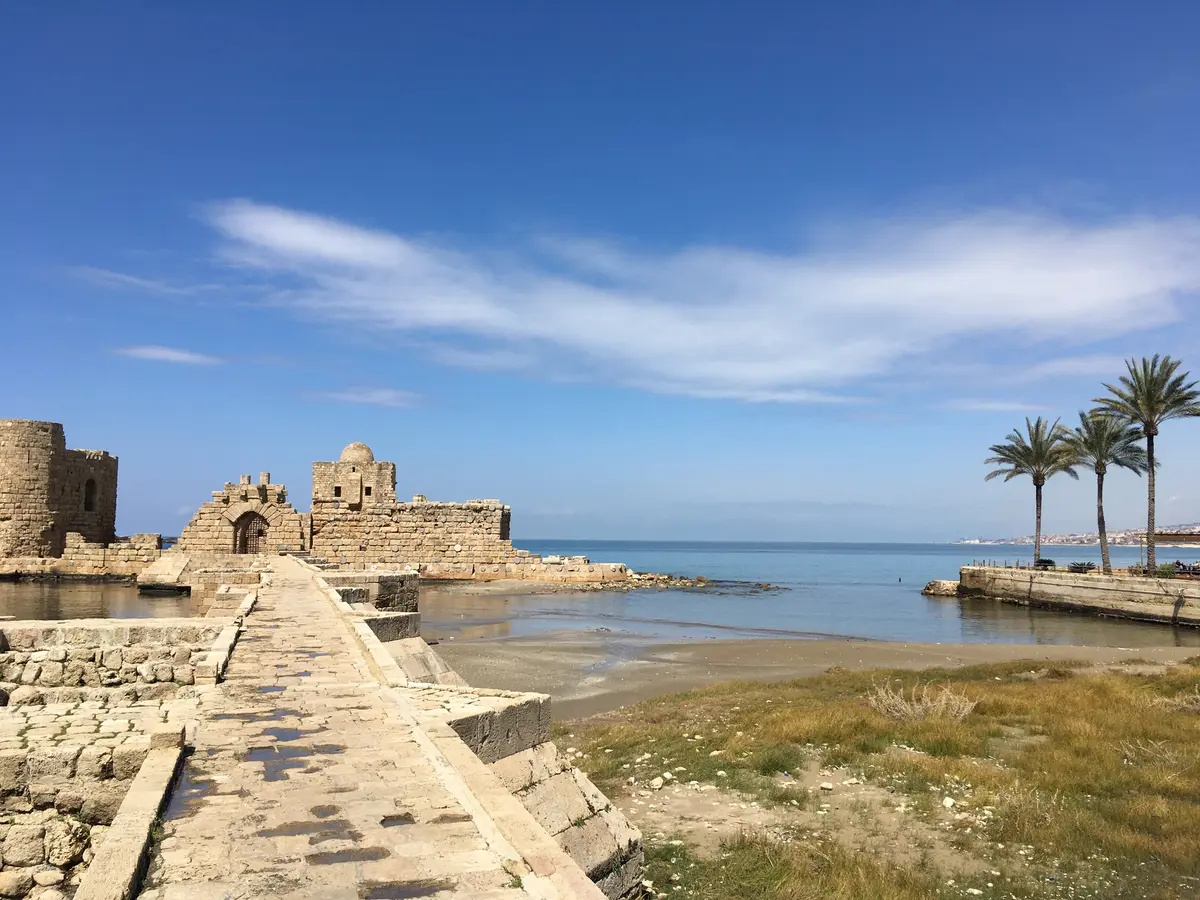
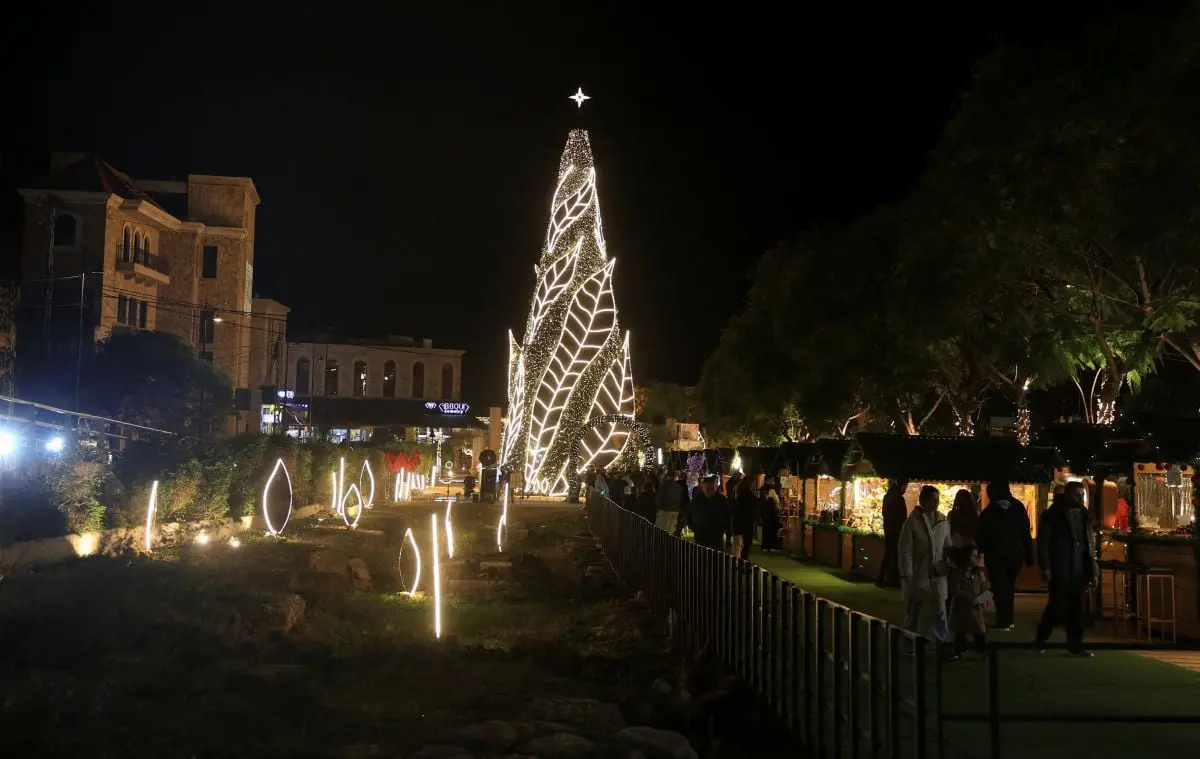
Byblos (Jbeil in Arabic) is the most visually rewarding Christmas stop in the country. The market and the tree sit at the entrance to the old city, surrounded by 7,000-year-old stone walls — the contrast between Phoenician masonry and a 90-foot LED tree is the postcard everyone takes home.
The market stalls lean toward genuinely local crafts: fossils dug from the surrounding hills (a Byblos specialty), olive wood carvings, handmade soaps, and food preserves. The lighting ceremony in early December is televised; the tree itself stays lit through Twelfth Night on January 6.
Pro Tip: Park in the lot above the citadel by 3 p.m. After 4 p.m., on weekends especially, you’ll circle for 30 minutes and end up parking on the highway shoulder. Sunset over the Crusader sea castle is the shot — get there in time.
- Location: Byblos old town entrance, on the Roman Road
- Cost: Market browsing free; expect $20-$60 on artisan goods
- Best for: Families, photographers, anyone who wants the most “Christmas + Mediterranean” frame in one place
- Time needed: Half a day, including the citadel and old souk
Why does Batroun call itself the Capital of Christmas?
Batroun has positioned itself as the Capitale de Noël and overtaken Byblos for event density. The Christmas Market typically opens in early December and runs through Twelfth Night, Wednesday through Sunday, 12 PM to 8 PM. The whole old town goes pedestrian-only for the season, and the main draw beyond the market is the 3D mapping projection on Saint Stephen’s Cathedral.
The crowd skews younger than Byblos. There’s a Diaspora Village section that highlights businesses started by Lebanese expats — craft gins, micro-batch wines, preserves — which is the most reliable place to find gifts that aren’t sold in every souk in the country.
Batroun’s coastal nightlife
This is the surprise of the trip. The coastal bars in Batroun run through winter, not just summer. The good rooms:
- Colonel Reef — beach-club energy with a brewery on site
- Pierre & Friends — set right above the rocks, bonfires lit in winter
- Bolero — consistently the best cocktail program in town
Plan on $30-$60 per person for a full night out, including dinner and a few drinks.
- Location: Old town and southern coast, Batroun
- Cost: Free entry to most market events; food/drinks $30-$60 per person
- Best for: Younger travelers, couples, anyone bored of polished Beirut
- Time needed: Overnight; the town earns a slow morning
What does Christmas in Beirut actually feel like?
Beirut at Christmas is split between two versions of itself. The polished commercial version sits downtown around the Beirut Souks. The messier, better neighborhood version is a 10-minute taxi north in Mar Mikhael and Gemmayze, where bars and pop-up markets spill onto the sidewalks. Pick one each day, depending on whether you want a parade or a party.
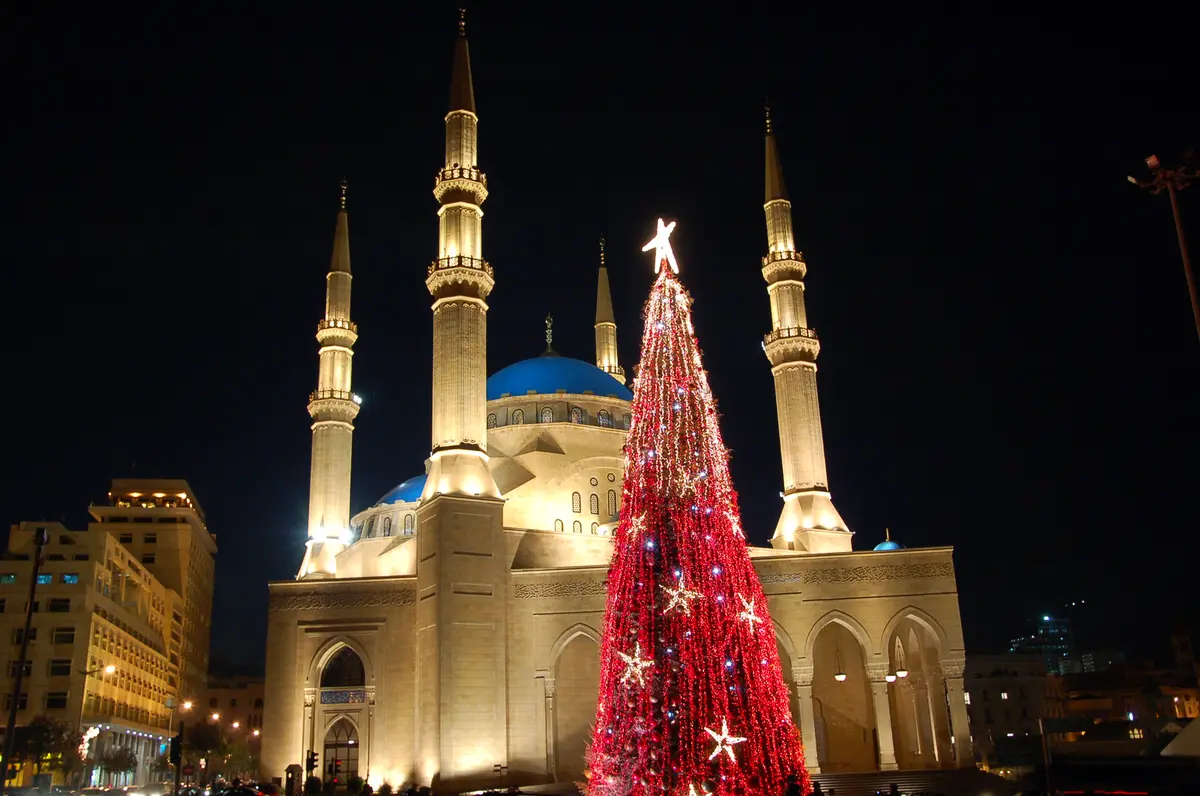
The Beirut Souks downtown host the official Beirut Christmas Spirit programming — parades, a Santa house, a tree in Martyrs’ Square. It’s where you take kids and where the security presence is highest.
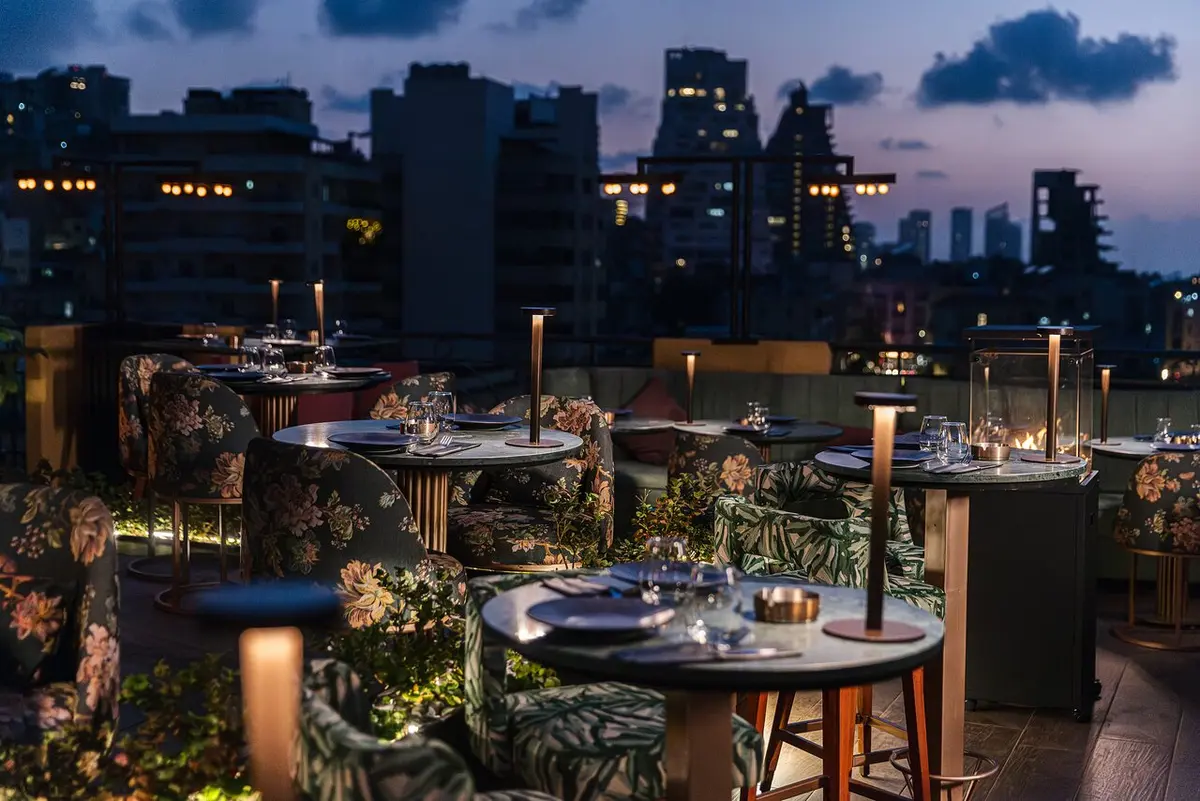
Mar Mikhael and Gemmayze — the parallel streets that became the post-civil-war nightlife district — are where the holiday becomes a street party. Bars overflow onto the sidewalk through January, and pop-up markets appear in heritage houses like Villa Sursock. This is the version of Beirut that doesn’t make it into the news cycle, and it’s the version most worth seeing — the rooftop bars in Mar Mikhael are where the season concentrates after midnight.
Badaro is the quieter alternative — an Urban Market with local farmers, designers, and a calmer crowd. Good if you’ve been over-stimulated for two days and want a slow afternoon.
For where to stay:
- Smallville Hotel (Badaro): calm, design-forward, walkable to neighborhood food
- Arthaus (Gemmayze): boutique heritage building, in the middle of the nightlife
- Four Seasons Beirut Marina: for the harbor view and the highest security baseline
Can you really ski in Lebanon at Christmas?
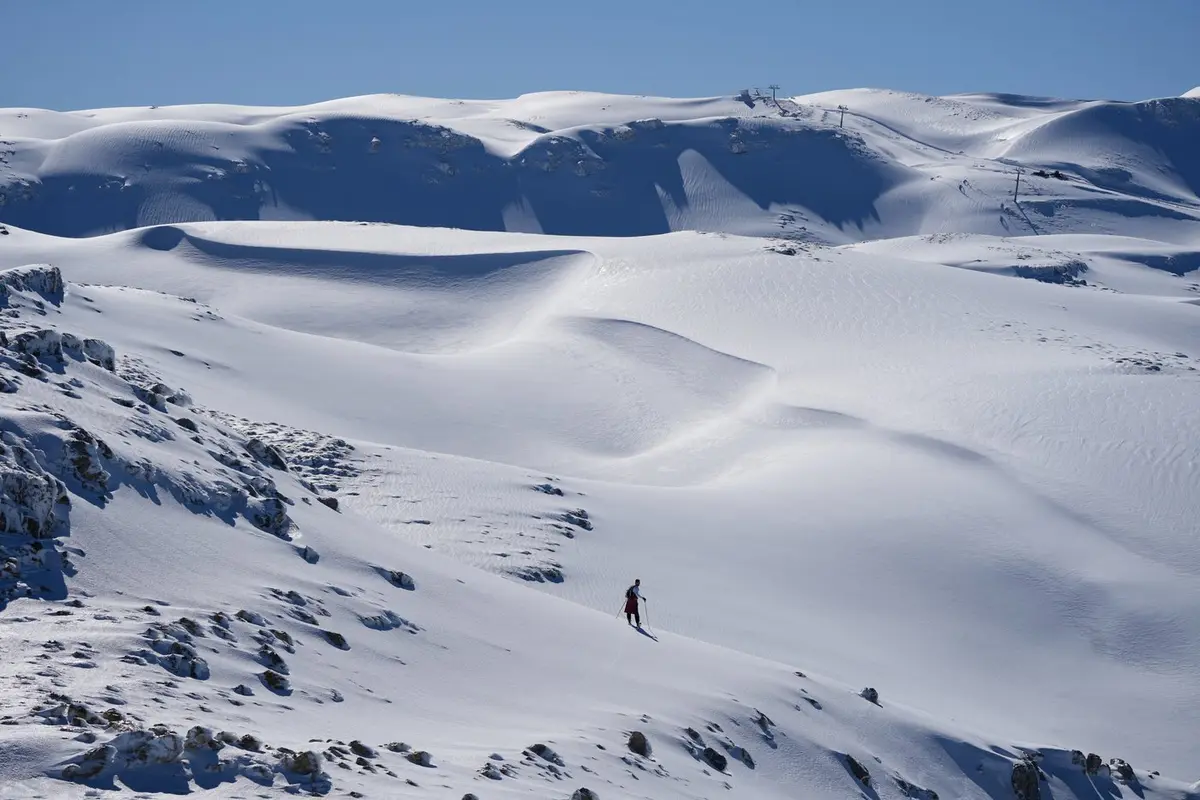
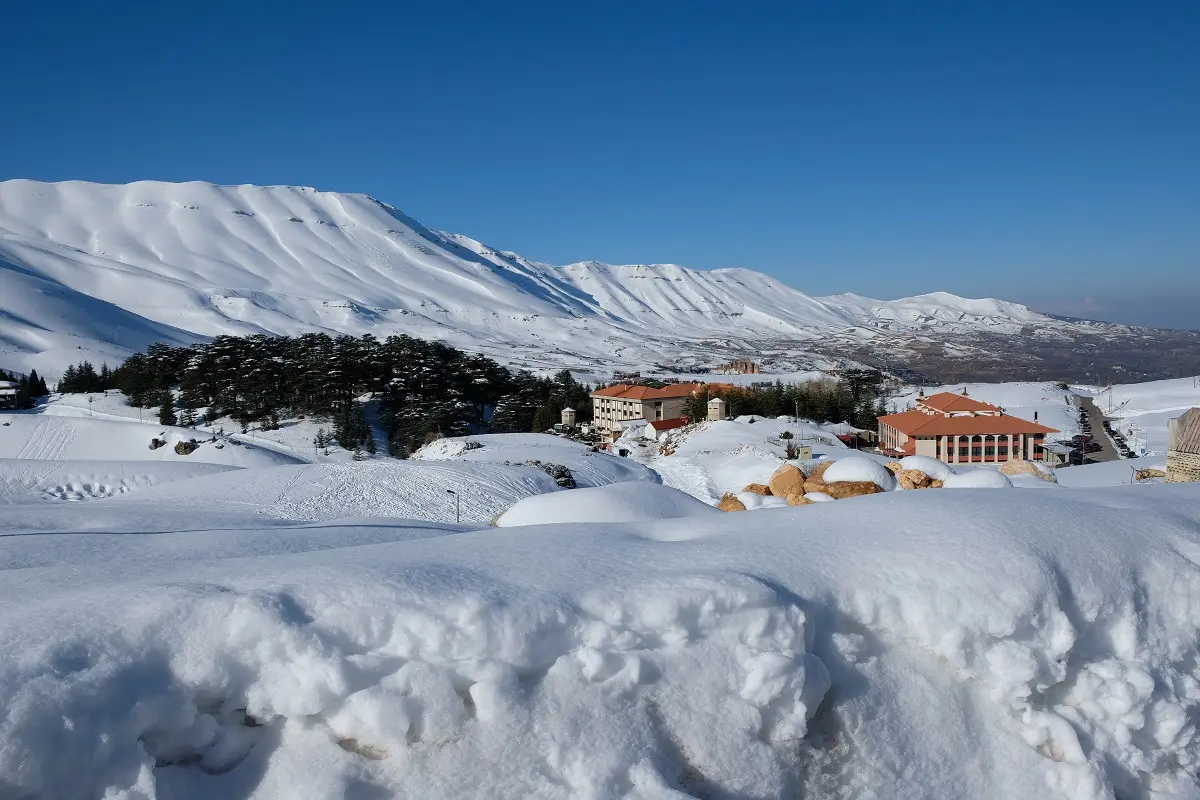
Yes, but with realistic expectations. The “ski in the morning, swim in the afternoon” sound bite is mostly a marketing line — it’s true a few days a year, not most of December. Faraya averages around 59°F (15°C) for highs in December and gets variable snow. The reliable ski window runs mid-January through March.
If a White Christmas is the whole point of your trip, fly somewhere else. If you’re already in Lebanon, the choice between resorts comes down to vibe more than terrain.
Mzaar Kfardebian — the largest in the Middle East
Mzaar Kfardebian is the biggest resort in the region — 42 trails, 18 lifts, elevation from 5,413 ft to 7,874 ft (1,650-2,400 m), with snowmaking on 20% of the terrain. Home to the InterContinental Mzaar (igloo bars, fondue nights, après-ski that takes itself seriously). The most likely place to actually ski over the holidays.
- Location: Mzaar-Kfardebian, ~55 minutes from Beirut
- Cost: Adult day passes from $40, with peak/weekend rates 10-15% higher
- Best for: Variety, après-ski, families
- Time needed: Day trip from Beirut, or 2-3 nights on-mountain
The Cedars (Al Arz) — higher altitude, better snow
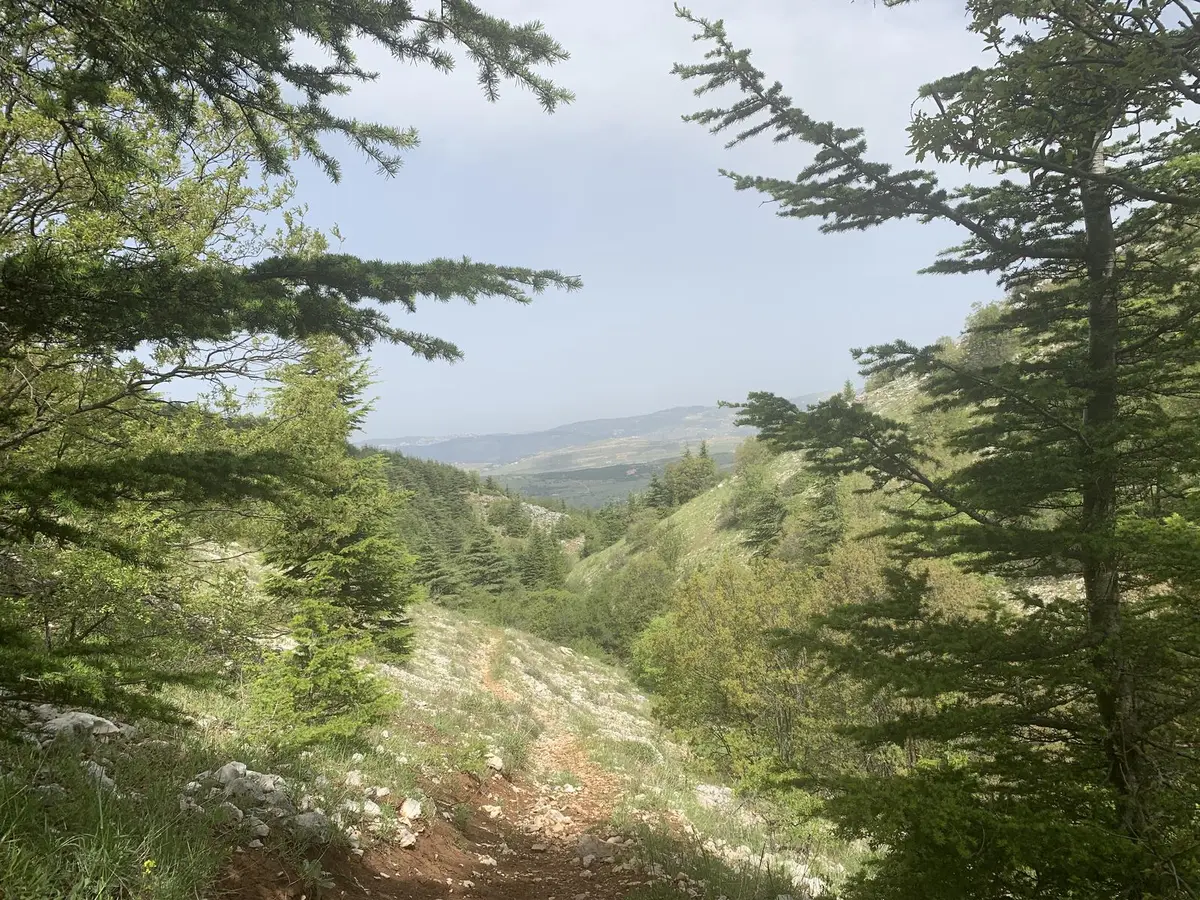
Higher altitude (above 6,560 ft / 2,000 m), better natural snow, and a more authentic feel. Smaller and rougher around the edges. Pair it with a visit to the Gibran Museum in Bcharre, just below the Cedars themselves.
- Location: Bcharre, North Lebanon — about 2.5 hours from Beirut
- Cost: Adult day passes $30-$45
- Best for: Skiers who want the snow and don’t care about lift infrastructure
- Time needed: Overnight minimum (the drive is too long for a day trip)
Zaarour Club — closest to Beirut
Closest to Beirut, family-oriented, leans heavily on snowmaking when natural snow is thin. Useful as a same-day option if you don’t want to commit to a mountain stay.
- Location: Metn, ~45 minutes from Beirut
- Cost: Adult day passes $35-$55
- Best for: Families with young kids, beginners
- Time needed: Day trip
How do you celebrate New Year’s Eve in Lebanon?
New Year’s Eve (Ras El Sanah) is the apex of the social calendar, and Lebanon’s nightlife scene punches well above its weight here. There are three tiers: mega-clubs on the Beirut waterfront with $100-$200 tickets, resto-clubs that flip from dinner to dancing-on-tables, and private mountain chalet parties with fireworks over the peaks.
The mega-clubs are where the diaspora goes. AHM on the Beirut waterfront and The Gärten host massive line-up nights — tickets sell out by mid-December.
The resto-clubs are the better social bet. Clap downtown and Pacifico in Monot transition from sit-down dinner to dancing-on-tables around 11 p.m. Dinner reservations are required and usually include the countdown.
The mountain parties are the move if you want fireworks over the peaks. Chalets in Mzaar throw private “snow parties” — most are friend-of-a-friend invites; ask your hotel concierge or check Lebtivity.
Safety note: Celebratory gunfire at midnight is a real and persistent issue, and people die from falling rounds every year. Be inside under a solid roof at the countdown — not on a rooftop, not on a balcony, not in a car with a sunroof. This is non-negotiable.
What should you bring back from Lebanon?
Gift-giving here is generous and slightly competitive, and the airport duty-free is a waste of suitcase space. The most worthwhile things to buy in Lebanon are tied to specific Lebanese makers and traditions, not the generic cedar-keychain economy.
Skip the cedar-tree keychains. Skip the “I [heart] Beirut” t-shirts. The country does not need more of either.
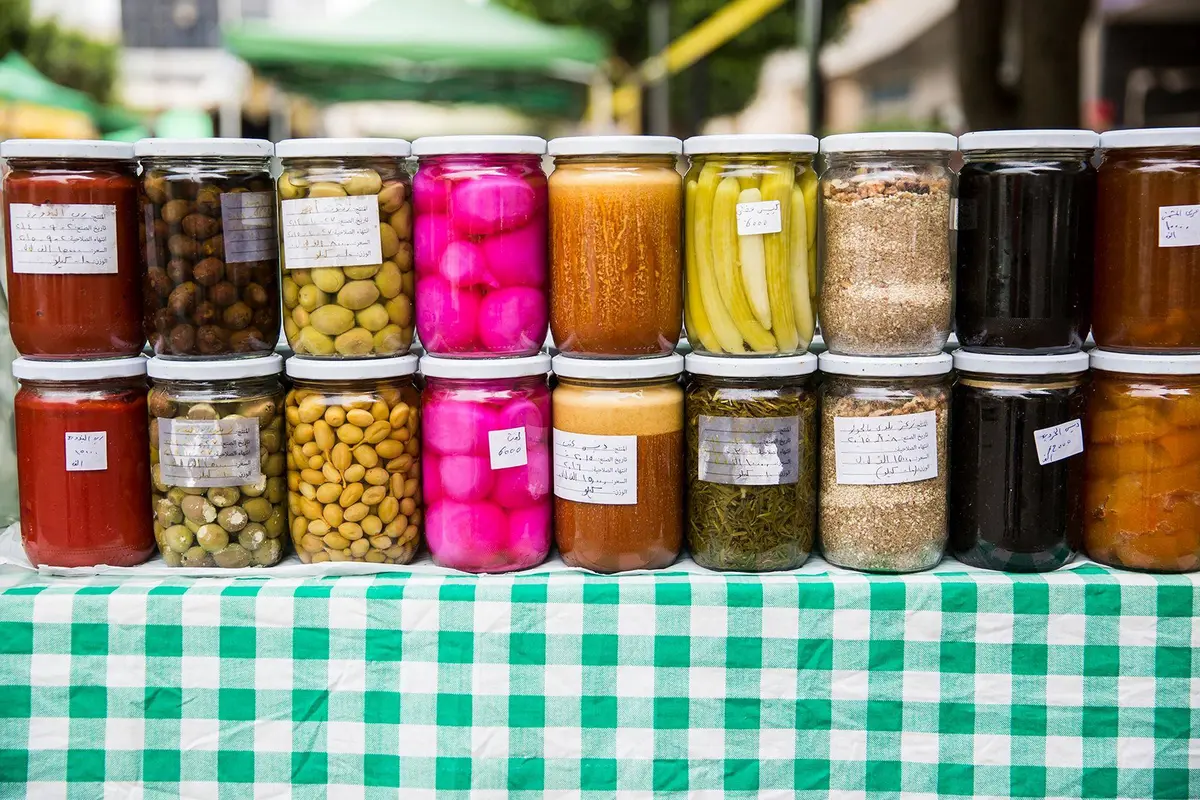
- Mouneh (preserves): fig jam, pomegranate molasses, sun-dried tomatoes — Terroirs du Liban for the broadest selection
- Images d’Orient: coasters, tinware, and tableware inspired by Mediterranean tile patterns
- Sarah’s Bag: handbags and accessories made by women in Lebanese prisons; the social-enterprise label that’s also genuinely fashionable
- Olive oil soap: from Tripoli or Khan Al Saboun — pack it in a sealed bag, the scent travels
- Tawleh (backgammon boards): mosaic-inlay boards from old-souk craftsmen in Tripoli or Byblos (avoid sourcing from the south)
- Lebanese wine: Château Musar, Ixsir, or Château Kefraya — most airlines allow checked wine boxes
Suggested itineraries
These assume you’ve decided to go and you’re staying in the safe-circuit zones. Skip if your trip is shorter than four days.
The classic and cultural — 7 days
- Day 1: Arrive Beirut, check into Smallville (Badaro), dinner and walk in Mar Mikhael
- Day 2: National Museum, downtown souks, evening at the Beirut Souks Christmas market
- Day 3: Day trip to Byblos — citadel, old souk, tree-lighting at sunset
- Day 4: Batroun — Diaspora Village market, lunch at Chez Maguy, bar crawl in the souk
- Day 5: Drive up to Faraya/Mzaar; ski or hike, dinner at the InterContinental
- Day 6: Holy Valley — Bcharre, Cedars of God, Gibran Museum
- Day 7: Shopping in Badaro, easy lunch, fly out
The gastronomy and nightlife — long weekend
- Friday: Lunch at Leila (Zaitunay Bay), dinner at Baron in Mar Mikhael, late at AHM
- Saturday: Manakish brunch on the corniche, drive to Batroun for seafood and bars
- Sunday: Long winery lunch at Château Kefraya or Ixsir before the airport
Before you book
The TL;DR: Christmas in Lebanon is one of the most layered holiday experiences anywhere — Maronite chants, mezze marathons, ski-and-sea geography, and a nightlife scene that refuses to quit. It’s also a country at war by the formal definitions of every Western government, with a financial system that mostly doesn’t work and an electrical grid that barely does. Go with cash, low expectations of infrastructure, and a clear understanding of where not to drive — and treat this as a companion to our broader Lebanon travel guide for everything outside the holiday window.
If you’ve been to Lebanon for the holidays — or you’re weighing whether to go — what’s the one thing you wish someone had told you before booking? Drop it in the comments.